 ChipApex | Global Electronic Components Supplier

SEARCH
Search Product
Search Post
— IC芯片 | 连接器 | 传感器 | 被动器件 —
Search productSearch post
— IC芯片 | 连接器 | 传感器 | 被动器件 —
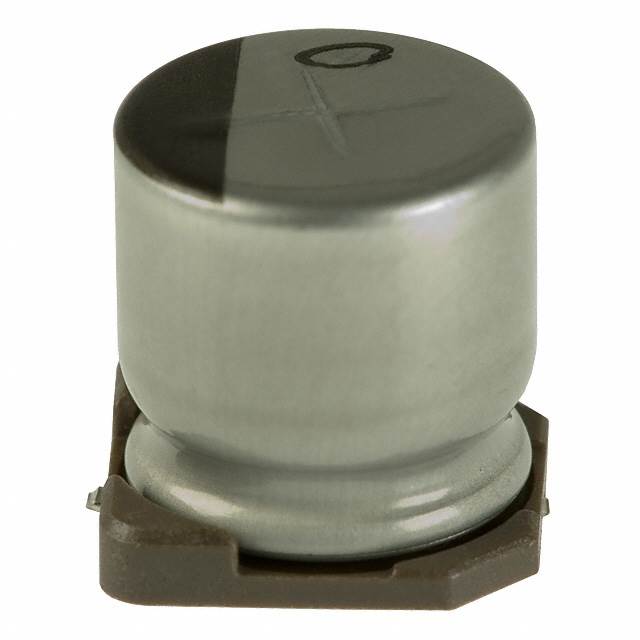
An electrolytic capacitor is a type of polarized capacitor that uses a wet electrolytic solution and an oxide film to store electrical charge. An example is the aluminum electrolytic capacitor which contains two closely spaced spooled strips of aluminum foil for the positive anode and negative cathode. These are separated by a thin spacer material soaked in the wet electrolyte. The thin insulating layer of aluminum oxide formed on the anode between the foil plates acts as the dielectric, creating a high-capacitance device in a compact package. These polarized capacitors are well-suited for applications where space and weight are at a premium, such as in electronic devices, power supplies, and filtering circuits.
| Select products | Mfr | Description | Package | Supplier Device Package | Mounting Type | Series | Operating Temperature |
|---|---|---|---|---|---|---|---|
 220USC820MEFC25X45 $3.25 | Rubycon | CAP ALUM 820UF 20% 220V SNAP TH | Bulk | Through Hole | USC | -40°C ~ 85°C | |
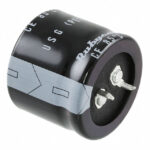 220USG1500MEFC30X45 $2.01 | Rubycon | CAP ALUM 1500UF 20% 220V SNAP TH | Bulk | Through Hole | USG | -40°C ~ 85°C | |
 220USG1500MEFC35X35 $2.17 | Rubycon | CAP ALUM 1500UF 20% 220V SNAP TH | Bulk | Through Hole | USG | -40°C ~ 85°C | |
220USG2200MEFC35X50 $5.56 | Rubycon | CAP ALUM 2200UF 20% 220V SNAP TH | Bulk | Through Hole | USG | -40°C ~ 85°C | |
 220USG270MEFC20X25 $3.23 | Rubycon | CAP ALUM 270UF 20% 220V SNAP TH | Bulk | Through Hole | USG | -40°C ~ 85°C | |
220USG330MEFC22X25 $3.33 | Rubycon | CAP ALUM 330UF 20% 220V SNAP TH | Bulk | Through Hole | USG | -40°C ~ 85°C | |
220USG470MEFC20X35 $4.25 | Rubycon | CAP ALUM 470UF 20% 220V SNAP TH | Bulk | Through Hole | USG | -40°C ~ 85°C | |
220USG470MEFC22X30 $4.19 | Rubycon | CAP ALUM 470UF 20% 220V SNAP TH | Bulk | Through Hole | USG | -40°C ~ 85°C |
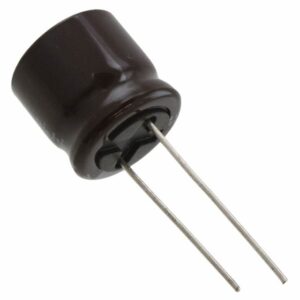 UPM2A820MHD6View Product
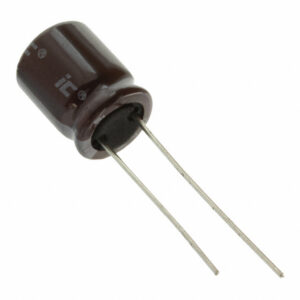 227CKE010MView Product
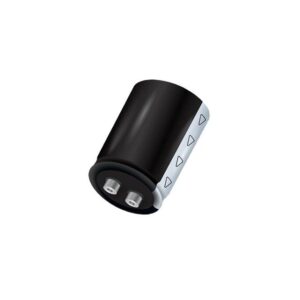 SWAE140474M010BView Product
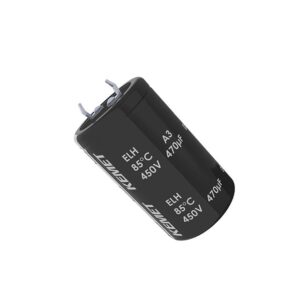 ELH567M200AQ4AAView Product
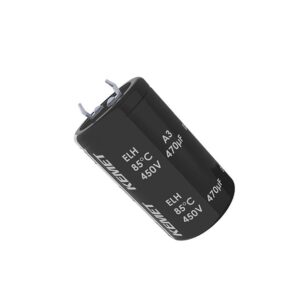 ELH108M250AS5AVView Product
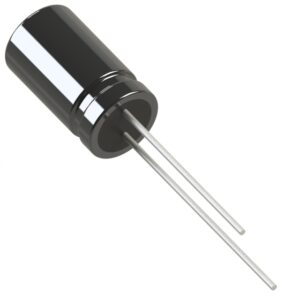 REF0611101M025KView Product
 LDQ2G221MERZGAView Product
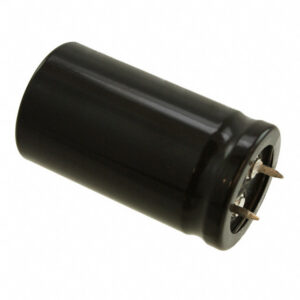 LGU1H682MELAView Product
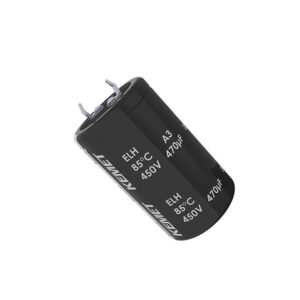 ELH278M063AS1AAView Product
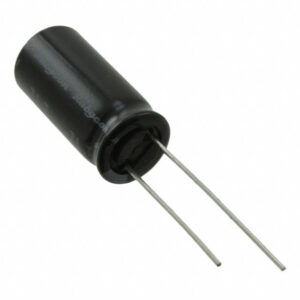 100ZLJ82MT810X16View Product
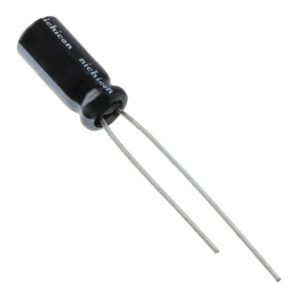 UVZ1A330MDD1TDView Product
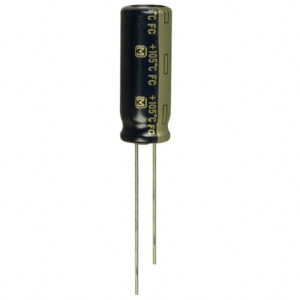 EEU-FC0J122LBView Product
The rapid advancement of artificial intelligence (AI) is transforming industries across the globe, and the world of electronic components is no exception. From smarter…
Read More
Tempe, Arizona‑based semiconductor giant Microchip Technology has formally rolled out selective product price increases across its MCU, power‑management IC, memory controller and analog component…
Read More
Learn how a diode conducts, how to identify anode and cathode, and when to choose rectifier, TVS, Zener or photodiode types for a circuit.
Read More
Learn what a battery BMS does, how protection differs from charging, and which pack specifications to check when sourcing BMS components through ChipApex.
Read More
If you’ve spent any time staring at a schematic, you’ve seen the triangle. Two inputs, one output, and a gain symbol that looks deceptively…
Read More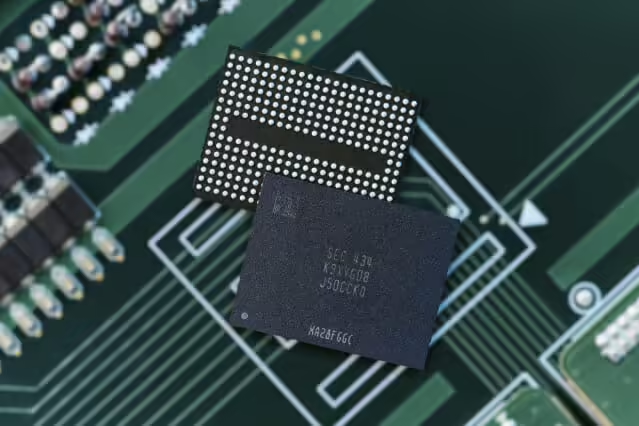
Recently, the global electronic component market has witnessed complex and changeable trends. In the memory chip sector, the wave of price increases continues to…
Read More
Over the past week, the global electronic components sector has witnessed dual transformations in policy and technology: Coupled with mounting pressure from a worsening…
Read More
Understand how a comparator switches at a voltage threshold, why hysteresis prevents chatter, and which output and input specs matter.
Read More
Compare thermistors, RTDs, thermocouples and temperature ICs. Learn how range, accuracy, response, interfaces and mounting affect component selection.
Read More
Learn why PTC resistance rises with temperature, how it differs from NTC, and which ratings matter for sensing and protection.
Read More
Understand how oscillators generate timing signals, how they differ from crystals, and which frequency, output and stability specs matter when choosing one.
Read More
Compare Pt100 and Pt1000 RTDs, two-, three- and four-wire connections, excitation and self-heating. Build an error budget from element to reported temperature.
Read More
The activity of extra discounts on wholesale prices is in full swing…
Please fill in your contact information and we will send you the latest wholesale price list.

