 ChipApex | Global Electronic Components Supplier

SEARCH
Search Product
Search Post
— IC芯片 | 连接器 | 传感器 | 被动器件 —
Search productSearch post
— IC芯片 | 连接器 | 传感器 | 被动器件 —
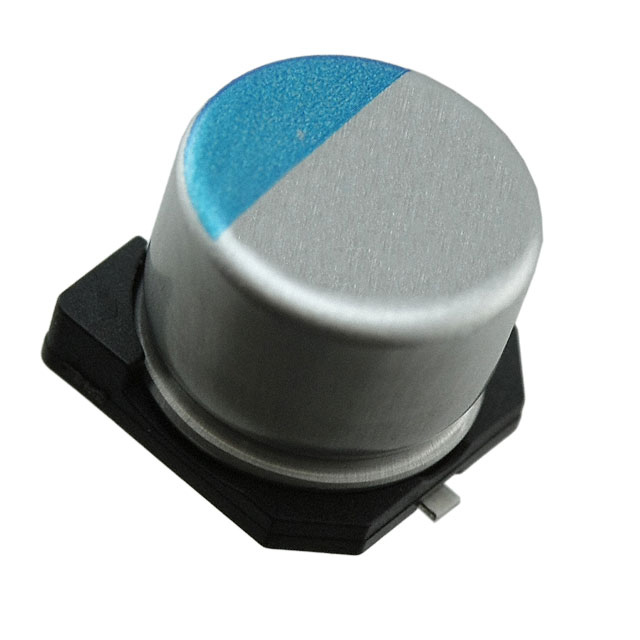
Aluminum polymer capacitors, like their standard electrolytic counterparts, are a polarized capacitor type based on an aluminum electrode material with an aluminum oxide dielectric, but distinguished from them by their use of a conductive polymer material instead of traditional fluid electrolytes. Relative to standard aluminum electrolytic capacitors, polymer types tend to exhibit improved electrical performance in exchange for higher cost and greater sensitivity to the operating environment.
| Select products | Mfr | Description | Package | Supplier Device Package | Mounting Type | Series | Operating Temperature |
|---|---|---|---|---|---|---|---|
 HHXA630ARA560MJA0G $2.43 | Chemi-Con | CAP ALUM HYBRID 56UF 20% 63V SMD | Tape & Reel (TR),Cut Tape (CT) | Surface Mount | HXA | -55°C ~ 125°C | |
 HHXA800ARA220MHA0G $1.80 | Chemi-Con | CAP ALUM HYBRID 22UF 20% 80V SMD | Tape & Reel (TR),Cut Tape (CT) | Surface Mount | HXA | -55°C ~ 125°C | |
HHXA800ARA390MJA0G $2.23 | Chemi-Con | CAP ALUM HYBRID 39UF 20% 80V SMD | Tape & Reel (TR),Cut Tape (CT) | Surface Mount | HXA | -55°C ~ 125°C | |
 HHXB160ARA151MF80G $1.13 | Chemi-Con | CAP ALUMHYB 150UF 20% 16V SMD | Tape & Reel (TR),Cut Tape (CT) | Surface Mount | HXB | -55°C ~ 105°C | |
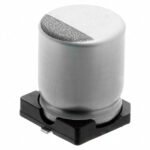 HHXB160ARA271MHA0G $1.80 | Chemi-Con | CAP ALUMHYB 270UF 20% 16V SMD | Tape & Reel (TR),Cut Tape (CT) | Surface Mount | HXB | -55°C ~ 105°C | |
HHXB160ARA471MJA0G $1.93 | Chemi-Con | CAP ALUMHYB 470UF 20% 16V SMD | Tape & Reel (TR),Cut Tape (CT) | Surface Mount | HXB | -55°C ~ 105°C | |
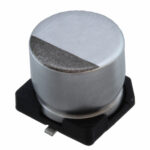 HHXB160ARA820MF61G $0.91 | Chemi-Con | CAP ALUM HYBRID 82UF 20% 16V SMD | Tape & Reel (TR),Cut Tape (CT) | Surface Mount | HXB | -55°C ~ 105°C | |
HHXB250ARA101MF80G $1.10 | Chemi-Con | CAP ALUMHYB 100UF 20% 25V SMD | Tape & Reel (TR),Cut Tape (CT) | Surface Mount | HXB | -55°C ~ 105°C |
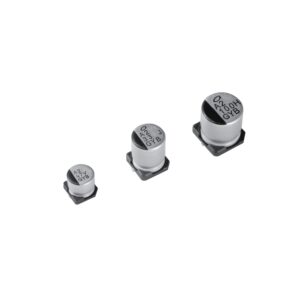 GYB1J330MCW1GSView Product
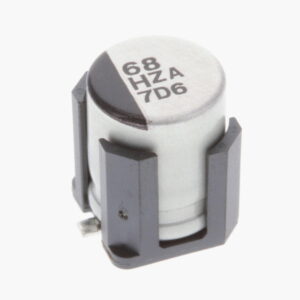 EEH-ZA1K220VView Product
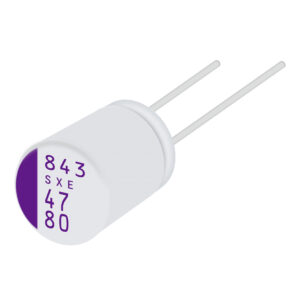 100SXE27MX+3View Product
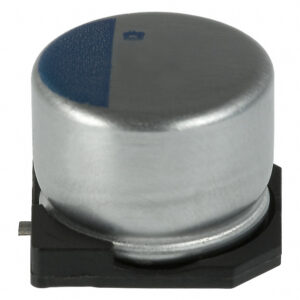 APXA6R3ARA820MF61GView Product
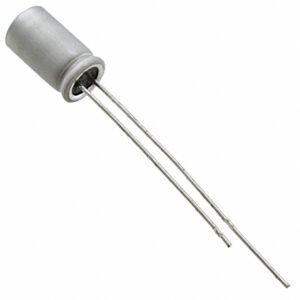 APSK2R5ELL331ME08SView Product
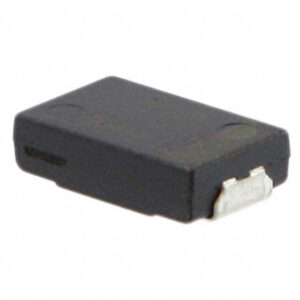 EEF-GX0E331RView Product
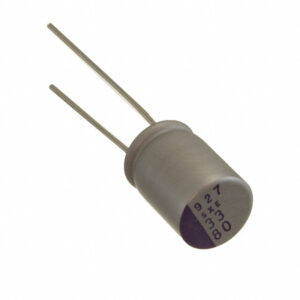 63SXE68MView Product
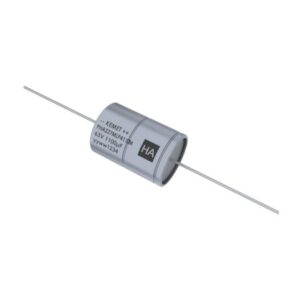 PHA227MMP4150ME4View ProductAPXA200ARA820MJ80SView Product
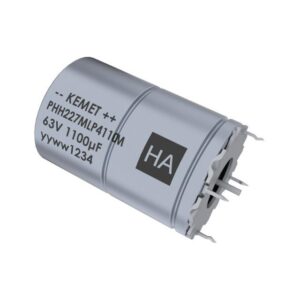 PHH227MMP4150ME4View Product
 EEH-ZF1E271PView Product
 EEF-UD0J121CEView Product

Select a bridge rectifier by reverse voltage, capacitor charging current, startup surge and cooling. Work through a stated DC voltage and ripple example.
Read More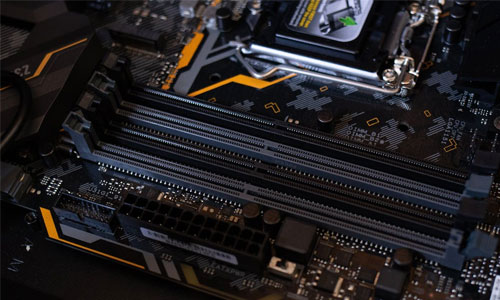
Embedded Integrated Circuit Modules: The Backbone of Modern Technology Embedded Integrated Circuit Modules (EICMs) have become an indispensable part of modern technology. Serving as…
Read More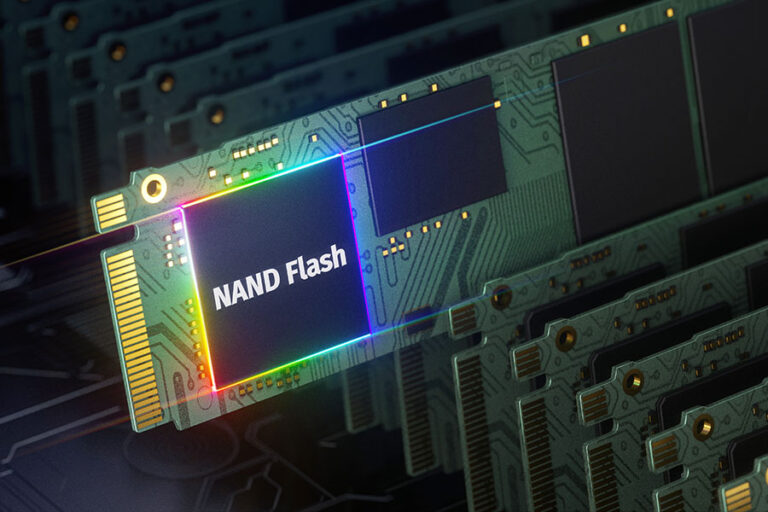
What Is NAND Flash? A Practical Guide for Engineers & Procurement Teams In today’s data-driven world—from smartphones and SSDs to industrial IoT devices—NAND flash…
Read More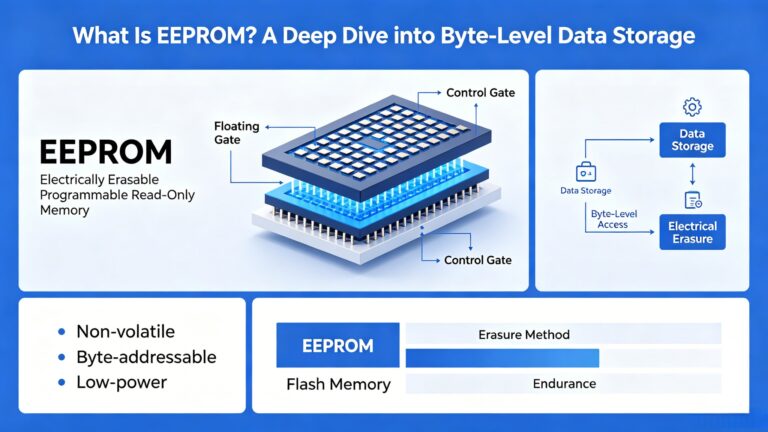
In the vast landscape of memory technology, EEPROM (Electrically Erasable Programmable Read-Only Memory) often plays the unsung hero. While NAND Flash grabs headlines for…
Read More
In the embedded world, general-purpose CPUs are great at running operating systems, and MCUs excel at logic control. But when you need to process…
Read More
Choose logic inverter ICs by thresholds, supply, output drive and delay. Compare standard and Schmitt-trigger inputs, power sequencing and replacement checks.
Read More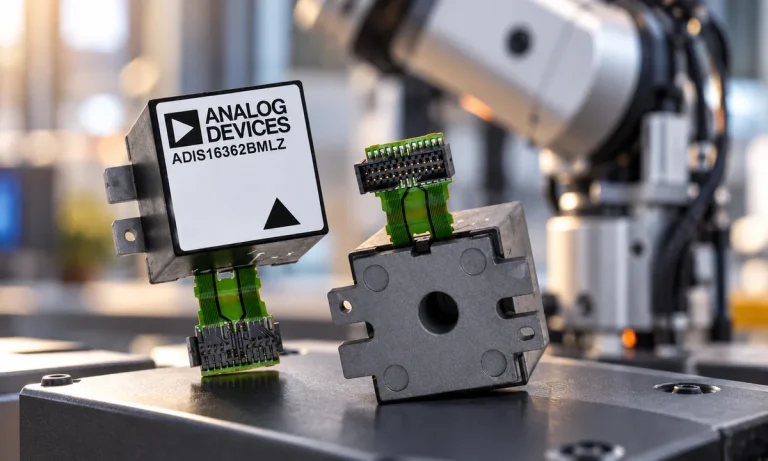
Learn what an IMU measures, how accelerometers and gyroscopes work together, why orientation estimates drift, and what to compare.
Read More
Learn why PTC resistance rises with temperature, how it differs from NTC, and which ratings matter for sensing and protection.
Read More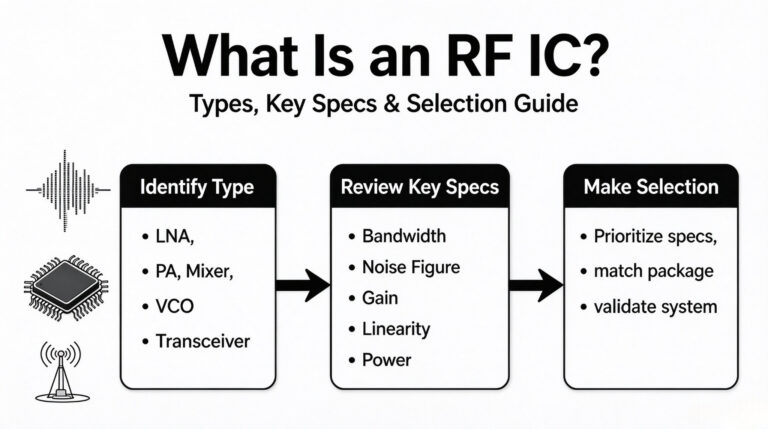
An RF IC, or radio-frequency integrated circuit, is a chip that processes wireless signals between the antenna and the baseband processor. Instead of building…
Read More
On October 1, 2025 local time, OpenAI, an artificial intelligence research company, announced the establishment of a cooperative relationship with Samsung Electronics and SK…
Read More
In the world of embedded electronics, getting a device to “think” is only half the battle. The other half is getting it to communicate…
Read More
Understand how oscillators generate timing signals, how they differ from crystals, and which frequency, output and stability specs matter when choosing one.
Read More
The activity of extra discounts on wholesale prices is in full swing…
Please fill in your contact information and we will send you the latest wholesale price list.

