ChipApex | Global Electronic Components Supplier

SEARCH
Search Product
Search Post
Search productSearch post
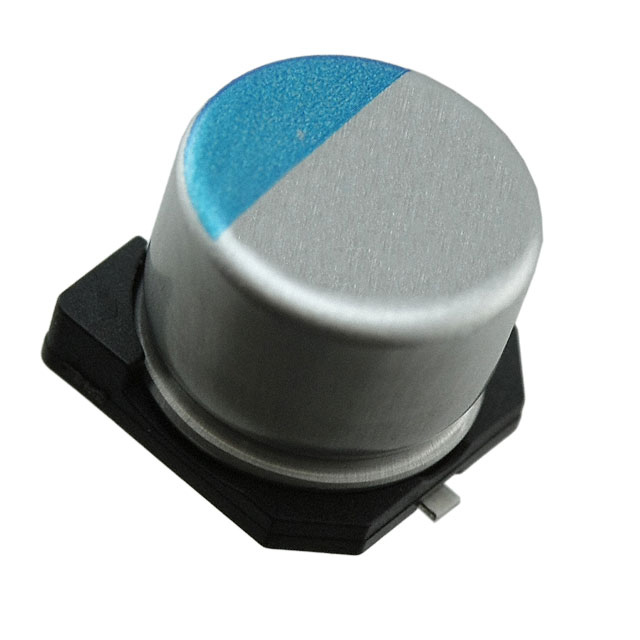
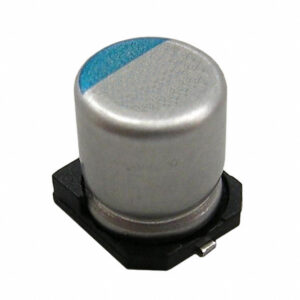
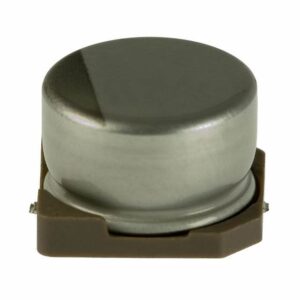
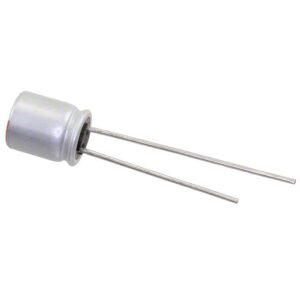
Aluminum polymer capacitors, like their standard electrolytic counterparts, are a polarized capacitor type based on an aluminum electrode material with an aluminum oxide dielectric, but distinguished from them by their use of a conductive polymer material instead of traditional fluid electrolytes. Relative to standard aluminum electrolytic capacitors, polymer types tend to exhibit improved electrical performance in exchange for higher cost and greater sensitivity to the operating environment.
| Select products | Mfr | Description | Package | Supplier Device Package | Mounting Type | Series | Operating Temperature |
|---|---|---|---|---|---|---|---|
| Rubycon | CAP ALUM POLY 47UF 20% 10V SMD | Tape & Reel (TR) | Surface Mount | PC-CON, SWZ | -55°C ~ 105°C | ||
 10SXB22M1.9X7.3 $1.12 | Rubycon | CAP ALUM POLY 22UF 20% 10V SMD | Tape & Reel (TR) | Surface Mount | PC-CON, SXB | -55°C ~ 105°C | |
| Rubycon | CAP ALUM POLY 82UF 20% 2.5V SMD | Tape & Reel (TR) | Surface Mount | PC-CON, SLE | -55°C ~ 105°C | ||
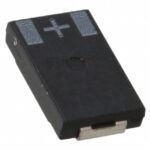 2.5SLE82M1.4X7.3 $0.46 | Rubycon | CAP ALUM POLY 82UF 20% 2.5V SMD | Tape & Reel (TR) | Surface Mount | PC-CON, SLE | -55°C ~ 105°C | |
| Rubycon | CAP ALUM POLY 100UF 20% 2.5V SMD | Tape & Reel (TR) | Surface Mount | PC-CON, SLG | -55°C ~ 105°C | ||
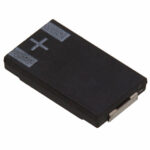 2.5SLG100M1.4X7.3 $0.68 | Rubycon | CAP ALUM POLY 100UF 20% 2.5V SMD | Tape & Reel (TR) | Surface Mount | PC-CON, SLG | -55°C ~ 105°C | |
| Rubycon | CAP ALUM POLY 150UF 20% 2.5V SMD | Tape & Reel (TR) | Surface Mount | PC-CON, SLG | -55°C ~ 105°C | ||
2.5SLG150M1.4X7.3 $0.69 | Rubycon | CAP ALUM POLY 150UF 20% 2.5V SMD | Tape & Reel (TR) | Surface Mount | PC-CON, SLG | -55°C ~ 105°C |
EEF-CD0E121CRView ProductRR71C271MDN1View Product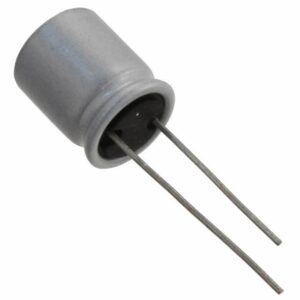 RR70J821MDN1PHView Product
 APXJ200ARA151MF61GView ProductHBO151M1ETR-0608SView Product
 AHA0810101M035RView Product
 72SXV82MView Product
 RS81C271MDN1JTView Product
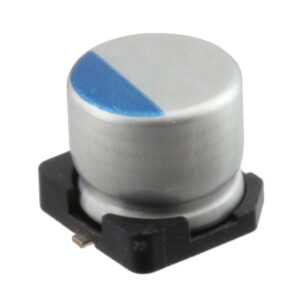 PCJ1C680MCL1GSView Product
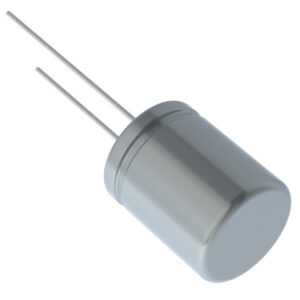 HHSE630ELL101MJC5SView Product
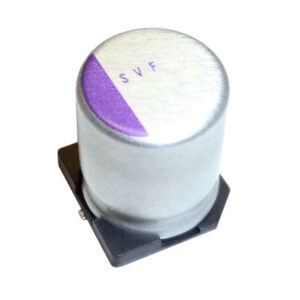 35SVF120MView Product
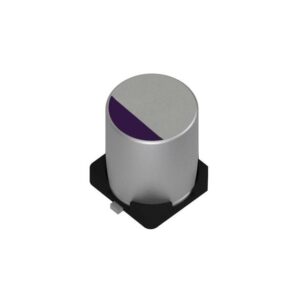 50PHV180M10X16.5View Product
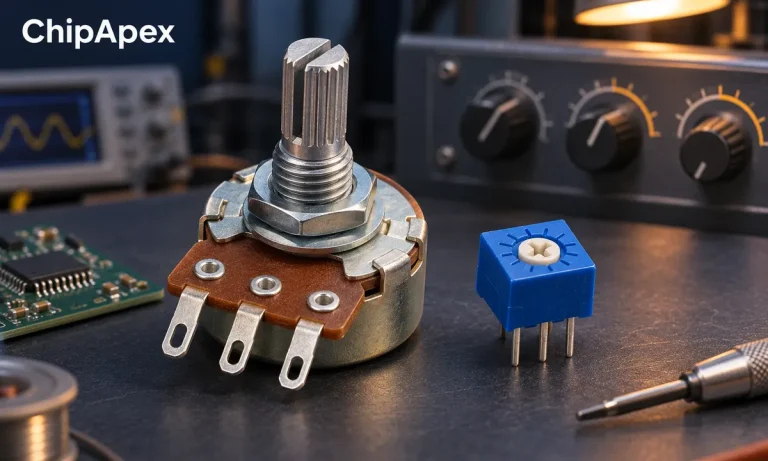
Compare rheostat and potentiometer wiring and functions. Understand divider loading, wiper current, track power and practical component selection.
Read More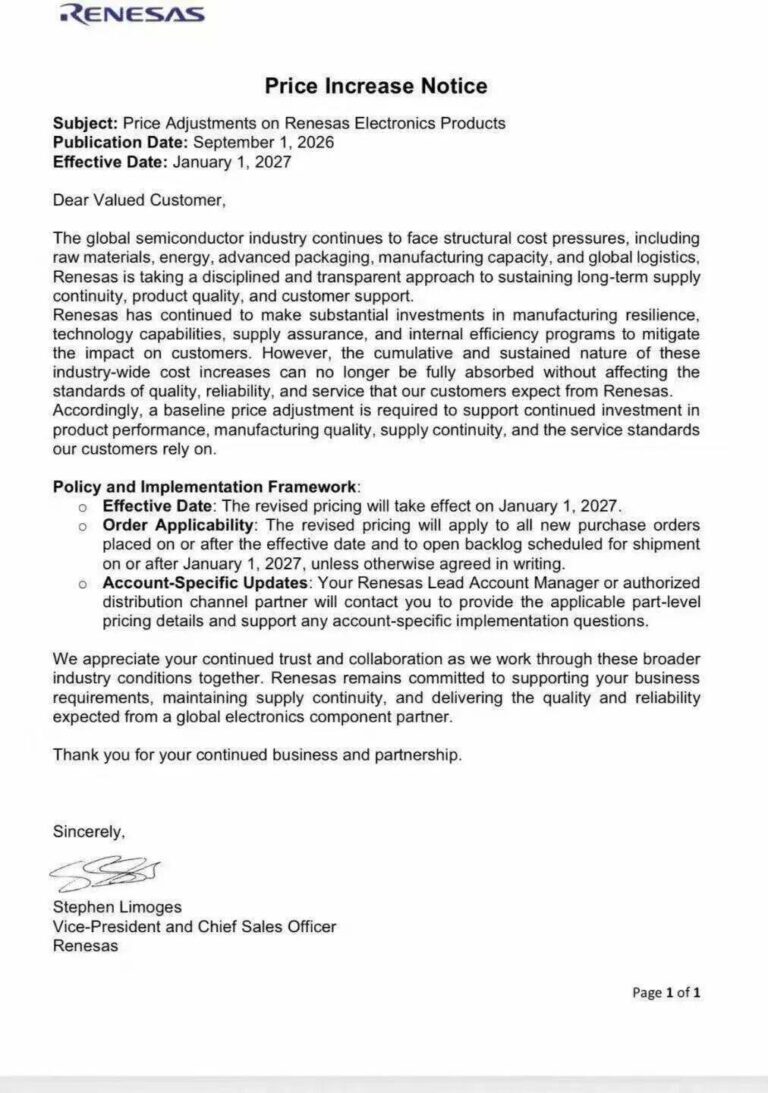
TOKYO — Global leading semiconductor and power electronic components manufacturer Renesas Electronics officially issued a new price adjustment notice in early September 2026, confirming…
Read More
Discover how MEMS devices convert micrometer motion into electrical outputs by comparing capacitive accelerometers, MEMS microphones, and CMOS ASIC readout.
Read More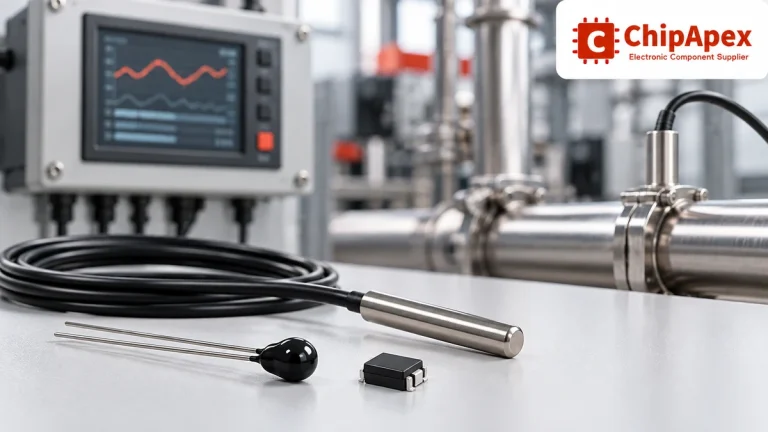
Compare thermistors, RTDs, thermocouples and temperature ICs. Learn how range, accuracy, response, interfaces and mounting affect component selection.
Read More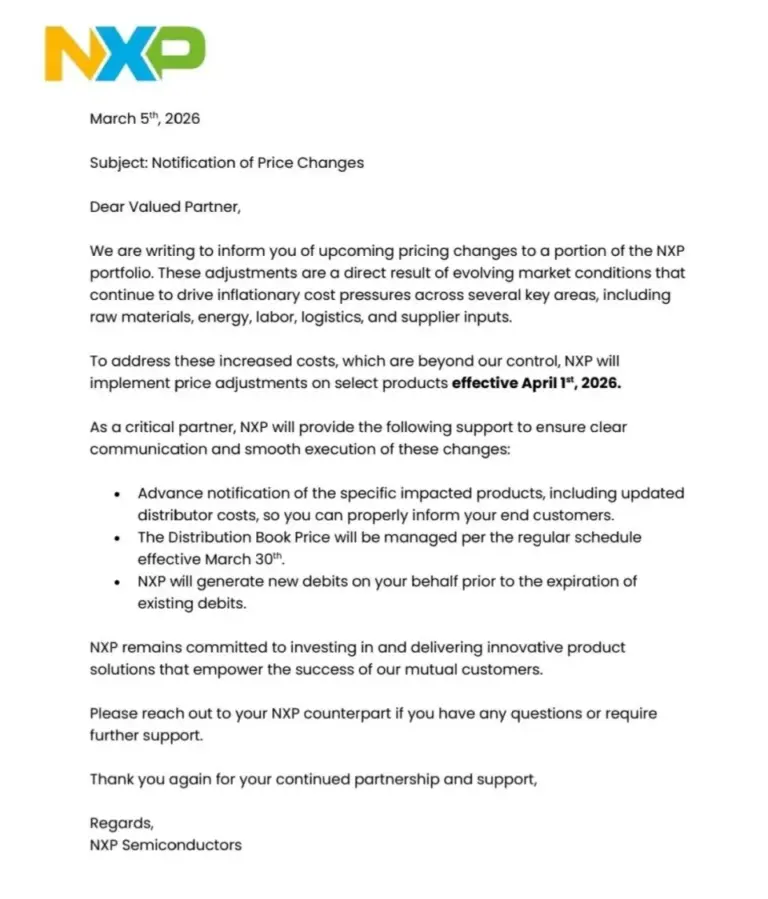
NXP Semiconductors (NASDAQ: NXPI), a global leader in automotive, industrial, and IoT semiconductors, has officially notified customers of an upcoming price adjustment for select…
Read MoreA digital-to-analog converter (DAC) turns a digital number into an analog voltage or current. It lets a controller set a physical output, such as…
Read More
Wilmington, Mass. & Milpitas, Calif. – May 19, 2026 – Analog Devices, Inc. (NASDAQ: ADI), a global leader in high-performance analog and mixed-signal semiconductors,…
Read More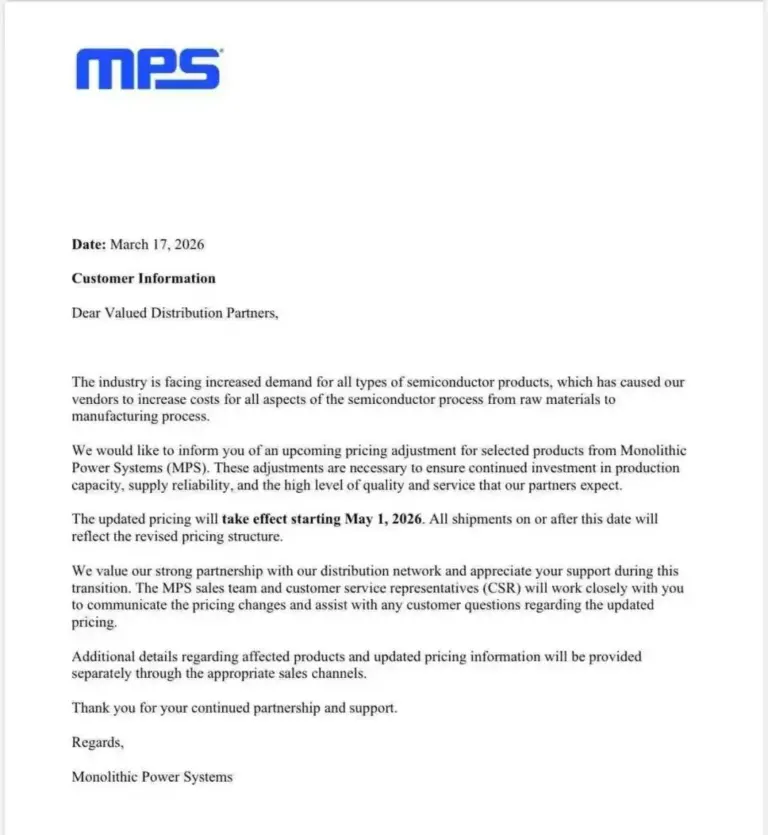
Monolithic Power Systems (MPS), a global leader in analog and mixed-signal semiconductors, has notified its distribution partners of an upcoming price increase for selected…
Read More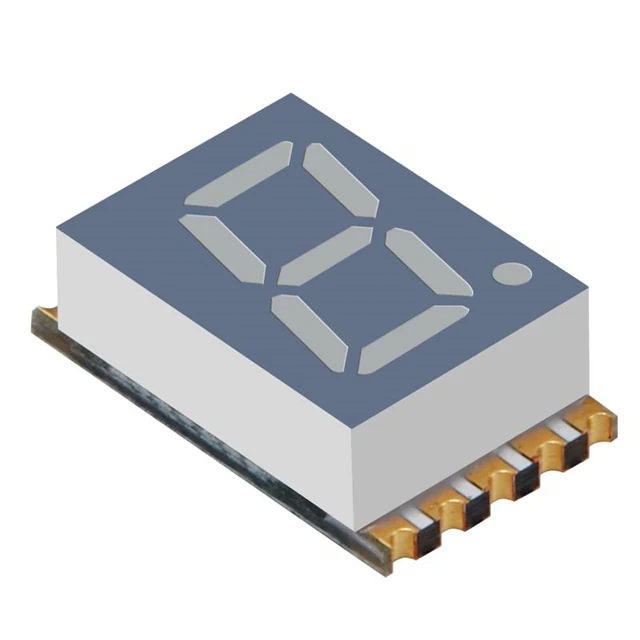
Identify common-anode and common-cathode seven-segment displays, calculate segment resistors and check driver current and four-digit multiplex timing.
Read More
Compare a frequency-locked loop (FLL) and a phase-locked loop (PLL) using same-frequency phase-shifted signals, pull-in acquisition, and hybrid timing ICs.
Read More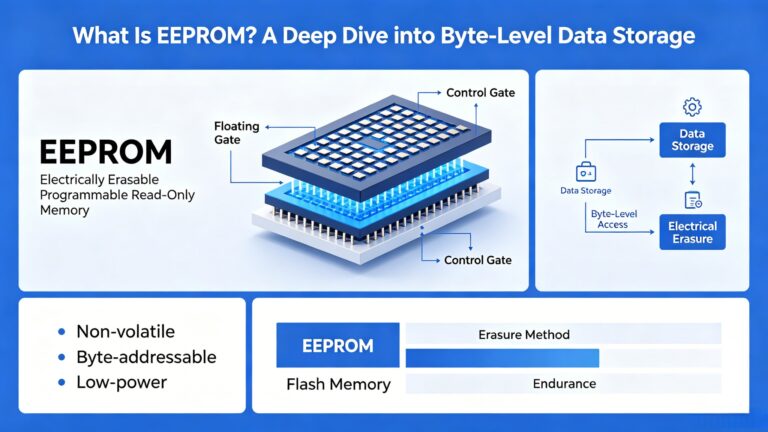
In the vast landscape of memory technology, EEPROM (Electrically Erasable Programmable Read-Only Memory) often plays the unsung hero. While NAND Flash grabs headlines for…
Read More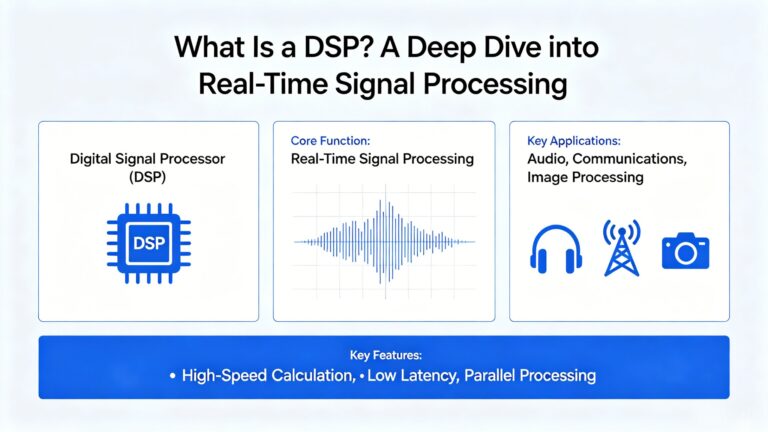
In the embedded world, general-purpose CPUs are great at running operating systems, and MCUs excel at logic control. But when you need to process…
Read More
The activity of extra discounts on wholesale prices is in full swing…
Please fill in your contact information and we will send you the latest wholesale price list.