 ChipApex | Global Electronic Components Supplier

SEARCH
Search Product
Search Post
Search productSearch post
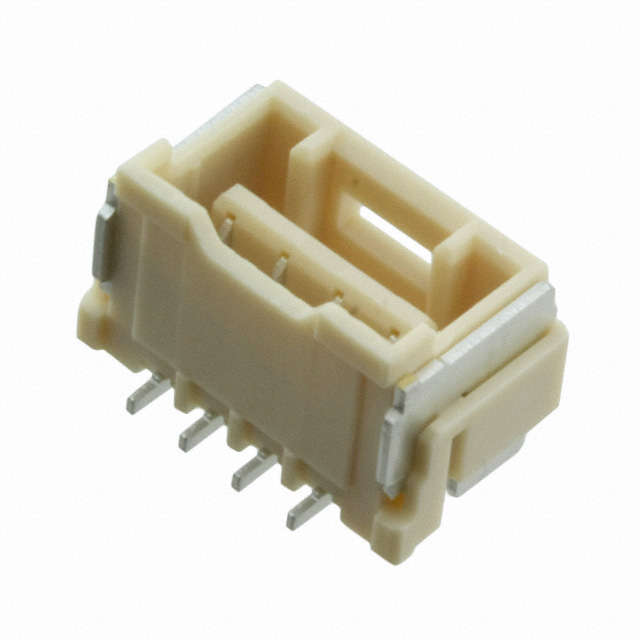
This type of header (receptacle) contains female sockets within a plastic housing and is meant to be mated with a rectangular cable connector or a male pin header for board-to-board connection. These come in a variety of position and pitch options, with some having a breakaway option to manually change position count with ease. Mounting types include panel mount, board edge, stacking, surface mount, and through-hole.
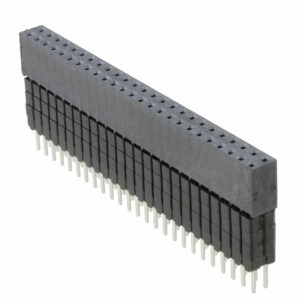 ESW-125-34-S-DView Product
 AT-CLM-010-01View ProductESQT-140-02-M-D-720View ProductESQT-110-02-FM-S-430View Product
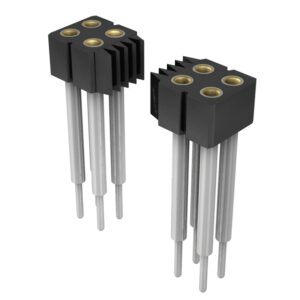 833-87-012-10-453101View Product873813263View Product
 HLE-110-02-S-DV-BE-P-TRView ProductSDL-118-G-12View Product
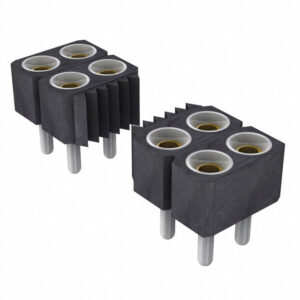 415-87-248-41-001101View Product
 SFM-104-02-S-DView Product
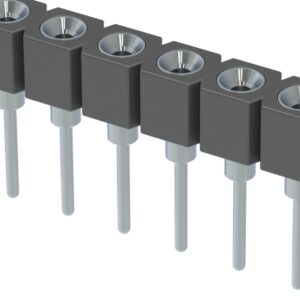 311-99-120-61-001000View Product
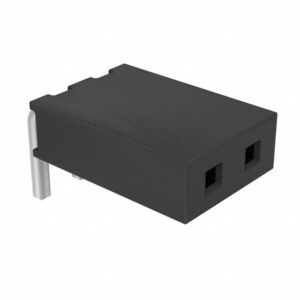 SQT-115-01-L-S-RA-005View Product

TOKYO — Global leading semiconductor and power electronic components manufacturer Renesas Electronics officially issued a new price adjustment notice in early September 2026, confirming…
Read More
Choose LED drivers by current, string voltage, dimming and thermal limits. Understand constant-current operation and the checks needed for your load.
Read More
Recently, the global electronic component market has witnessed a series of new developments. The strategic layouts and market collaborations of major enterprises are constantly…
Read More
Wilmington, Mass. & Milpitas, Calif. – May 19, 2026 – Analog Devices, Inc. (NASDAQ: ADI), a global leader in high-performance analog and mixed-signal semiconductors,…
Read More
TOKYO, April 15, 2026 – Taiyo Yuden Co., Ltd. (TAIYO YUDEN), a leading global manufacturer of passive electronic components, has officially notified its worldwide…
Read More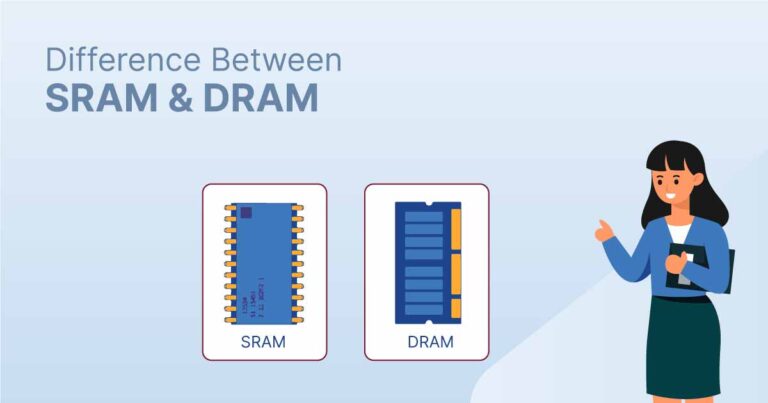
In an era dominated by AI accelerators with terabytes of HBM memory and consumer devices racing toward LPDDR5X bandwidth, it’s easy to wonder: why…
Read More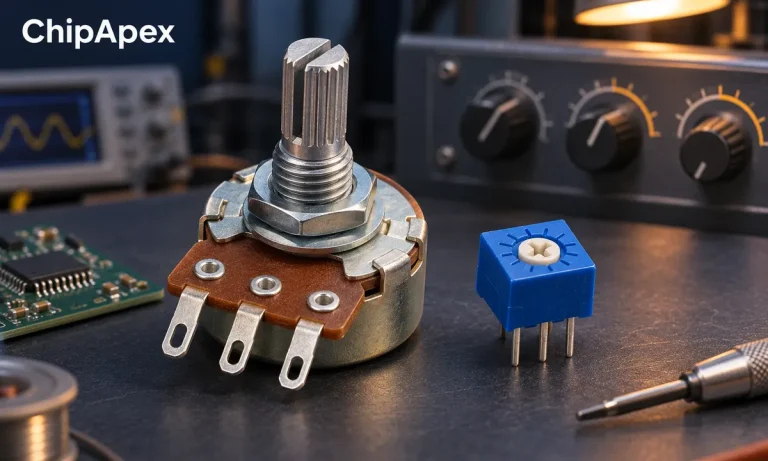
Compare rheostat and potentiometer wiring and functions. Understand divider loading, wiper current, track power and practical component selection.
Read More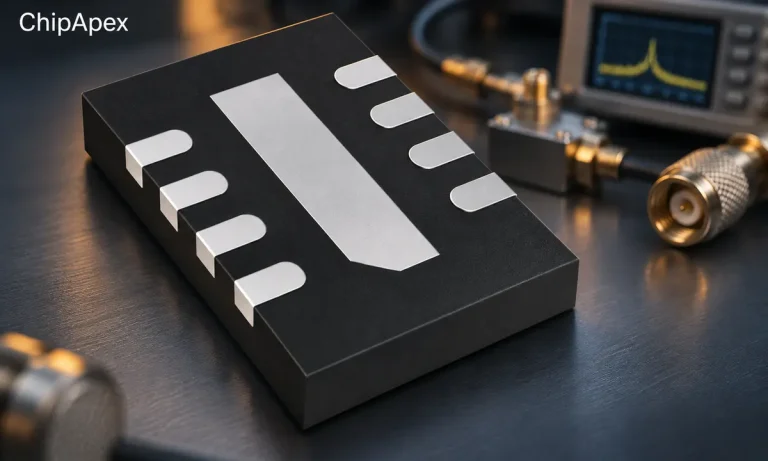
Understand RF detector response, dynamic range and calibration. Compare envelope, logarithmic and RMS behavior before choosing a measurement component.
Read More
Learn how to use ferrite beads for noise filtering. Check impedance, DC bias, placement, resonance and load-step behavior before selecting a part.
Read More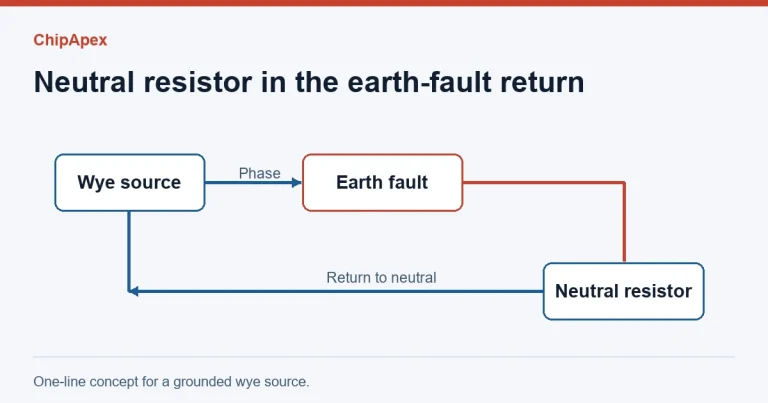
Learn how neutral earthing resistors limit fault current, estimate resistance from phase voltage, and specify voltage, current, duration and protection.
Read More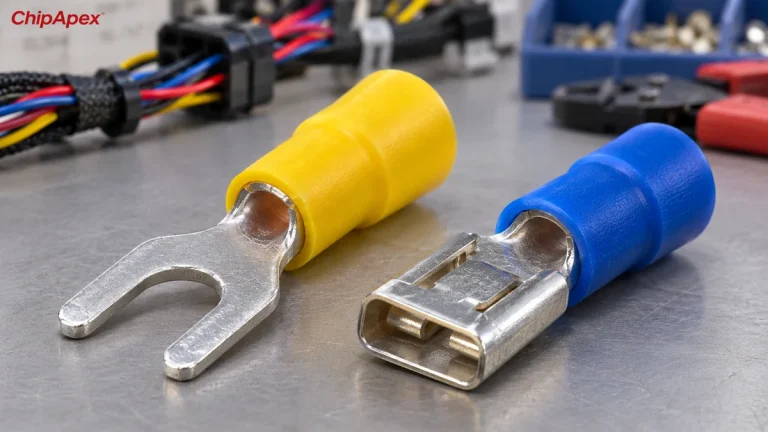
Identify fork terminals and flat-blade spade connectors. Match wire size, tab thickness, insulation and crimp tooling before selecting a replacement.
Read More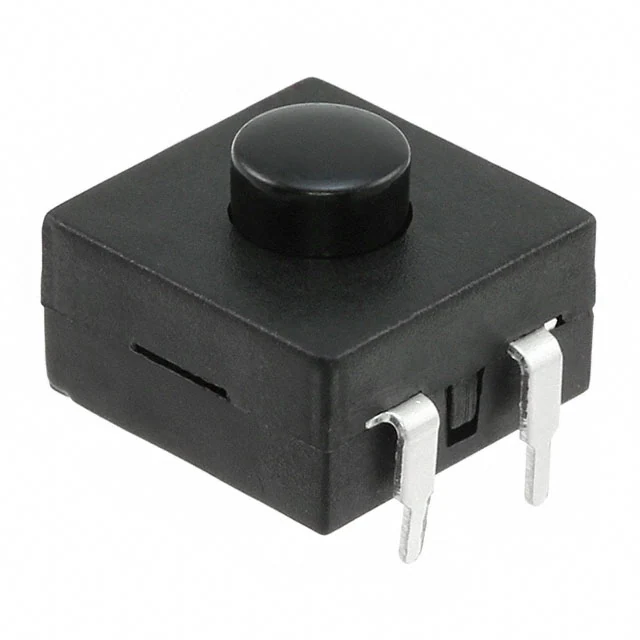
Compare momentary and latching push button switches. Check NO/NC contacts, micro-load current, illumination terminals, panel fit and replacement requirements.
Read More
The activity of extra discounts on wholesale prices is in full swing…
Please fill in your contact information and we will send you the latest wholesale price list.

