 ChipApex | Global Electronic Components Supplier

SEARCH
Search Product
Search Post
Search productSearch post
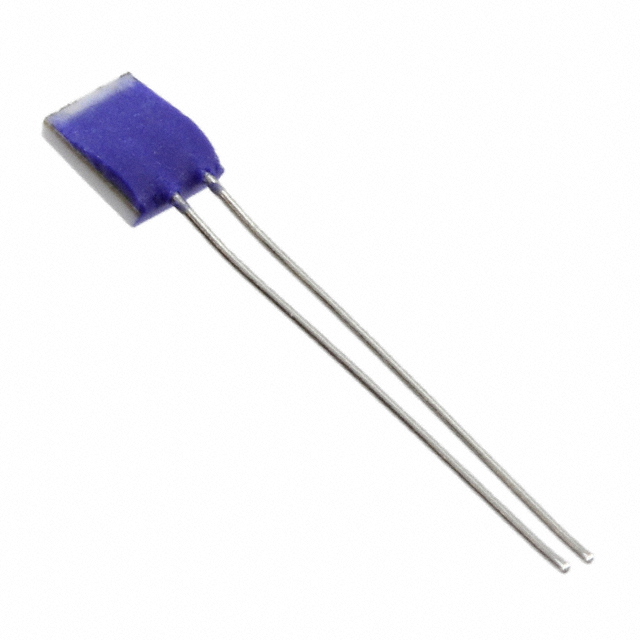
RTD (resistance temperature detector) temperature sensors are devices that change their resistance relative to changes in temperature. The specific metals used in RTD devices show a known change in resistance as the temperature fluctuates. These are available in a range of resistance values from 10 to 1.85K ohms and each has a range of resistance tolerances to consider. They can be free-hanging, panel mount, chassis mount, surface mount, or through-hole.
 A/1K-2W-IM-1"-4X-NISTView Product
 TFD-ENB-4W-40View ProductA/100-3W-DO-6"-20'CL2PView Product
 32207502View Product
 PR-22-3-100-A-1/8-0400-M12View ProductA/1K-2W-A-80'-GDView Product
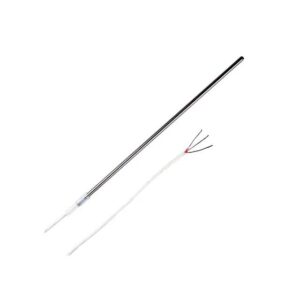 PR-10E-4-100-1/4-9View Product
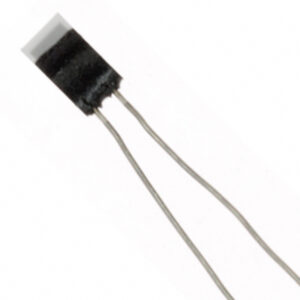 PPG101A1View ProductA/1K-NI-IM-4"-PBView Product
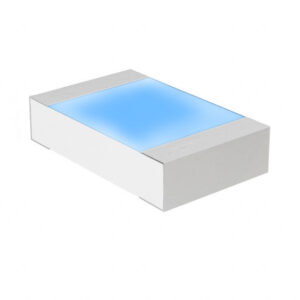 32207590-4KView Product
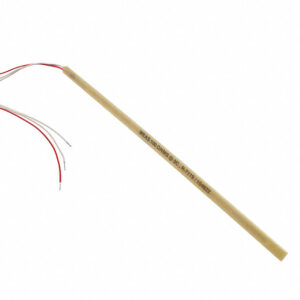 R-5156View ProductA/100-3W-IM-4"-GDView Product
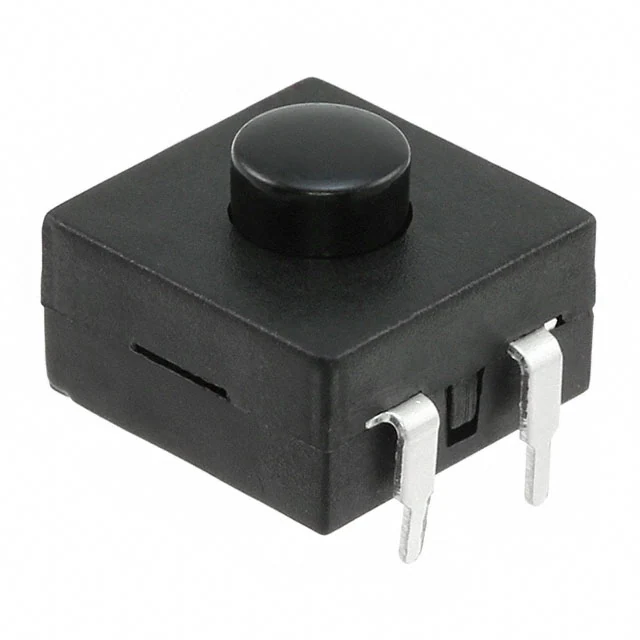
Compare momentary and latching push button switches. Check NO/NC contacts, micro-load current, illumination terminals, panel fit and replacement requirements.
Read More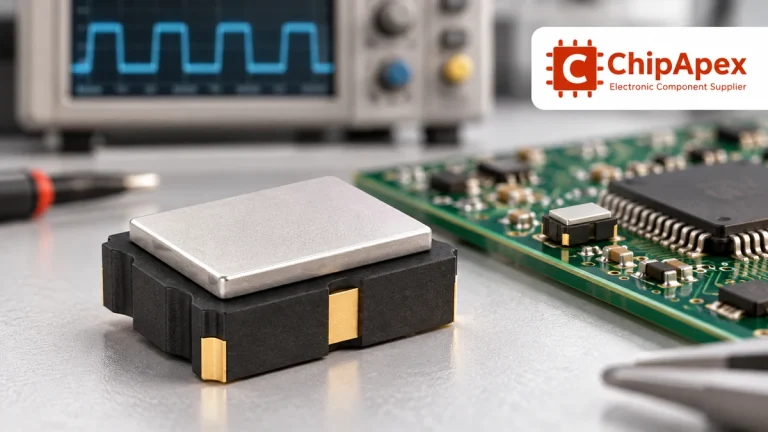
Compare RC, crystal and MEMS oscillator circuits. Check ppm, jitter, load capacitance, startup margin and output compatibility before choosing a clock source.
Read More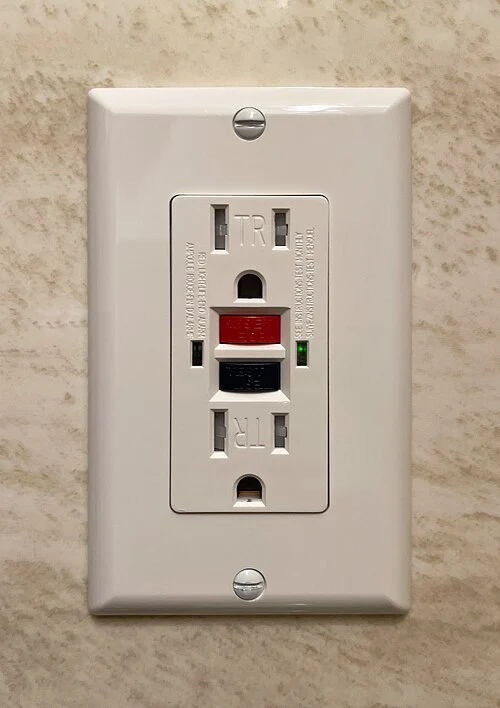
Compare standard breakers, GFCI receptacles and GFCI breakers, including the faults each detects and the ratings and listings to check before specifying.
Read More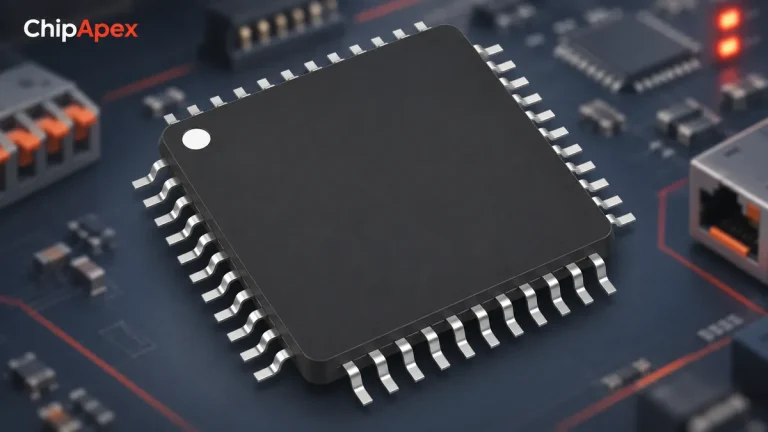
Learn how CPLDs implement hardware logic, compare them with FPGAs and MCUs, and check timing, I/O voltage, startup behavior and programming requirements.
Read More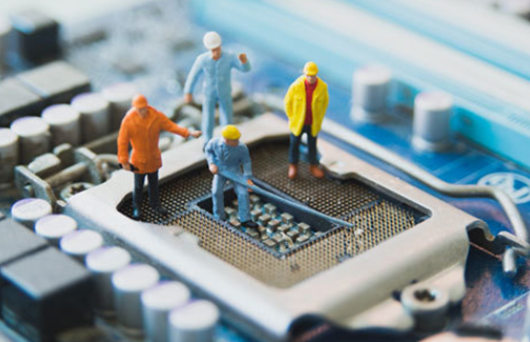
A perfect storm of surging demand and supply chain disruptions is roiling the global electronic components market, with advanced semiconductors and critical materials now…
Read More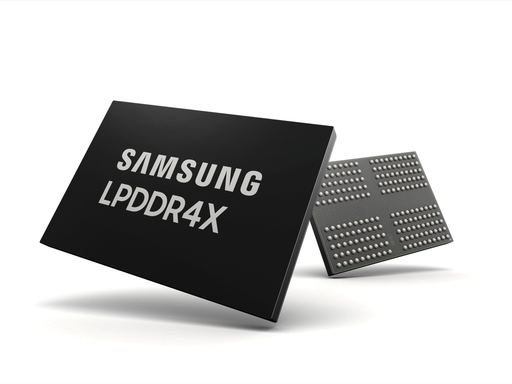
Samsung Electronics, the world's largest memory chip manufacturer, has officially confirmed the end-of-life (EOL) for its LPDDR4 and LPDDR4X low-power DRAM products, marking a…
Read More
Understand how a comparator switches at a voltage threshold, why hysteresis prevents chatter, and which output and input specs matter.
Read More
As the backbone of modern technology, electronic components are undergoing revolutionary changes, driven by advancements in materials science, miniaturization, and smart manufacturing. From ultra-efficient…
Read More
Understand hysteresis in electronics with worked 1.7 V upper and 1.3 V lower thresholds, see how positive feedback stops chatter, and size comparator resistors.
Read More
Compare variable capacitor types and varactor tuning. Understand capacitance-voltage curves, Q, bias and LC resonance before choosing a component.
Read More
Understand RF detector response, dynamic range and calibration. Compare envelope, logarithmic and RMS behavior before choosing a measurement component.
Read More
Recently, a survey by the Electronic Components Industry Association (ECIA) revealed that the sales sentiment of global electronic components remained optimistic in the third…
Read More
The activity of extra discounts on wholesale prices is in full swing…
Please fill in your contact information and we will send you the latest wholesale price list.

