 ChipApex | Global Electronic Components Supplier

SEARCH
Search Product
Search Post
Search productSearch post
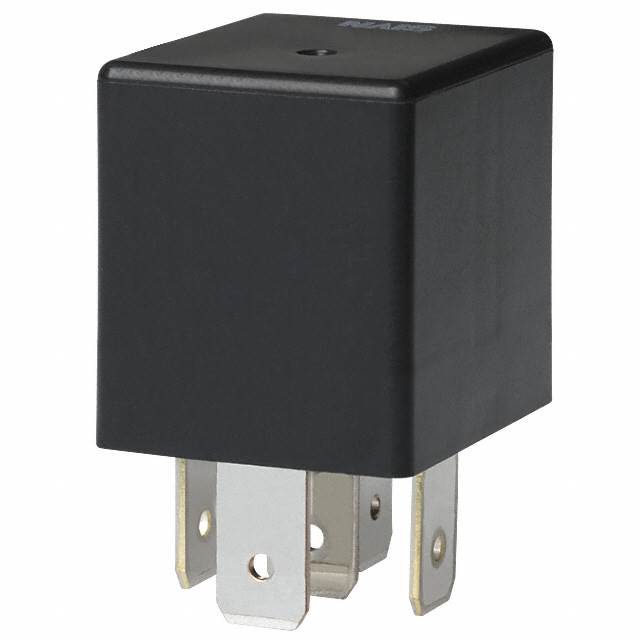
Automotive electromechanical relays are a specialized class designed to operate in temperature extremes, high vibration locations, and have gas and chemical ingress protection. Features may include built-in diodes or resistors, hermetic seals, flux protection or added dust and water ingress protection. Coil types are single or double latching or non latching DPST, SPDT, and SPST contact forms.
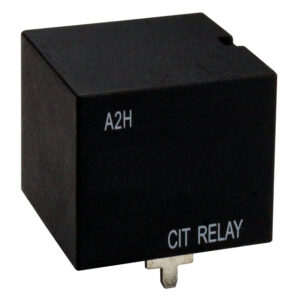 A2H1ASP12VDC1.6DView Product
 A171AS12VDC.96View Product
 CA1BFS-12V-C-5View Product
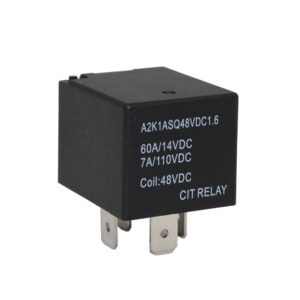 A2K1ASQ48VDC1.6View Product
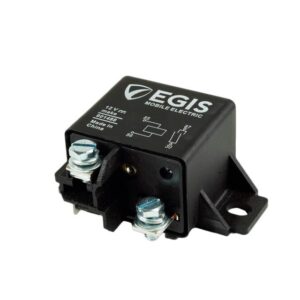 901488View Product
 PC782-1C-12S-D-XView Product
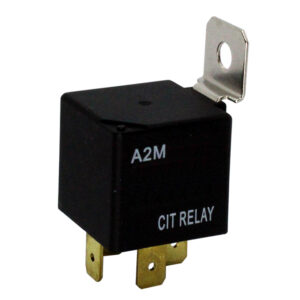 A2M1CCQ12VDC1.6RView Product
 CB1F-P-12VView Product
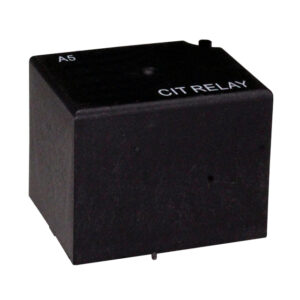 A51AS12VDC1.9UView Product
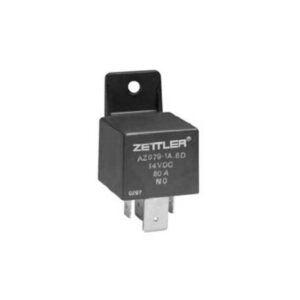 AZ979-1C-12DView ProductCB1AHF-T-M-12VView Product
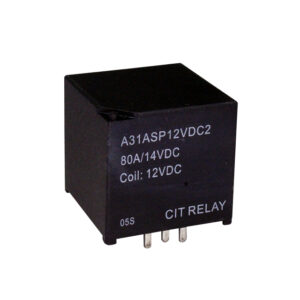 A31ASP12VDC2View Product
Learn how optical sensing works, compare detection methods, and select sensors by target surface, ambient light, response time and electrical interface.
Read More
Compare screw and spring terminal blocks. Check conductor range, ferrules, strip length, torque, pitch and DIN rail accessories before completing the BOM.
Read More
Compare linear and switching voltage regulators with a worked power-loss example and practical checks for dropout, load transients, ripple, heat and EMI.
Read More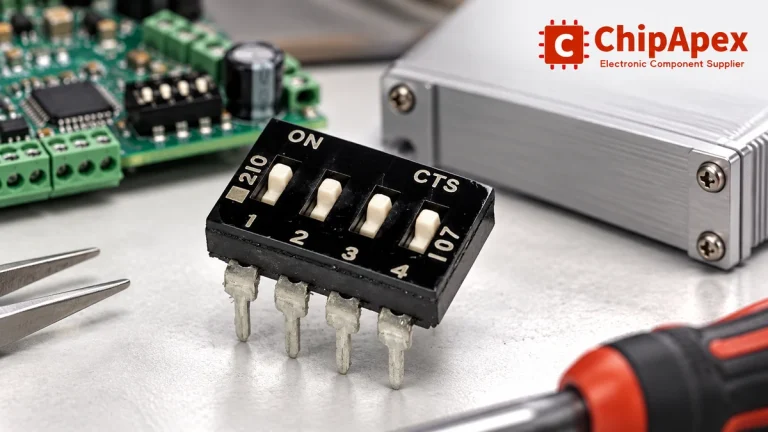
Choose a DIP switch by contact type, coded positions, footprint and signal ratings. Check logic polarity, assembly conditions and PCB configuration behavior.
Read More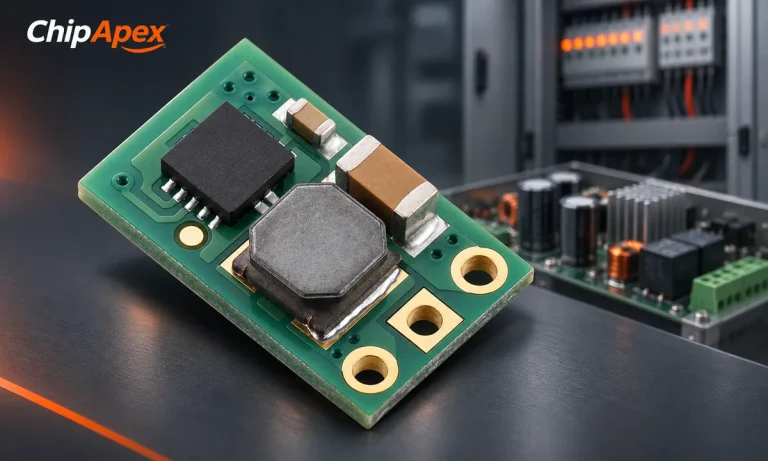
Select a DC-DC converter by input range, topology, isolation and temperature. Compare ripple, efficiency and load limits before choosing a component.
Read More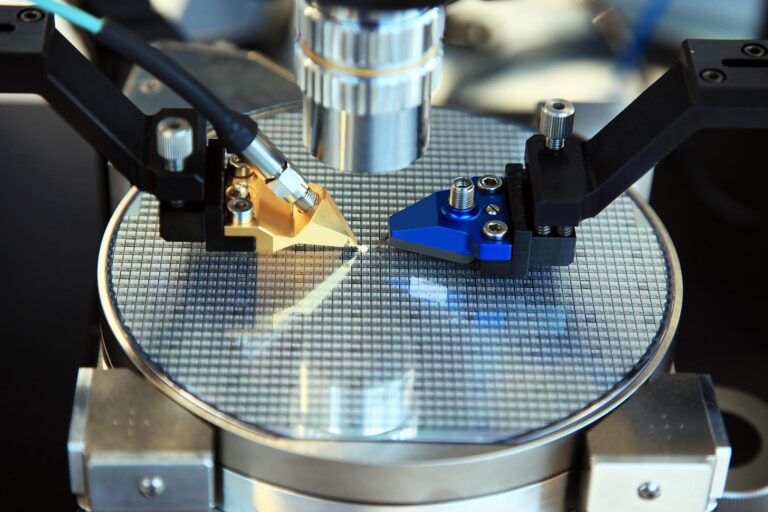
May 4, 2026 — The global power semiconductor market is grappling with a worsening supply crunch, as lead times for key components have extended…
Read More
Recently, the global electronic components market has been constantly evolving, and different regions and enterprises have witnessed new moves in aspects such as technological…
Read More
As the backbone of modern technology, electronic components are undergoing revolutionary changes, driven by advancements in materials science, miniaturization, and smart manufacturing. From ultra-efficient…
Read More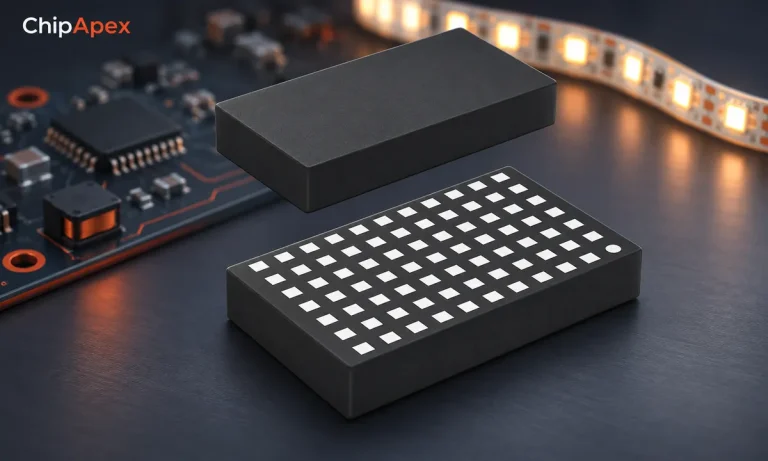
Choose LED drivers by current, string voltage, dimming and thermal limits. Understand constant-current operation and the checks needed for your load.
Read More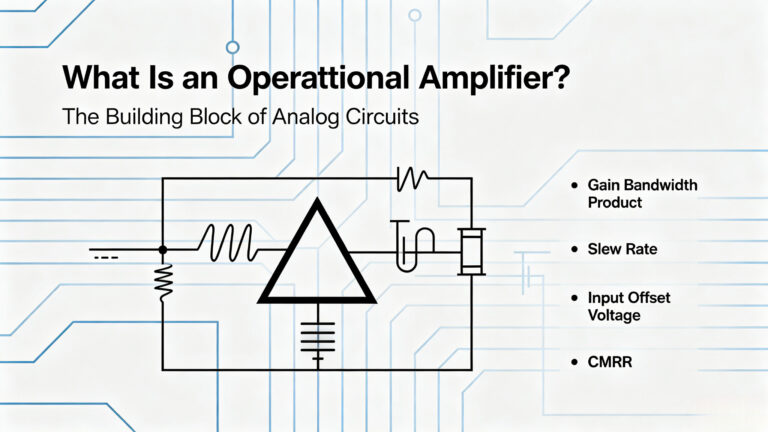
If you’ve spent any time staring at a schematic, you’ve seen the triangle. Two inputs, one output, and a gain symbol that looks deceptively…
Read More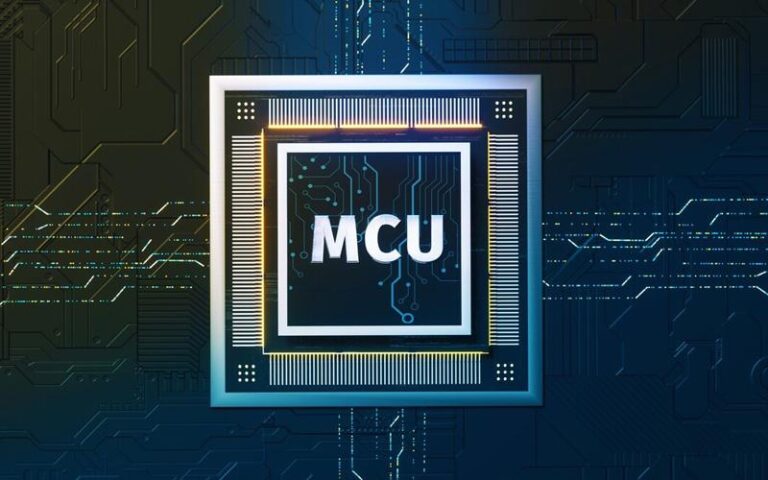
Selecting the right microcontroller (MCU) isn’t just about specs—it’s about balancing performance, power, cost, and supply chain reliability. As an engineer, you’ve probably faced…
Read More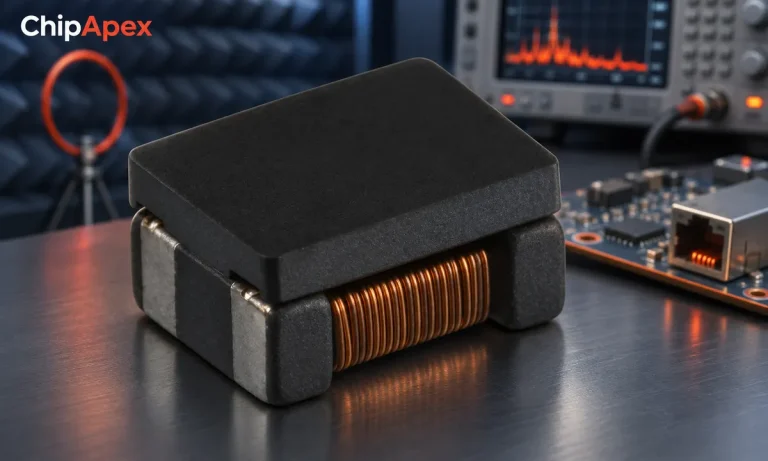
Select a common mode choke using noise frequency, current, insulation and signal integrity. Understand impedance curves, layout and filter limitations.
Read More
The activity of extra discounts on wholesale prices is in full swing…
Please fill in your contact information and we will send you the latest wholesale price list.

