 ChipApex | Global Electronic Components Supplier

SEARCH
Search Product
Search Post
Search productSearch post
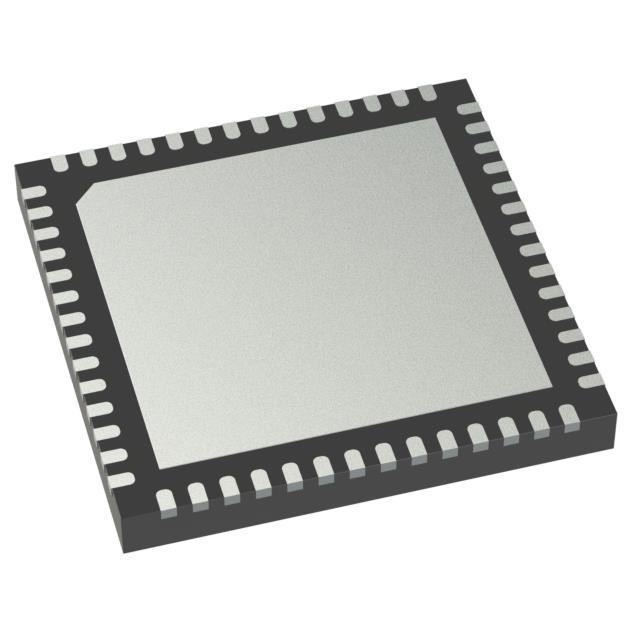
Power over Ethernet (PoE) controllers allow designers to transmit electrical current and data over a single Ethernet connection. Remote devices are powered through Ethernet cabling, eliminating the need for batteries, local power adaptors and additional power cabling. Bridge rectifier and N+1 O-Ring are two types of PoE controllers. Available features may include N and P-channel FETs, internal switches and automotive certification.
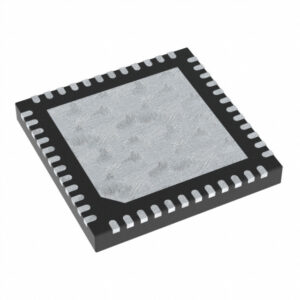 PD69108FILQ-TRView Product
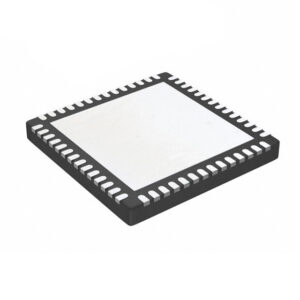 TPS23881ARTQTView Product
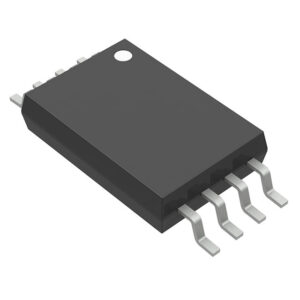 TPS2376PWG4View Product
 SI3472A-A01-IMRView Product
 LT4275AIDD#PBFView Product
 LTC4274IUHF#PBFView ProductLTC4274AIUHF-3#TRPBFView Product
 LTC4270CIUKG#PBFView Product
 MAX5935CAXView Product
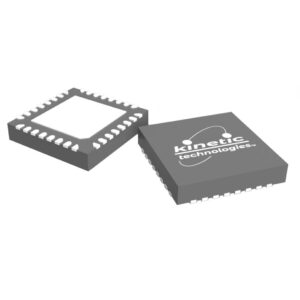 KTA1142EUAT-TBView ProductLT4293HDD#TRPBFView Product
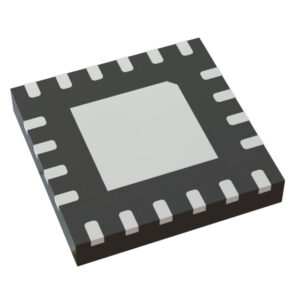 SI3402-A-GMRView Product
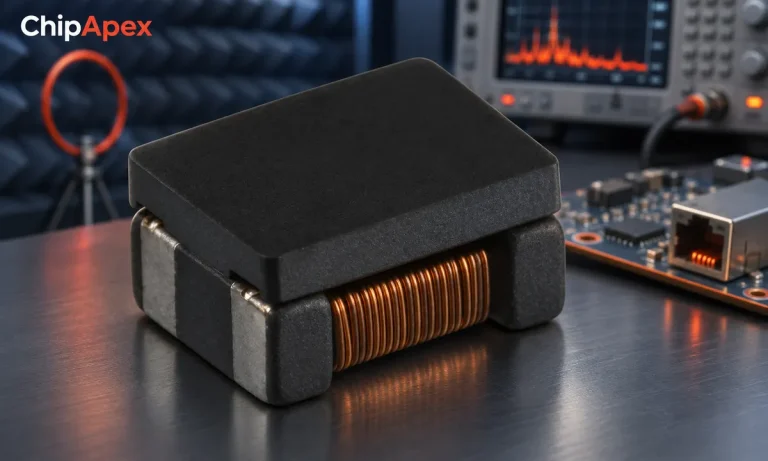
Select a common mode choke using noise frequency, current, insulation and signal integrity. Understand impedance curves, layout and filter limitations.
Read More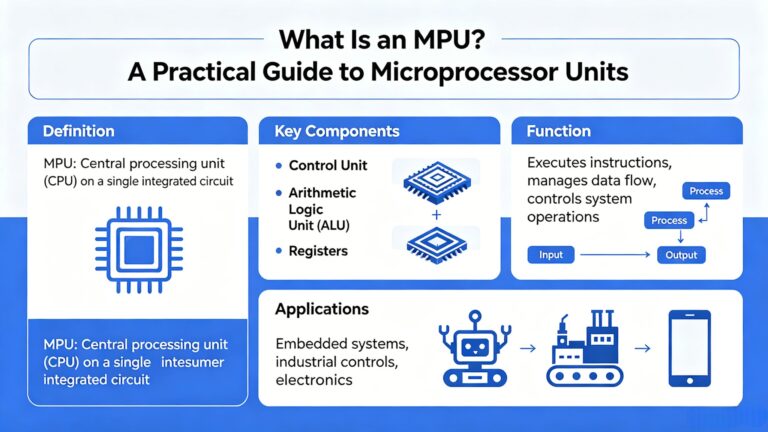
In embedded design, the tug-of-war between cost and performance is constant. On one side, you have Microcontrollers (MCUs)—cheap, simple, and efficient. On the other,…
Read More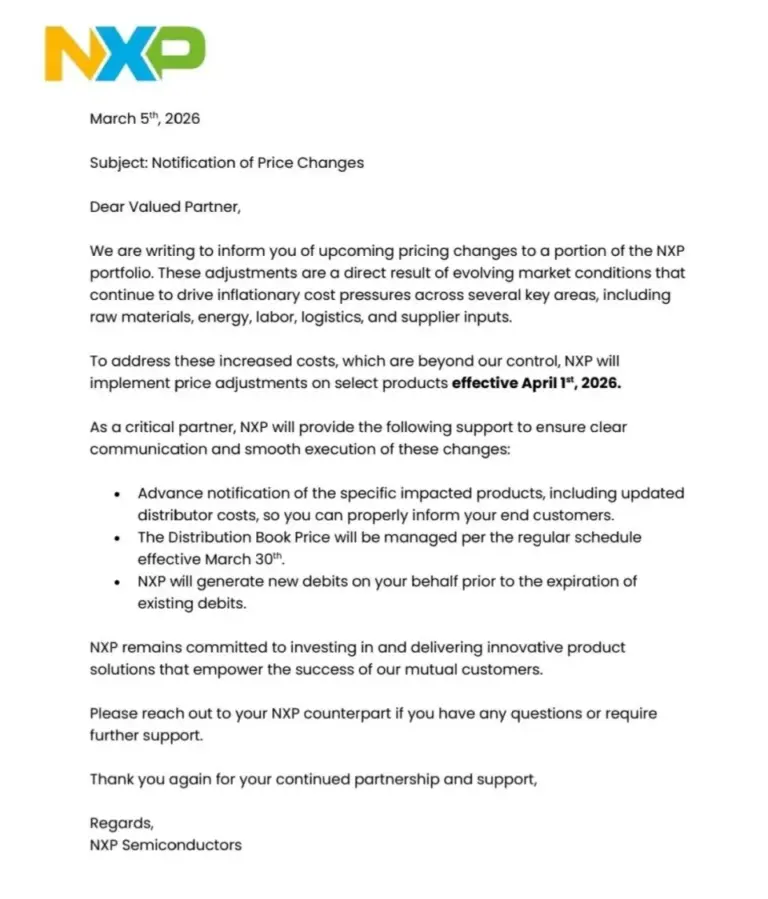
NXP Semiconductors (NASDAQ: NXPI), a global leader in automotive, industrial, and IoT semiconductors, has officially notified customers of an upcoming price adjustment for select…
Read More
PLANO, Texas – March 20, 2026 – Diodes Incorporated (Nasdaq: DIOD), a leading global manufacturer and supplier of high-quality application-specific standard products in the…
Read More
Recently, the global electronic components market has been constantly evolving, and different regions and enterprises have witnessed new moves in aspects such as technological…
Read More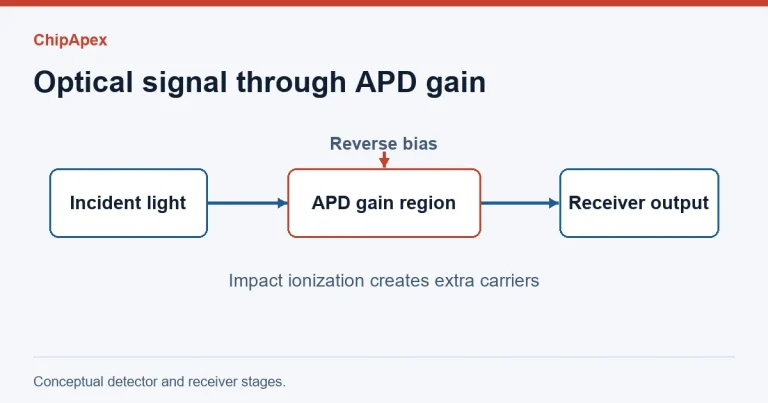
See how avalanche photodiodes multiply photocurrent and compare APD and PIN detectors by gain, noise, bias, bandwidth and operating temperature.
Read More
Hsinchu, Taiwan – April 18, 2026 – United Microelectronics Corporation (UMC, NYSE: UMC), a leading global semiconductor foundry specializing in mature process technologies, has…
Read More
Recently, a survey by the Electronic Components Industry Association (ECIA) revealed that the sales sentiment of global electronic components remained optimistic in the third…
Read More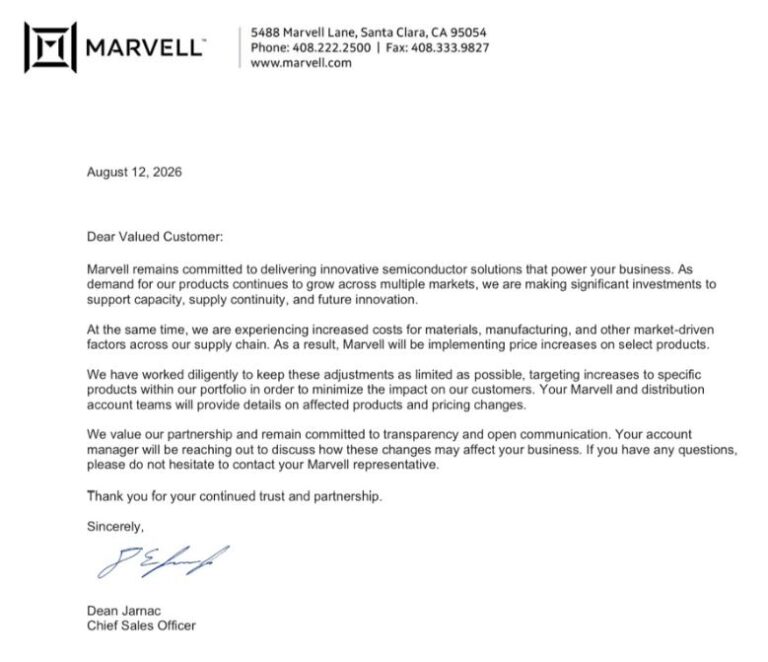
SANTA CLARA, Calif. — Leading semiconductor solution provider Marvell Technology (NASDAQ: MRVL) officially rolled out a selective price adjustment for its core electronic component…
Read More
ON Semiconductor (onsemi), a global leader in intelligent power and sensing technologies, has announced plans to implement price adjustments for select product lines, effective…
Read More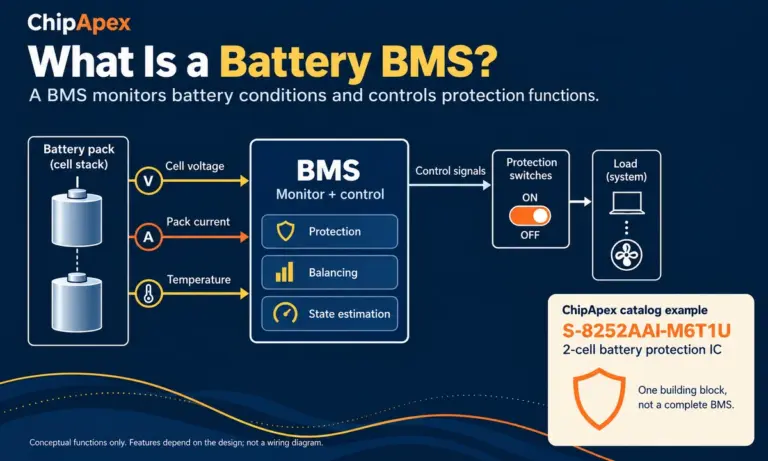
Learn what a battery BMS does, how protection differs from charging, and which pack specifications to check when sourcing BMS components through ChipApex.
Read More
Understand how an electric energy meter measures power and accumulates kWh. Review sensing, phase alignment, calibration and metering IC selection.
Read More
The activity of extra discounts on wholesale prices is in full swing…
Please fill in your contact information and we will send you the latest wholesale price list.

