 ChipApex | Global Electronic Components Supplier

SEARCH
Search Product
Search Post
Search productSearch post
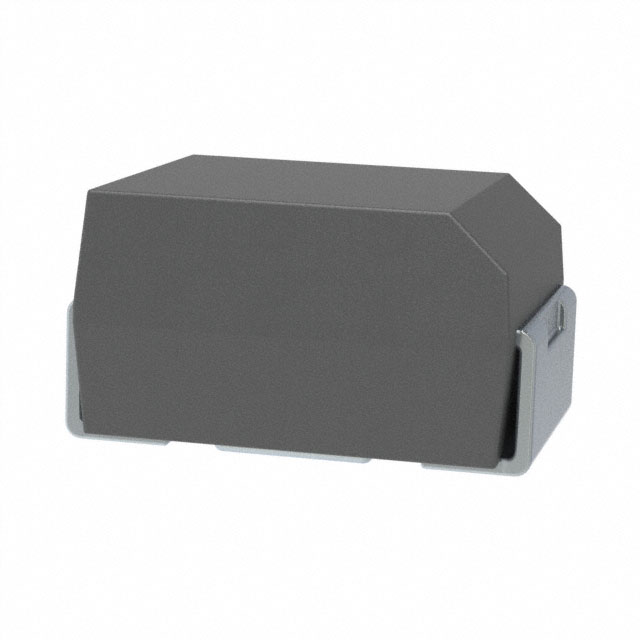
Tantalum polymer capacitors are a polarized capacitor type distinguished by their use of a conductive polymer anode material, instead of the manganese dioxide traditionally used for other dry tantalum devices. While their cost tends to be higher, they also generally exhibit better electrical performance compared to traditional Ta-MnO2 device construction, along with a more benign failure mode that simplifies application considerations.
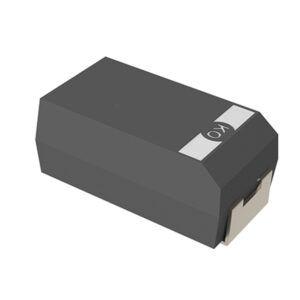 T520D337M004ATE0407280View Product
 T543Y477K004ATE005View Product
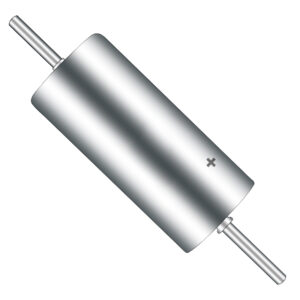 T551B127K040AT4251View Product
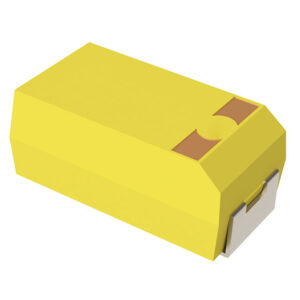 T541X107K0CT8510View Product
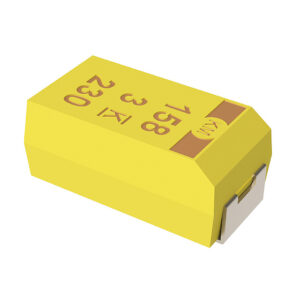 T540B336M006BH8510View Product
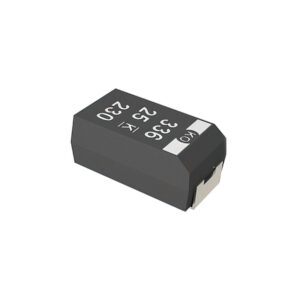 T520D476M016AHE0707706View Product
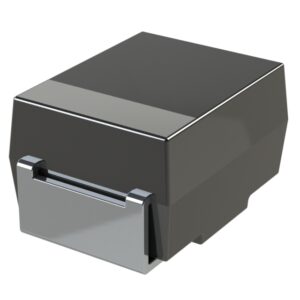 TCJB107M006R0070EView Product
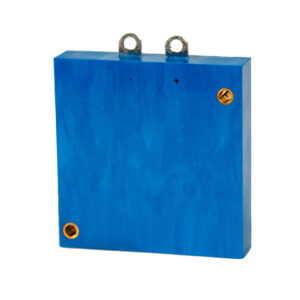 M551B347M030AAView Product
 T530X337M010ATE0042478View ProductT520C477M2R5ATE0257706View ProductT530X687M2R5ATE0067706View ProductT540D226K030BH8605View Product

Learn how a strip chart recorder turns analog spans into time traces, how chart speed and sampling rate expose spikes, and how to specify…
Read More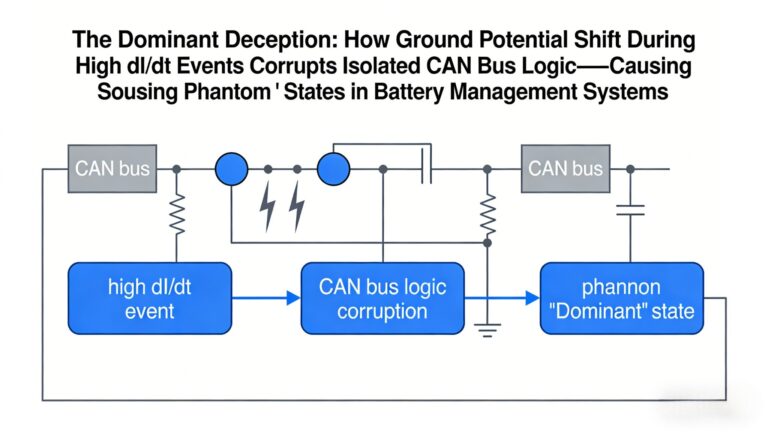
Stay ahead with ChipApex Insights — technical deep dives, market trends, and sourcing tips for memory, microcontrollers, power management, and industrial-grade components. Trusted by…
Read More
Identify a VGA DE-15 connector, check RGB, sync and DDC pin groups, and choose the right adapter direction for a legacy analog display or…
Read More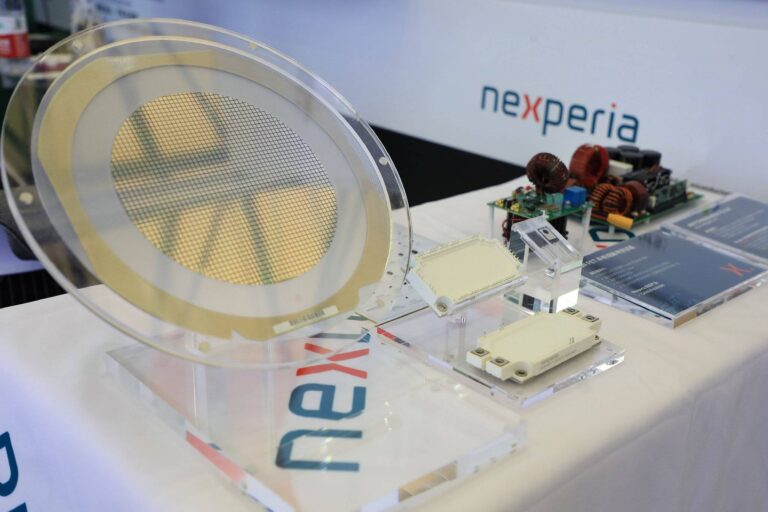
Dutch authorities announced on November 7 the lifting of control measures on Nexperia (formerly NXP Semiconductors' Standard Products division), marking the end of a…
Read More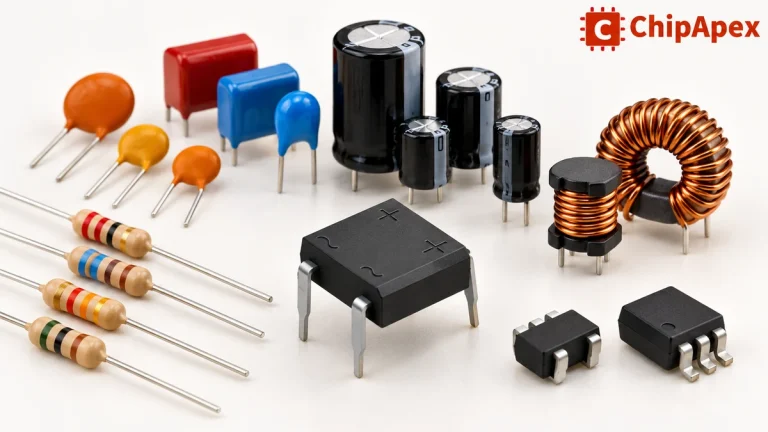
Explore electronic component types, functions, packages and datasheets. Learn selection, replacement and BOM checks before ordering parts for your PCB.
Read More
Understand hysteresis in electronics with worked 1.7 V upper and 1.3 V lower thresholds, see how positive feedback stops chatter, and size comparator resistors.
Read More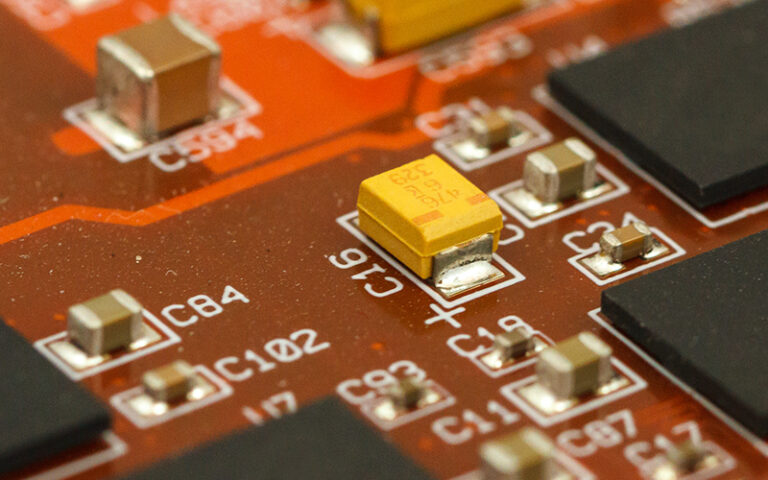
The global electronics industry is facing an escalating shortage of tantalum capacitors, a critical passive component, as surging demand from AI servers, automotive electronics,…
Read More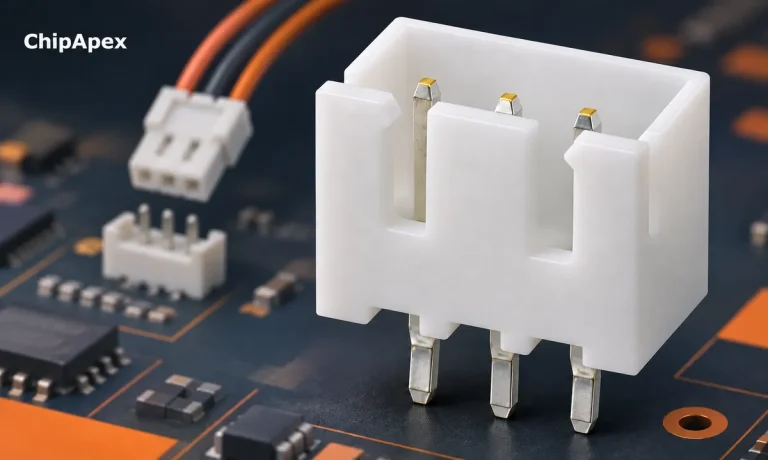
Choose a pin header by pitch, mating geometry, current rating and mounting. Learn why matching pin count and spacing does not guarantee compatibility.
Read More
Tokyo / Munich / Tessenderlo, December 24, 2025 As the global semiconductor industry enters the first year of the 2nm process era, international electronic…
Read More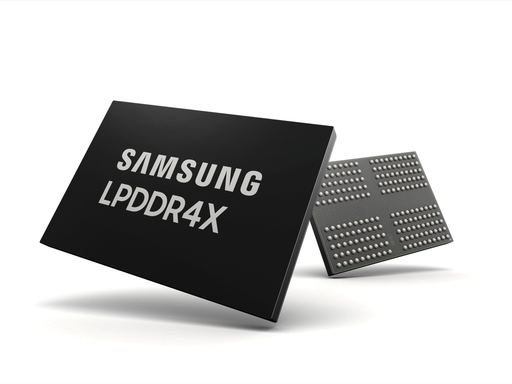
Samsung Electronics, the world's largest memory chip manufacturer, has officially confirmed the end-of-life (EOL) for its LPDDR4 and LPDDR4X low-power DRAM products, marking a…
Read More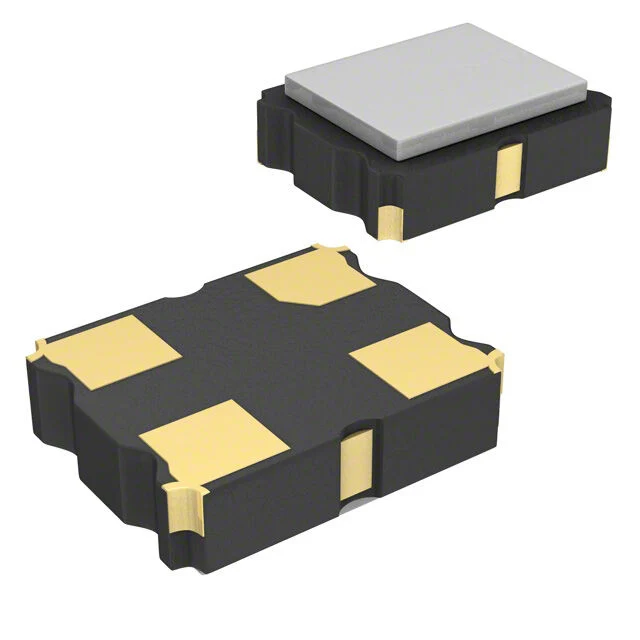
Calculate high-side and low-side local oscillator frequencies, locate the receiver image and check how much LO drive reaches the RF mixer input port.
Read More
Learn how an analog front end conditions sensor signals. Compare gain, noise, filtering, ADC settling and integration options before selecting components.
Read More
The activity of extra discounts on wholesale prices is in full swing…
Please fill in your contact information and we will send you the latest wholesale price list.

