ChipApex | Global Electronic Components Supplier

SEARCH
Search Product
Search Post
Search productSearch post

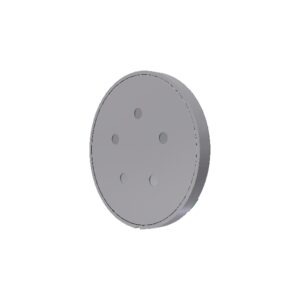
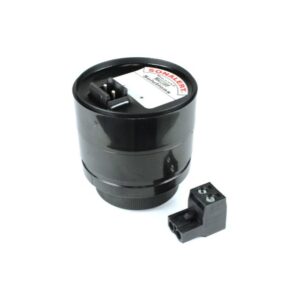
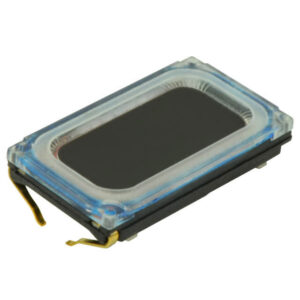
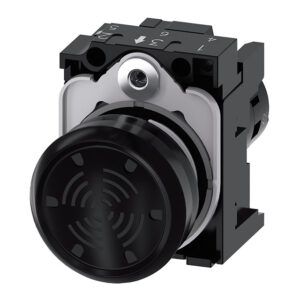
The Audio Products category encompasses various types of electroacoustic transducers--devices which change sound energy into an electrical signal and vice-versa. They are grouped according to their basic function, such as changing sound into an electrical signal (microphones), an electrical signal into sound (speakers), or an electric power source into some manner of noise (buzzers, sirens). Also included are related accessories for such products, such as gaskets and mounting hardware.
| Select products | Mfr | Description | Package | Supplier Device Package | Mounting Type | Series | Operating Temperature |
|---|---|---|---|---|---|---|---|
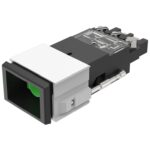 02-810.001 $67.01 | EAO | BUZZER - PNL MNT | Bulk | Panel Mount | 2 | - | |
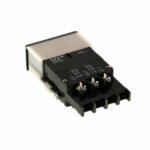 03-810.001 $104.69 | EAO | BUZZER - PNL MNT | Bulk | Panel Mount | 3 | - | |
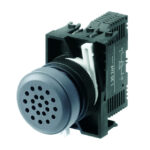 1.30.249.001/0000 $44.03 | RAFI USA | BUZZER PIEZO 24V 22.3MM CUSTOM | Bulk | Custom | RAFIX 22 QR | - | |
 1.30.249.002/0000 $43.43 | RAFI USA | BUZZER 12V 22.3MM PNL MNT | Bulk | Panel Mount | RAFIX 22 QR | - | |
| RAFI USA | BUZZER 24V 22.3MM PNL MNT | Bulk | Panel Mount | RAFIX 22 QR | - | ||
1000 $8.33 | Visaton GmbH & Co. KG | TW 6 NG 8 OHM | Retail Package | - | |||
1004 $10.06 | Visaton GmbH & Co. KG | DTW 72 8 OHM | Retail Package | - | |||
| Knowles | SPEAKER | Tray | - |
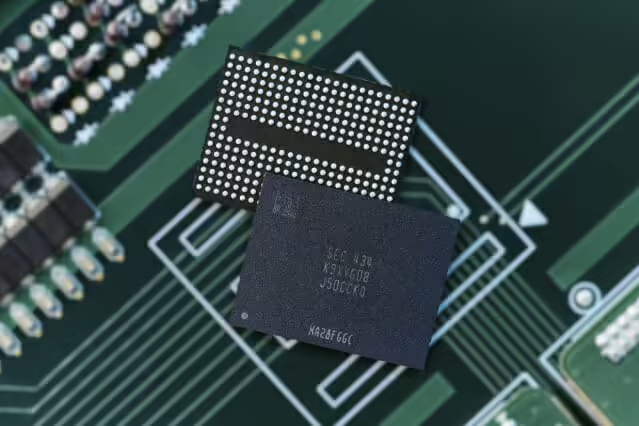
Recently, the global electronic component market has witnessed complex and changeable trends. In the memory chip sector, the wave of price increases continues to…
Read More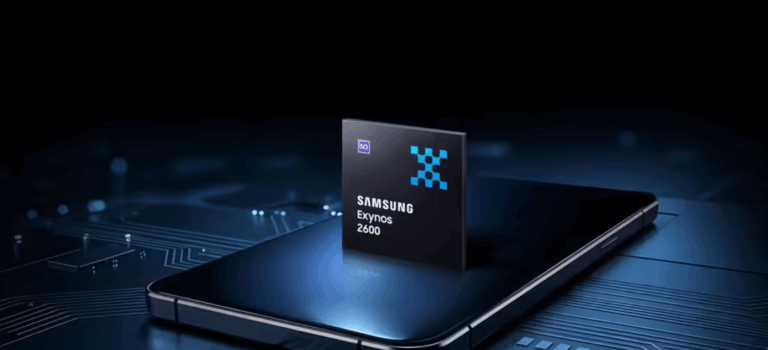
Tokyo / Munich / Tessenderlo, December 24, 2025 As the global semiconductor industry enters the first year of the 2nm process era, international electronic…
Read More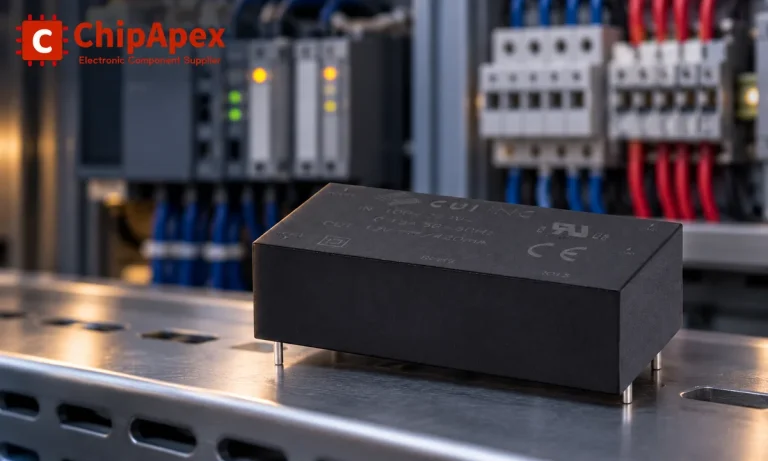
Choose an AC to DC converter by input range, output demand, isolation, efficiency and thermal derating. Compare architectures and check installation needs.
Read More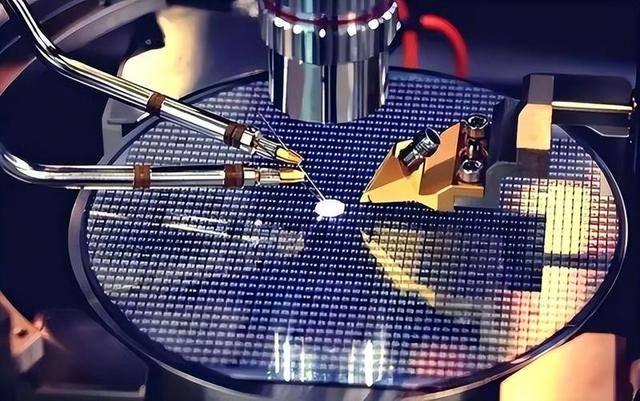
On September 22nd, it was reported that Samsung Electronics, the South Korean tech giant, had successfully passed NVIDIA's certification test for its 12-layer HBM3E…
Read More
Choose LED drivers by current, string voltage, dimming and thermal limits. Understand constant-current operation and the checks needed for your load.
Read More
Understand phototransistor operation, load-resistor selection, saturation and response time. Compare detector types and prepare component sourcing requirements.
Read More
A perfect storm of surging demand and supply chain disruptions is roiling the global electronic components market, with advanced semiconductors and critical materials now…
Read More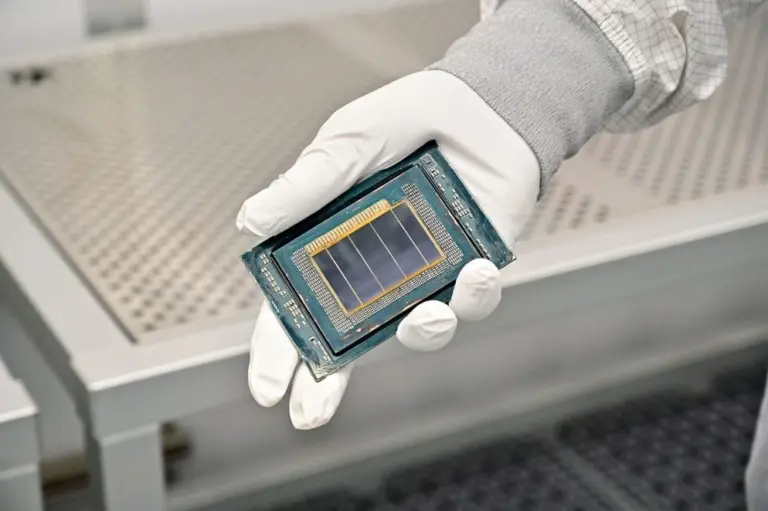
Recently, global semiconductor manufacturers have been constantly taking actions and presenting numerous new developments in aspects such as process technology and product research and…
Read More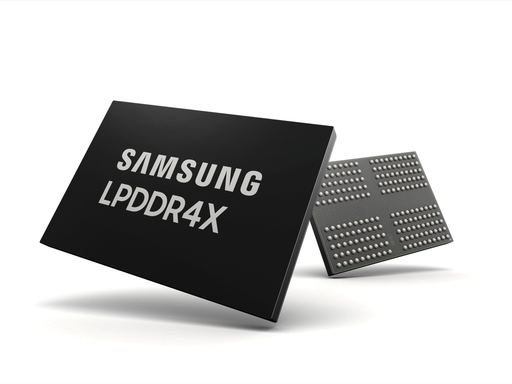
Samsung Electronics, the world's largest memory chip manufacturer, has officially confirmed the end-of-life (EOL) for its LPDDR4 and LPDDR4X low-power DRAM products, marking a…
Read More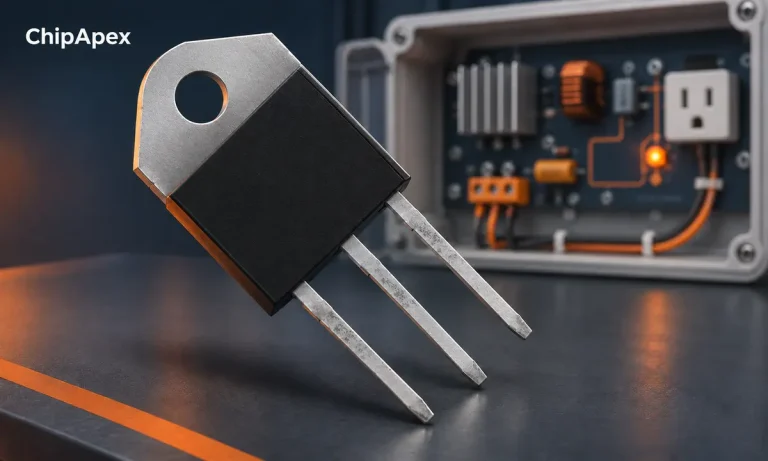
Learn how a TRIAC switches AC loads. Understand triggering, latching, holding current, phase control and thermal limits before choosing a component.
Read More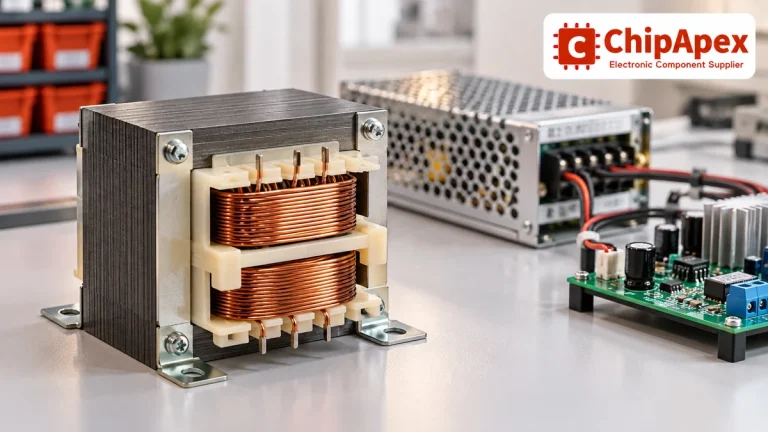
Select power transformers by input frequency, secondary VA, rectifier load, isolation, regulation and inrush. Build a clearer specification for your next RFQ.
Read More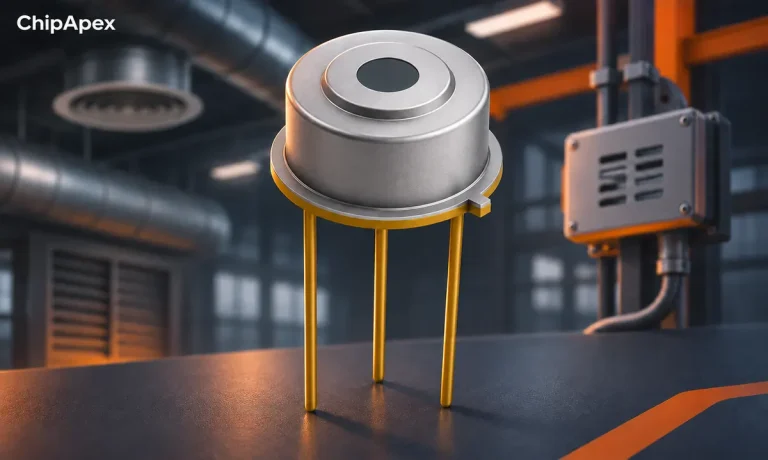
Compare gas sensor technologies, cross-sensitivity and calibration needs. Define the gas, range and environment before choosing a sensing component.
Read More
The activity of extra discounts on wholesale prices is in full swing…
Please fill in your contact information and we will send you the latest wholesale price list.