 ChipApex | Global Electronic Components Supplier

SEARCH
Search Product
Search Post
Search productSearch post
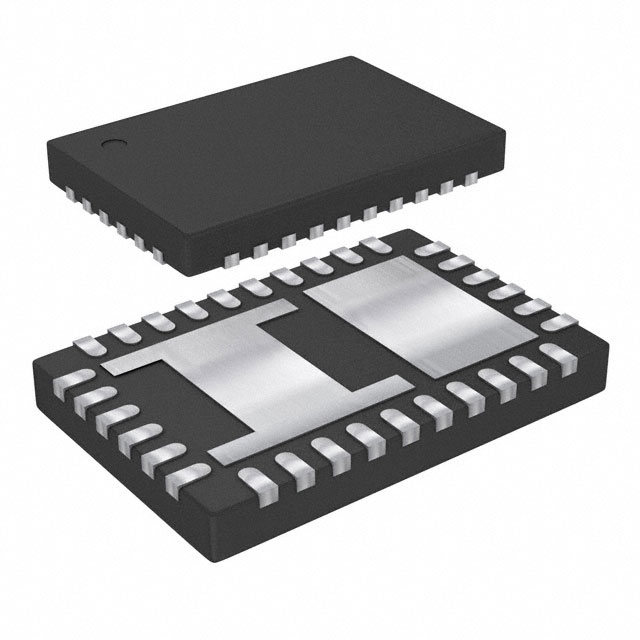
Energy metering integrated circuits are designed for high accuracy electrical energy measurement in single, dual, and three phase power line systems. They measure line voltage and current, and can calculate active, reactive, and apparent energy as well as instantaneous rms voltage and current.
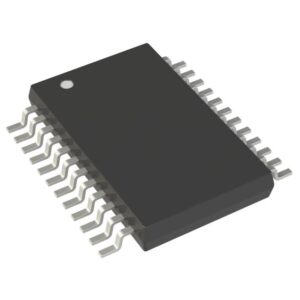 ADE7751ARSZRLView Product
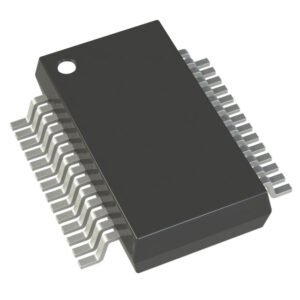 CS5464-ISZView Product
 ADSST-AVR-4016View Product
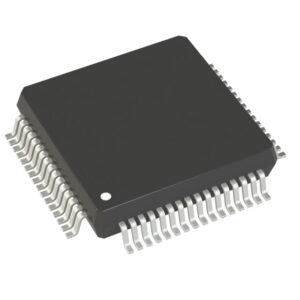 ADE7566ASTZF8View Product
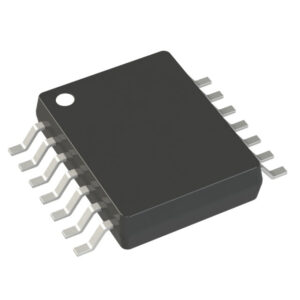 ADM1294-1AARUZ-RL7View Product
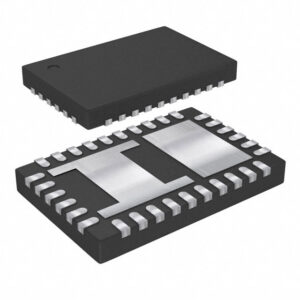 LTC2947IUFE#PBFView Product
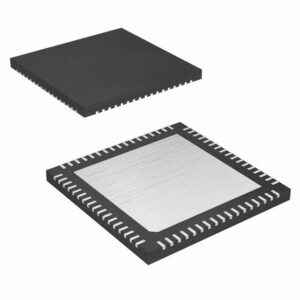 78M6618-IM/FView Product
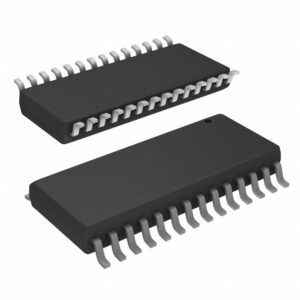 ATM90E25-YU-RView Product
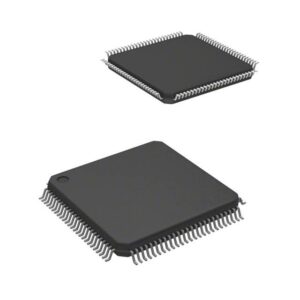 71M6543GHT-IGT/FView Product
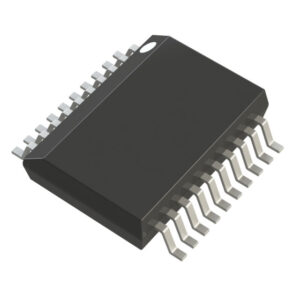 ADE7760ARSView Product
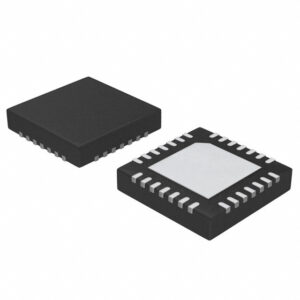 MCP3919A1-E/MQView Product71M6542F-IGTR/FView Product
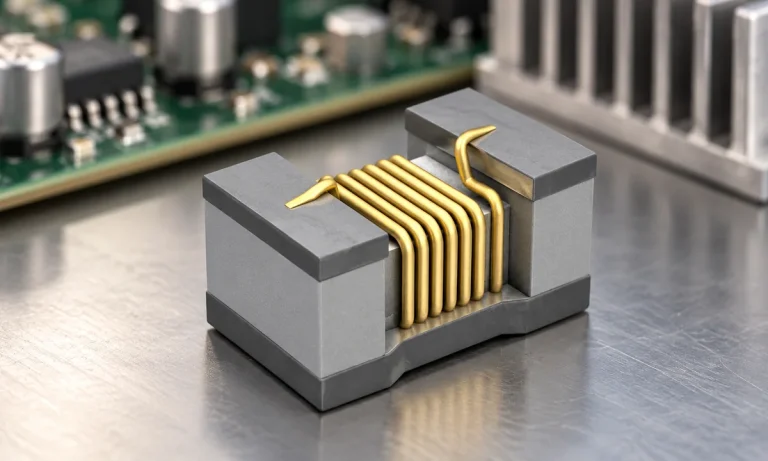
See when an inductor behaves linearly, how DC bias and saturation reduce inductance, and which current and temperature curves to check.
Read More
Hsinchu, Taiwan – April 18, 2026 – United Microelectronics Corporation (UMC, NYSE: UMC), a leading global semiconductor foundry specializing in mature process technologies, has…
Read More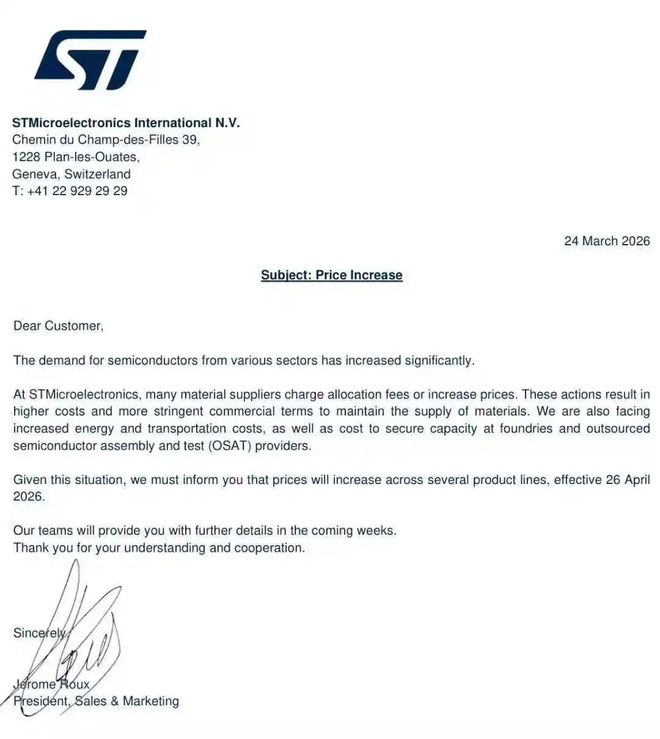
Geneva, Switzerland – March 25, 2026 – STMicroelectronics N.V. (NYSE: STM), a global semiconductor leader serving customers across the electronics applications spectrum, has announced…
Read More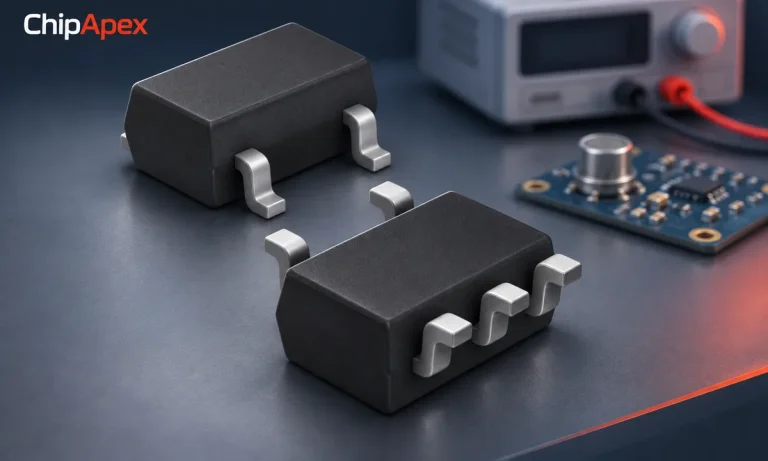
Understand how an LDO regulates voltage. Check dropout, noise, PSRR, output capacitors and heat before selecting a low-dropout regulator for your circuit.
Read More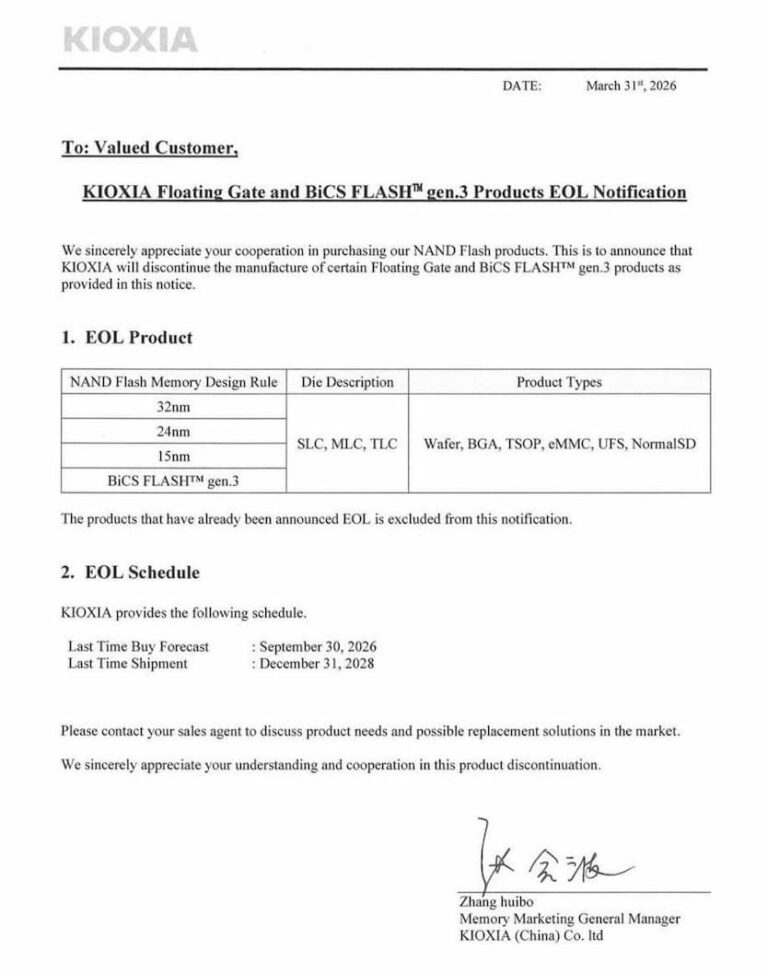
TOKYO, April 1, 2026 – Kioxia Corporation (formerly Toshiba Memory Corporation), a global leader in flash memory and storage solutions, has officially issued a…
Read More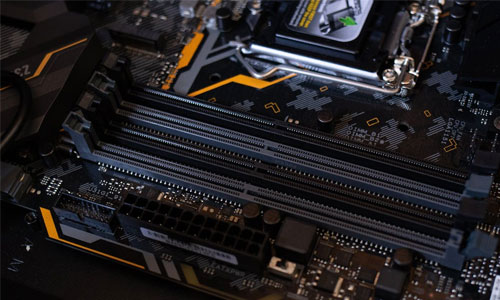
Embedded Integrated Circuit Modules: The Backbone of Modern Technology Embedded Integrated Circuit Modules (EICMs) have become an indispensable part of modern technology. Serving as…
Read More
Recently, global semiconductor manufacturers have been constantly making moves in aspects such as technological cooperation, product manufacturing processes, and market layout, demonstrating the rapid…
Read More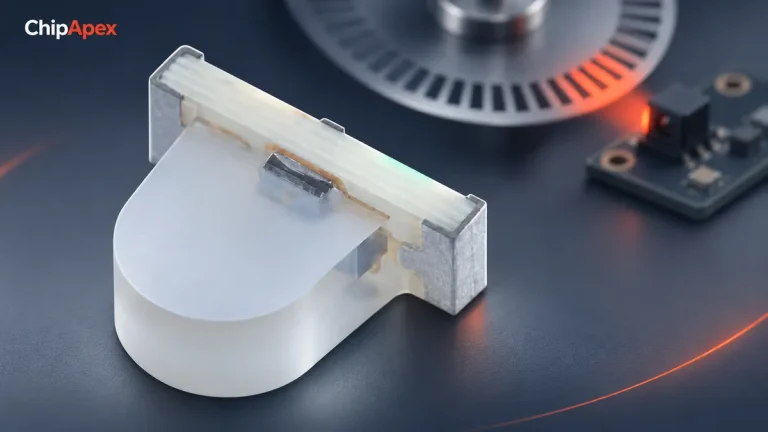
Understand phototransistor operation, load-resistor selection, saturation and response time. Compare detector types and prepare component sourcing requirements.
Read More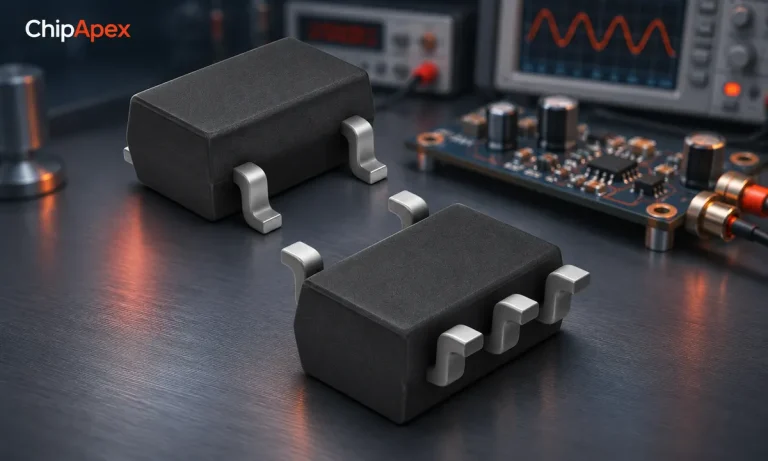
Learn how a JFET works and how to compare bias, leakage, noise and pinout. Review practical selection questions for high-impedance analog circuits.
Read More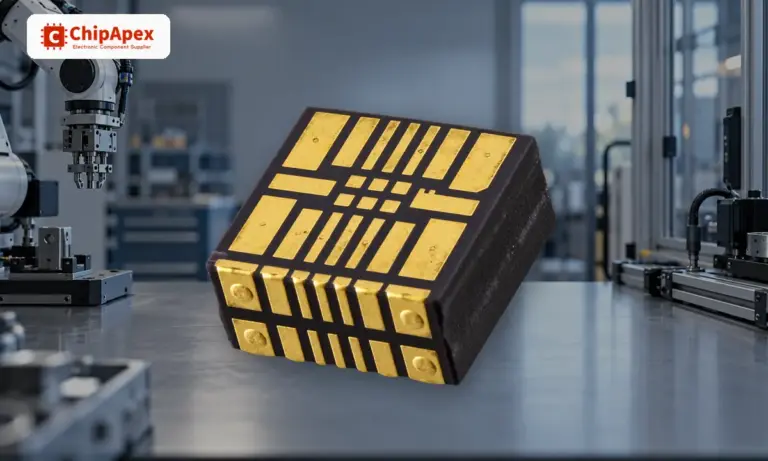
See how a MEMS gyroscope measures angular rate, why its angle estimate drifts, and which range, noise, interface and temperature specs to compare.
Read More
ChipApex – May 8, 2026 Texas Instruments (TI), the global leader in analog and embedded semiconductors, has officially notified customers of an upcoming company-wide…
Read More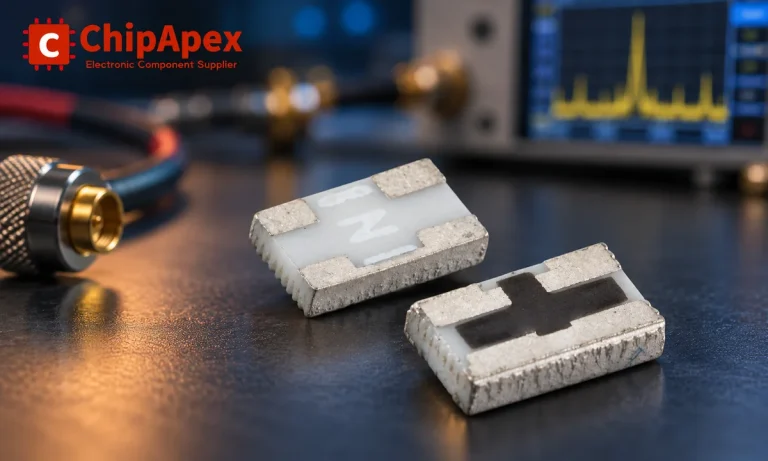
Understand RF attenuator dB values, fixed and programmable types, impedance, power limits and noise tradeoffs before choosing parts for an RF signal path.
Read More
The activity of extra discounts on wholesale prices is in full swing…
Please fill in your contact information and we will send you the latest wholesale price list.

