 ChipApex | Global Electronic Components Supplier

SEARCH
Search Product
Search Post
Search productSearch post
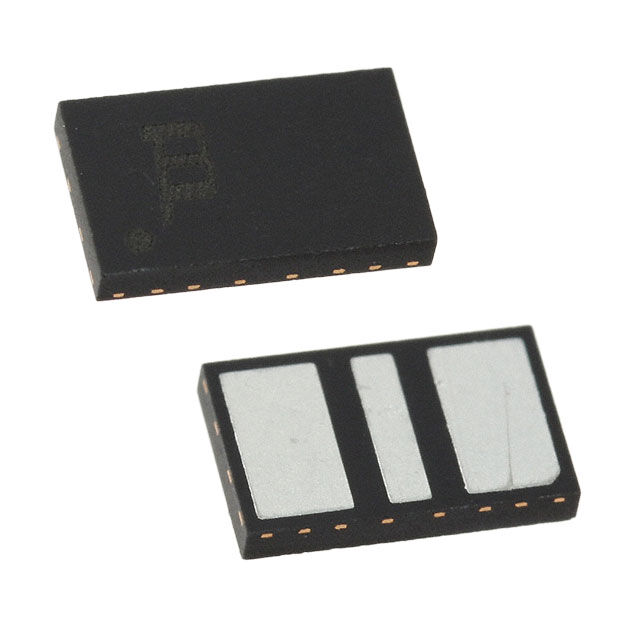
Surge Suppression ICs are designed to keep electrical devices safe from excess voltage and/or current. Components in this family are designed using semiconductor materials. The characteristics are clamping voltage, technology, number of circuits, applications, and mounting type. The technologies are external or internal switch with the number of circuits being 1, 2, 3, or 4. Target applications are automotive, Ethernet, general purpose, portable equipment, SLIC, USB, USB OTG, and others.
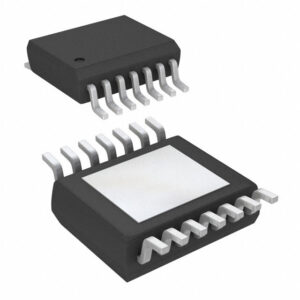 MAX14573EUD+View Product
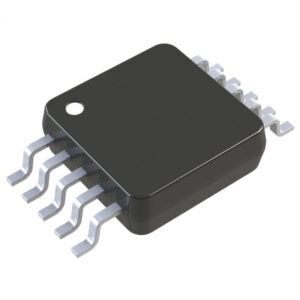 LT4356CMS-3#PBFView Product
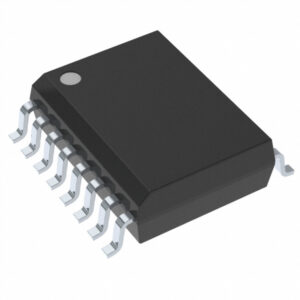 TPD3S716QDBQRQ1View Product
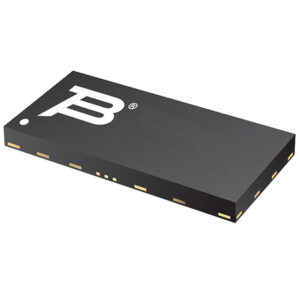 P850-G120-WHXView ProductLTC4380HMS-4#PBFView Product
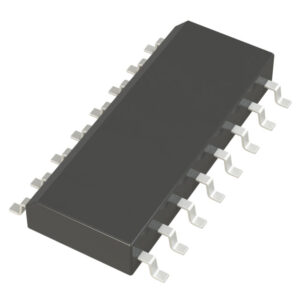 LTC4364IS-1#TRPBFView ProductLTC4380CMS-3#PBFView Product
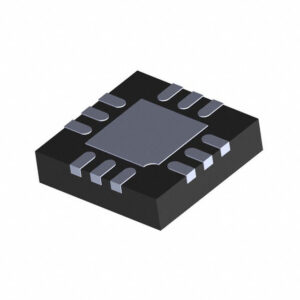 TCPP01-M12View Product
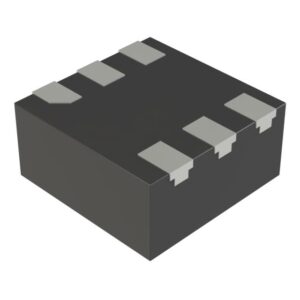 TDS2211P.CView ProductLT4356CMS-1#TRPBFView Product
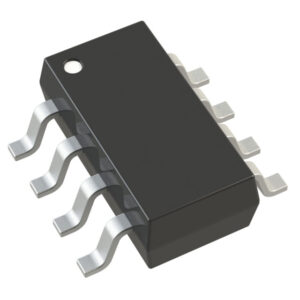 LTC4366CTS8-1#TRMPBFView Product
 RCLAMP01231ZCFTView Product
Choose an ADC converter by resolution, sample rate, noise and input design. Review practical tradeoffs and prepare component requirements for ChipApex.
Read More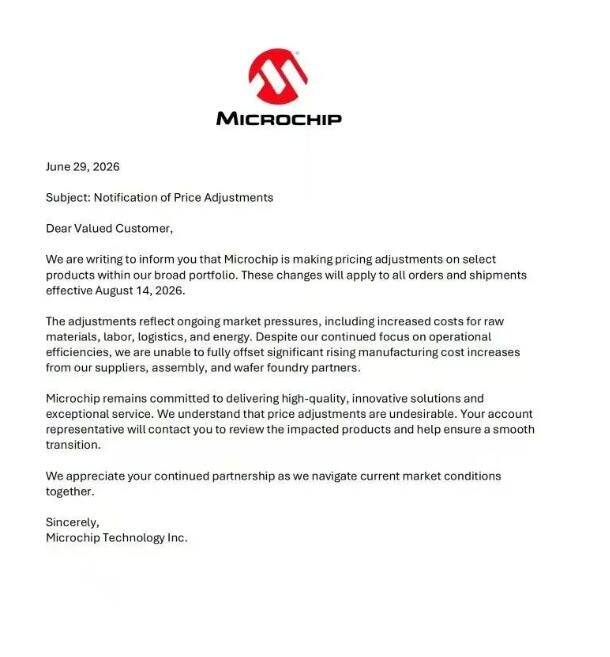
Tempe, Arizona‑based semiconductor giant Microchip Technology has formally rolled out selective product price increases across its MCU, power‑management IC, memory controller and analog component…
Read More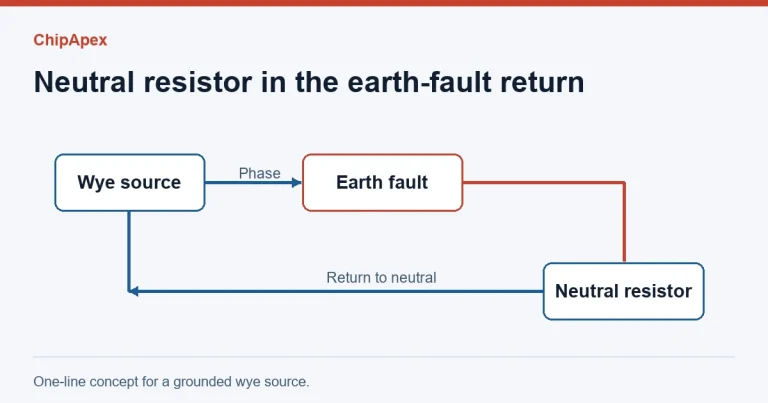
Learn how neutral earthing resistors limit fault current, estimate resistance from phase voltage, and specify voltage, current, duration and protection.
Read More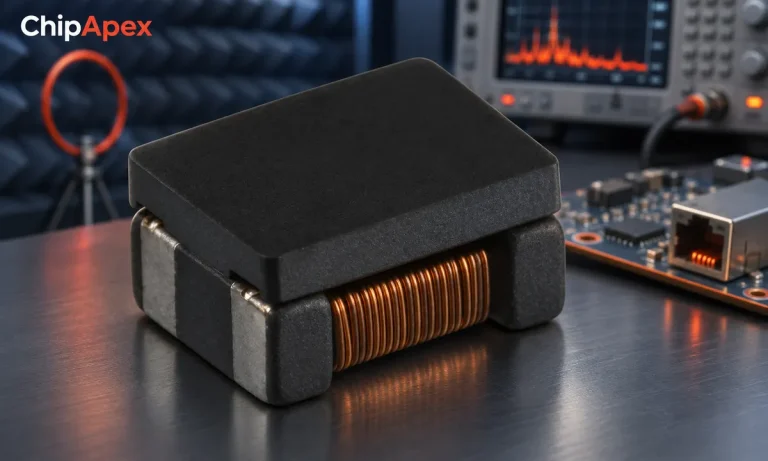
Select a common mode choke using noise frequency, current, insulation and signal integrity. Understand impedance curves, layout and filter limitations.
Read More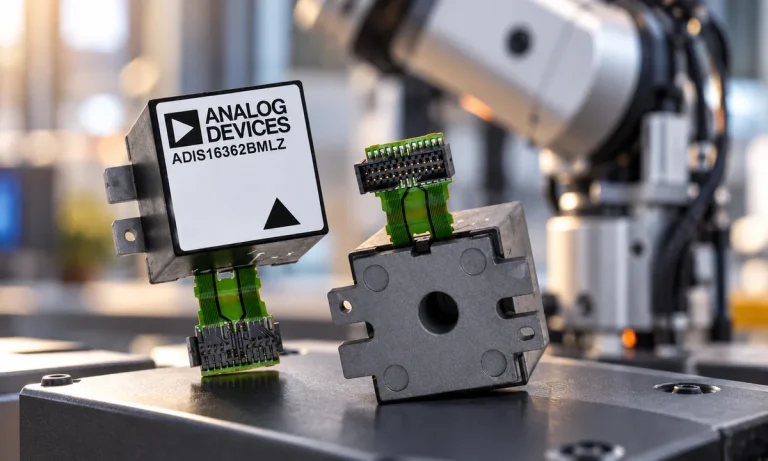
Learn what an IMU measures, how accelerometers and gyroscopes work together, why orientation estimates drift, and what to compare.
Read More
Compare linear and switching voltage regulators with a worked power-loss example and practical checks for dropout, load transients, ripple, heat and EMI.
Read More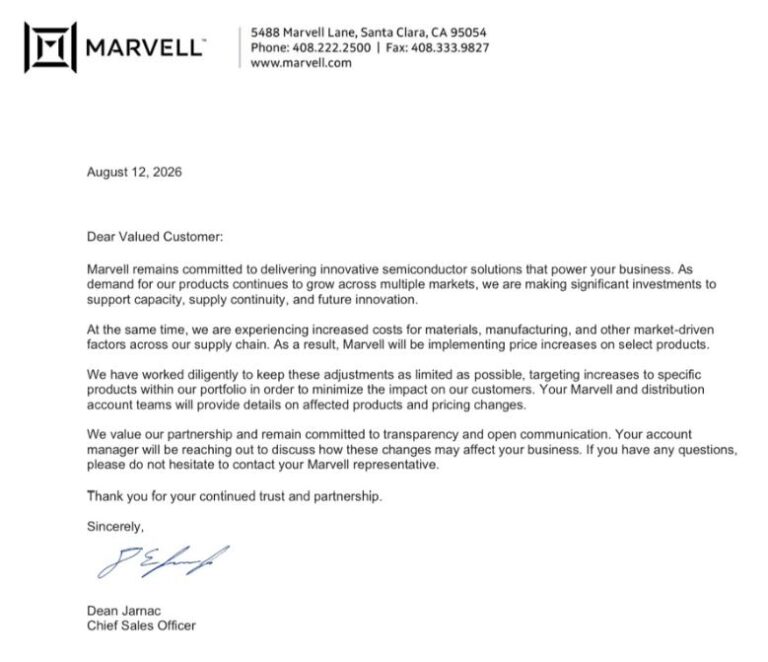
SANTA CLARA, Calif. — Leading semiconductor solution provider Marvell Technology (NASDAQ: MRVL) officially rolled out a selective price adjustment for its core electronic component…
Read More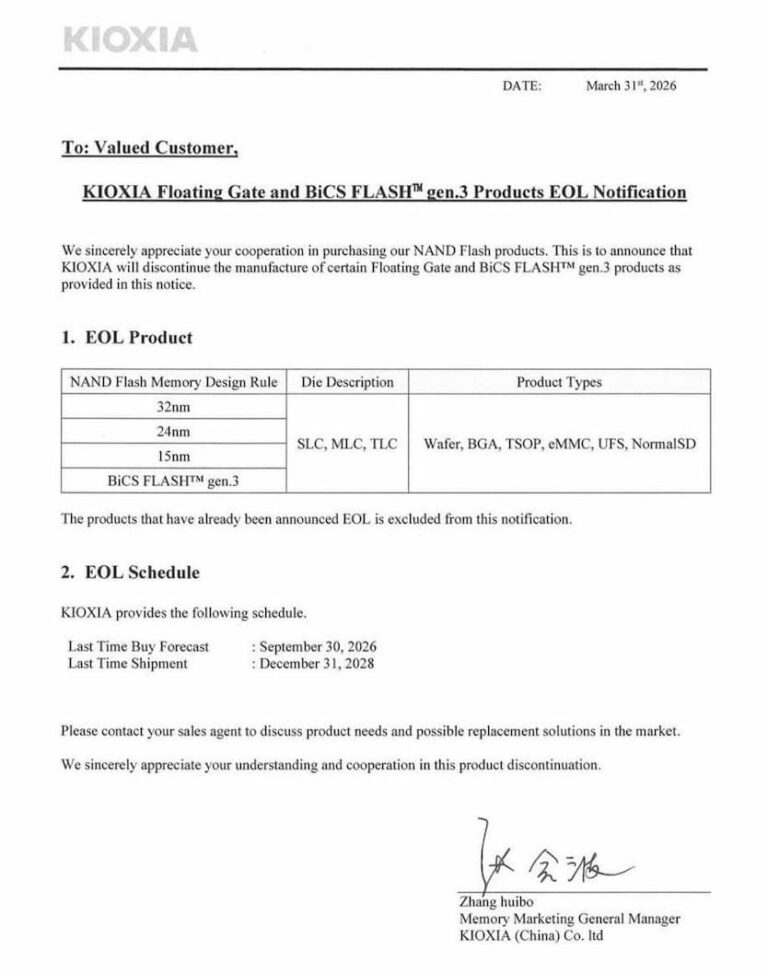
TOKYO, April 1, 2026 – Kioxia Corporation (formerly Toshiba Memory Corporation), a global leader in flash memory and storage solutions, has officially issued a…
Read More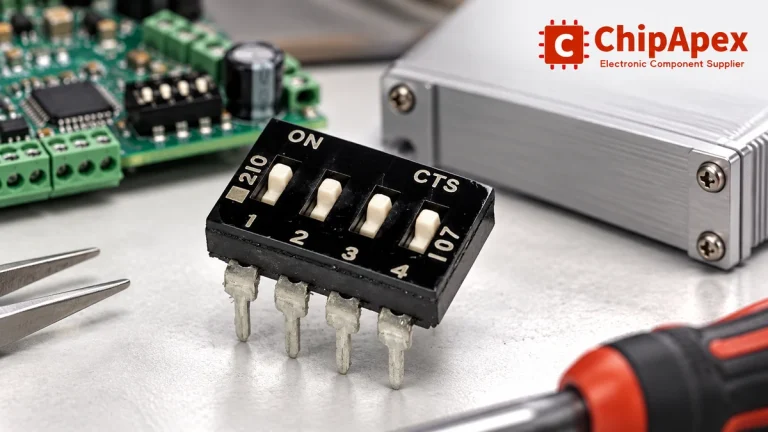
Choose a DIP switch by contact type, coded positions, footprint and signal ratings. Check logic polarity, assembly conditions and PCB configuration behavior.
Read More
The Dutch government’s intervention in the control of Nexperia (Anshi Semiconductor) is triggering a chain reaction of turmoil in the global power semiconductor market.…
Read More
Embedded Integrated Circuit Modules: The Backbone of Modern Technology Embedded Integrated Circuit Modules (EICMs) have become an indispensable part of modern technology. Serving as…
Read More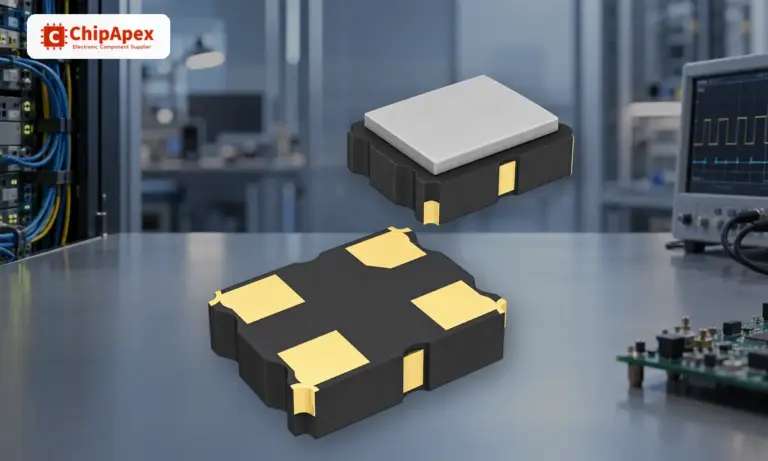
Understand how oscillators generate timing signals, how they differ from crystals, and which frequency, output and stability specs matter when choosing one.
Read More
The activity of extra discounts on wholesale prices is in full swing…
Please fill in your contact information and we will send you the latest wholesale price list.

