 ChipApex | Global Electronic Components Supplier

SEARCH
Search Product
Search Post
Search productSearch post
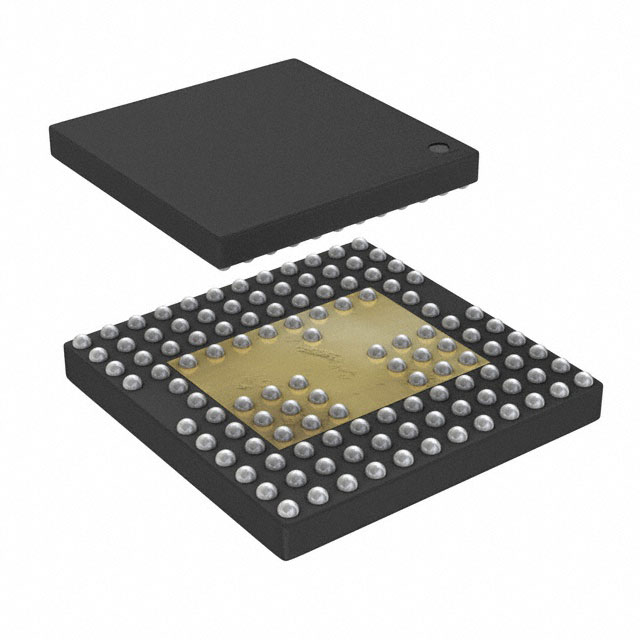
Specialized Sensors are devices designed for specific requirements or for niche applications. The sensor types are accelerometer, gyroscope, magnetometer, pressure, temperature, humidity, light, air quality monitor, analog-to-frequency converter, anemometer, battery sensor, biometric, bubble detector, button press, camshaft, capacitive, contact sensor, depth gauge, dry contact sensor, fingerprint, force sensing, gas, geiger tube, infrared, joystick, and laser power, among others.
 1082452View Product
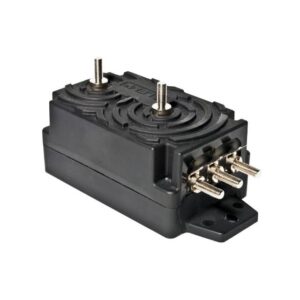 DVL 1500-UIView Product
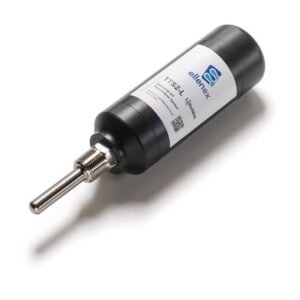 TTS2-L-US2-A-A-C3-H-B-S-EView ProductES1-LP10-PView ProductWCS3B-LS211View Product
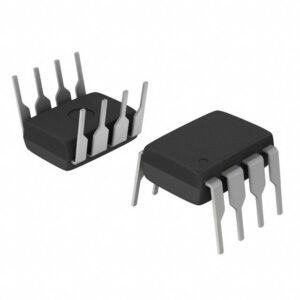 TSL201RLFView ProductTTS2-L-EU-A-A-C3-H-B-S-EView Product
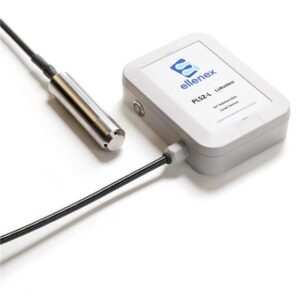 PLS2-L-AU1-A-10M-U-S-C5-S-EView Product
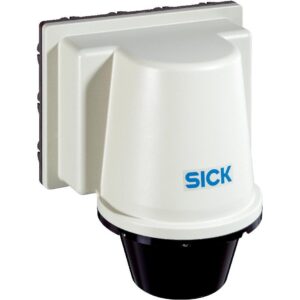 1067186View Product
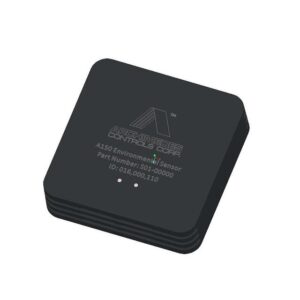 ACC-S01-00000-DSTView Product
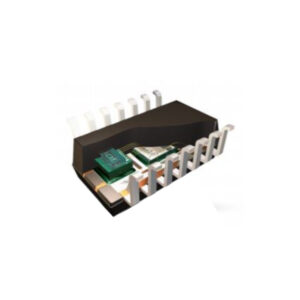 SP370231560XTMA1View Product
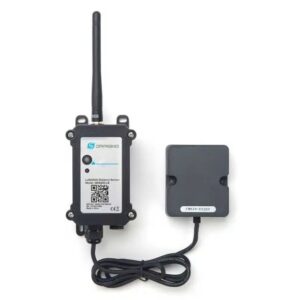 MDS200-LS-US915View Product

TOKYO, July 31, 2026 — Renesas Electronics Corporation has officially announced a major domestic manufacturing restructuring, confirming plans to gradually discontinue all wafer fabrication…
Read More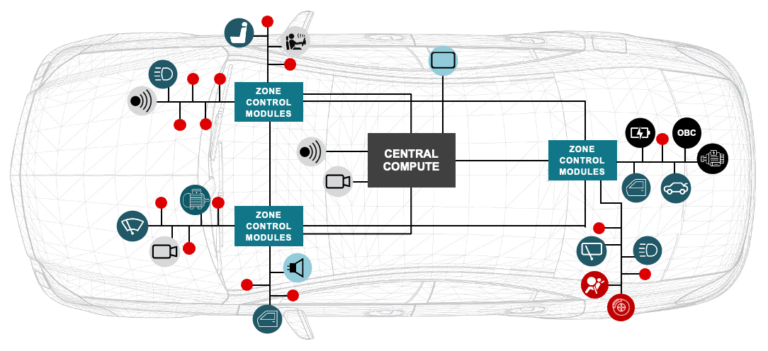
Las Vegas, January 6, 2026 — At the Consumer Electronics Show (CES) 2026, Texas Instruments (TI) (NASDAQ: TXN) announced a suite of next-generation semiconductor…
Read More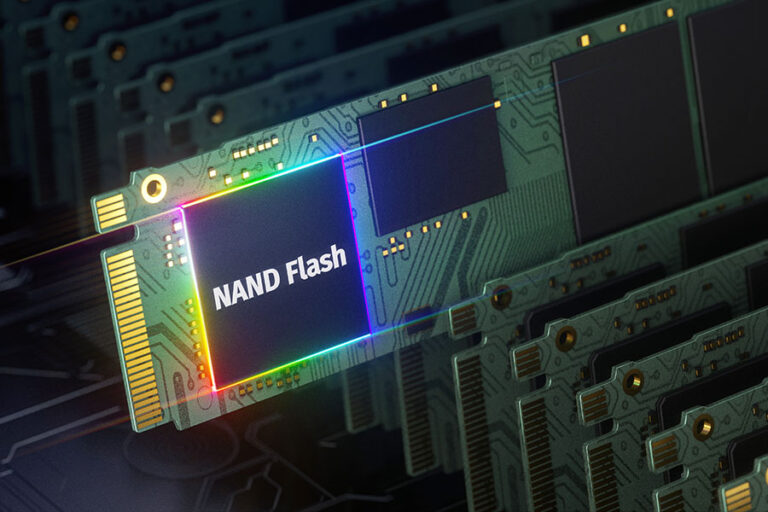
What Is NAND Flash? A Practical Guide for Engineers & Procurement Teams In today’s data-driven world—from smartphones and SSDs to industrial IoT devices—NAND flash…
Read More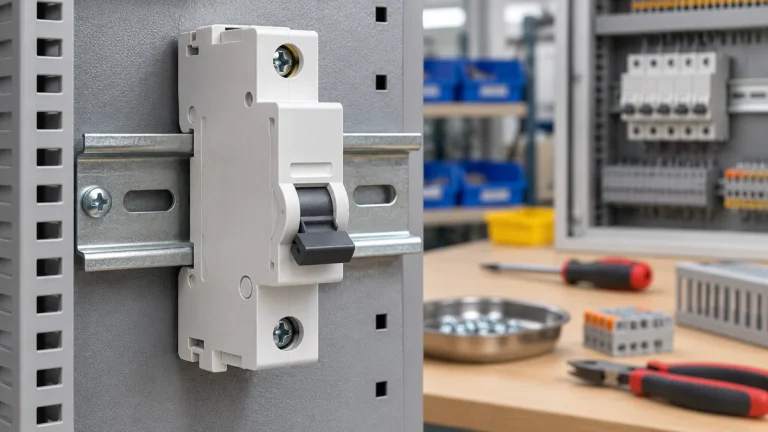
Choose a miniature circuit breaker for a control panel. Compare trip curves, startup duration, interrupting capacity and branch protection requirements.
Read More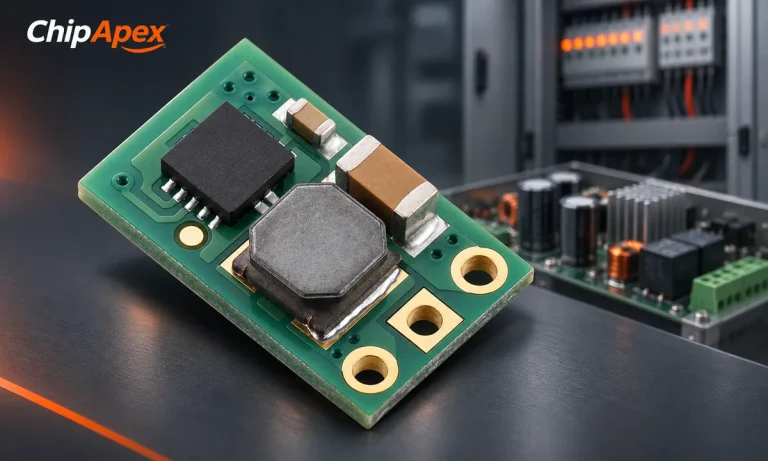
Select a DC-DC converter by input range, topology, isolation and temperature. Compare ripple, efficiency and load limits before choosing a component.
Read More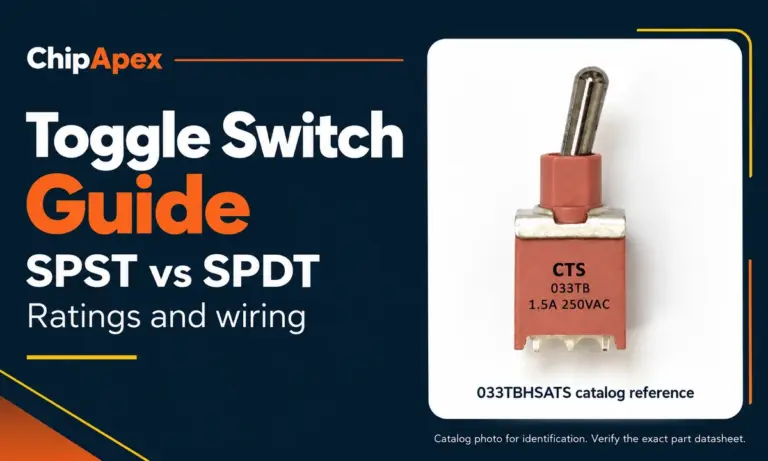
Compare SPST and SPDT toggle switches, understand AC/DC ratings, and follow wiring examples. Check contact action, mounting and parts in the ChipApex catalog.
Read More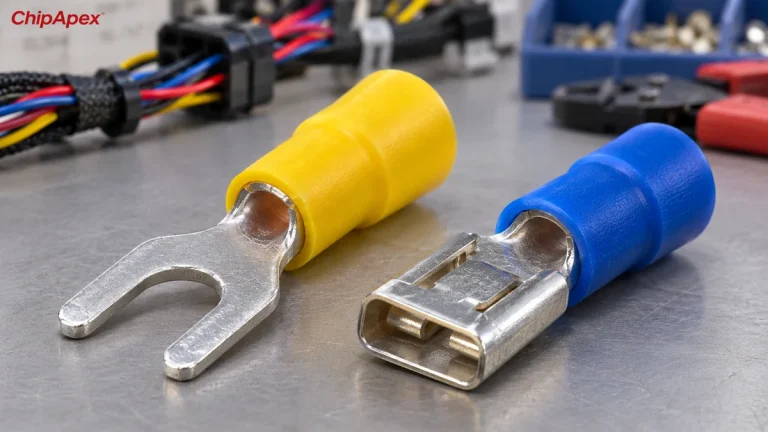
Identify fork terminals and flat-blade spade connectors. Match wire size, tab thickness, insulation and crimp tooling before selecting a replacement.
Read More
Manchester, New Hampshire, USA – March 22, 2026 – Allegro MicroSystems, Inc. (Nasdaq: ALGM), a global leader in high-performance power and sensing semiconductor solutions…
Read More
Learn how logic gates work, read AND, NAND and XOR truth tables, and choose a gate IC by input thresholds, output levels, propagation delay…
Read More
Hsinchu, Taiwan – April 18, 2026 – United Microelectronics Corporation (UMC, NYSE: UMC), a leading global semiconductor foundry specializing in mature process technologies, has…
Read More
Understand how an electric energy meter measures power and accumulates kWh. Review sensing, phase alignment, calibration and metering IC selection.
Read More
Recently, the global electronic component market has witnessed a series of new developments. The strategic layouts and market collaborations of major enterprises are constantly…
Read More
The activity of extra discounts on wholesale prices is in full swing…
Please fill in your contact information and we will send you the latest wholesale price list.

