ChipApex | Global Electronic Components Supplier

SEARCH
Search Product
Search Post
Search productSearch post
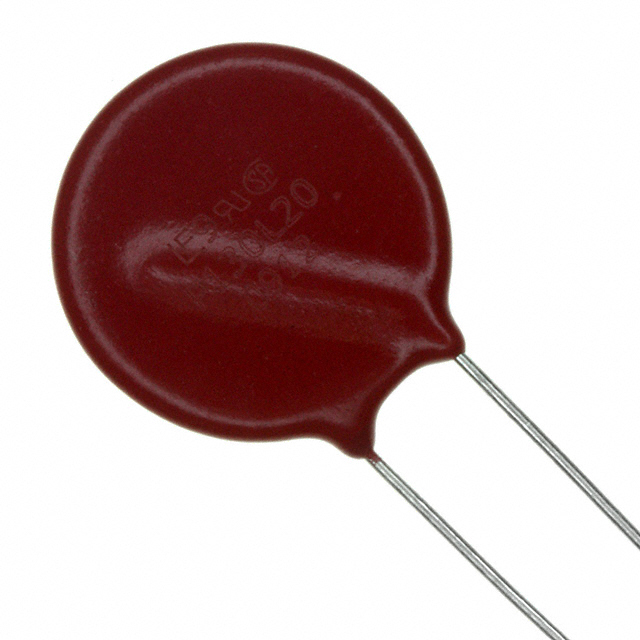
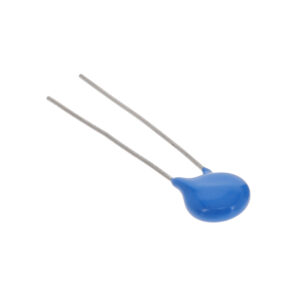
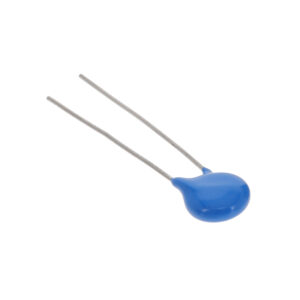
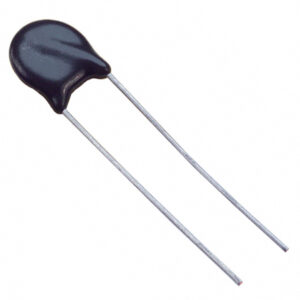
A varistor, also known as a Metal Oxide Varistor (MOV), is an electronic component with a variable resistance that changes with applied voltage. This nonlinear semiconductor device functions as a protective element in electronic circuits by responding to voltage transients and surges that exceed normal operating levels. When exposed to typical circuit voltages, varistors maintain high resistance, allowing them to remain essentially invisible in the circuit. However, when voltage spikes occur, the varistor\'s resistance dramatically decreases, creating a low-resistance path that diverts excess energy away from sensitive components. MOVs are widely used in surge protectors, power supplies, and industrial equipment where protection from overvoltage conditions is critical, with zinc oxide (ZnO) being the most common material used in their construction. When a varistor fails, it typically does so in one of two ways: it may fail as an open circuit after absorbing multiple surges over time that gradually degrade its structure, or more catastrophically, it may fail as a short circuit, potentially causing overheating, smoke, or even fire if not properly fused. While varistors are indeed surge protectors, they represent just one component within comprehensive surge protection systems. Other characteristics that define varistors include: 1) fast response times typically measured in nanoseconds, 2) voltage ratings that must be selected to match the circuit\'s normal operating conditions, 3) energy absorption capabilities measured in joules that determine how much transient energy they can safely dissipate, and 4) leakage current specifications that indicate how much current passes through the device during normal operation.
Understand how an LDO regulates voltage. Check dropout, noise, PSRR, output capacitors and heat before selecting a low-dropout regulator for your circuit.
Read More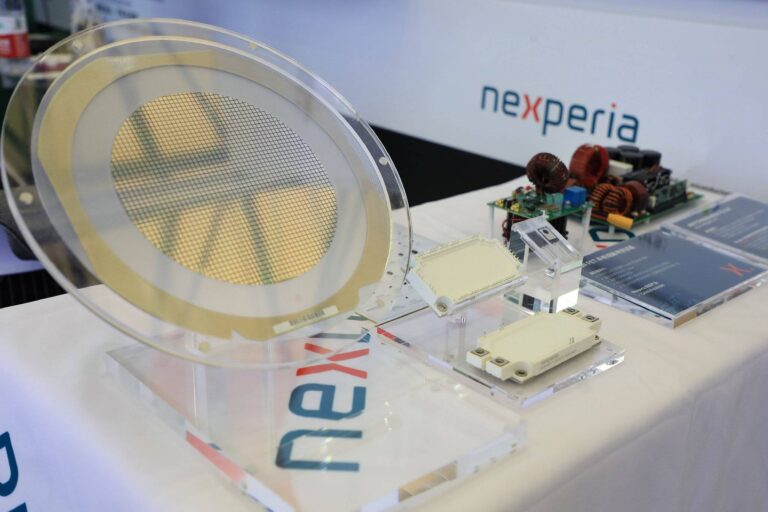
Dutch authorities announced on November 7 the lifting of control measures on Nexperia (formerly NXP Semiconductors' Standard Products division), marking the end of a…
Read More
Understand how motion sensors work. Compare PIR, radar and ultrasonic sensing, then check presence detection, false triggers, optics and signal conditioning.
Read More
As 2025 draws to a close, the global semiconductor industry stands at a crossroads. Intertwined with escalating geopolitical tensions, supply chain disruptions, and groundbreaking…
Read More
September 16, 2026 – Global — Leading semiconductor manufacturer ON Semiconductor (onsemi, NASDAQ: ON) has officially issued a formal price adjustment letter to global…
Read More
Choose a reed relay for signal switching. Understand hot and cold switching, leakage, contact resistance, isolation and measurement settling requirements.
Read More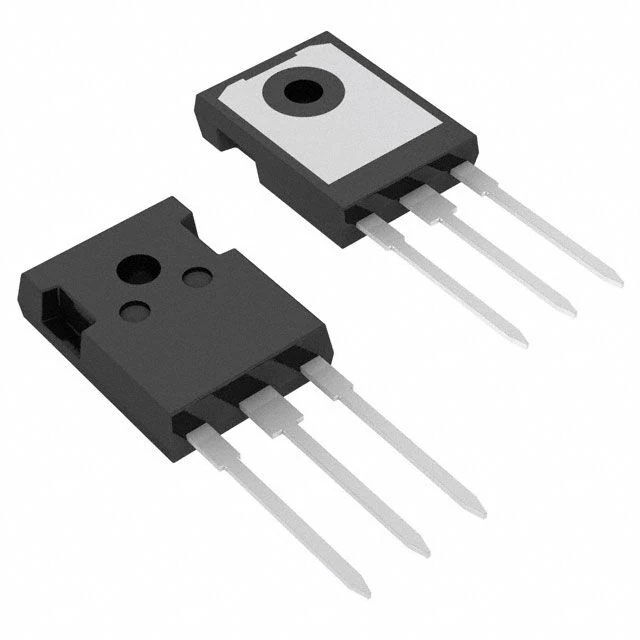
Learn how an IGBT works, compare MOSFET and IGBT losses, and check switching energy, gate drive, thermal limits and protection using a worked example.
Read More
Compare RC, crystal and MEMS oscillator circuits. Check ppm, jitter, load capacitance, startup margin and output compatibility before choosing a clock source.
Read More
Learn how to use ferrite beads for noise filtering. Check impedance, DC bias, placement, resonance and load-step behavior before selecting a part.
Read More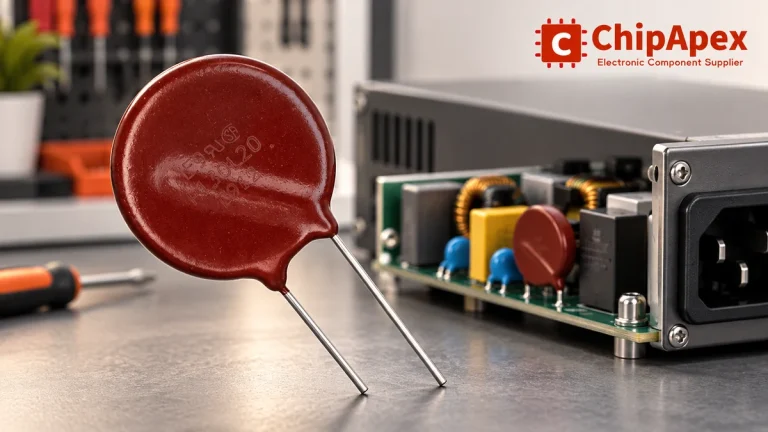
Select MOV varistors by continuous voltage, clamping behavior, surge waveform and repetition. Check thermal disconnection, fuse coordination and replacements.
Read More
A perfect storm of surging demand and supply chain disruptions is roiling the global electronic components market, with advanced semiconductors and critical materials now…
Read More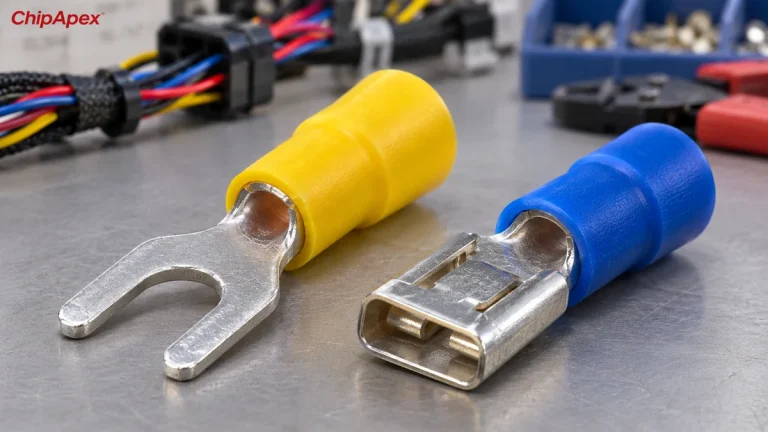
Identify fork terminals and flat-blade spade connectors. Match wire size, tab thickness, insulation and crimp tooling before selecting a replacement.
Read More
The activity of extra discounts on wholesale prices is in full swing…
Please fill in your contact information and we will send you the latest wholesale price list.