 ChipApex | Global Electronic Components Supplier

SEARCH
Search Product
Search Post
Search productSearch post
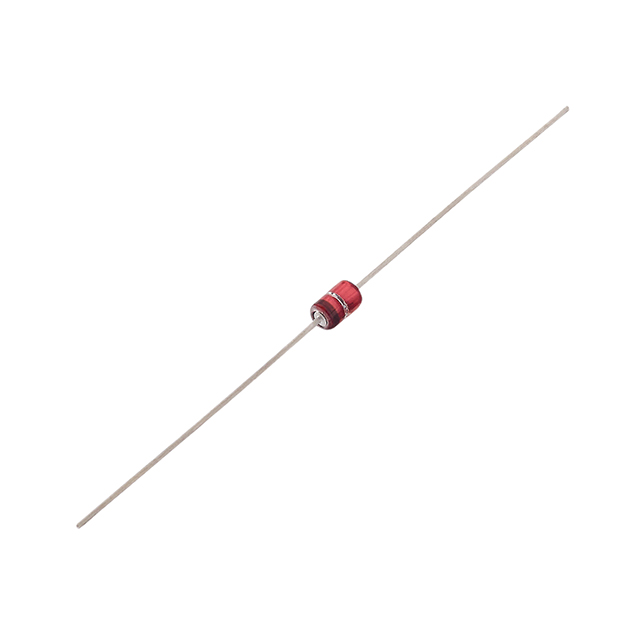
Current regulating diodes (also referred to a constand-current diode, current-limiting diode (CLD), or current-regulating diode (CRD)) maintain a constant current based on their specified value regardless of voltage fluctuations. Current regulating transistors work by regulating its collector and emitter voltage to provide a constant output voltage.
 E-701View Product
 CMJ2700 TR PBFREEView Product
 JANS1N5312-1View Product
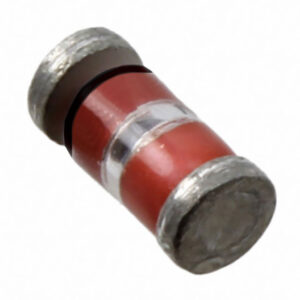 JANTX1N5310UR-1View Product1N5307/TRView Product
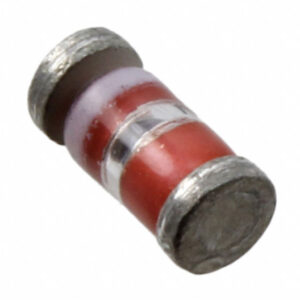 JANS1N5286UR-1/TRView ProductJAN1N5308-1/TRView ProductJAN1N5298-1/TRView ProductJANTX1N5297UR-1/TRView ProductJANS1N5314-1/TRView ProductJANTX1N5303-1View ProductJAN1N5296UR-1/TRView Product
The rapid advancement of artificial intelligence (AI) is transforming industries across the globe, and the world of electronic components is no exception. From smarter…
Read More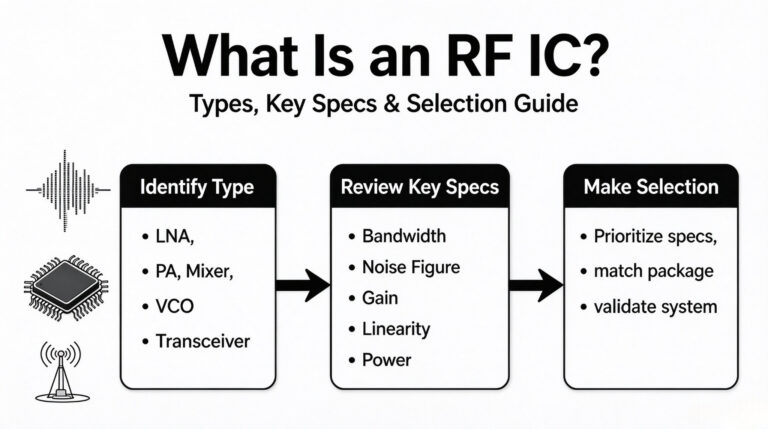
An RF IC, or radio-frequency integrated circuit, is a chip that processes wireless signals between the antenna and the baseband processor. Instead of building…
Read More
In the world of embedded electronics, getting a device to "think" is only half the battle. The other half is getting it to communicate…
Read More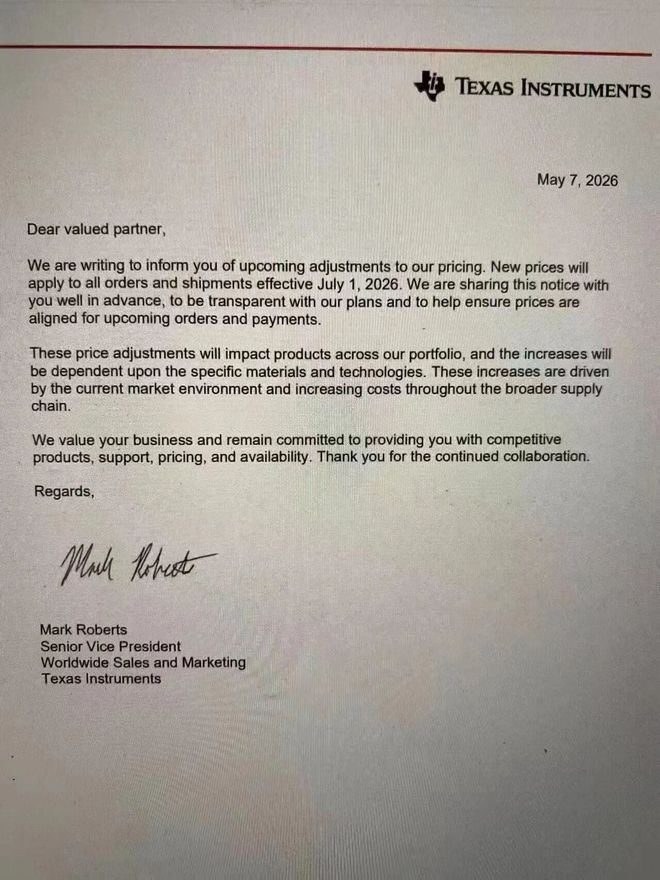
ChipApex – May 8, 2026 Texas Instruments (TI), the global leader in analog and embedded semiconductors, has officially notified customers of an upcoming company-wide…
Read More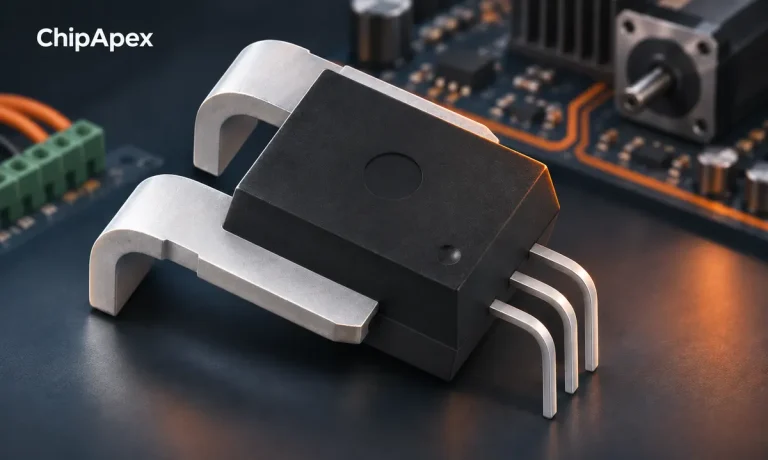
Compare Hall, shunt, current transformer and Rogowski sensing. Check AC/DC capability, accuracy, isolation, heat and response before selecting a sensor.
Read More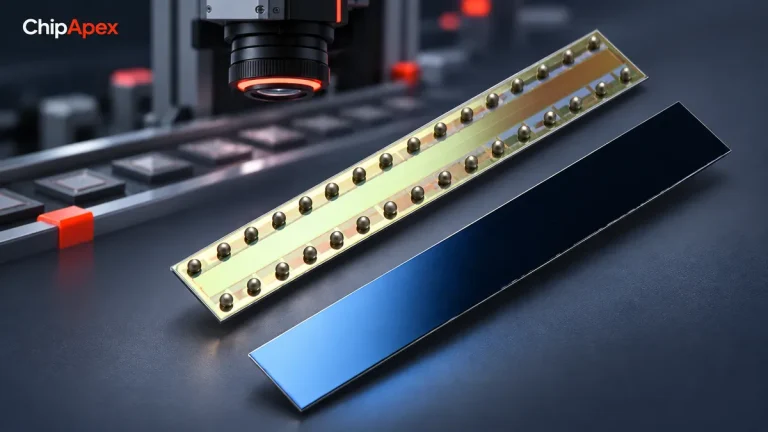
Learn how optical sensing works, compare detection methods, and select sensors by target surface, ambient light, response time and electrical interface.
Read More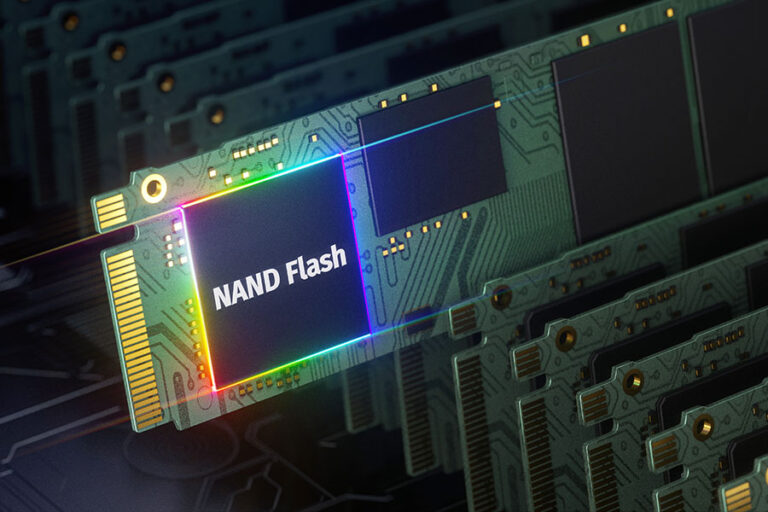
What Is NAND Flash? A Practical Guide for Engineers & Procurement Teams In today’s data-driven world—from smartphones and SSDs to industrial IoT devices—NAND flash…
Read More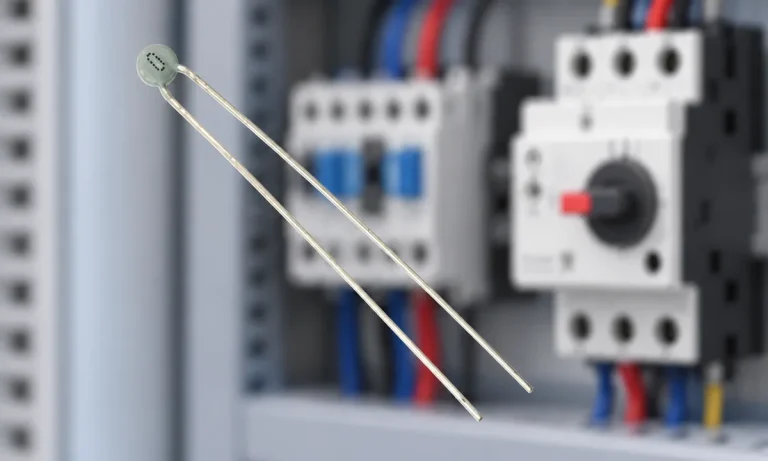
Learn why PTC resistance rises with temperature, how it differs from NTC, and which ratings matter for sensing and protection.
Read More
Understand phototransistor operation, load-resistor selection, saturation and response time. Compare detector types and prepare component sourcing requirements.
Read More
Understand how oscillators generate timing signals, how they differ from crystals, and which frequency, output and stability specs matter when choosing one.
Read More
Learn how a pressure transducer converts pressure into voltage, current, or digital output, and compare pressure references and key selection specs.
Read More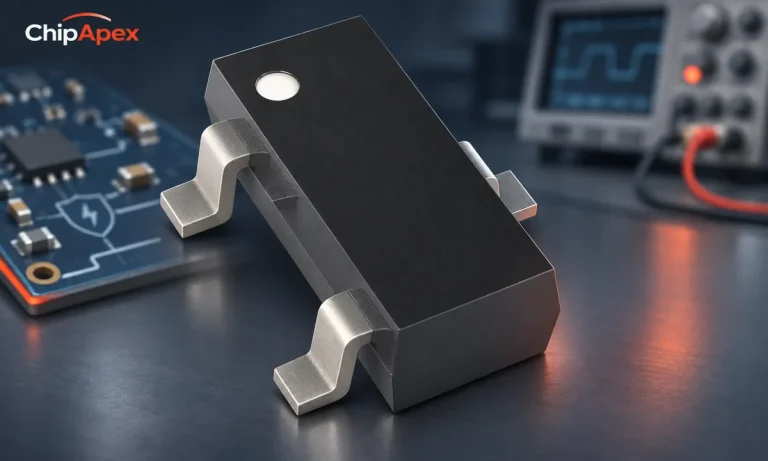
Learn how a Zener diode regulates voltage. Calculate resistor current and power, check tolerance and temperature, and distinguish Zener and TVS applications.
Read More
The activity of extra discounts on wholesale prices is in full swing…
Please fill in your contact information and we will send you the latest wholesale price list.

