 ChipApex | Global Electronic Components Supplier

SEARCH
Search Product
Search Post
Search productSearch post
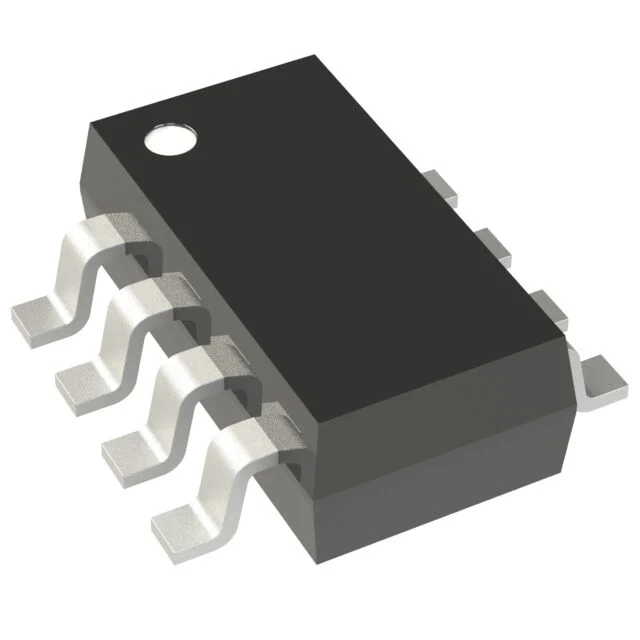
Ideal diode controllers, also called OR\'ing controllers, are devices designed to control an external pass transistor (usually a FET) in a manner that allows current flow in only one direction, similar to a rectifier diode but with significantly lower conduction loss. Among other applications, they are commonly used for providing reverse-flow protection in power supplies designed to be connected in parallel for sake of redundancy or increased output current capability.
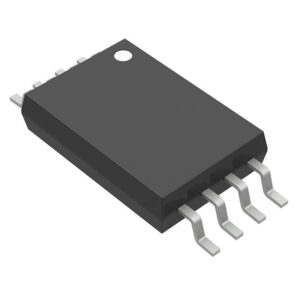 TPS2110APWRView Product
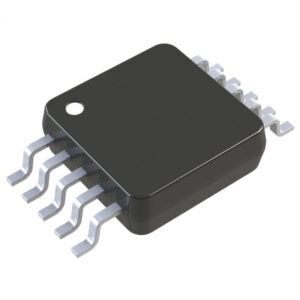 LTC4416IMS#TRPBFView Product
 MAX5944ESE+TView Product
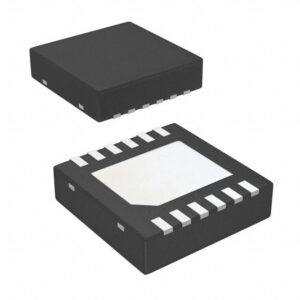 LM74810QDRRRQ1View Product
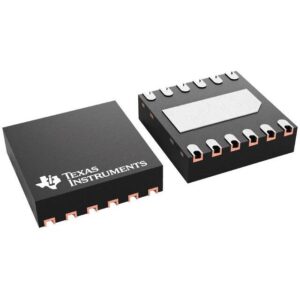 LM74721QDRRRQ1View Product
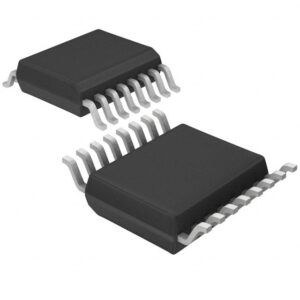 LTC1473LCGN#TRView Product
 LT4322RDDM#TRPBFView Product
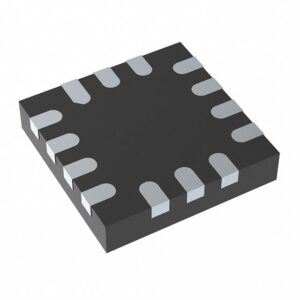 TPS2410RMSTView Product
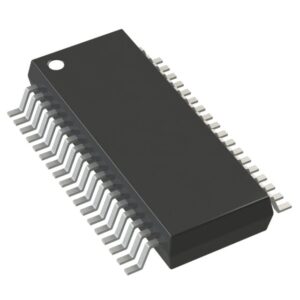 LTC4421CG#PBFView Product
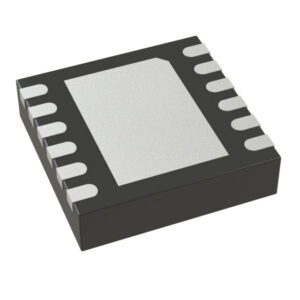 LTC4420CDD#PBFView Product
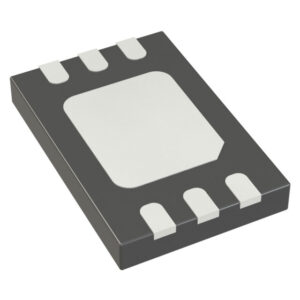 LTC4359CDCB#TRPBFView Product
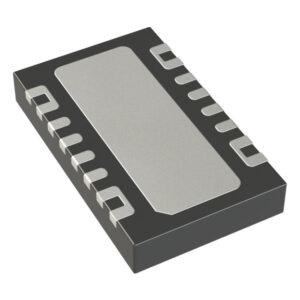 LTC4415IDHC#PBFView Product
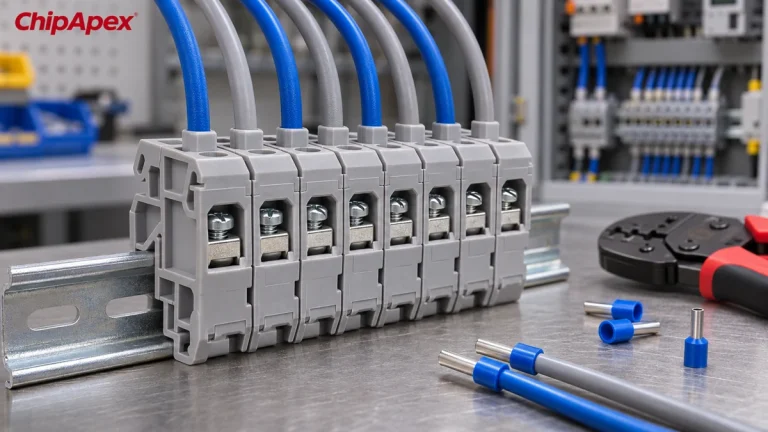
Compare screw and spring terminal blocks. Check conductor range, ferrules, strip length, torque, pitch and DIN rail accessories before completing the BOM.
Read More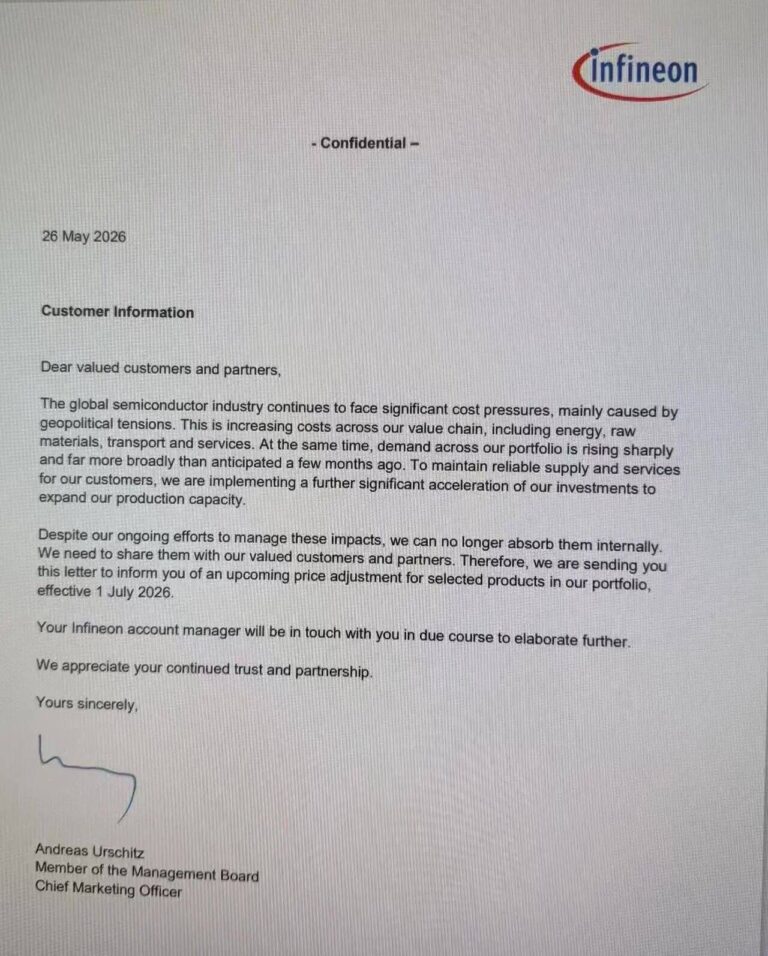
Munich, Germany – May 26, 2026 – Power semiconductor and automotive chip giant Infineon Technologies AG has formally notified customers worldwide of a second…
Read More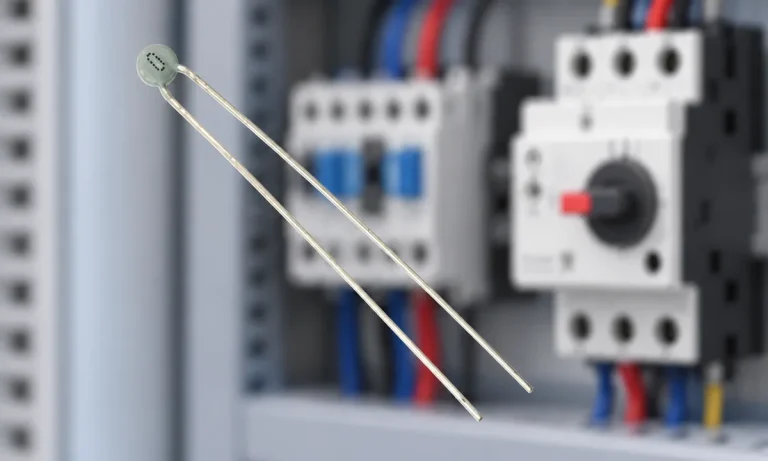
Learn why PTC resistance rises with temperature, how it differs from NTC, and which ratings matter for sensing and protection.
Read More
Choose logic inverter ICs by thresholds, supply, output drive and delay. Compare standard and Schmitt-trigger inputs, power sequencing and replacement checks.
Read More
Choose a solid-state relay by AC or DC load, leakage, switching mode and heat. Review practical SSR limits and prepare component requirements for ChipApex.
Read More
In the world of electronics, memory components play a critical role in system performance—and DRAM (Dynamic Random-Access Memory) is one of the most widely…
Read More
See when an inductor behaves linearly, how DC bias and saturation reduce inductance, and which current and temperature curves to check.
Read More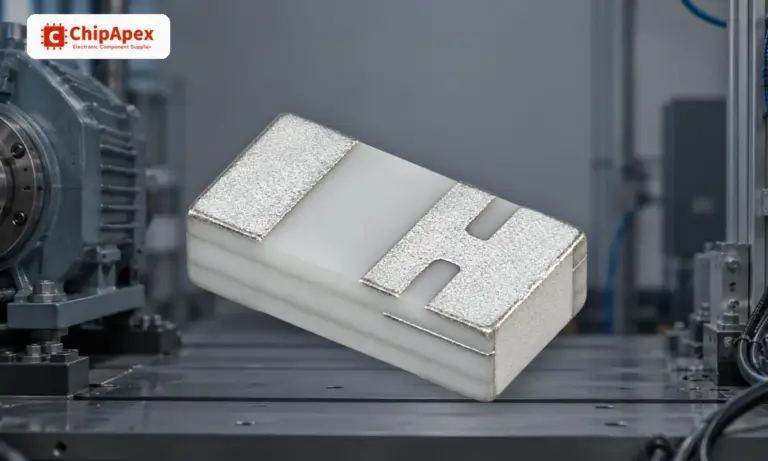
Find out when a bare shock switch needs a pull resistor, when an MCU internal pull-up is enough, and why sensor modules and piezo…
Read More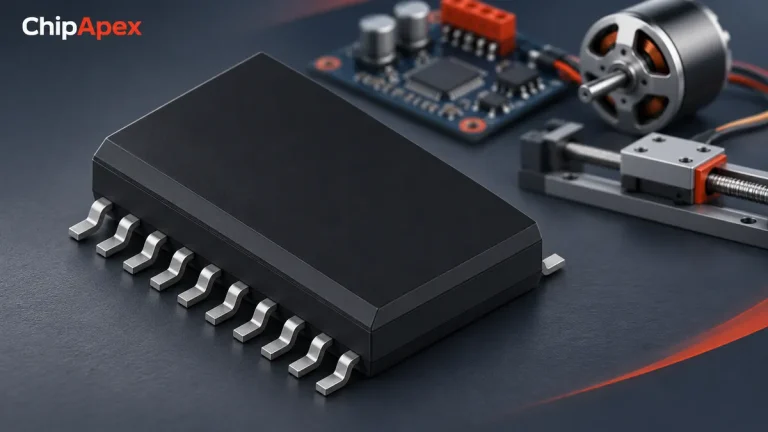
Understand motor controller types, driver functions, startup current, feedback and braking. Use practical checks to match control electronics to your motor.
Read More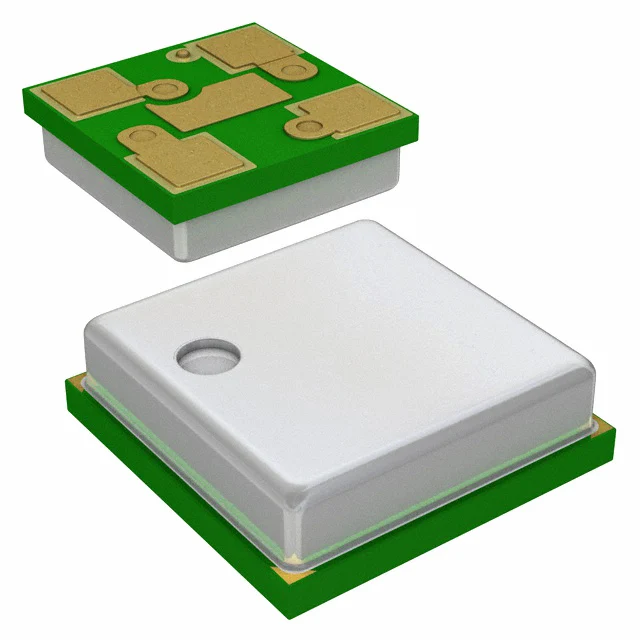
Interpret MAP sensor readings using local atmospheric pressure, convert a ratiometric signal to kPa and distinguish a pressure change from a signal fault.
Read More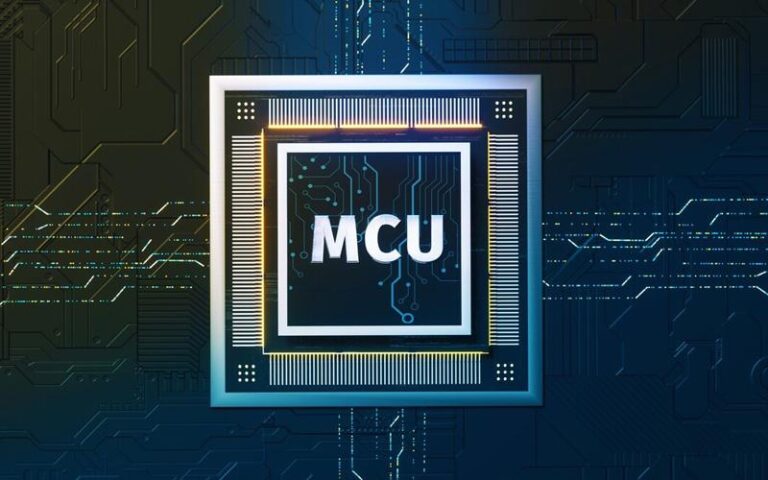
Selecting the right microcontroller (MCU) isn’t just about specs—it’s about balancing performance, power, cost, and supply chain reliability. As an engineer, you’ve probably faced…
Read More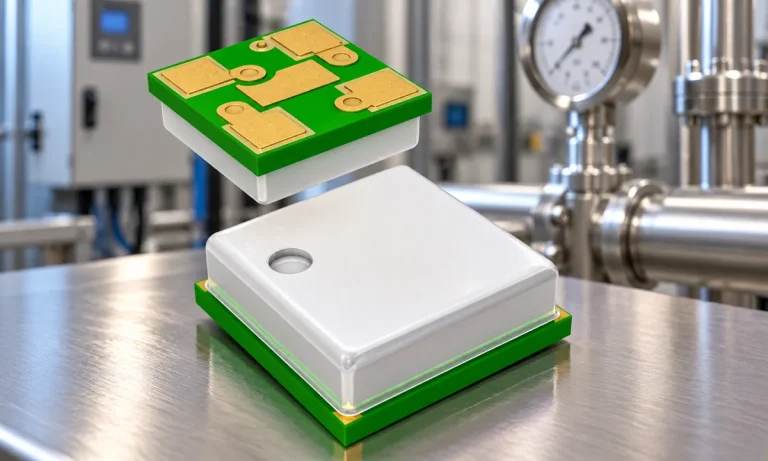
Learn how a pressure transducer converts pressure into voltage, current, or digital output, and compare pressure references and key selection specs.
Read More
The activity of extra discounts on wholesale prices is in full swing…
Please fill in your contact information and we will send you the latest wholesale price list.

