 ChipApex | Global Electronic Components Supplier

SEARCH
Search Product
Search Post
Search productSearch post
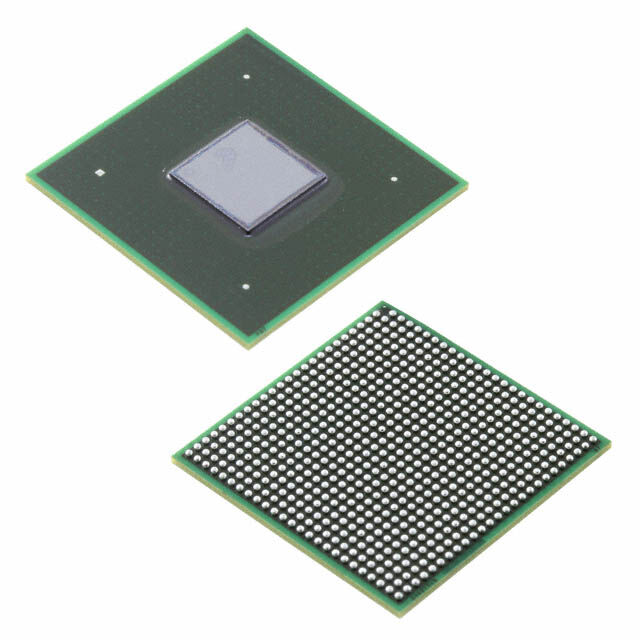
Microprocessor products are integrated circuits used for information and data processing. They are differentiated from similar products that are considered microcontrollers primarily by the manufacturer\'s choice of term, though by tradition microprocessors do not integrate working memory within the device, are less likely to integrate mixed-signal peripherals, and likely to be used under more complex software paradigms involving the use of an operating system to manage the concomitant execution of multiple tasks.
 N9H26K61NView Product
 HD64180R1F6View Product
 MC68EC000FU16View Product
 MG8797BH/BView ProductSAM9X75D5M-V/4TBView Product
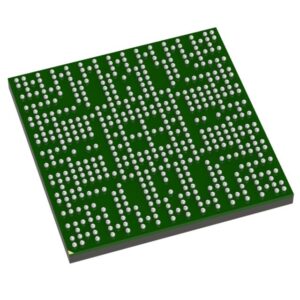 MIMX8US3CVP08SCView Product
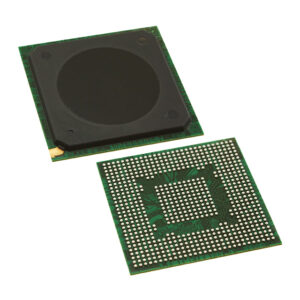 P1022NSN2LFBView Product
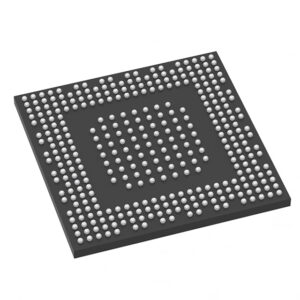 STM32MP153DAC1View Product
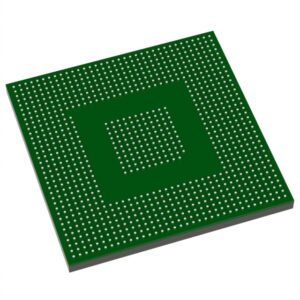 R8A774E0HA01BN#G6View ProductMIMXRT117TDVMABView Product
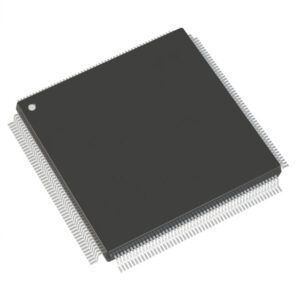 AT91SAM9XE128-QUView Product
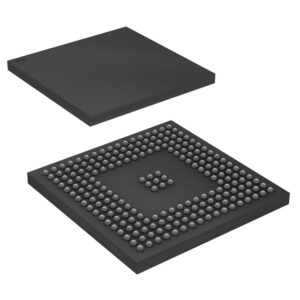 AT91SAM9G10-CU-999View Product
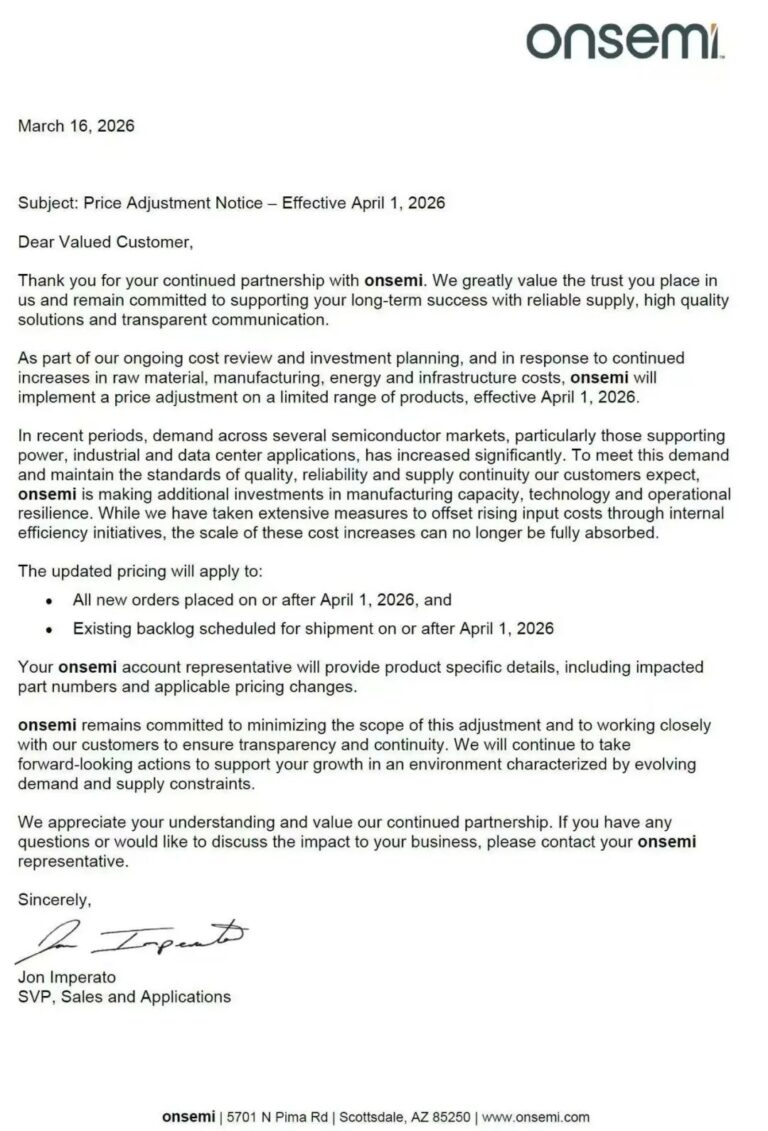
ON Semiconductor (onsemi), a global leader in intelligent power and sensing technologies, has announced plans to implement price adjustments for select product lines, effective…
Read More
Recently, the global electronic components market has been constantly evolving, and different regions and enterprises have witnessed new moves in aspects such as technological…
Read More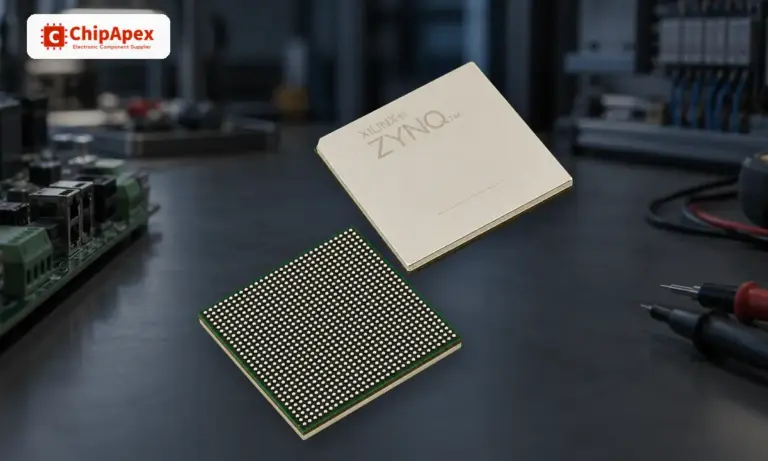
Learn what an integrated circuit is, how ICs work, the main types and the specs to check before choosing a part for your design…
Read More
Understand load cell sensor output, bridge wiring and calibration. Learn how mV/V sensitivity, mechanics and ADC noise affect measurement accuracy.
Read More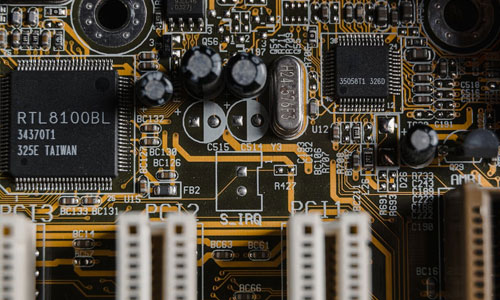
The rapid advancement of artificial intelligence (AI) is transforming industries across the globe, and the world of electronic components is no exception. From smarter…
Read More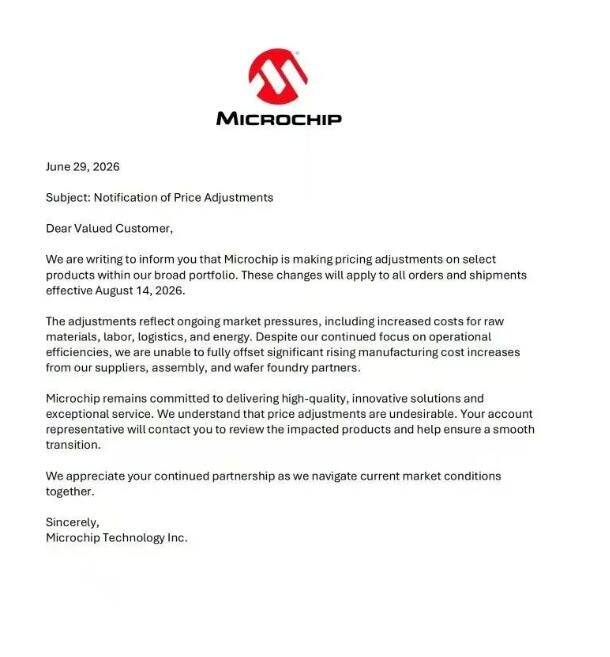
Tempe, Arizona‑based semiconductor giant Microchip Technology has formally rolled out selective product price increases across its MCU, power‑management IC, memory controller and analog component…
Read More
Compare Pt100 and Pt1000 RTDs, two-, three- and four-wire connections, excitation and self-heating. Build an error budget from element to reported temperature.
Read More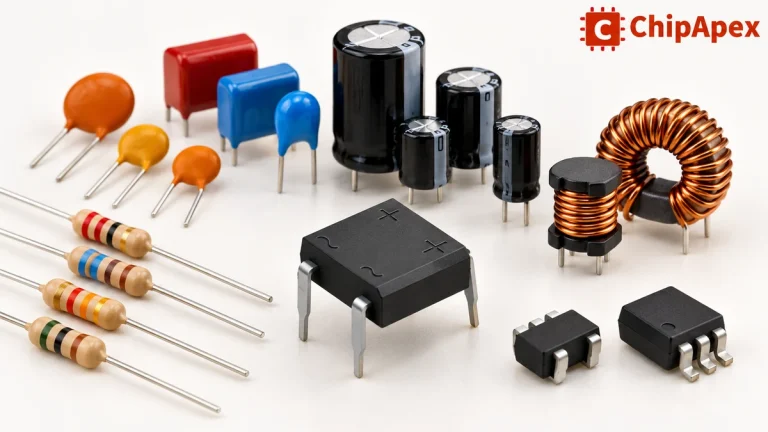
Explore electronic component types, functions, packages and datasheets. Learn selection, replacement and BOM checks before ordering parts for your PCB.
Read More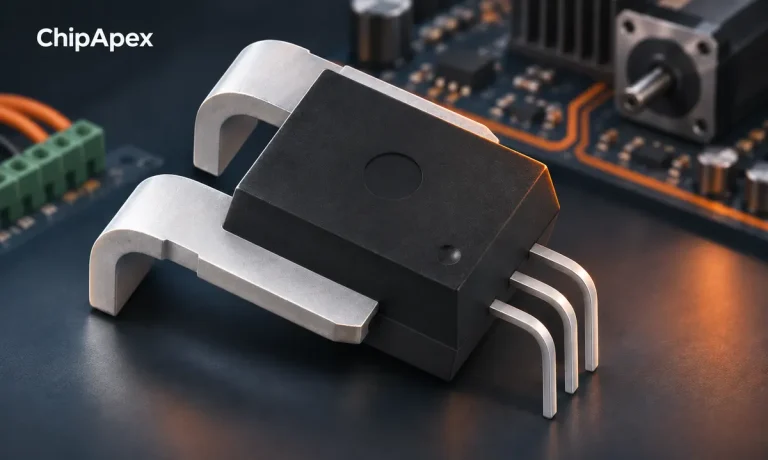
Compare Hall, shunt, current transformer and Rogowski sensing. Check AC/DC capability, accuracy, isolation, heat and response before selecting a sensor.
Read More
Choose a solid-state relay by AC or DC load, leakage, switching mode and heat. Review practical SSR limits and prepare component requirements for ChipApex.
Read More
Understand phototransistor operation, load-resistor selection, saturation and response time. Compare detector types and prepare component sourcing requirements.
Read More
Recently, the global electronic component market has witnessed a series of new developments. The strategic layouts and market collaborations of major enterprises are constantly…
Read More
The activity of extra discounts on wholesale prices is in full swing…
Please fill in your contact information and we will send you the latest wholesale price list.

