 ChipApex | Global Electronic Components Supplier

SEARCH
Search Product
Search Post
— IC芯片 | 连接器 | 传感器 | 被动器件 —
Search productSearch post
— IC芯片 | 连接器 | 传感器 | 被动器件 —
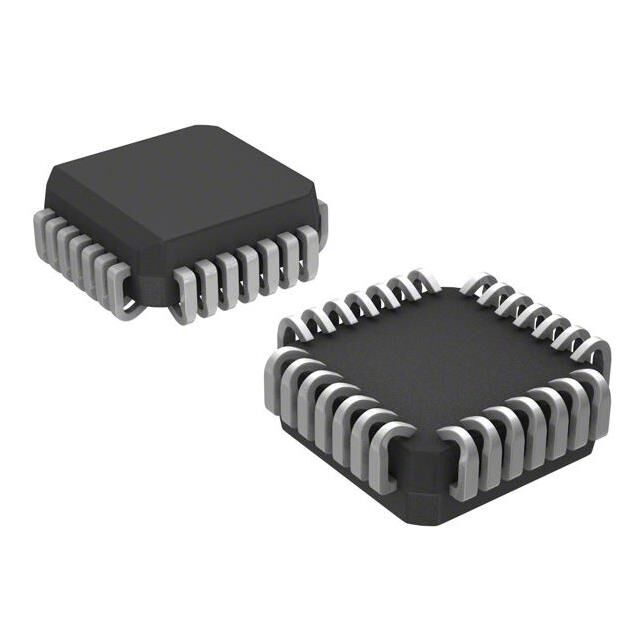
Programmable Logic Devices (PLDs) are integrated circuits that contain a relatively small number of functional elements that provide user-configurable logic functions (AND, OR, etc.) as well as configurable interconnections between the elements within the device, allowing logic functions of modest complexity to be implemented using fewer components than would be required if individual logic devices were used, and also simplifying the process of making changes to the function being implemented. Devices of this type typically incorporate a non-volatile configuration memory, allowing the programmed functionality to be retained when power to the device is removed.
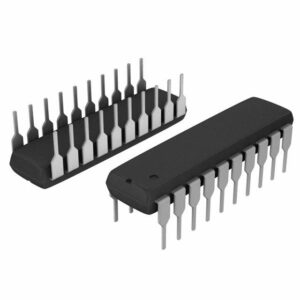 ATF16V8B-15PCView Product
 GAL22V10D-10LPView Product
 GAL20V8A-12LVCView ProductPALLV22V10Z-25JIView ProductEP22V10LC-25View ProductGAL22V10D-20LPNIView Product
 PAL20L8-5PCView ProductATF16V8C-7PIView ProductGAL16V8D-25QJNView Product
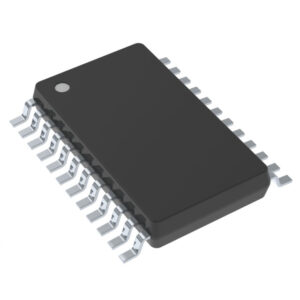 ATF22LV10C-10XCView Product
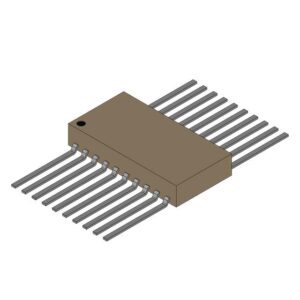 5962-8515512SAView ProductTIBPAL16R8-10MWBView Product

Choose a DIP switch by contact type, coded positions, footprint and signal ratings. Check logic polarity, assembly conditions and PCB configuration behavior.
Read More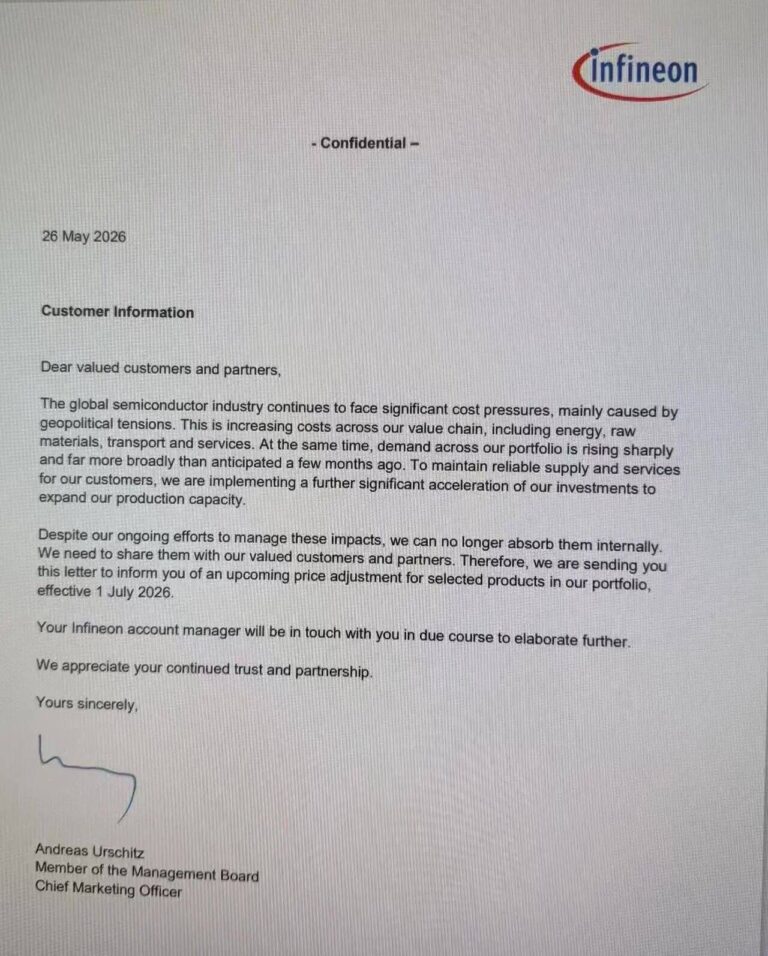
Munich, Germany – May 26, 2026 – Power semiconductor and automotive chip giant Infineon Technologies AG has formally notified customers worldwide of a second…
Read More
Learn what data acquisition means, from sensors and conditioning to sampling and storage. Review channel timing, wiring, calibration and data quality.
Read More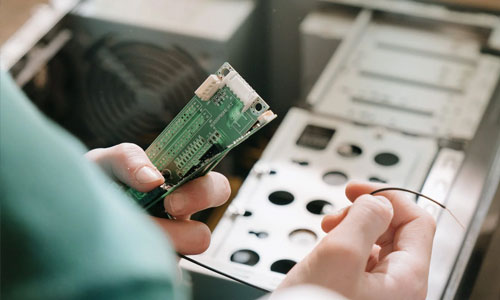
[Shenzhen/Shanghai/Beijing, January 2025] — As global digital transformation accelerates, the electronic components industry has reached a critical inflection point in 2025. Emerging fields such…
Read More
See when an inductor behaves linearly, how DC bias and saturation reduce inductance, and which current and temperature curves to check.
Read More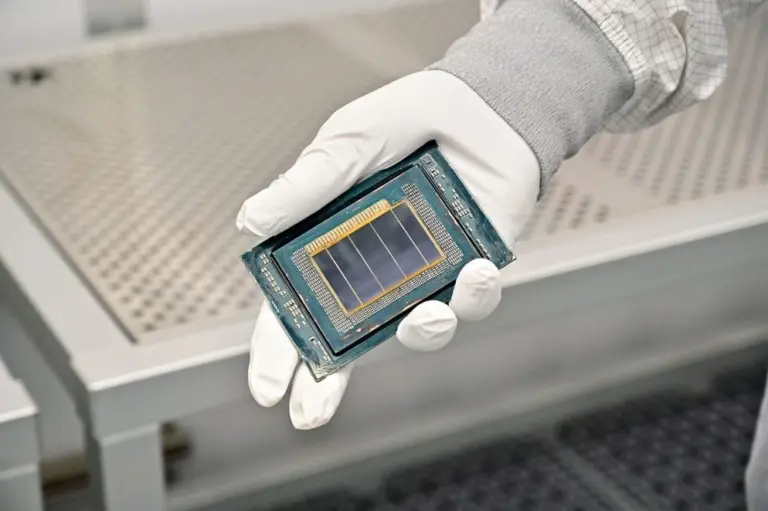
Recently, global semiconductor manufacturers have been constantly taking actions and presenting numerous new developments in aspects such as process technology and product research and…
Read More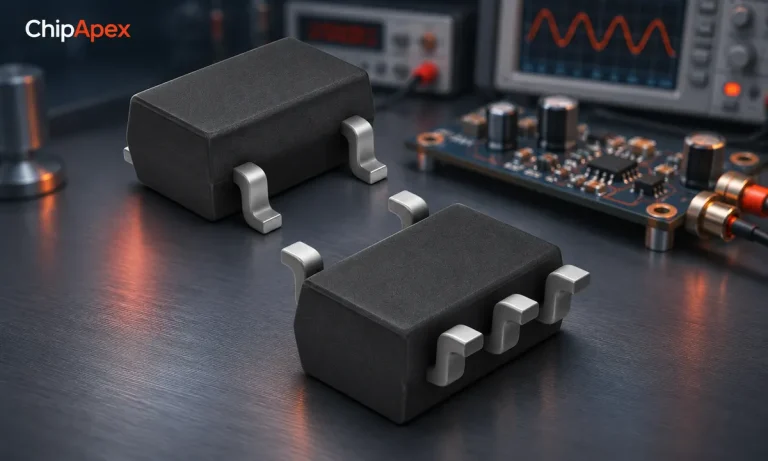
Learn how a JFET works and how to compare bias, leakage, noise and pinout. Review practical selection questions for high-impedance analog circuits.
Read More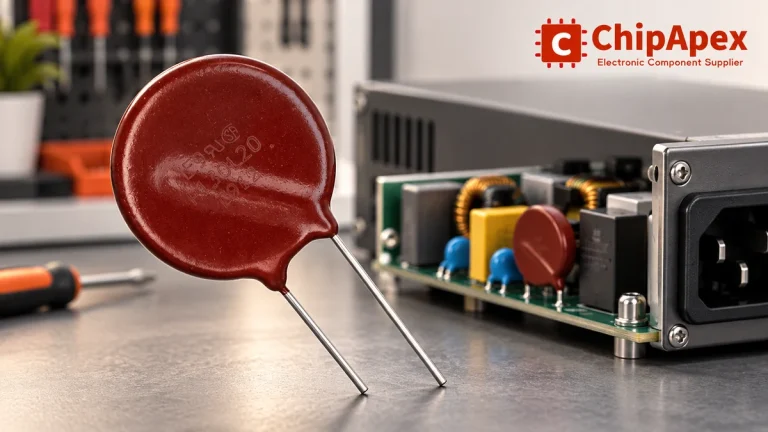
Select MOV varistors by continuous voltage, clamping behavior, surge waveform and repetition. Check thermal disconnection, fuse coordination and replacements.
Read More
Compare Pt100 and Pt1000 RTDs, two-, three- and four-wire connections, excitation and self-heating. Build an error budget from element to reported temperature.
Read More
Selecting the right microcontroller (MCU) isn’t just about specs—it’s about balancing performance, power, cost, and supply chain reliability. As an engineer, you’ve probably faced…
Read More
Compare RC, crystal and MEMS oscillator circuits. Check ppm, jitter, load capacitance, startup margin and output compatibility before choosing a clock source.
Read More
Find out when a bare shock switch needs a pull resistor, when an MCU internal pull-up is enough, and why sensor modules and piezo…
Read More
The activity of extra discounts on wholesale prices is in full swing…
Please fill in your contact information and we will send you the latest wholesale price list.

