ChipApex | Global Electronic Components Supplier

SEARCH
Search Product
Search Post
— IC芯片 | 连接器 | 传感器 | 被动器件 —
Search productSearch post
— IC芯片 | 连接器 | 传感器 | 被动器件 —
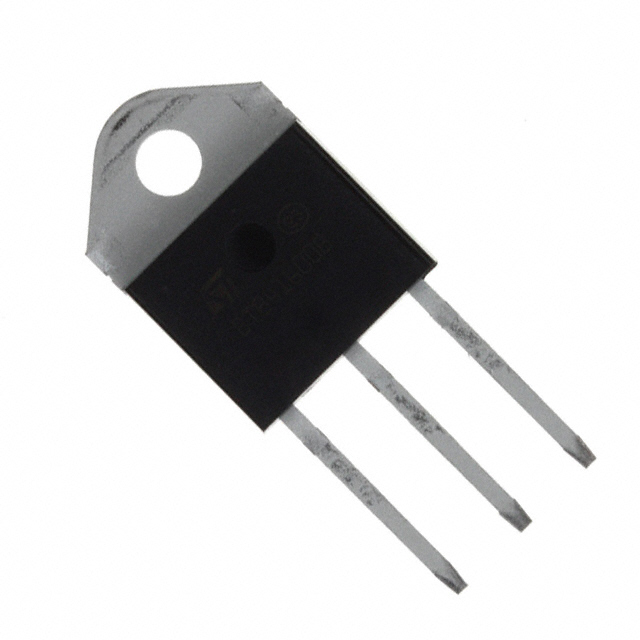
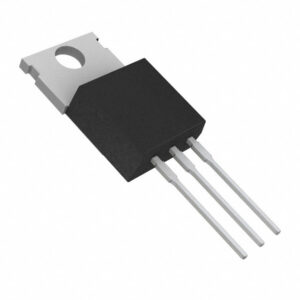
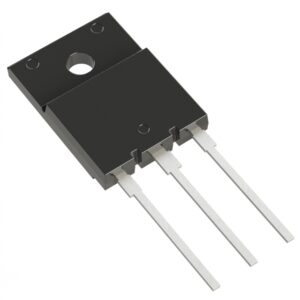
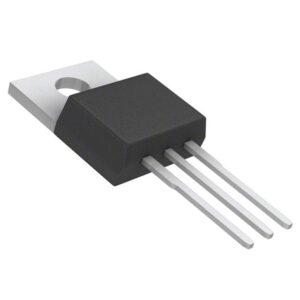
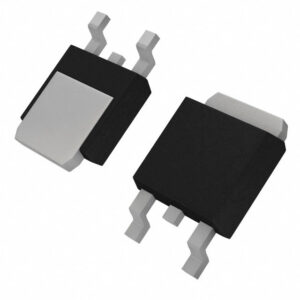
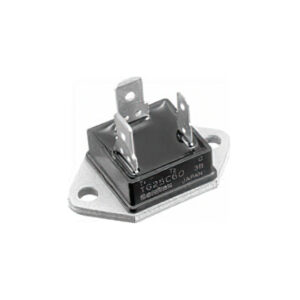
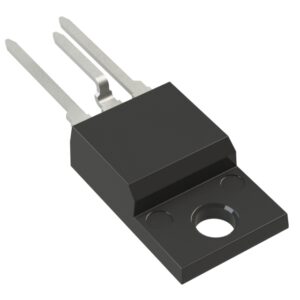
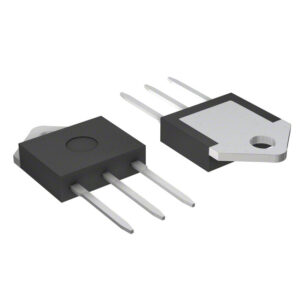
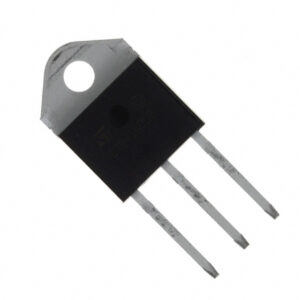
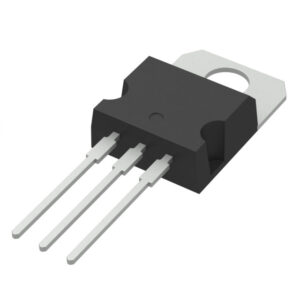
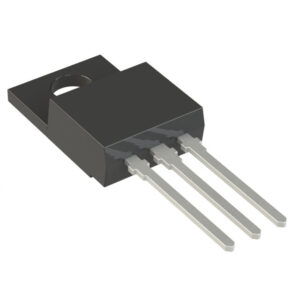
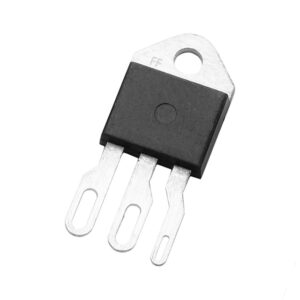
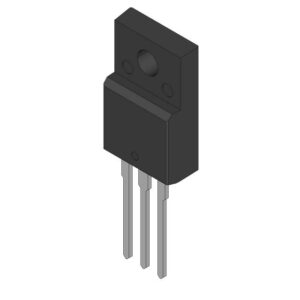
Thyristors conduct AC (alternating current) in one direction or one half of an AC cycle. A TRIAC (triode AC) conducts current in either direction when its gate is triggered. Other names include bidirectional triode thyristor or bilateral triode thyristor. TRIAC types are snubberless, alternistor, internally triggered, logic gate and standard which are chassis, surface or through-hole mount. Selection is by off state voltage, on state current, hold current and gate trigger voltage.
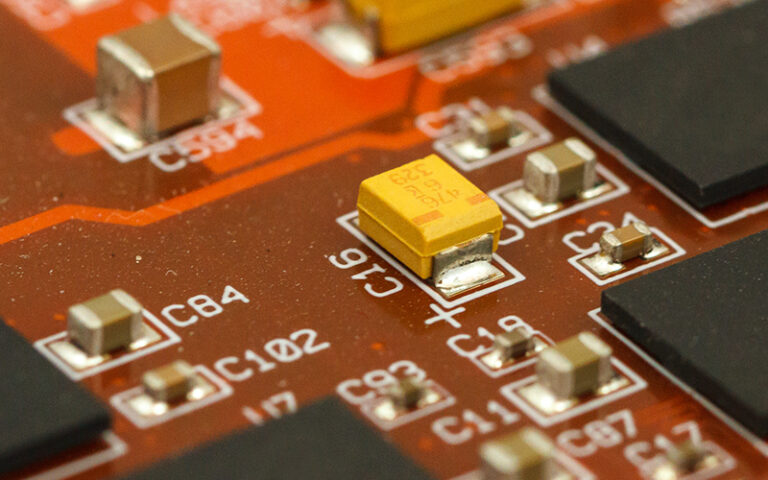
The global electronics industry is facing an escalating shortage of tantalum capacitors, a critical passive component, as surging demand from AI servers, automotive electronics,…
Read More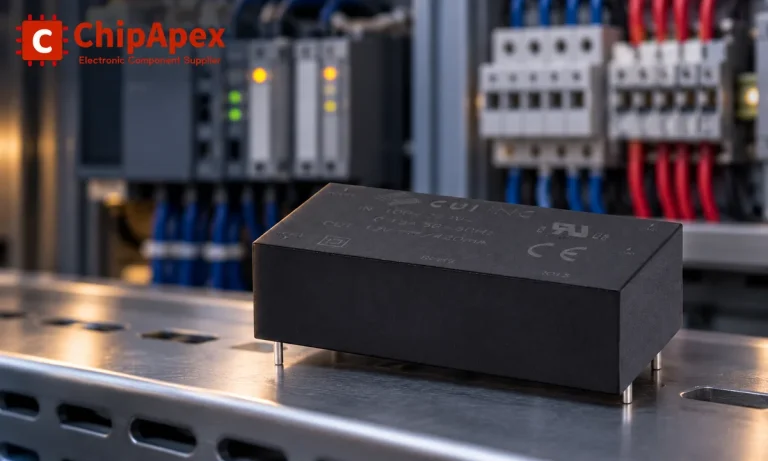
Choose an AC to DC converter by input range, output demand, isolation, efficiency and thermal derating. Compare architectures and check installation needs.
Read MoreA digital-to-analog converter (DAC) turns a digital number into an analog voltage or current. It lets a controller set a physical output, such as…
Read More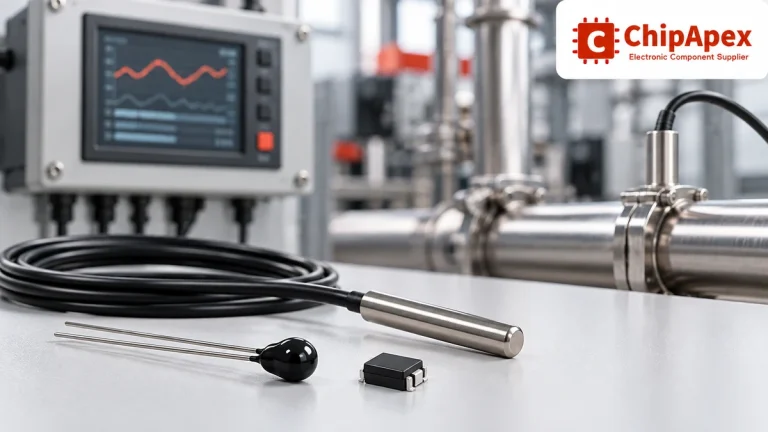
Compare thermistors, RTDs, thermocouples and temperature ICs. Learn how range, accuracy, response, interfaces and mounting affect component selection.
Read More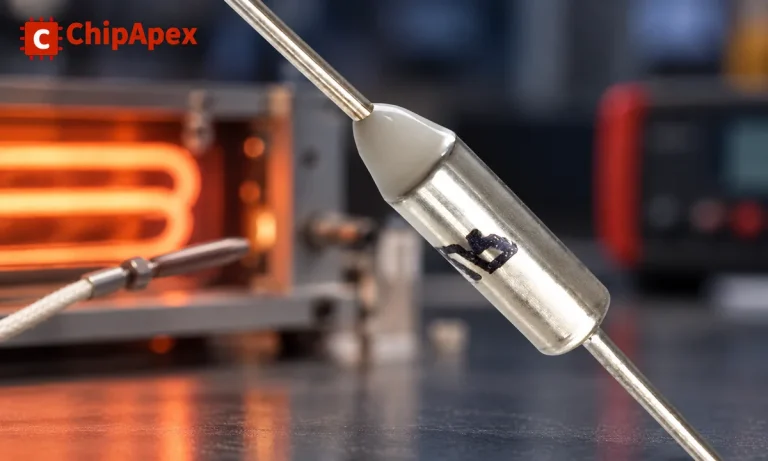
Understand thermal fuse operation, Tf, Th and Tm, electrical ratings and mounting. Check temperature limits and replacement requirements for your design.
Read More
If you’ve spent any time staring at a schematic, you’ve seen the triangle. Two inputs, one output, and a gain symbol that looks deceptively…
Read More
Learn how a diode conducts, how to identify anode and cathode, and when to choose rectifier, TVS, Zener or photodiode types for a circuit.
Read More
Munich, Germany – February 8, 2026 — Infineon Technologies, the German semiconductor giant, officially issued a price increase notice on February 5, announcing that…
Read More
Recently, the global electronic component market has witnessed a series of new developments. The strategic layouts and market collaborations of major enterprises are constantly…
Read More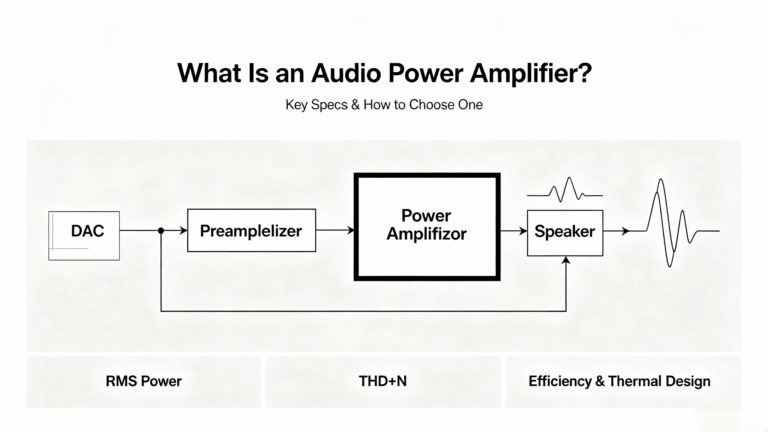
Every audio power amplifier design starts with the same fundamental challenge: converting a low-voltage line-level signal into the high-current drive required by a reactive…
Read More
See when an inductor behaves linearly, how DC bias and saturation reduce inductance, and which current and temperature curves to check.
Read More
Selecting the right microcontroller (MCU) isn’t just about specs—it’s about balancing performance, power, cost, and supply chain reliability. As an engineer, you’ve probably faced…
Read More
The activity of extra discounts on wholesale prices is in full swing…
Please fill in your contact information and we will send you the latest wholesale price list.