 ChipApex | Global Electronic Components Supplier

SEARCH
Search Product
Search Post
— IC芯片 | 连接器 | 传感器 | 被动器件 —
Search productSearch post
— IC芯片 | 连接器 | 传感器 | 被动器件 —
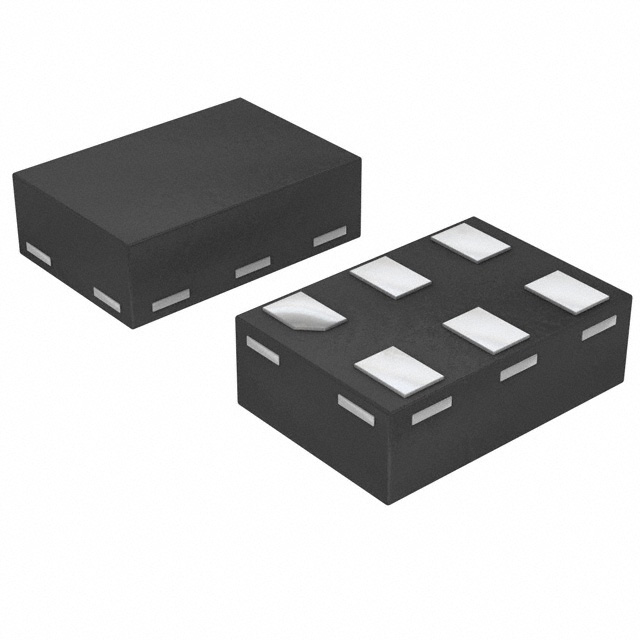
Logic buffers, drivers, receivers and transceivers allow isolated access to logic signals from one circuit for use in another circuit. Buffers pass their input signal, either unchanged or inverted, to their output and may be used to clean up a weak signal or drive a load. In a boolean logic simulator, a buffer is mainly used to increase propagation delay. Logic receivers and transceivers allow isolated communication between data buses.
| Select products | Mfr | Description | Package | Supplier Device Package | Mounting Type | Series | Operating Temperature |
|---|---|---|---|---|---|---|---|
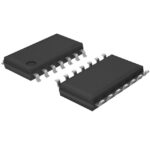 SN74LS125ANSR $0.78 | Texas Instruments | IC BUF NON-INVERT 5.25V 14SOP | Tape & Reel (TR),Cut Tape (CT),Bulk | 14-SO | Surface Mount | 74LS | 0°C ~ 70°C (TA) |
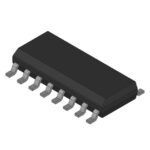 SN74LS126AD $0.37 | onsemi | IC BUFF NON-INVERT 5.25V 14SOIC | Tube | 14-SOIC | Surface Mount | 74LS | 0°C ~ 70°C (TA) |
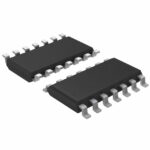 SN74LS126AD $0.77 | Texas Instruments | IC BUF NON-INVERT 5.25V 14SOIC | Tube | 14-SOIC | Surface Mount | 74LS | 0°C ~ 70°C (TA) |
SN74LS126ADR $0.64 | Texas Instruments | IC BUF NON-INVERT 5.25V 14SOIC | Tape & Reel (TR),Cut Tape (CT),Bulk | 14-SOIC | Surface Mount | 74LS | 0°C ~ 70°C (TA) |
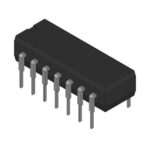 SN74LS126AN $0.36 | onsemi | IC BUFFER NON-INVERT 5.25V 14DIP | Tube | 14-PDIP | Through Hole | 74LS | 0°C ~ 70°C (TA) |
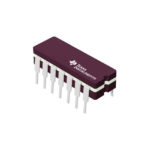 SN74LS126AN $0.81 | Texas Instruments | IC BUF NON-INVERT 5.25V 14DIP | Tube | 14-PDIP | Through Hole | 74LS | 0°C ~ 70°C (TA) |
SN74LS126ANS $0.89 | Texas Instruments | IC BUFFER NON-INVERT 5.25V 14SOP | Bulk,Tube | 14-SO | Surface Mount | 74LS | 0°C ~ 70°C (TA) |
SN74LS126ANSR $0.78 | Texas Instruments | IC BUF NON-INVERT 5.25V 14SOP | Tape & Reel (TR),Cut Tape (CT),Bulk | 14-SO | Surface Mount | 74LS | 0°C ~ 70°C (TA) |
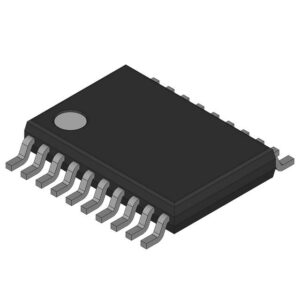 74HC244PW,112View Product
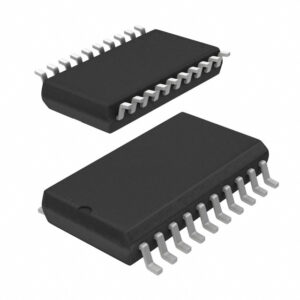 74LV241D,118View Product
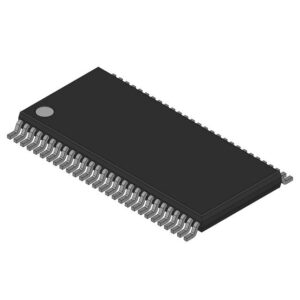 74LCX16652MTDView Product
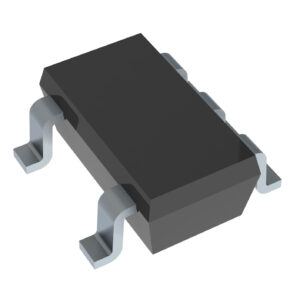 SN74AUP1G17DBVRView Product
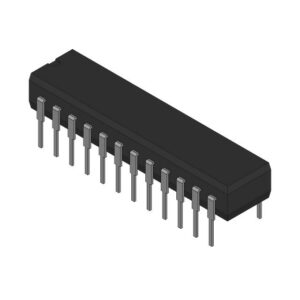 AM29C833/BLAView Product
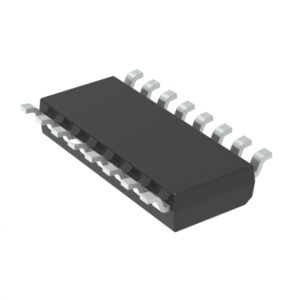 MC14050BDR2GView ProductSN74ALS648-1NTView Product
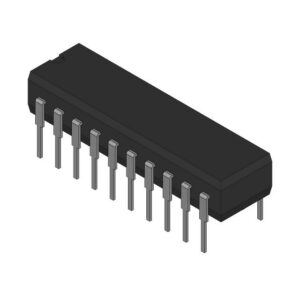 SN74HC623NSView Product
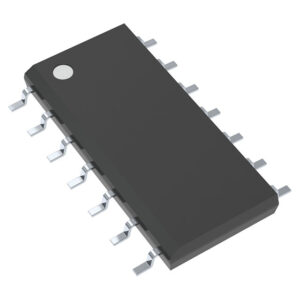 MC74VHCT126ADR2GView Product
 CAVCH4T245MRSVREPView Product
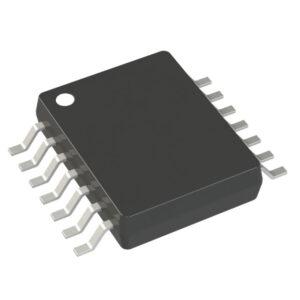 74LCX125YTTRView Product
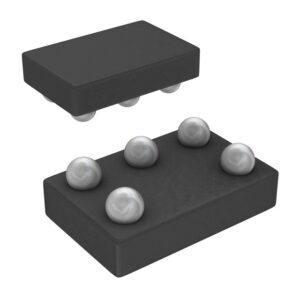 SN74AUC1G17YZARView Product
TOKYO, April 15, 2026 – Taiyo Yuden Co., Ltd. (TAIYO YUDEN), a leading global manufacturer of passive electronic components, has officially notified its worldwide…
Read More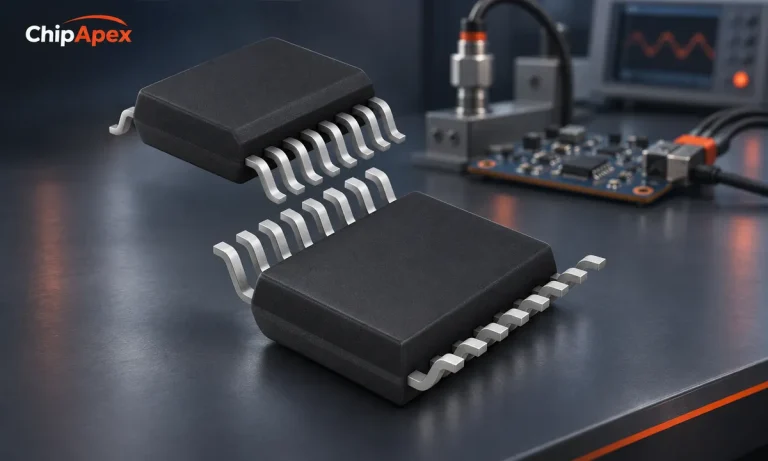
Choose an ADC converter by resolution, sample rate, noise and input design. Review practical tradeoffs and prepare component requirements for ChipApex.
Read More
As 2025 draws to a close, the global semiconductor industry stands at a crossroads. Intertwined with escalating geopolitical tensions, supply chain disruptions, and groundbreaking…
Read More
In the vast landscape of memory technology, EEPROM (Electrically Erasable Programmable Read-Only Memory) often plays the unsung hero. While NAND Flash grabs headlines for…
Read More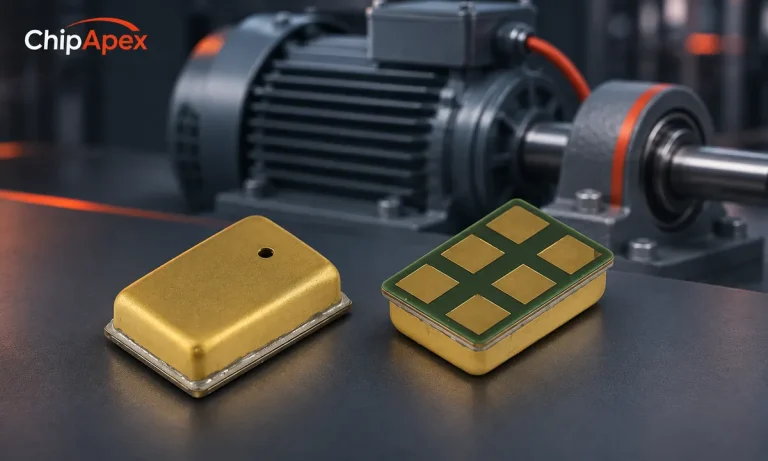
Choose a vibration sensor for machine monitoring. Compare sensing methods, bandwidth, noise and mounting, then define the signal-chain requirements.
Read More
Understand how oscillators generate timing signals, how they differ from crystals, and which frequency, output and stability specs matter when choosing one.
Read More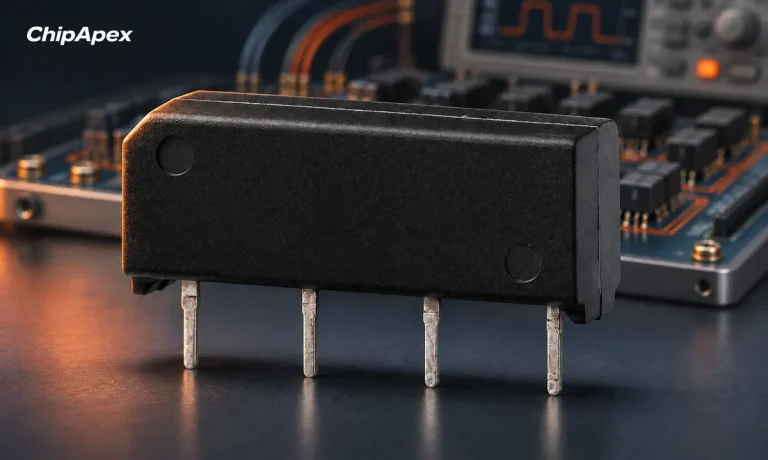
Choose a reed relay for signal switching. Understand hot and cold switching, leakage, contact resistance, isolation and measurement settling requirements.
Read More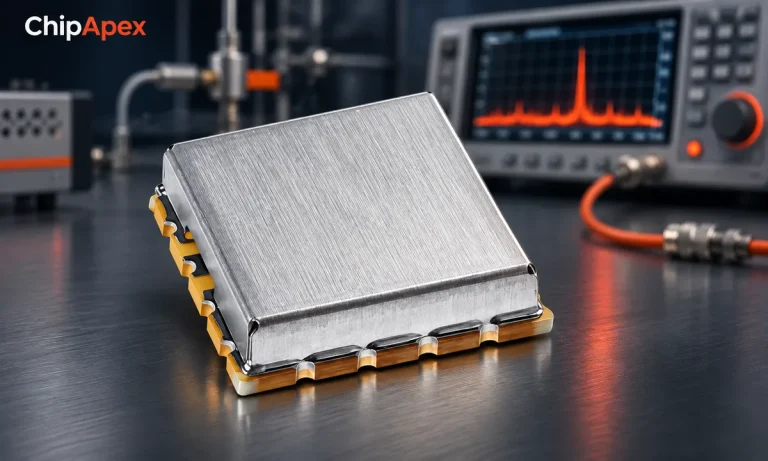
Understand voltage controlled oscillator tuning, phase noise and PLL operation. Check supply noise, output loading and requirements before selection.
Read More
PLANO, Texas – March 20, 2026 – Diodes Incorporated (Nasdaq: DIOD), a leading global manufacturer and supplier of high-quality application-specific standard products in the…
Read More
Learn how rectifiers convert AC to DC, compare half-wave and bridge circuits, and select voltage, current, recovery and thermal ratings for your design.
Read More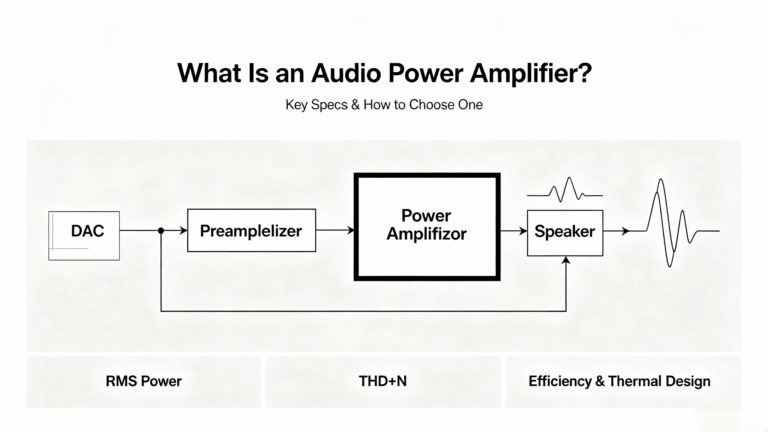
Every audio power amplifier design starts with the same fundamental challenge: converting a low-voltage line-level signal into the high-current drive required by a reactive…
Read More
Compare RC, crystal and MEMS oscillator circuits. Check ppm, jitter, load capacitance, startup margin and output compatibility before choosing a clock source.
Read More
The activity of extra discounts on wholesale prices is in full swing…
Please fill in your contact information and we will send you the latest wholesale price list.

