 ChipApex | Global Electronic Components Supplier

SEARCH
Search Product
Search Post
— IC芯片 | 连接器 | 传感器 | 被动器件 —
Search productSearch post
— IC芯片 | 连接器 | 传感器 | 被动器件 —
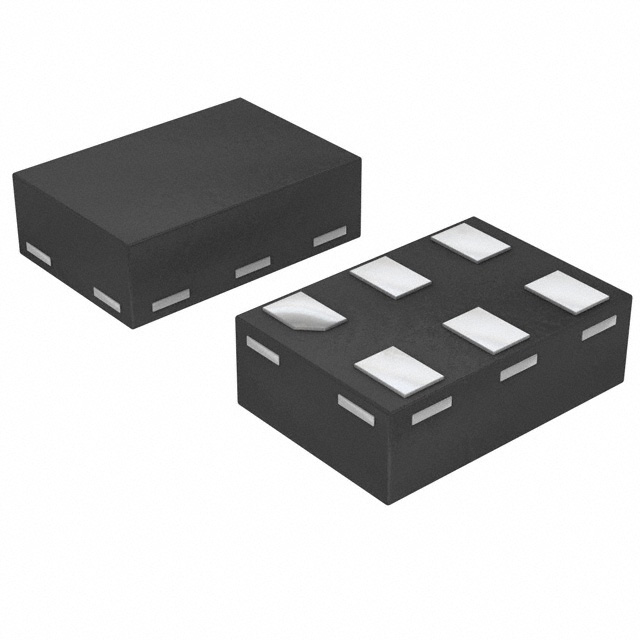
Logic buffers, drivers, receivers and transceivers allow isolated access to logic signals from one circuit for use in another circuit. Buffers pass their input signal, either unchanged or inverted, to their output and may be used to clean up a weak signal or drive a load. In a boolean logic simulator, a buffer is mainly used to increase propagation delay. Logic receivers and transceivers allow isolated communication between data buses.
| Select products | Mfr | Description | Package | Supplier Device Package | Mounting Type | Series | Operating Temperature |
|---|---|---|---|---|---|---|---|
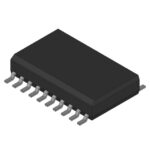 SN74LVC2244DW $0.09 | Texas Instruments | BUS DRIVER, LVC/LCX/Z SERIES | Bulk | - | - | 74LVC | - |
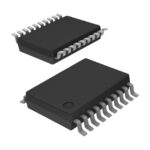 SN74LVC240ADBR $0.48 | Texas Instruments | IC BUFFER INVERT 3.6V 20SSOP | Tape & Reel (TR),Cut Tape (CT),Bulk | 20-SSOP | Surface Mount | 74LVC | -40°C ~ 125°C (TA) |
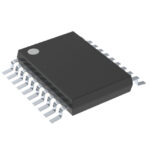 SN74LVC240ADGVR $0.69 | Texas Instruments | IC BUFFER INVERT 3.6V 20TVSOP | Tape & Reel (TR),Cut Tape (CT),Bulk | 20-TVSOP | Surface Mount | 74LVC | -40°C ~ 125°C (TA) |
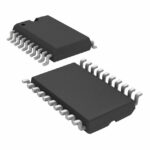 SN74LVC240ADW $1.11 | Texas Instruments | IC BUFFER INVERT 3.6V 20SOIC | Bulk,Tube | 20-SOIC | Surface Mount | 74LVC | -40°C ~ 125°C (TA) |
SN74LVC240ADWR $0.61 | Texas Instruments | IC BUFFER INVERT 3.6V 20SOIC | Tape & Reel (TR),Cut Tape (CT) | 20-SOIC | Surface Mount | 74LVC | -40°C ~ 125°C (TA) |
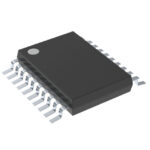 SN74LVC240ANS $1.05 | Texas Instruments | IC BUFFER INVERT 3.6V 20SO | Bulk,Tube | 20-SO | Surface Mount | 74LVC | -40°C ~ 125°C (TA) |
SN74LVC240ANSR $0.75 | Texas Instruments | IC BUFFER INVERT 3.6V 20SO | Tape & Reel (TR),Cut Tape (CT) | 20-SO | Surface Mount | 74LVC | -40°C ~ 125°C (TA) |
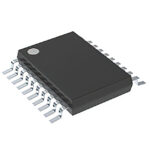 SN74LVC240APW $0.93 | Texas Instruments | IC BUFFER INVERT 3.6V 20TSSOP | Bulk,Tube | 20-TSSOP | Surface Mount | 74LVC | -40°C ~ 125°C (TA) |
 74VCX2245BQXView Product
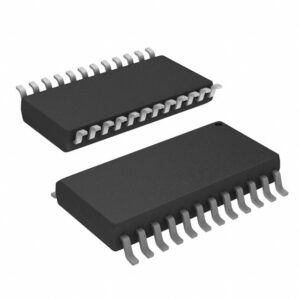 SN64BCT25245DWRG4View Product
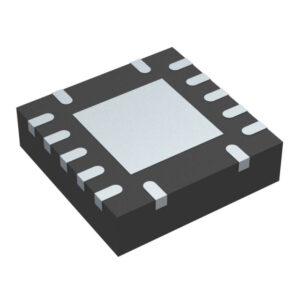 SN74ABT126RGYRView Product
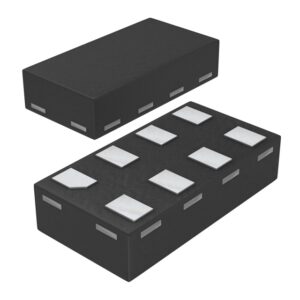 74LVC2G125GF,115View Product
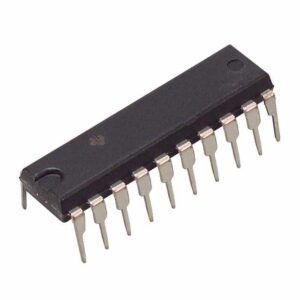 SN74AC244NG4View Product
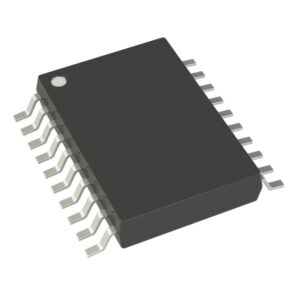 TC74VHC540FTELMView Product
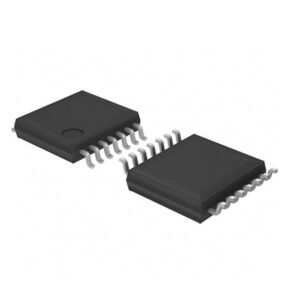 SN74LVC125ADBRView Product
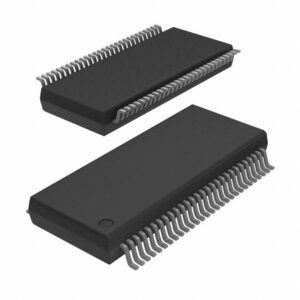 74LVT16543ADL,518View Product
 QS74FCT2245ATZView Product
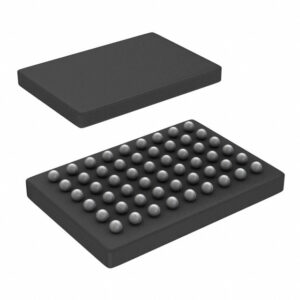 74ALVCH16245GRDRView Product
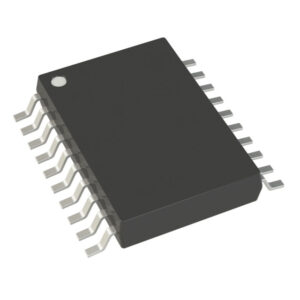 SN74AC245DGSRQ1View Product
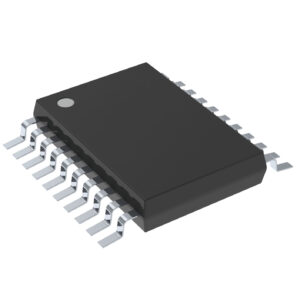 SN74AS652DWView Product

Recently, the global electronic components market has been constantly evolving, and different regions and enterprises have witnessed new moves in aspects such as technological…
Read More
Recently, a survey by the Electronic Components Industry Association (ECIA) revealed that the sales sentiment of global electronic components remained optimistic in the third…
Read More
In an era dominated by AI accelerators with terabytes of HBM memory and consumer devices racing toward LPDDR5X bandwidth, it’s easy to wonder: why…
Read More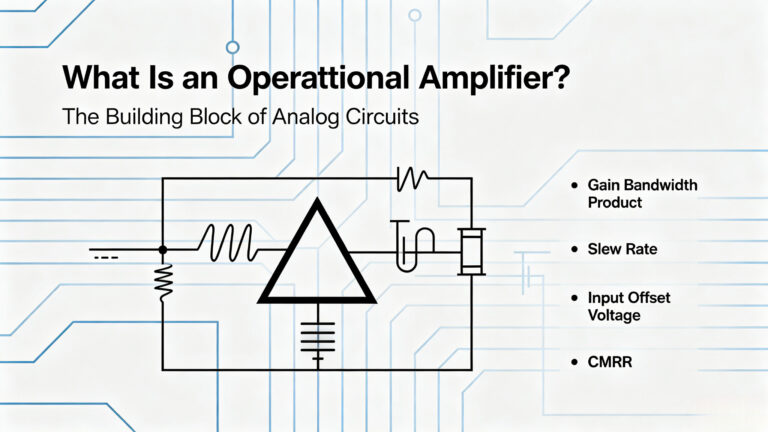
If you’ve spent any time staring at a schematic, you’ve seen the triangle. Two inputs, one output, and a gain symbol that looks deceptively…
Read More
The Dutch government’s intervention in the control of Nexperia (Anshi Semiconductor) is triggering a chain reaction of turmoil in the global power semiconductor market.…
Read More
Hsinchu, Taiwan – April 18, 2026 – United Microelectronics Corporation (UMC, NYSE: UMC), a leading global semiconductor foundry specializing in mature process technologies, has…
Read More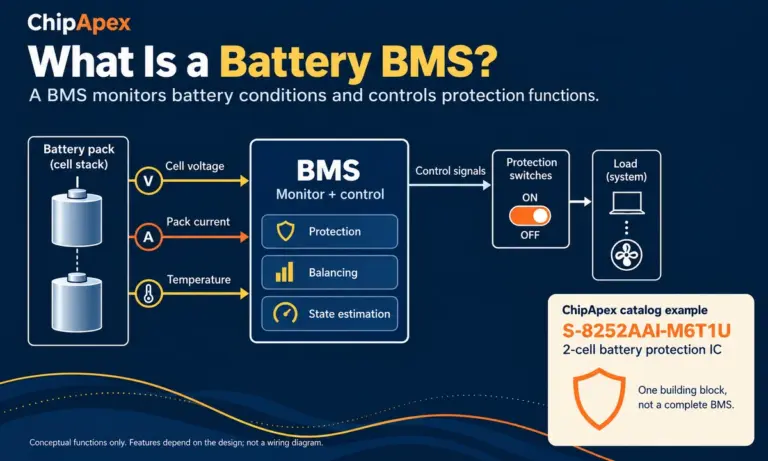
Learn what a battery BMS does, how protection differs from charging, and which pack specifications to check when sourcing BMS components through ChipApex.
Read More
Learn how a diode conducts, how to identify anode and cathode, and when to choose rectifier, TVS, Zener or photodiode types for a circuit.
Read More
Compare Pt100 and Pt1000 RTDs, two-, three- and four-wire connections, excitation and self-heating. Build an error budget from element to reported temperature.
Read More
Understand how oscillators generate timing signals, how they differ from crystals, and which frequency, output and stability specs matter when choosing one.
Read More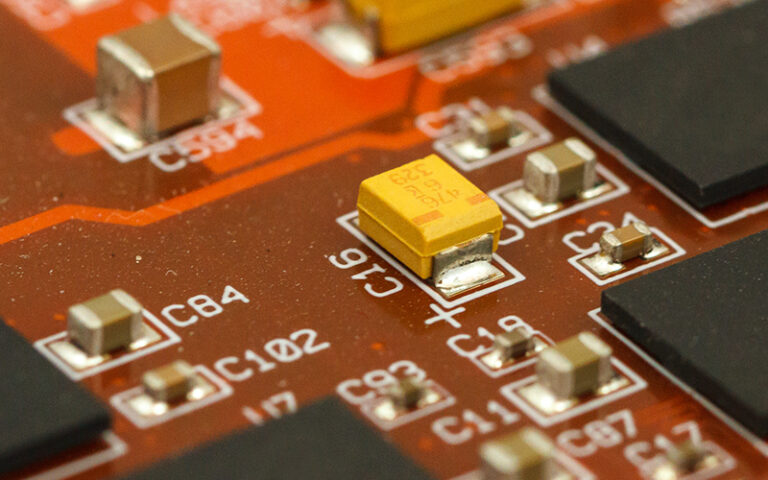
The global electronics industry is facing an escalating shortage of tantalum capacitors, a critical passive component, as surging demand from AI servers, automotive electronics,…
Read More
Understand how a comparator switches at a voltage threshold, why hysteresis prevents chatter, and which output and input specs matter.
Read More
The activity of extra discounts on wholesale prices is in full swing…
Please fill in your contact information and we will send you the latest wholesale price list.

