 ChipApex | Global Electronic Components Supplier

SEARCH
Search Product
Search Post
— IC芯片 | 连接器 | 传感器 | 被动器件 —
Search productSearch post
— IC芯片 | 连接器 | 传感器 | 被动器件 —
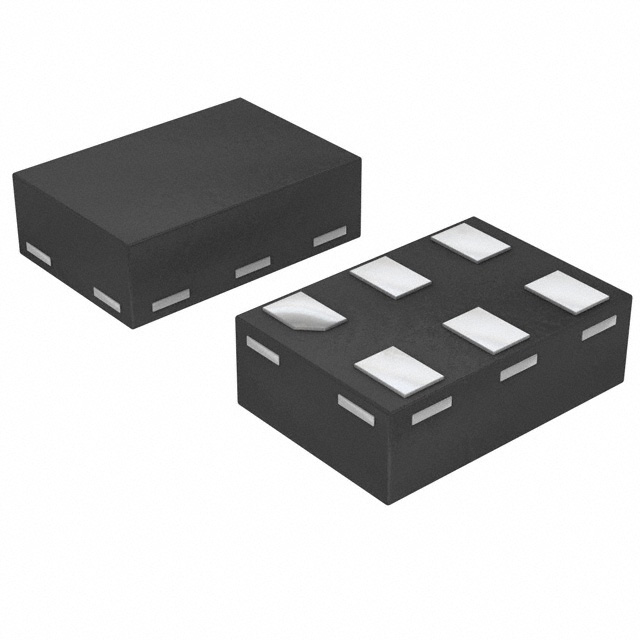
Logic buffers, drivers, receivers and transceivers allow isolated access to logic signals from one circuit for use in another circuit. Buffers pass their input signal, either unchanged or inverted, to their output and may be used to clean up a weak signal or drive a load. In a boolean logic simulator, a buffer is mainly used to increase propagation delay. Logic receivers and transceivers allow isolated communication between data buses.
| Select products | Mfr | Description | Package | Supplier Device Package | Mounting Type | Series | Operating Temperature |
|---|---|---|---|---|---|---|---|
 SN74LVC245AIDBRSV $0.23 | Texas Instruments | MOS LOGIC AUTOMOTIVE | Bulk | - | - | 74LVC | - |
 SN74LVC245AIPWREP $1.76 | Texas Instruments | IC TXRX NON-INVERT 3.6V 20TSSOP | Tape & Reel (TR),Cut Tape (CT),Bulk | 20-TSSOP | Surface Mount | 74LVC | -40°C ~ 85°C (TA) |
 SN74LVC245AN $1.15 | Texas Instruments | IC TXRX NON-INVERT 3.6V 20DIP | Bulk,Tube | 20-PDIP | Through Hole | 74LVC | -40°C ~ 125°C (TA) |
SN74LVC245ANE4 $0.66 | Texas Instruments | OCTAL BUS TRANSCEIVER WITH 3-STA | Tube | 20-PDIP | Through Hole | 74LVC | -40°C ~ 125°C (TA) |
SN74LVC245ANG4 $0.36 | Texas Instruments | IC TXRX NON-INVERT 3.6V 20DIP | Tube | 20-PDIP | Through Hole | 74LVC | -40°C ~ 125°C (TA) |
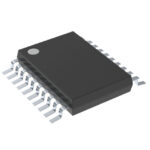 SN74LVC245ANS $1.18 | Texas Instruments | IC TXRX NON-INVERT 3.6V 20SO | Bulk,Tube | 20-SO | Surface Mount | 74LVC | -40°C ~ 125°C (TA) |
SN74LVC245ANSR $0.64 | Texas Instruments | IC TXRX NON-INVERT 3.6V 20SO | Tape & Reel (TR),Cut Tape (CT) | 20-SO | Surface Mount | 74LVC | -40°C ~ 125°C (TA) |
SN74LVC245APW $0.74 | Texas Instruments | IC TXRX NON-INVERT 3.6V 20TSSOP | Tube | 20-TSSOP | Surface Mount | 74LVC | -40°C ~ 125°C (TA) |
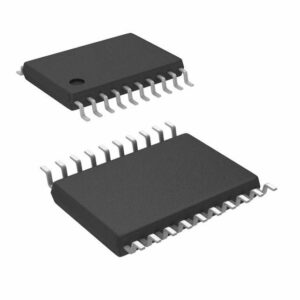 MC74VHC540DTR2View Product
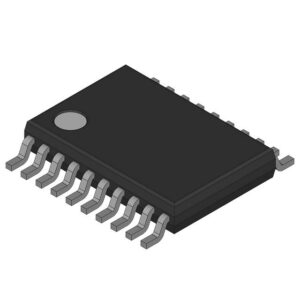 CY74FCT2245ATPWRG4View Product
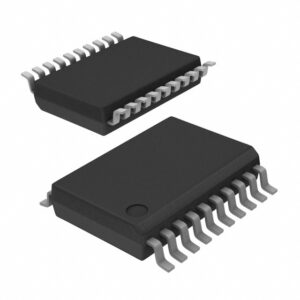 74HC640DB,118View Product
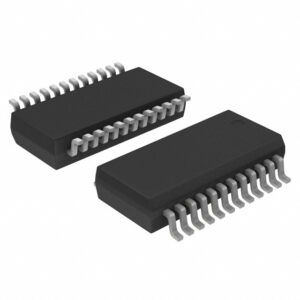 74LCX652MSAView Product
 QS74FCT240ATZView Product
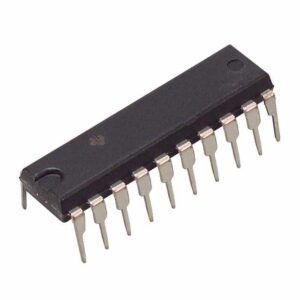 CD74HC240EView Product
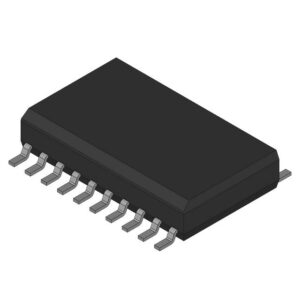 74F244SCView Product
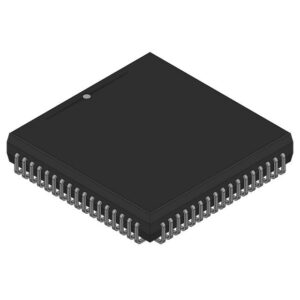 DS3875W-MPRView Product
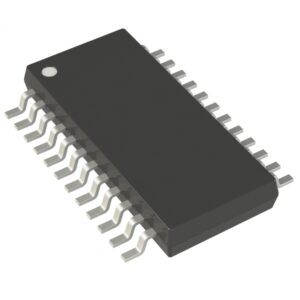 SN74ABT646ADBRView Product
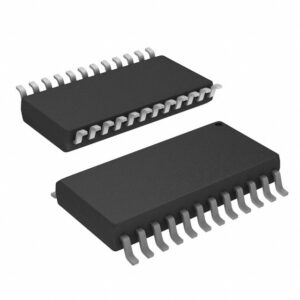 74ABT646AD,118View Product
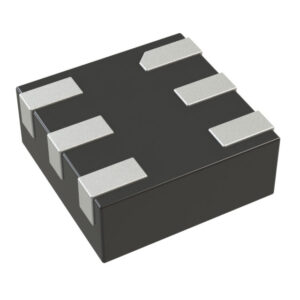 MC74VHC2G17MU3TCGView Product
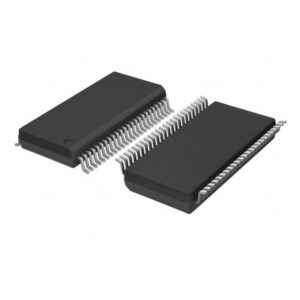 SN74AHC16540DGGRView Product

Compare RC, crystal and MEMS oscillator circuits. Check ppm, jitter, load capacitance, startup margin and output compatibility before choosing a clock source.
Read More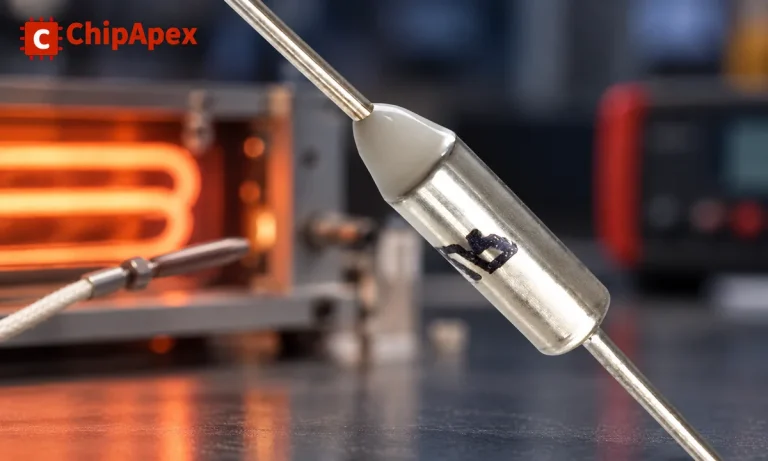
Understand thermal fuse operation, Tf, Th and Tm, electrical ratings and mounting. Check temperature limits and replacement requirements for your design.
Read More
See when an inductor behaves linearly, how DC bias and saturation reduce inductance, and which current and temperature curves to check.
Read More
Compare thermistors, RTDs, thermocouples and temperature ICs. Learn how range, accuracy, response, interfaces and mounting affect component selection.
Read More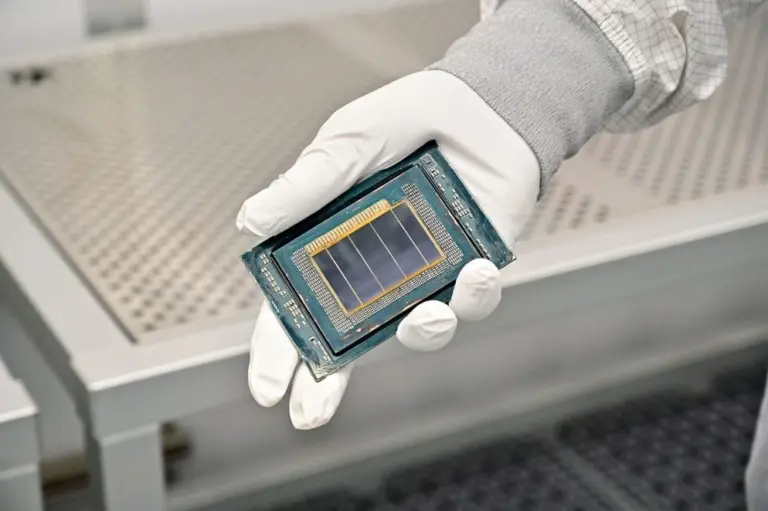
Recently, global semiconductor manufacturers have been constantly taking actions and presenting numerous new developments in aspects such as process technology and product research and…
Read More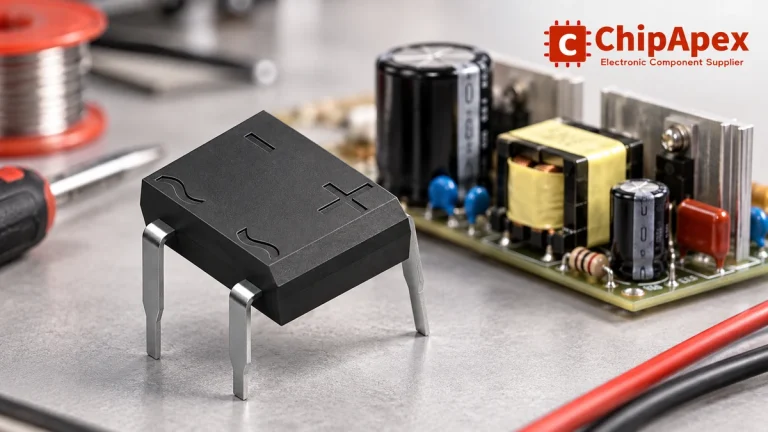
Select a bridge rectifier by reverse voltage, capacitor charging current, startup surge and cooling. Work through a stated DC voltage and ripple example.
Read More
Recently, global semiconductor manufacturers have been constantly making moves in aspects such as technological cooperation, product manufacturing processes, and market layout, demonstrating the rapid…
Read More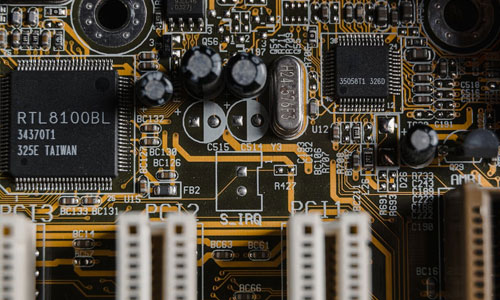
The rapid advancement of artificial intelligence (AI) is transforming industries across the globe, and the world of electronic components is no exception. From smarter…
Read More
Choose an ADC converter by resolution, sample rate, noise and input design. Review practical tradeoffs and prepare component requirements for ChipApex.
Read More
In embedded design, the tug-of-war between cost and performance is constant. On one side, you have Microcontrollers (MCUs)—cheap, simple, and efficient. On the other,…
Read More
Choose a DIP switch by contact type, coded positions, footprint and signal ratings. Check logic polarity, assembly conditions and PCB configuration behavior.
Read More
If you’ve spent any time staring at a schematic, you’ve seen the triangle. Two inputs, one output, and a gain symbol that looks deceptively…
Read More
The activity of extra discounts on wholesale prices is in full swing…
Please fill in your contact information and we will send you the latest wholesale price list.

