ChipApex | Global Electronic Components Supplier

SEARCH
Search Product
Search Post
— IC芯片 | 连接器 | 传感器 | 被动器件 —
Search productSearch post
— IC芯片 | 连接器 | 传感器 | 被动器件 —

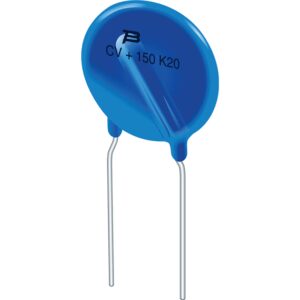
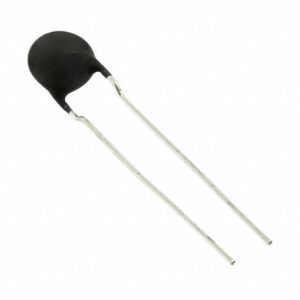
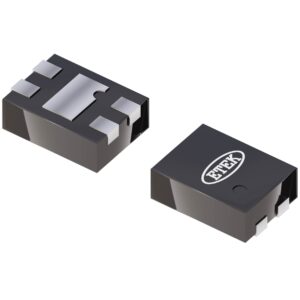
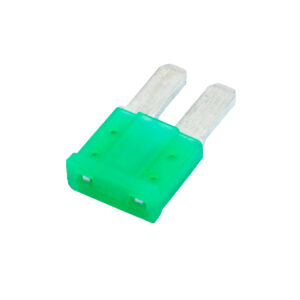
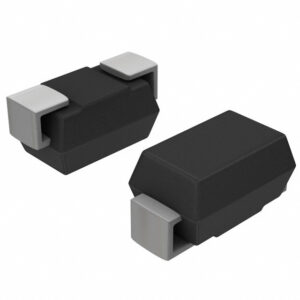
Circuit protection refers to the strategies and components used to shield electrical systems from damage caused by abnormal conditions like short circuits, overcurrent, overvoltage, or excessive temperature. A protected circuit is designed to safely disconnect or redirect dangerous electrical energy before it can harm devices, wiring, or users. Without appropriate protection, faults can cause equipment failure, fire hazards, or even electric shocks, especially in sensitive electronic and motor control applications. Two of the most widely used protection devices are fuses and circuit breakers. A fuse contains a metal wire that melts when the current exceeds a specific threshold, permanently breaking the circuit to prevent further damage. Fuses are simple and cost-effective, but must be replaced once blown. Circuit breakers, in contrast, are mechanical switches that detect overcurrent and trip open—disconnecting power without requiring replacement. These can be reset once the fault is cleared. Ground fault circuit interrupters (GFCIs) are a specialized type of breaker used to protect people from electric shock. They monitor current balance between the hot and neutral lines and trip instantly when leakage to ground is detected, often caused by damaged insulation or contact with water. In modern electronic systems, solid-state circuit protection devices are increasingly important. Components such as varistors—especially metal oxide varistors (MOVs)—and transient voltage suppressors (TVS) are designed to handle voltage spikes or transients caused by inductive loads, lightning strikes, or static discharge. These devices can absorb or redirect excess energy, protecting delicate semiconductors from failure. Other devices like thermal cutoffs (thermal fuses) disconnect circuits when operating temperatures rise too high, while gas discharge tubes (GDT) arresters protect against high-energy surges, especially in communication or low-voltage power lines.
| Select products | Mfr | Description | Package | Supplier Device Package | Mounting Type | Series | Operating Temperature |
|---|---|---|---|---|---|---|---|
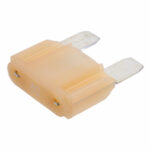 0299080.L $2.12 | Littelfuse Inc. | FUSE AUTO 80A 32VDC BLADE MAX | Bulk | Requires Holder | MAXI® | -40°C ~ 125°C | |
0299080.TXN $3.54 | Littelfuse Inc. | FUSE AUTO 80A 32VDC BLADE MAX | Bulk | Requires Holder | MAXI® | -40°C ~ 125°C | |
0299080.ZXNV $2.19 | Littelfuse Inc. | FUSE AUTO 80A 32VDC BLADE MAX | Bulk | Requires Holder | MAXI® | -40°C ~ 125°C | |
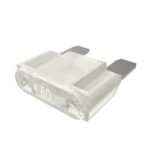 0299080.ZXT $0.82 | Littelfuse Inc. | FUSE AUTO 80A 32VDC BLADE MAX | Bulk | Requires Holder | MAXI® | -40°C ~ 125°C | |
 02CO002.Z $38.00 | Littelfuse Inc. | FUSE CARTRIDGE 2A 600VAC/250VDC | Bulk | Bolt Mount | HRCII-C | - | |
02CO030.Z $33.66 | Littelfuse Inc. | FUSE CARTRIDGE 30A 600VAC/250VDC | Bulk | Bolt Mount | HRCII-C | - | |
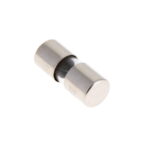 0301001.H $0.51 | Littelfuse Inc. | FUSE GLASS 1A 125VAC 1AG | Bulk | Requires Holder | 301 | - | |
0301001.M $0.14 | Littelfuse Inc. | FUSE GLASS 1A 32VAC/VDC 1AG | Bulk | Requires Holder | AGA | - |

Learn why PTC resistance rises with temperature, how it differs from NTC, and which ratings matter for sensing and protection.
Read MoreA digital-to-analog converter (DAC) turns a digital number into an analog voltage or current. It lets a controller set a physical output, such as…
Read More
Compare RC, crystal and MEMS oscillator circuits. Check ppm, jitter, load capacitance, startup margin and output compatibility before choosing a clock source.
Read More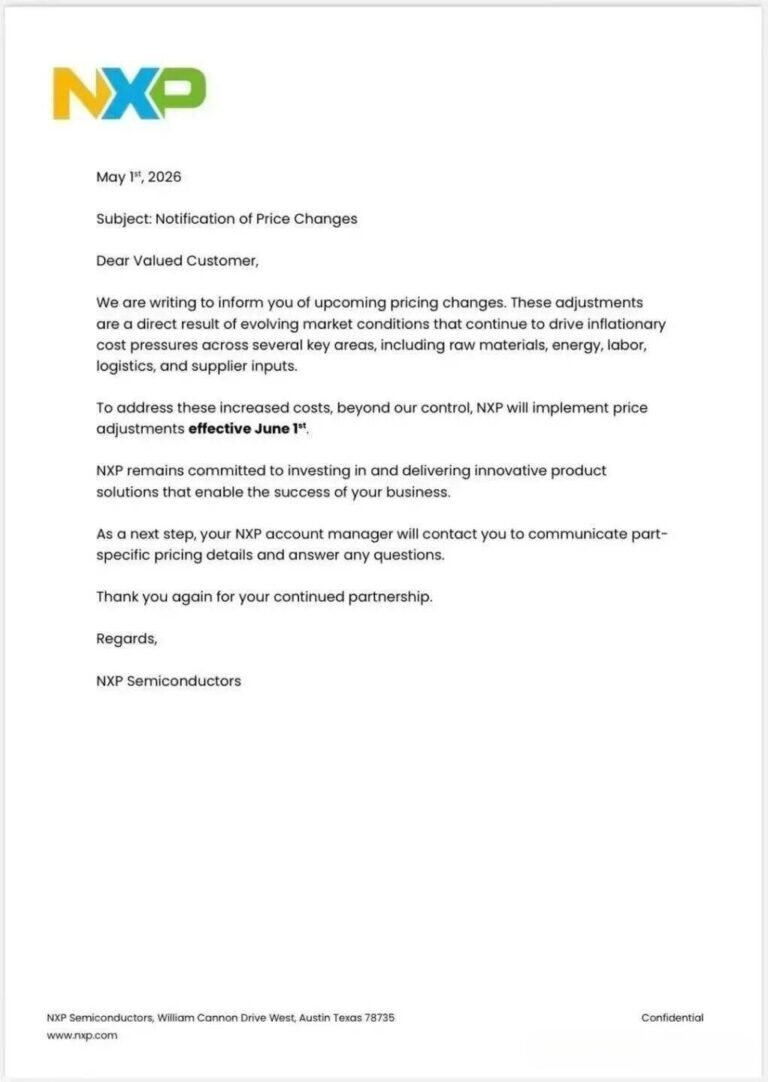
May 8, 2026 – Eindhoven, Netherlands NXP Semiconductors (NXPI), a global leader in automotive and industrial semiconductor solutions, has officially notified its worldwide channel…
Read More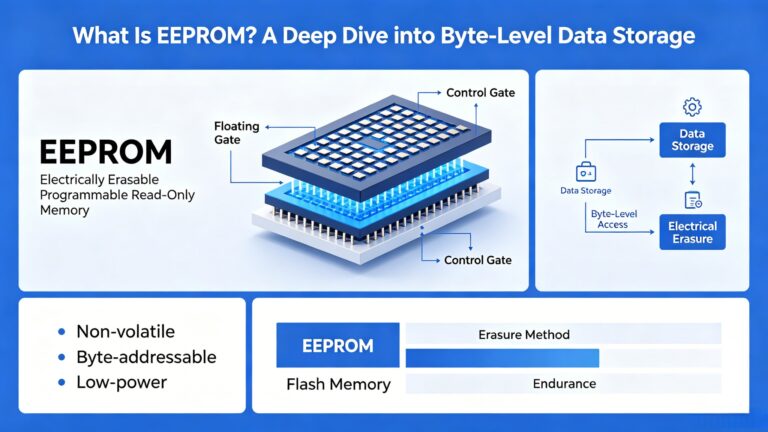
In the vast landscape of memory technology, EEPROM (Electrically Erasable Programmable Read-Only Memory) often plays the unsung hero. While NAND Flash grabs headlines for…
Read More
Selecting the right microcontroller (MCU) isn’t just about specs—it’s about balancing performance, power, cost, and supply chain reliability. As an engineer, you’ve probably faced…
Read More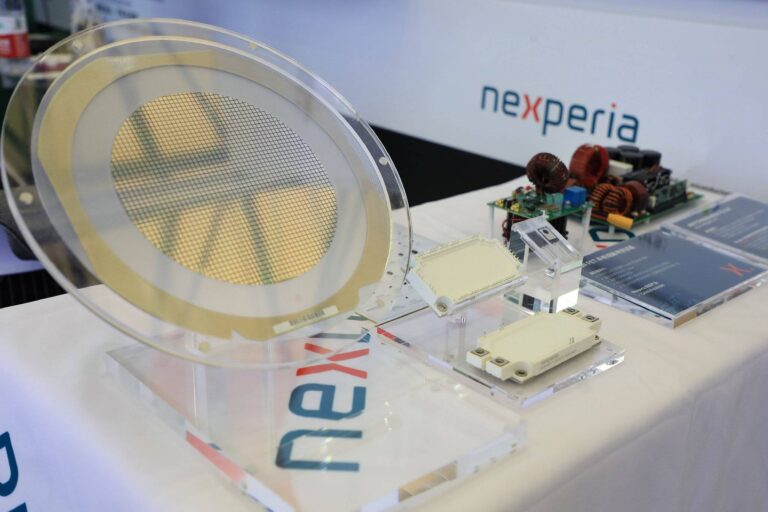
Dutch authorities announced on November 7 the lifting of control measures on Nexperia (formerly NXP Semiconductors’ Standard Products division), marking the end of a…
Read More
Learn what an integrated circuit is, how ICs work, the main types and the specs to check before choosing a part for your design…
Read More
Understand tactile switches, PCB and keyboard differences, four-pin wiring, debounce, force, travel and replacement checks for reliable control inputs.
Read More
Choose logic inverter ICs by thresholds, supply, output drive and delay. Compare standard and Schmitt-trigger inputs, power sequencing and replacement checks.
Read More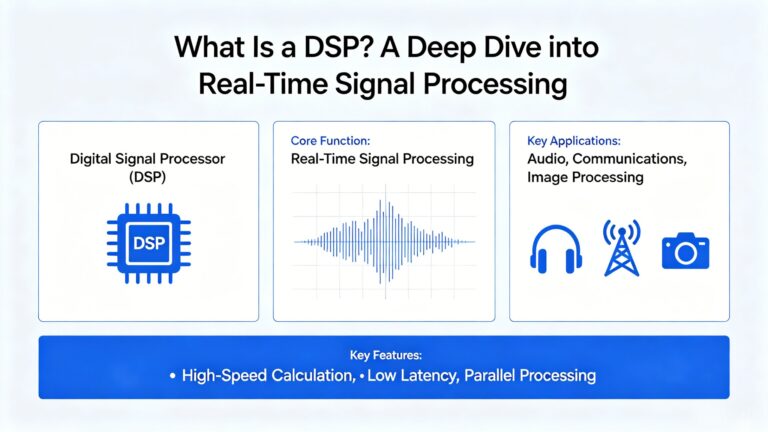
In the embedded world, general-purpose CPUs are great at running operating systems, and MCUs excel at logic control. But when you need to process…
Read More
Latest updates from leading semiconductor manufacturers: Wolfspeed launches new SiC modules, AMD reveals MI430X with HBM4, TSMC eyes third Japan fab, and Samsung samples…
Read More
The activity of extra discounts on wholesale prices is in full swing…
Please fill in your contact information and we will send you the latest wholesale price list.