 ChipApex | Global Electronic Components Supplier

SEARCH
Search Product
Search Post
Search productSearch post
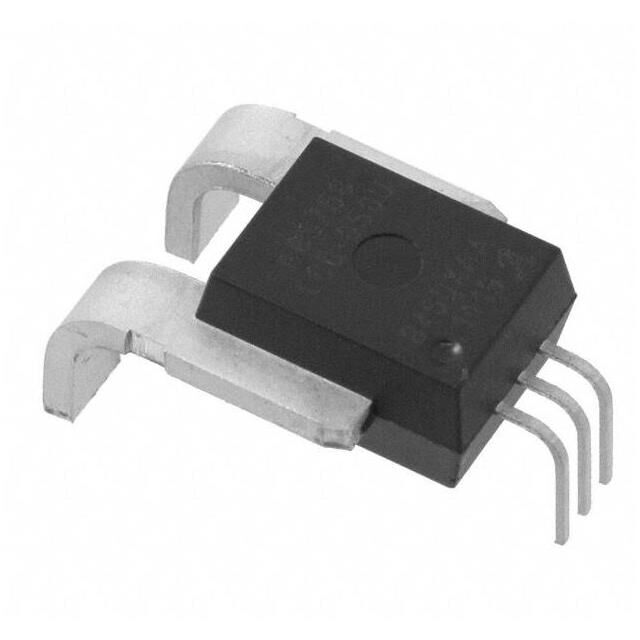
Current Sensors are designed to detect and respond to changes in the flow of electricity in a wire or circuit. The sensor types are current switch, flux gate, hall effect, current indicator, current sensor, magnetic modulator, magnetoresistive, and transformer w/conditioning with current sensing ranging from programmable to 5mA to 2500A for measuring AC or DC current.
| Select products | Mfr | Description | Package | Supplier Device Package | Mounting Type | Series | Operating Temperature |
|---|---|---|---|---|---|---|---|
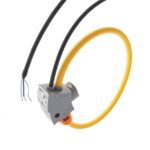 1033482 $217.95 | Phoenix Contact | PACT RCP-D140-10M | Bulk | - | Busbar (Clamp-on) | - | -30°C ~ 80°C |
 1136504 $383.81 | Phoenix Contact | SENSOR CURRENT HALL 11A AC/DC | Bulk | - | DIN Rail | - | -40°C ~ 60°C |
 1136513 $427.53 | Phoenix Contact | SENSOR CURRENT HALL 55A AC/DC | Bulk | - | DIN Rail | - | -40°C ~ 60°C |
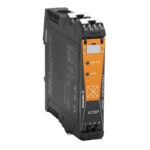 1510390000 $187.58 | Weidmüller | CONDITIONER SIGNAL RAIL MNT | Bulk | - | DIN Rail | - | -25°C ~ 60°C |
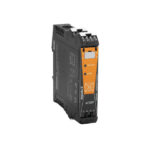 1510470000 $254.13 | Weidmüller | CONDITIONER SIGNAL RAIL MNT | Bulk | - | DIN Rail | - | -25°C ~ 60°C |
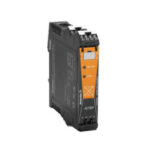 1510540000 $278.69 | Weidmüller | ACT20P-CMT-30-AO-RC-S | Bulk | - | DIN Rail | - | -25°C ~ 60°C |
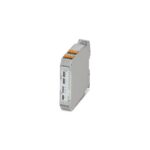 1698164 $427.53 | Phoenix Contact | SENSOR CURRENT HALL 11A AC/DC | Bulk | - | DIN Rail | - | -40°C ~ 60°C |
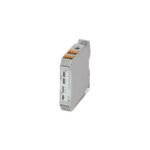 1698172 $453.75 | Phoenix Contact | SENSOR CURRENT HALL 55A AC/DC | Bulk | - | DIN Rail | - | -40°C ~ 60°C |
 RCM14-04 SYSTEM CTView Product
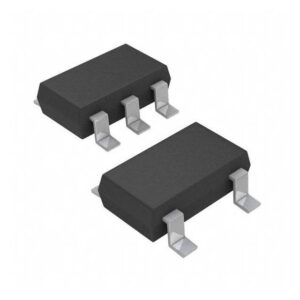 CT220FMC-HS5View Product
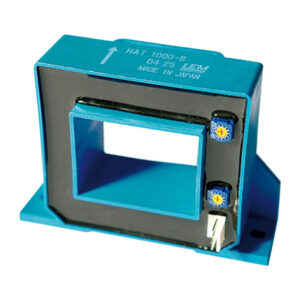 HAT 728-T/SP17View Product
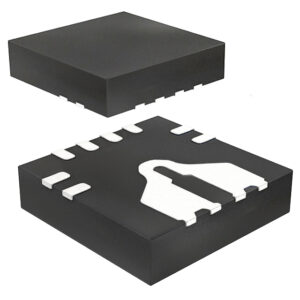 ACS71240KEXBLT-030B5View Product
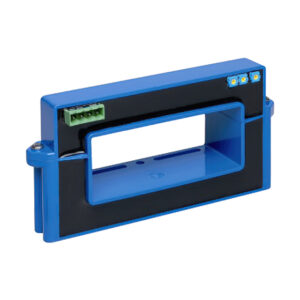 AHR 1000 B5View Product
 ISOBLOCK I-ST-1C (50MA 5V)View ProductCR4410S-5View Product
 351-2View Product
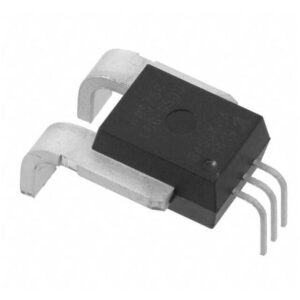 ACS759ECB-200B-PFF-TView Product5AS-1200A:5A-5x5(1%,2.5VA)View Product
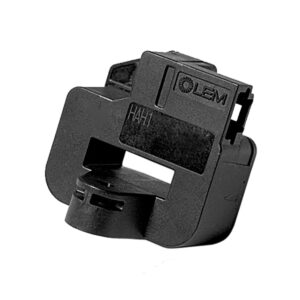 HAH1DRW 200-S/SP5View Product
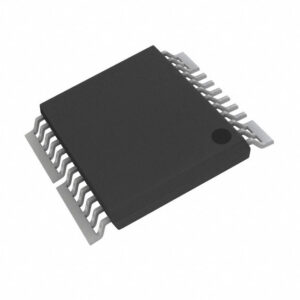 CQ3300View Product
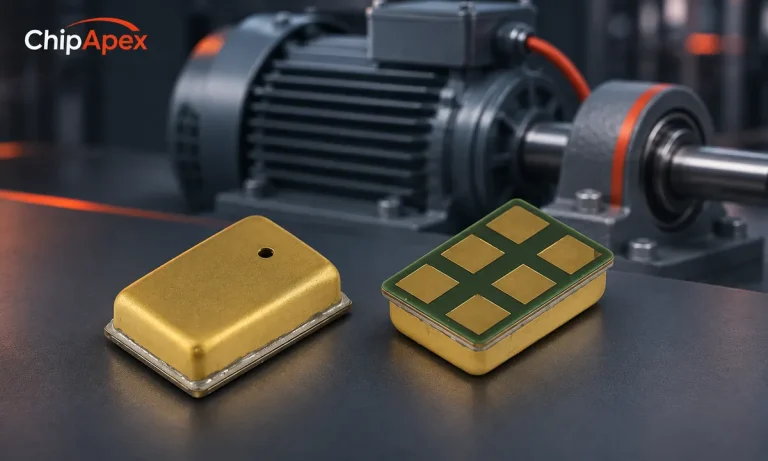
Choose a vibration sensor for machine monitoring. Compare sensing methods, bandwidth, noise and mounting, then define the signal-chain requirements.
Read More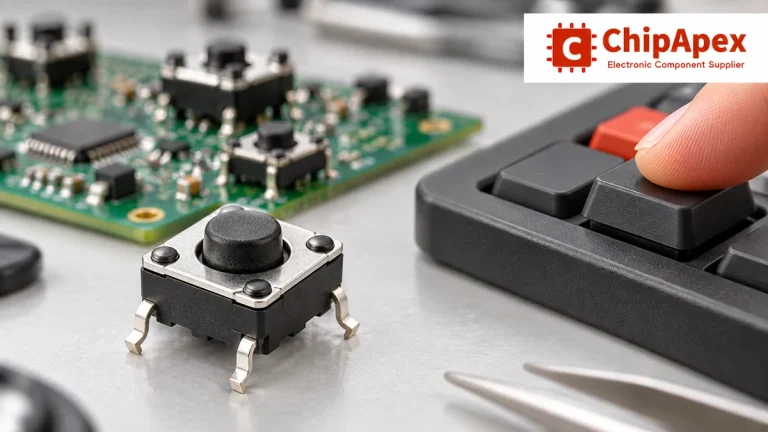
Understand tactile switches, PCB and keyboard differences, four-pin wiring, debounce, force, travel and replacement checks for reliable control inputs.
Read More
[Shenzhen/Shanghai/Beijing, January 2025] — As global digital transformation accelerates, the electronic components industry has reached a critical inflection point in 2025. Emerging fields such…
Read More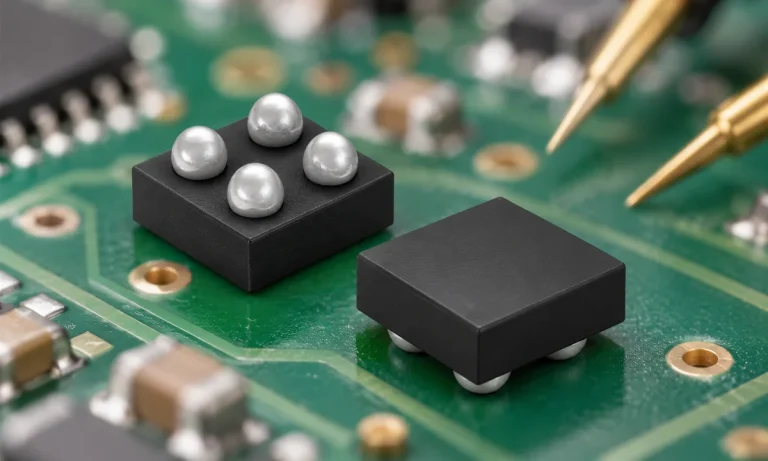
Understand how a comparator switches at a voltage threshold, why hysteresis prevents chatter, and which output and input specs matter.
Read More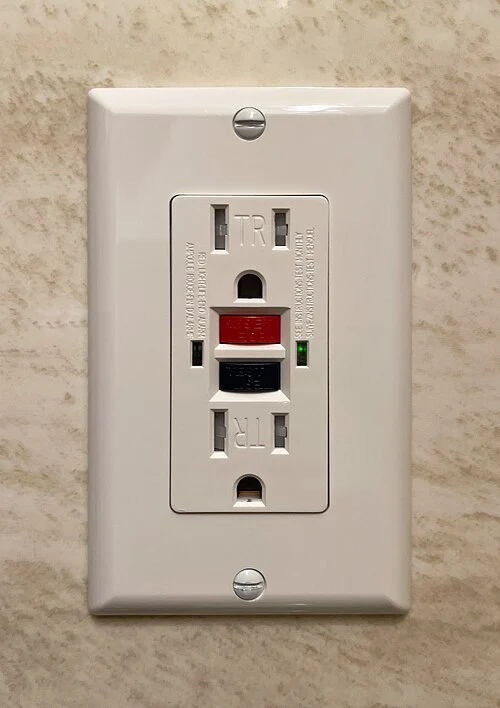
Compare standard breakers, GFCI receptacles and GFCI breakers, including the faults each detects and the ratings and listings to check before specifying.
Read More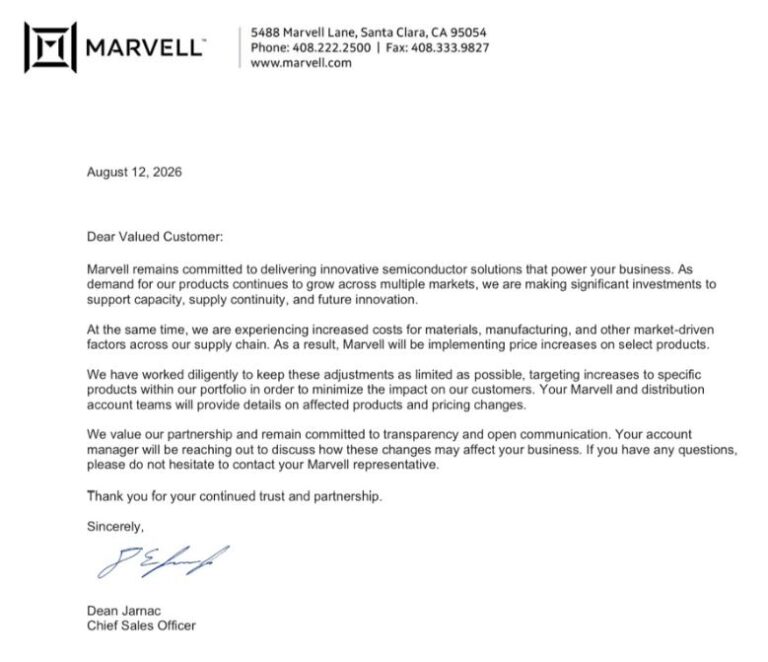
SANTA CLARA, Calif. — Leading semiconductor solution provider Marvell Technology (NASDAQ: MRVL) officially rolled out a selective price adjustment for its core electronic component…
Read More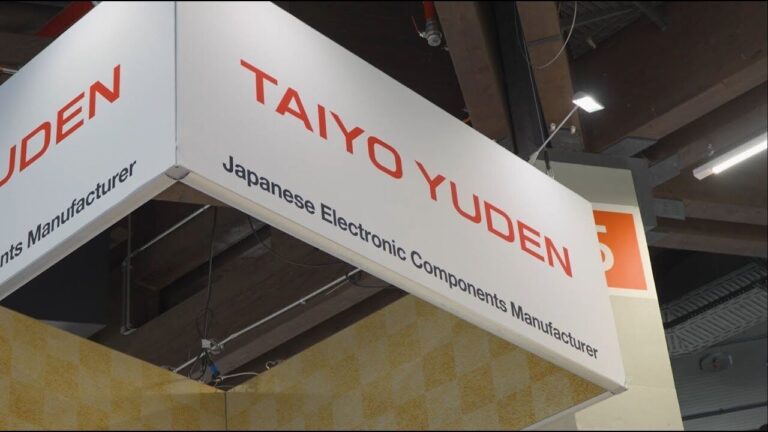
TOKYO, April 15, 2026 – Taiyo Yuden Co., Ltd. (TAIYO YUDEN), a leading global manufacturer of passive electronic components, has officially notified its worldwide…
Read More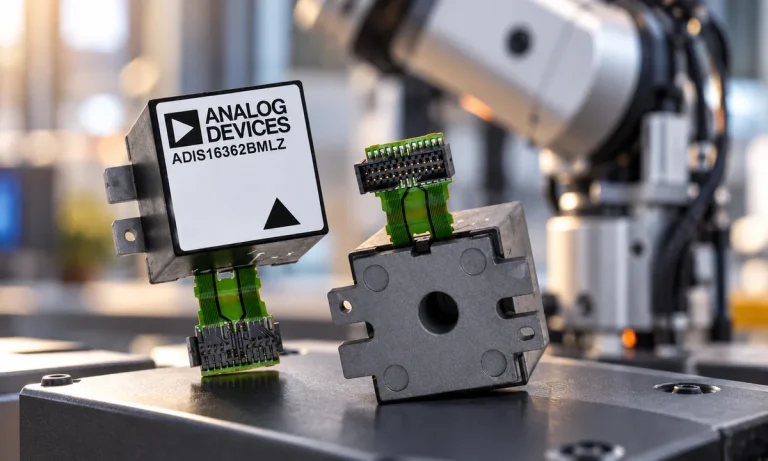
Learn what an IMU measures, how accelerometers and gyroscopes work together, why orientation estimates drift, and what to compare.
Read More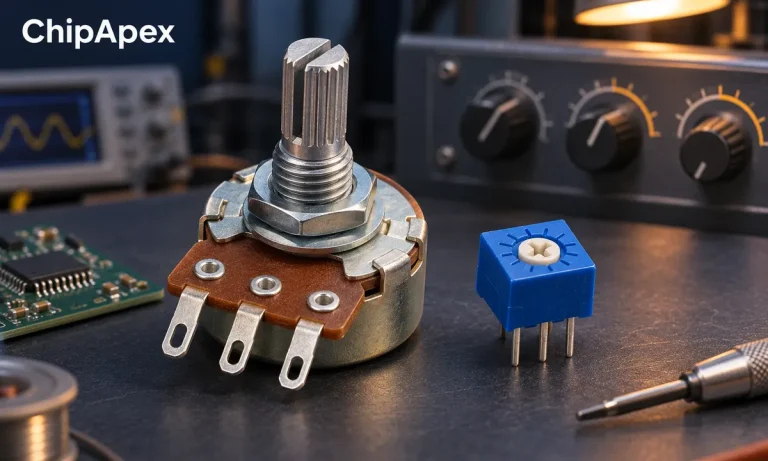
Compare rheostat and potentiometer wiring and functions. Understand divider loading, wiper current, track power and practical component selection.
Read More
Learn how to use ferrite beads for noise filtering. Check impedance, DC bias, placement, resonance and load-step behavior before selecting a part.
Read More
Understand how oscillators generate timing signals, how they differ from crystals, and which frequency, output and stability specs matter when choosing one.
Read More
Compare gas sensor technologies, cross-sensitivity and calibration needs. Define the gas, range and environment before choosing a sensing component.
Read More
The activity of extra discounts on wholesale prices is in full swing…
Please fill in your contact information and we will send you the latest wholesale price list.

