 ChipApex | Global Electronic Components Supplier

SEARCH
Search Product
Search Post
— IC芯片 | 连接器 | 传感器 | 被动器件 —
Search productSearch post
— IC芯片 | 连接器 | 传感器 | 被动器件 —
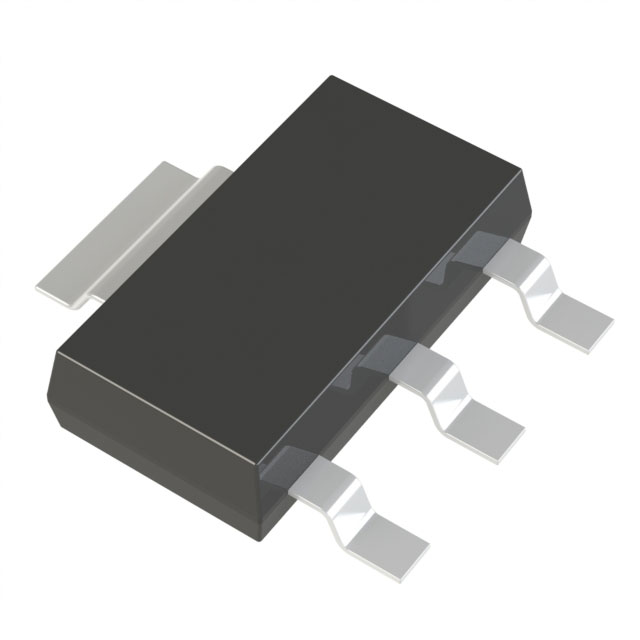
Linear voltage regulators, including LDO (Low Drop Out) types, are used to provide a stable output voltage that is nominally invariant with respect to changes in load current, input voltage, or environmental factors. Their operating principle requires that the input voltage be maintained above the desired output voltage by some minimum amount, and function on the basis of converting whatever excess voltage is present at the input to heat. While this renders them less efficient than switch-mode voltage regulators for most applications, they are often better suited for applications with high sensitivity to noise.
| Select products | Mfr | Description | Package | Supplier Device Package | Mounting Type | Series | Operating Temperature |
|---|---|---|---|---|---|---|---|
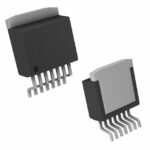 CS8151YDPS7G $1.50 | onsemi | IC REG LINEAR 5V 100MA D2PAK-7 | Tube | D2PAK-7 | Surface Mount | - | -40°C ~ 125°C |
CS8151YDPSR7 $1.50 | onsemi | IC REG LINEAR 5V 100MA D2PAK-7 | Tape & Reel (TR),Bulk | D2PAK-7 | Surface Mount | - | -40°C ~ 125°C |
CS8151YDPSR7G $1.50 | onsemi | IC REG LINEAR 5V 100MA D2PAK-7 | Bulk | D2PAK-7 | Surface Mount | - | -40°C ~ 125°C |
 CS8151YDWFR16 $1.06 | onsemi | IC REG LINEAR 5V 100MA 16-SOIC | Tape & Reel (TR) | 16-SOIC | Surface Mount | - | -40°C ~ 125°C |
 CS8151YT7 $2.43 | onsemi | IC REG LINEAR 5V 100MA TO220-7 | Tube,Tube | TO-220-7 | Through Hole | - | -40°C ~ 125°C |
CS8151YT7G $2.80 | onsemi | IC REG LINEAR 5V 100MA TO220-7 | Tube,Tube | TO-220-7 | Through Hole | - | -40°C ~ 125°C |
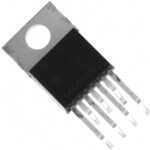 CS8151YTHA7G $1.34 | onsemi | IC REG LINEAR 5V 100MA TO220-7 | Tube | TO-220-7 | Through Hole | - | -40°C ~ 125°C |
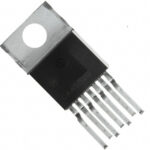 CS8151YTVA7 $1.34 | onsemi | IC REG LINEAR 5V 100MA TO220-7 | Tube | TO-220-7 | Through Hole | - | -40°C ~ 125°C |
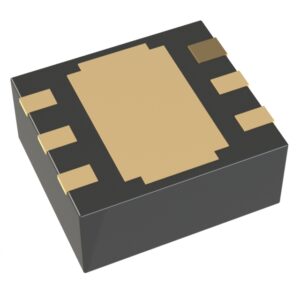 XC6901D731ER-GView Product
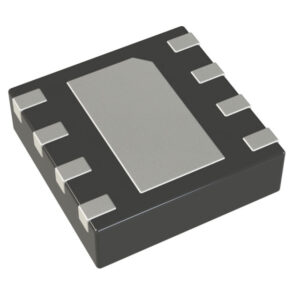 ISL9012IRBJZ-TView Product
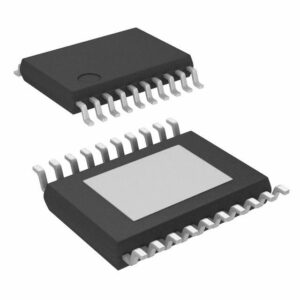 TPS77516PWPRView Product
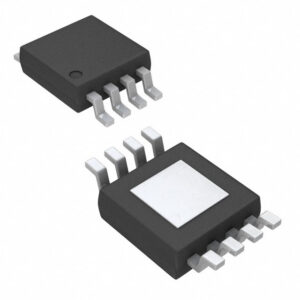 S-19244D33H-E8T1UView Product
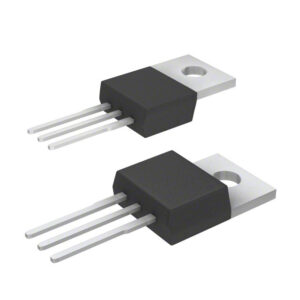 MCP1827S-1202E/ABView Product
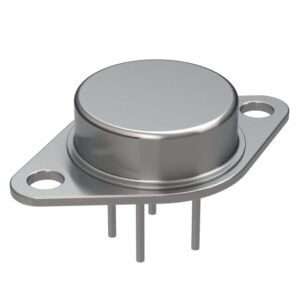 LT1036CKView Product
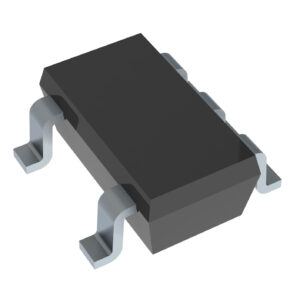 TPS79328DBVRView Product
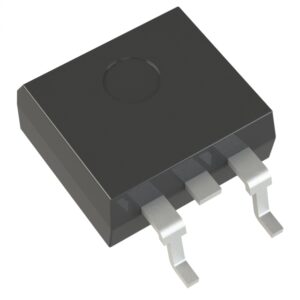 MC7806BD2TR4GView Product
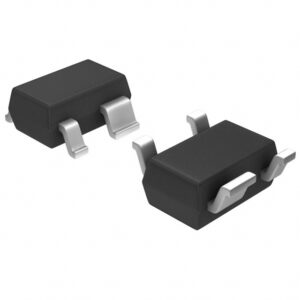 NCP4685ESQ33T1GView Product
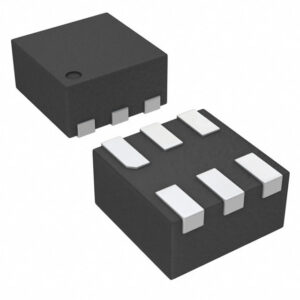 TLV7113333DDSERView Product
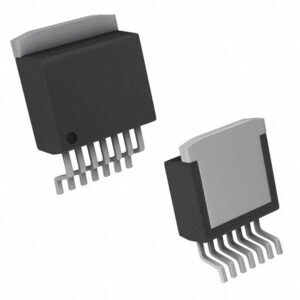 LM9070SView Product
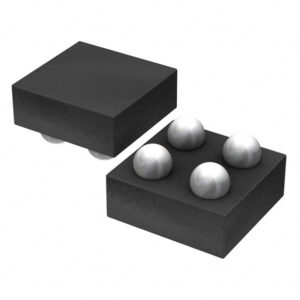 BH15RB1WGUT-E2View Product
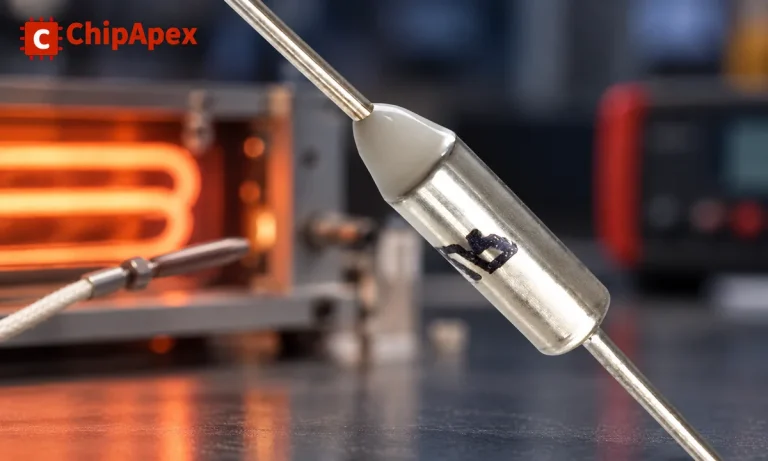
Understand thermal fuse operation, Tf, Th and Tm, electrical ratings and mounting. Check temperature limits and replacement requirements for your design.
Read More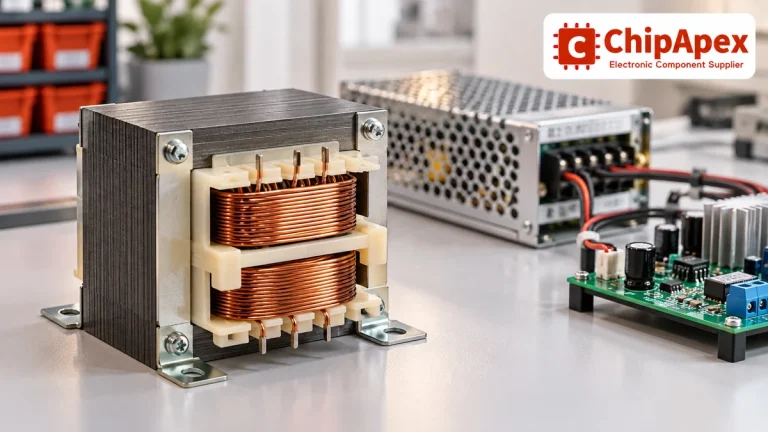
Select power transformers by input frequency, secondary VA, rectifier load, isolation, regulation and inrush. Build a clearer specification for your next RFQ.
Read More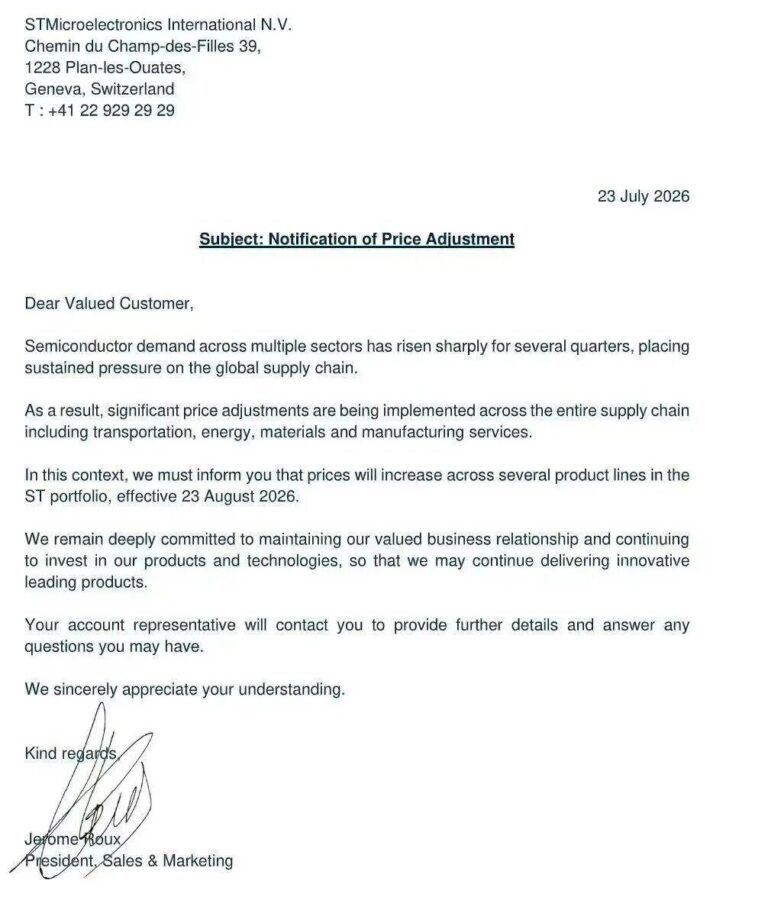
Geneva, Switzerland – August 20, 2026 – Global leading semiconductor manufacturer STMicroelectronics (ST) has officially issued a new global price adjustment notice to global…
Read More
Compare Pt100 and Pt1000 RTDs, two-, three- and four-wire connections, excitation and self-heating. Build an error budget from element to reported temperature.
Read More
Understand tactile switches, PCB and keyboard differences, four-pin wiring, debounce, force, travel and replacement checks for reliable control inputs.
Read More
Tokyo / Munich / Tessenderlo, December 24, 2025As the global semiconductor industry enters the first year of the 2nm process era, international electronic component…
Read More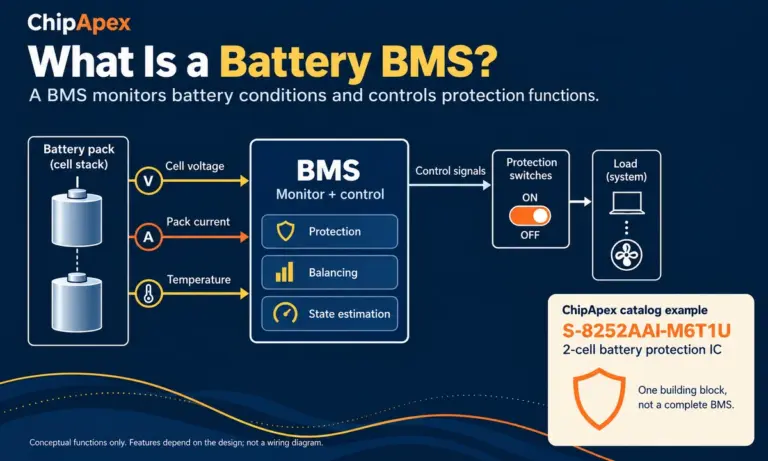
Learn what a battery BMS does, how protection differs from charging, and which pack specifications to check when sourcing BMS components through ChipApex.
Read More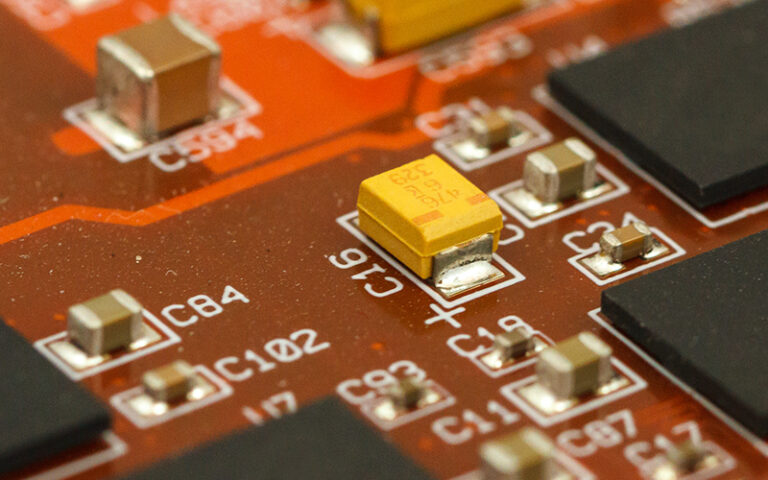
The global electronics industry is facing an escalating shortage of tantalum capacitors, a critical passive component, as surging demand from AI servers, automotive electronics,…
Read More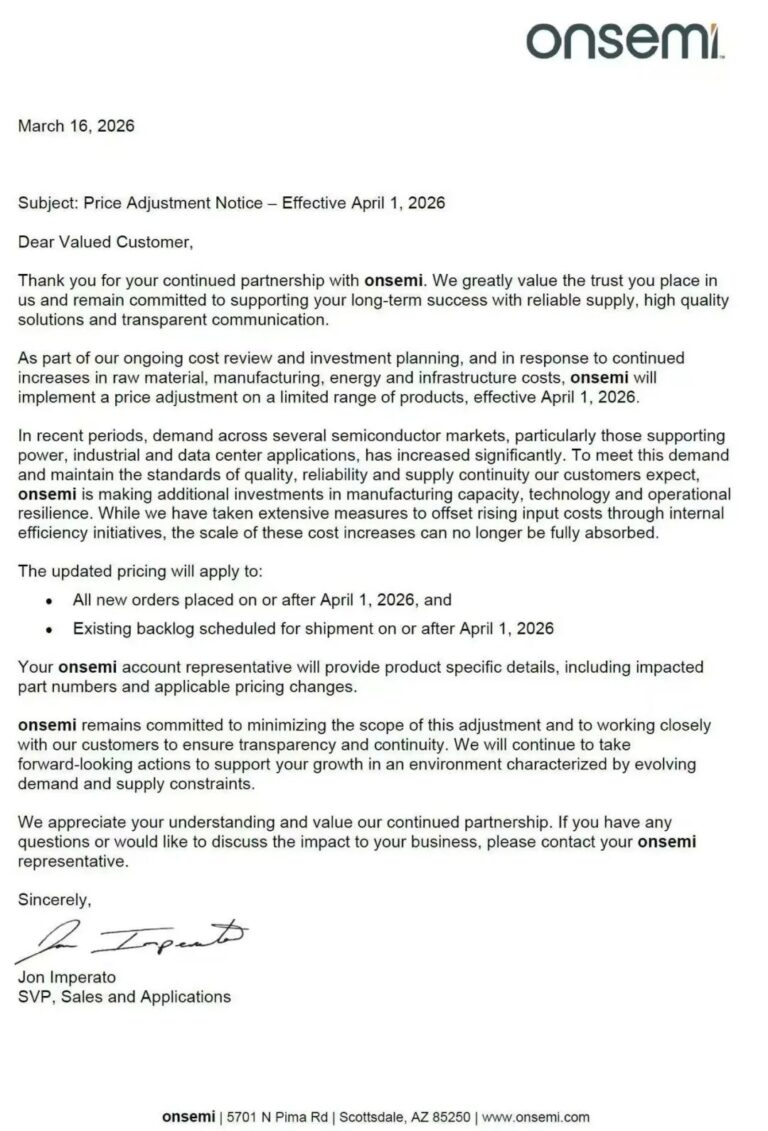
ON Semiconductor (onsemi), a global leader in intelligent power and sensing technologies, has announced plans to implement price adjustments for select product lines, effective…
Read More
As 2025 draws to a close, the global semiconductor industry stands at a crossroads. Intertwined with escalating geopolitical tensions, supply chain disruptions, and groundbreaking…
Read More
Learn why PTC resistance rises with temperature, how it differs from NTC, and which ratings matter for sensing and protection.
Read More
If you’ve spent any time staring at a schematic, you’ve seen the triangle. Two inputs, one output, and a gain symbol that looks deceptively…
Read More
The activity of extra discounts on wholesale prices is in full swing…
Please fill in your contact information and we will send you the latest wholesale price list.

