ChipApex | Global Electronic Components Supplier

SEARCH
Search Product
Search Post
— IC芯片 | 连接器 | 传感器 | 被动器件 —
Search productSearch post
— IC芯片 | 连接器 | 传感器 | 被动器件 —
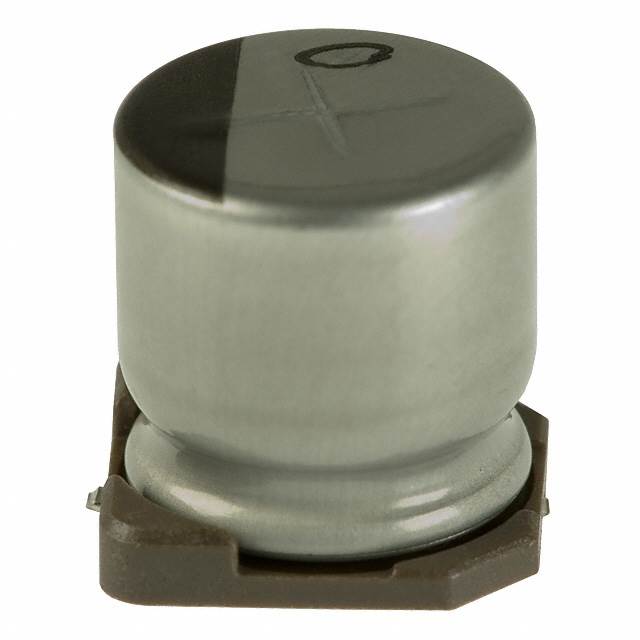
An electrolytic capacitor is a type of polarized capacitor that uses a wet electrolytic solution and an oxide film to store electrical charge. An example is the aluminum electrolytic capacitor which contains two closely spaced spooled strips of aluminum foil for the positive anode and negative cathode. These are separated by a thin spacer material soaked in the wet electrolyte. The thin insulating layer of aluminum oxide formed on the anode between the foil plates acts as the dielectric, creating a high-capacitance device in a compact package. These polarized capacitors are well-suited for applications where space and weight are at a premium, such as in electronic devices, power supplies, and filtering circuits.
| Select products | Mfr | Description | Package | Supplier Device Package | Mounting Type | Series | Operating Temperature |
|---|---|---|---|---|---|---|---|
 220MXC820MEFCSN35X30 $3.84 | Rubycon | CAP ALUM 820UF 20% 220V SNAP TH | Bulk | Through Hole | MXC | -40°C ~ 105°C | |
| Rubycon | CAP ALUM 1000UF 20% 220V SNAP TH | Bulk | Through Hole | MXG | -25°C ~ 105°C | ||
 220MXG1000MEFCSN35X30 $12.10 | Rubycon | CAP ALUM 1000UF 20% 220V SNAP TH | Bulk | Through Hole | MXG | -40°C ~ 105°C | |
| Rubycon | CAP ALUM 1200UF 20% 220V SNAP TH | Bulk | Through Hole | MXG | -40°C ~ 105°C | ||
| Rubycon | CAP ALUM 1200UF 20% 220V SNAP TH | Bulk | Through Hole | MXG | -40°C ~ 105°C | ||
| Rubycon | CAP ALUM 1500UF 20% 220V SNAP TH | Bulk | Through Hole | MXG | -40°C ~ 105°C | ||
| Rubycon | CAP ALUM 1800UF 20% 220V SNAP TH | Bulk | Through Hole | MXG | -40°C ~ 105°C | ||
| Rubycon | CAP ALUM 1800UF 20% 220V SNAP TH | Bulk | Through Hole | MXG | -40°C ~ 105°C |
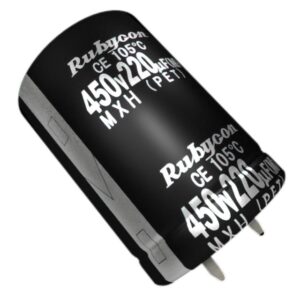 420MXH470MEFC35X35View Product
 LHM271M2V---2240SView Product
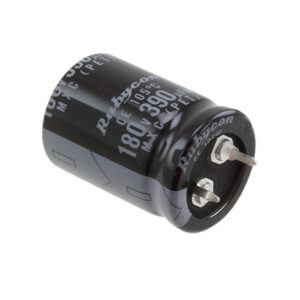 200MXC1200MEFCSN35X35View Product
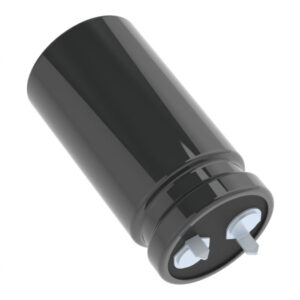 EKMM401VSN151MP40SView ProductUHD1H681MHD1CVView Product
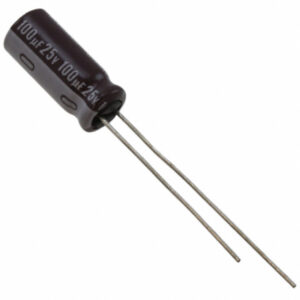 UPM1E101MED1TDView Product
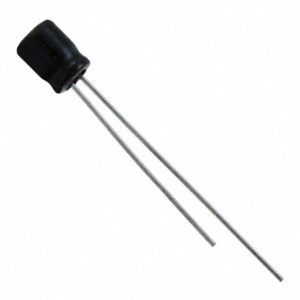 50NW72.2MEFC5X7View Product
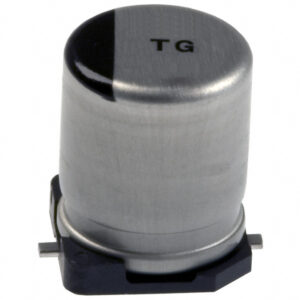 EEV-TG1H470UPView Product
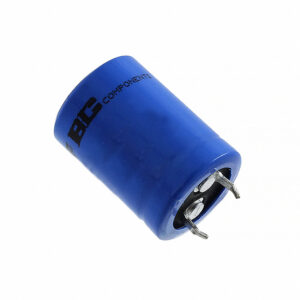 MAL209443471E3View Product
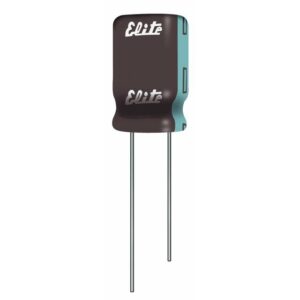 EY1E101HP26311RUView Product
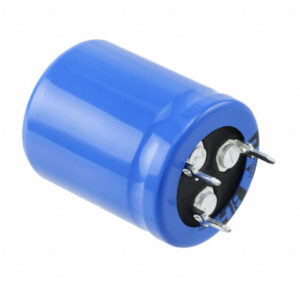 MAL215973391E3View Product
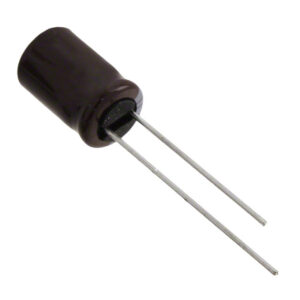 EKZE101ELL390MH15DView Product

Understand how oscillators generate timing signals, how they differ from crystals, and which frequency, output and stability specs matter when choosing one.
Read More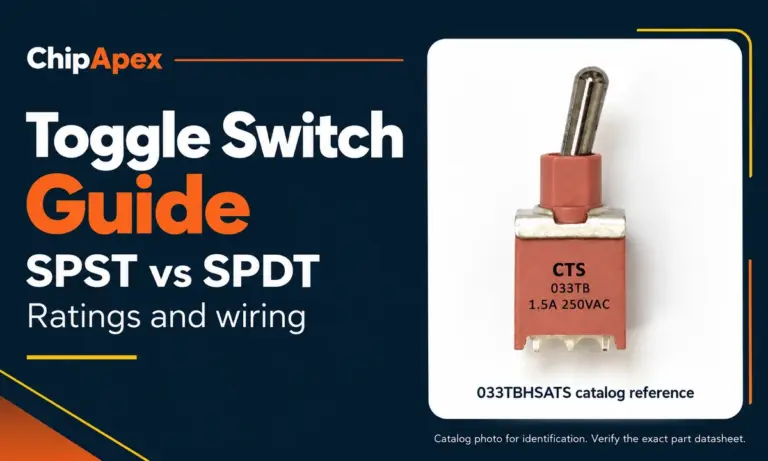
Compare SPST and SPDT toggle switches, understand AC/DC ratings, and follow wiring examples. Check contact action, mounting and parts in the ChipApex catalog.
Read More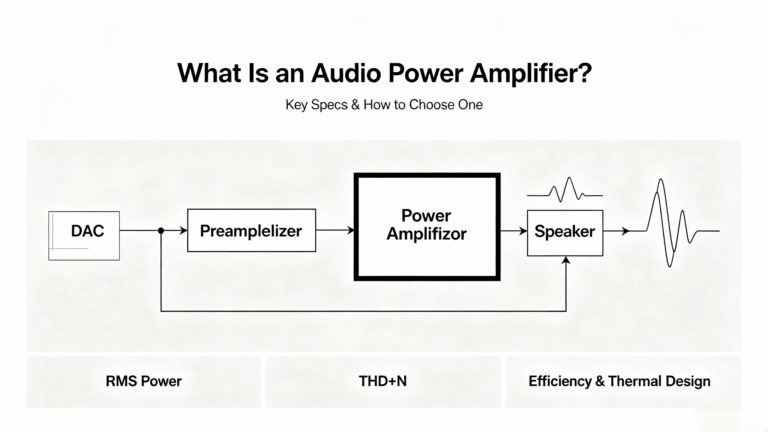
Every audio power amplifier design starts with the same fundamental challenge: converting a low-voltage line-level signal into the high-current drive required by a reactive…
Read More
Understand how a comparator switches at a voltage threshold, why hysteresis prevents chatter, and which output and input specs matter.
Read More
Understand RF attenuator dB values, fixed and programmable types, impedance, power limits and noise tradeoffs before choosing parts for an RF signal path.
Read More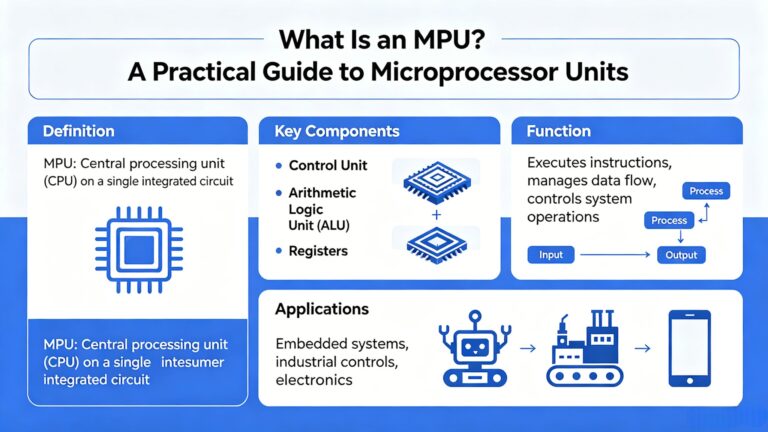
In embedded design, the tug-of-war between cost and performance is constant. On one side, you have Microcontrollers (MCUs)—cheap, simple, and efficient. On the other,…
Read More
Find out when a bare shock switch needs a pull resistor, when an MCU internal pull-up is enough, and why sensor modules and piezo…
Read More
As 2025 draws to a close, the global semiconductor industry stands at a crossroads. Intertwined with escalating geopolitical tensions, supply chain disruptions, and groundbreaking…
Read More
Understand tactile switches, PCB and keyboard differences, four-pin wiring, debounce, force, travel and replacement checks for reliable control inputs.
Read More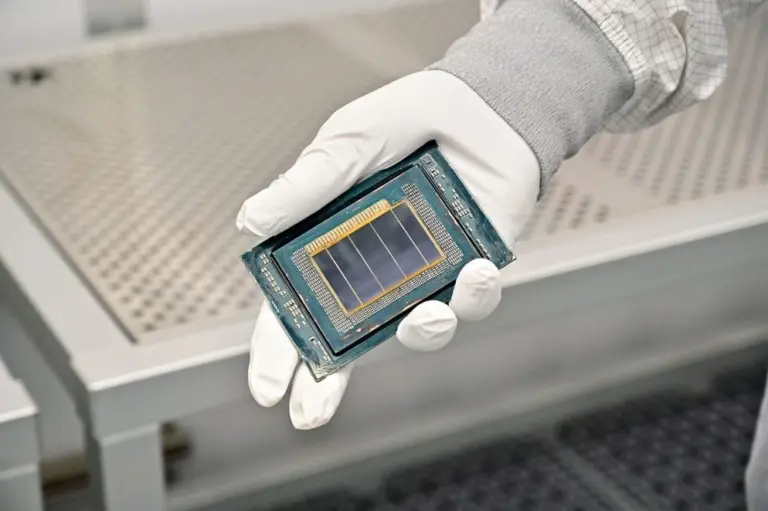
Recently, global semiconductor manufacturers have been constantly taking actions and presenting numerous new developments in aspects such as process technology and product research and…
Read More
In the world of electronics, memory components play a critical role in system performance—and DRAM (Dynamic Random-Access Memory) is one of the most widely…
Read More
Choose a DIP switch by contact type, coded positions, footprint and signal ratings. Check logic polarity, assembly conditions and PCB configuration behavior.
Read More
The activity of extra discounts on wholesale prices is in full swing…
Please fill in your contact information and we will send you the latest wholesale price list.