ChipApex | Global Electronic Components Supplier

SEARCH
Search Product
Search Post
— IC芯片 | 连接器 | 传感器 | 被动器件 —
Search productSearch post
— IC芯片 | 连接器 | 传感器 | 被动器件 —
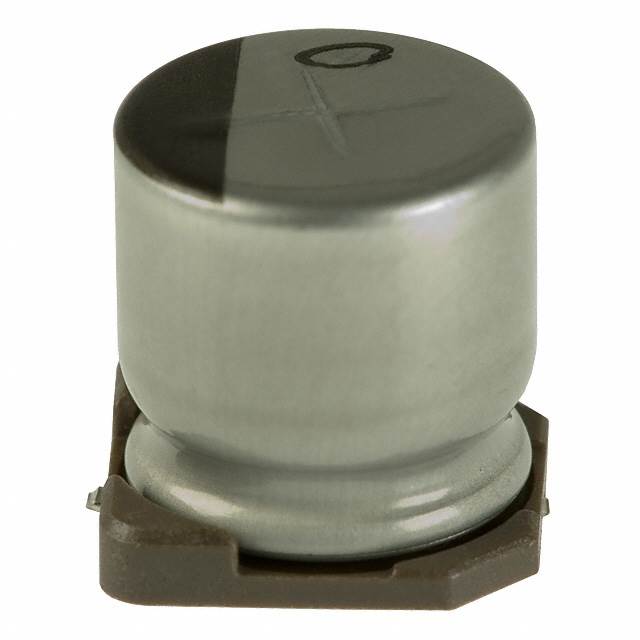
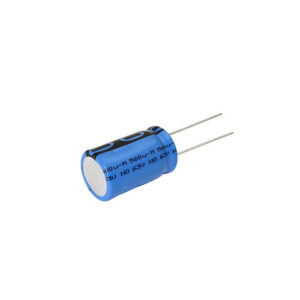
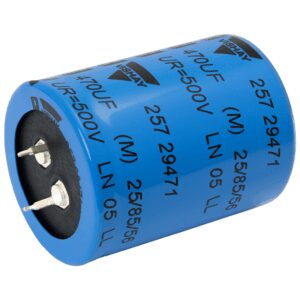
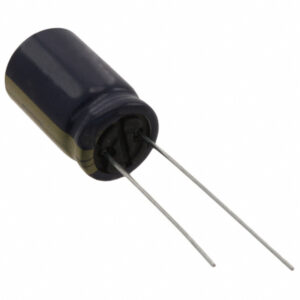
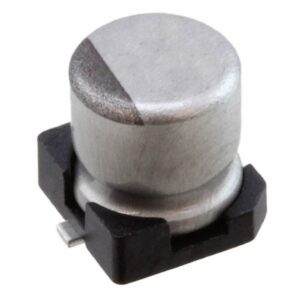
An electrolytic capacitor is a type of polarized capacitor that uses a wet electrolytic solution and an oxide film to store electrical charge. An example is the aluminum electrolytic capacitor which contains two closely spaced spooled strips of aluminum foil for the positive anode and negative cathode. These are separated by a thin spacer material soaked in the wet electrolyte. The thin insulating layer of aluminum oxide formed on the anode between the foil plates acts as the dielectric, creating a high-capacitance device in a compact package. These polarized capacitors are well-suited for applications where space and weight are at a premium, such as in electronic devices, power supplies, and filtering circuits.
| Select products | Mfr | Description | Package | Supplier Device Package | Mounting Type | Series | Operating Temperature |
|---|---|---|---|---|---|---|---|
| Rubycon | CAP ALUM 2700UF 20% 25V RADIAL | Bulk | Through Hole | YXH | -40°C ~ 105°C | ||
| Rubycon | CAP ALUM 2700UF 20% 25V RADIAL | Tape & Box (TB) | Through Hole | YXH | -40°C ~ 105°C | ||
| Rubycon | CAP ALUM 3300UF 20% 25V RADIAL | Bulk | Through Hole | YXH | -40°C ~ 105°C | ||
| Rubycon | CAP ALUM 3300UF 20% 25V RADIAL | Bulk | Through Hole | YXH | -40°C ~ 105°C | ||
| Rubycon | CAP ALUM 3300UF 20% 25V RADIAL | Bulk | Through Hole | YXH | -40°C ~ 105°C | ||
| Rubycon | CAP ALUM 3300UF 20% 25V RADIAL | Tape & Box (TB) | Through Hole | YXH | -40°C ~ 105°C | ||
| Rubycon | CAP ALUM 3300UF 20% 25V RADIAL | Tape & Box (TB) | Through Hole | YXH | -40°C ~ 105°C | ||
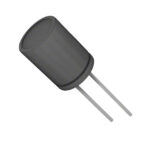 25YXH330MEFC10X12.5 $0.56 | Rubycon | CAP ALUM 330UF 20% 25V RADIAL TH | Bulk | Through Hole | YXH | -40°C ~ 105°C |
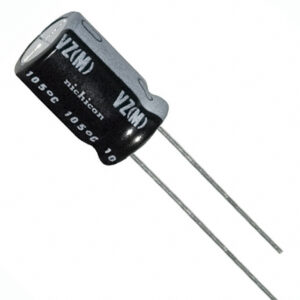 UVZ1E331MPDView Product
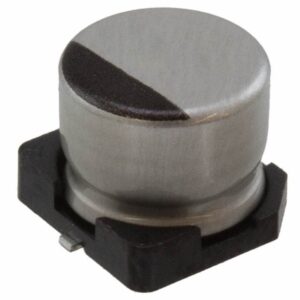 UWZ1C101MCL1GBView Product
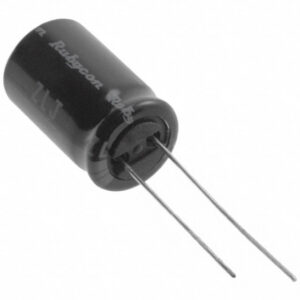 400WXA10MEFCG412.5X16View Product
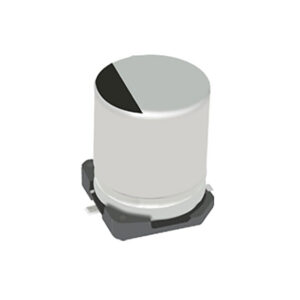 EEE-FN1H470XPView Product
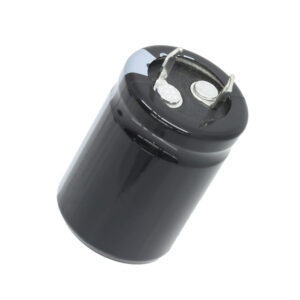 SLP221M315A7P3View Product
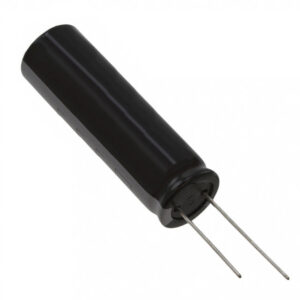 400HXW68MEFR10X45View Product
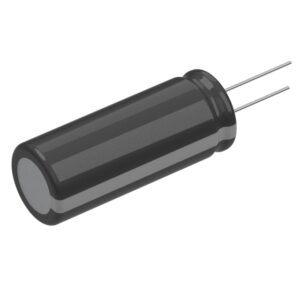 200TXW180MEFC12.5X35View Product
 MAL225035472E3View Product
 MAL225746181E3View Product
 EEU-FC1C182BView Product
 UZT1V4R7MCL1GBView Product
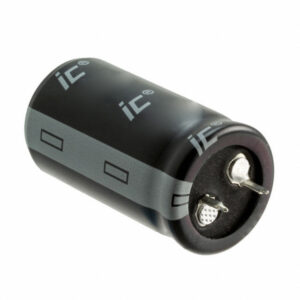 337LBA350M2DDView Product
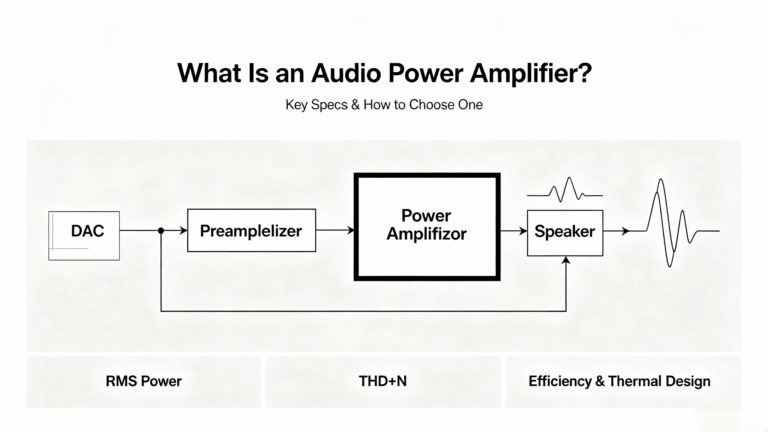
Every audio power amplifier design starts with the same fundamental challenge: converting a low-voltage line-level signal into the high-current drive required by a reactive…
Read More
Selecting the right microcontroller (MCU) isn’t just about specs—it’s about balancing performance, power, cost, and supply chain reliability. As an engineer, you’ve probably faced…
Read More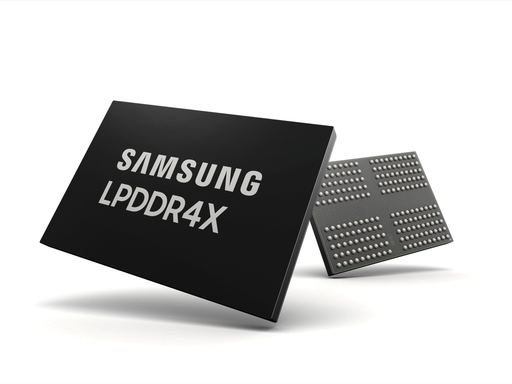
Samsung Electronics, the world’s largest memory chip manufacturer, has officially confirmed the end-of-life (EOL) for its LPDDR4 and LPDDR4X low-power DRAM products, marking a…
Read More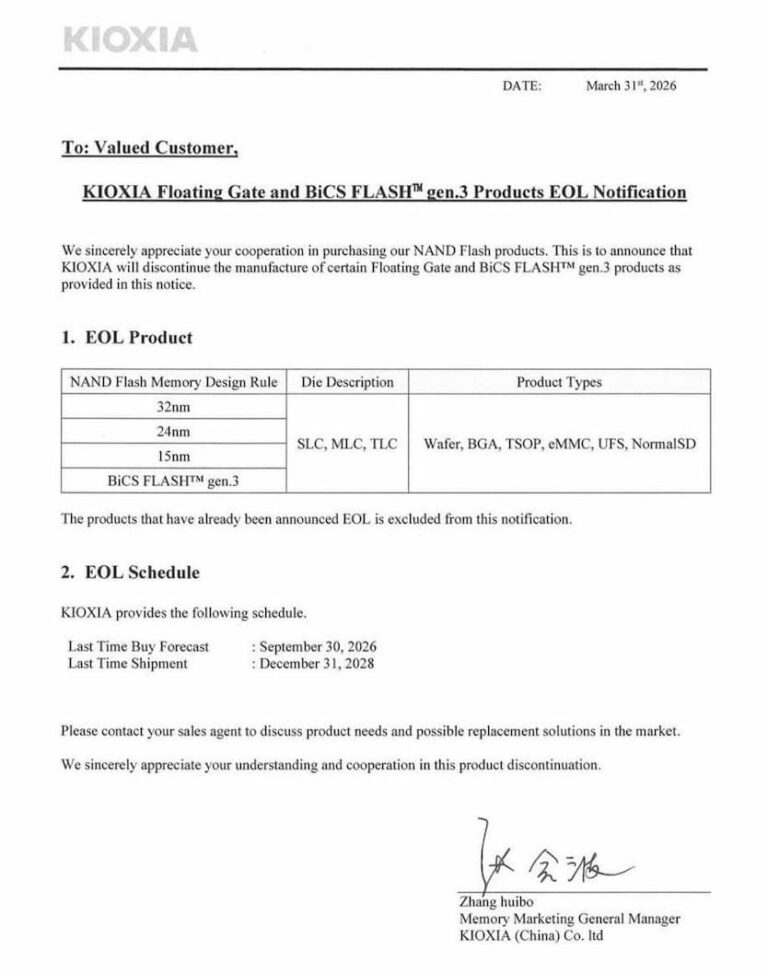
TOKYO, April 1, 2026 – Kioxia Corporation (formerly Toshiba Memory Corporation), a global leader in flash memory and storage solutions, has officially issued a…
Read More
Choose an AC to DC converter by input range, output demand, isolation, efficiency and thermal derating. Compare architectures and check installation needs.
Read More
Find out when a bare shock switch needs a pull resistor, when an MCU internal pull-up is enough, and why sensor modules and piezo…
Read More
The global memory market is entering an unprecedented supply-constrained phase as soaring demand from artificial intelligence (AI) infrastructure collides with strategic capacity reallocations by…
Read More
Learn why PTC resistance rises with temperature, how it differs from NTC, and which ratings matter for sensing and protection.
Read More
See how a MEMS gyroscope measures angular rate, why its angle estimate drifts, and which range, noise, interface and temperature specs to compare.
Read More
As the backbone of modern technology, electronic components are undergoing revolutionary changes, driven by advancements in materials science, miniaturization, and smart manufacturing. From ultra-efficient…
Read More
Learn the relay definition, coil and contact operation, NO and NC forms, load ratings and suppression choices. Compare mechanical, reed and solid-state types.
Read More
Compare Pt100 and Pt1000 RTDs, two-, three- and four-wire connections, excitation and self-heating. Build an error budget from element to reported temperature.
Read More
The activity of extra discounts on wholesale prices is in full swing…
Please fill in your contact information and we will send you the latest wholesale price list.