 ChipApex | Global Electronic Components Supplier

SEARCH
Search Product
Search Post
— IC芯片 | 连接器 | 传感器 | 被动器件 —
Search productSearch post
— IC芯片 | 连接器 | 传感器 | 被动器件 —
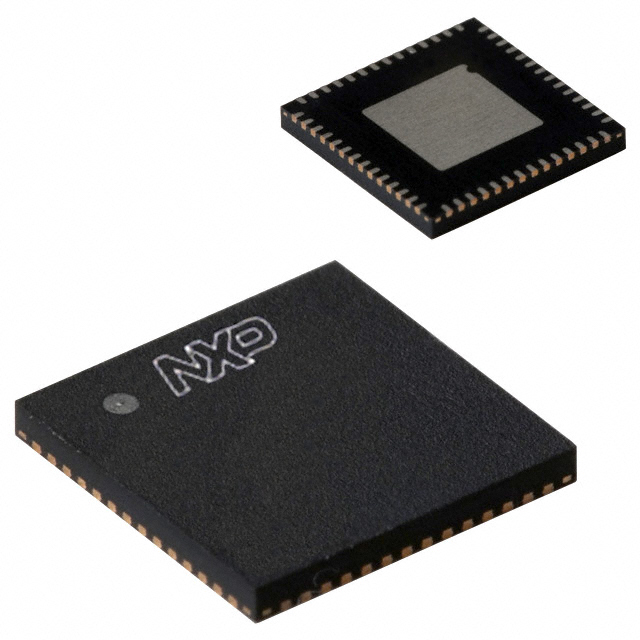
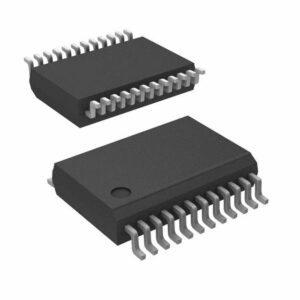
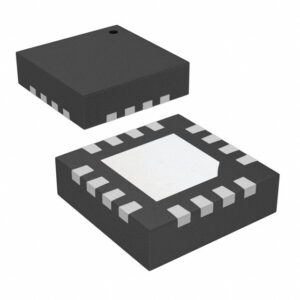
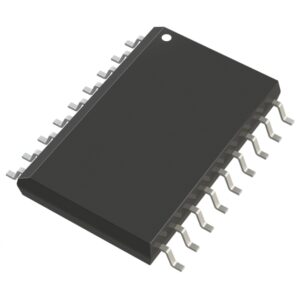
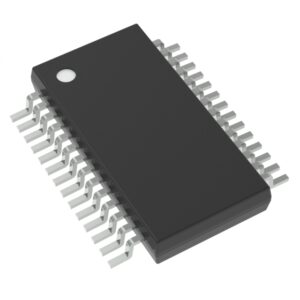
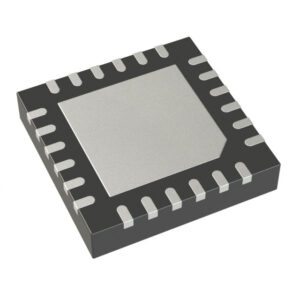
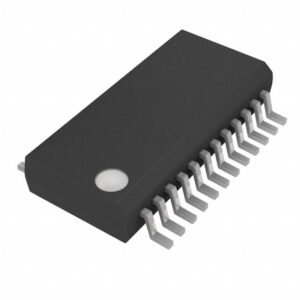
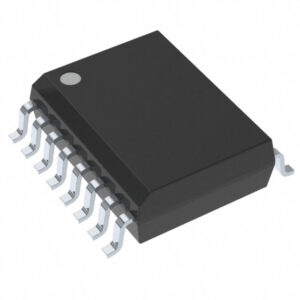
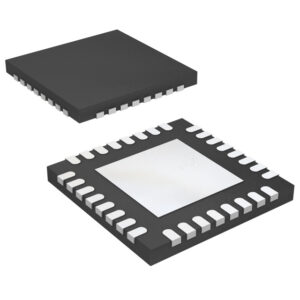
Devices in this family are used in conjunction with microcontrollers, microprocessors, or similar devices for the purpose of increasing the number of signal connections available for connecting peripheral devices. The typical concept of operation involves the use of serial communications requiring only a few I/O lines on the host device to read/write the status of many input/output pins on the expander device. The technique exchanges speed of communication for increased connectivity, and is best suited for applications where fast response is not critical, such as in many human interface applications.
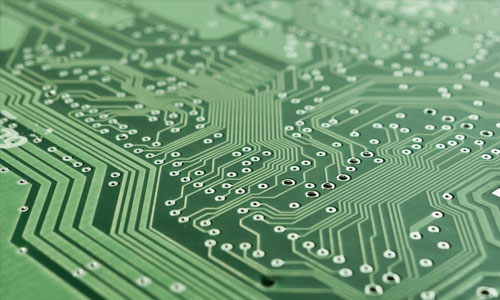
As the backbone of modern technology, electronic components are undergoing revolutionary changes, driven by advancements in materials science, miniaturization, and smart manufacturing. From ultra-efficient…
Read More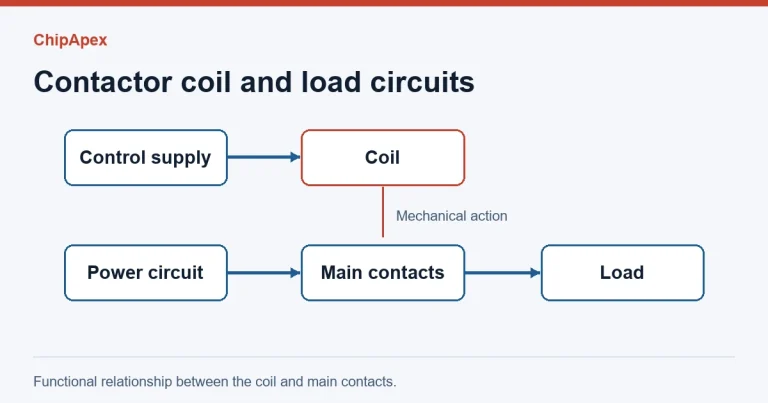
Learn what a contactor does, how it differs from a relay or starter, and how to check coil voltage, motor duty and protection before…
Read More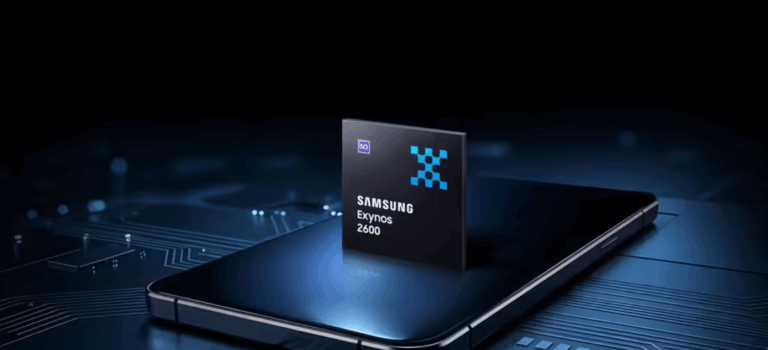
Tokyo / Munich / Tessenderlo, December 24, 2025As the global semiconductor industry enters the first year of the 2nm process era, international electronic component…
Read More
PLANO, Texas – March 20, 2026 – Diodes Incorporated (Nasdaq: DIOD), a leading global manufacturer and supplier of high-quality application-specific standard products in the…
Read More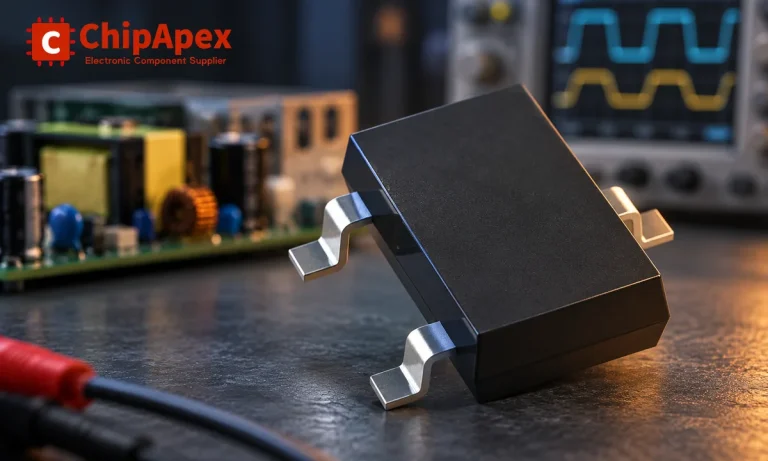
Learn how rectifiers convert AC to DC, compare half-wave and bridge circuits, and select voltage, current, recovery and thermal ratings for your design.
Read More
Recently, global semiconductor manufacturers have been constantly making moves in aspects such as technological cooperation, product manufacturing processes, and market layout, demonstrating the rapid…
Read More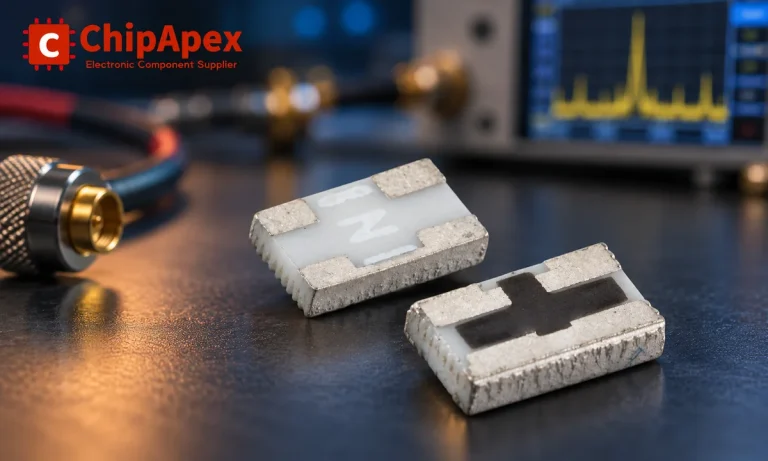
Understand RF attenuator dB values, fixed and programmable types, impedance, power limits and noise tradeoffs before choosing parts for an RF signal path.
Read More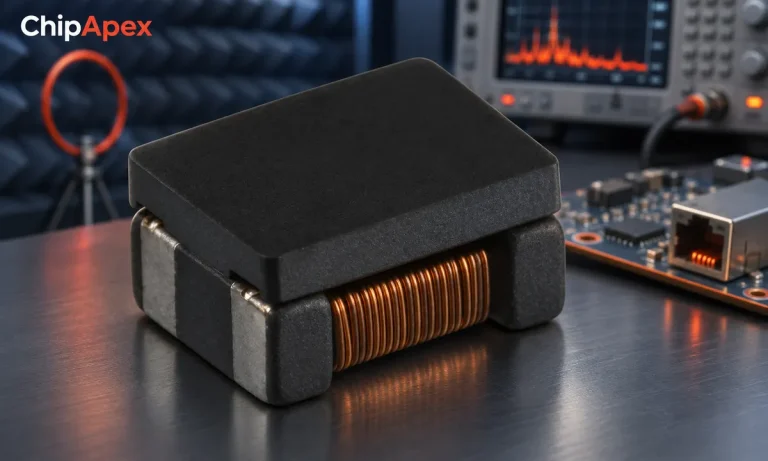
Select a common mode choke using noise frequency, current, insulation and signal integrity. Understand impedance curves, layout and filter limitations.
Read More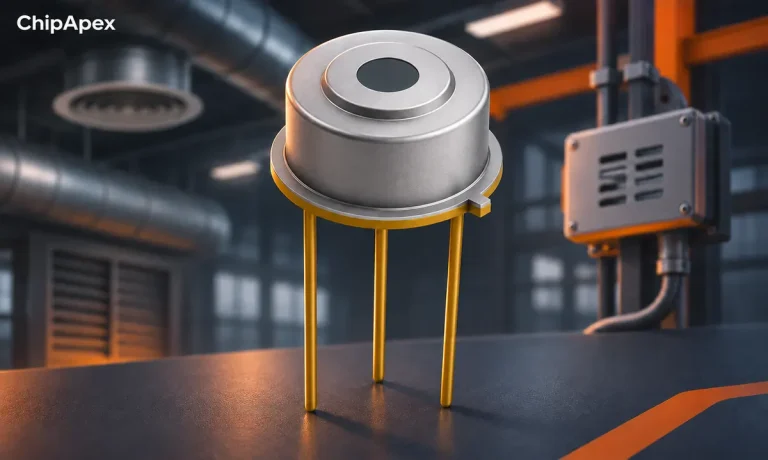
Compare gas sensor technologies, cross-sensitivity and calibration needs. Define the gas, range and environment before choosing a sensing component.
Read More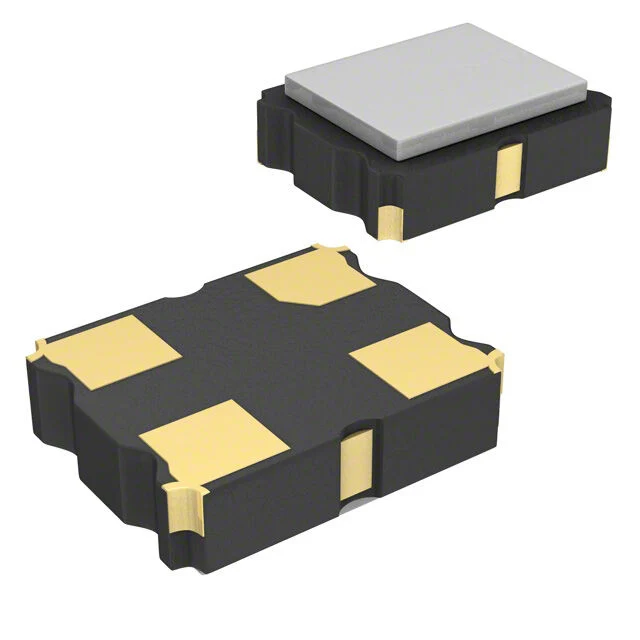
Calculate high-side and low-side local oscillator frequencies, locate the receiver image and check how much LO drive reaches the RF mixer input port.
Read More
Understand load cell sensor output, bridge wiring and calibration. Learn how mV/V sensitivity, mechanics and ADC noise affect measurement accuracy.
Read More
Learn how to use ferrite beads for noise filtering. Check impedance, DC bias, placement, resonance and load-step behavior before selecting a part.
Read More
The activity of extra discounts on wholesale prices is in full swing…
Please fill in your contact information and we will send you the latest wholesale price list.