 ChipApex | Global Electronic Components Supplier

SEARCH
Search Product
Search Post
— IC芯片 | 连接器 | 传感器 | 被动器件 —
Search productSearch post
— IC芯片 | 连接器 | 传感器 | 被动器件 —

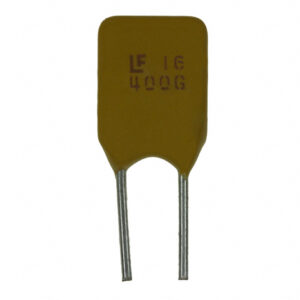
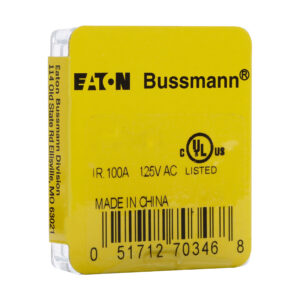
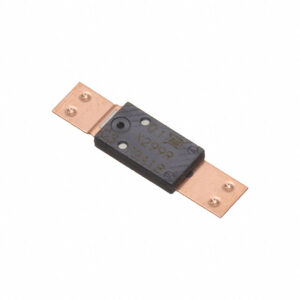
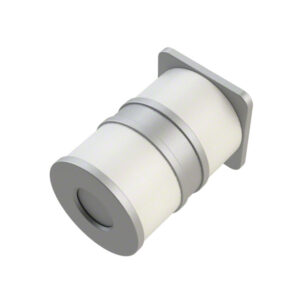
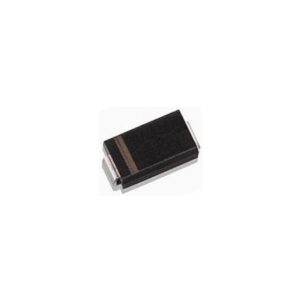
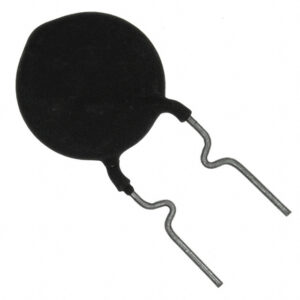
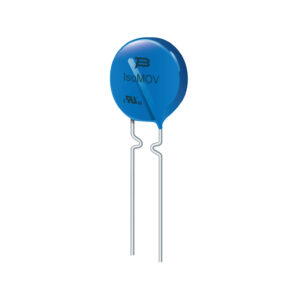
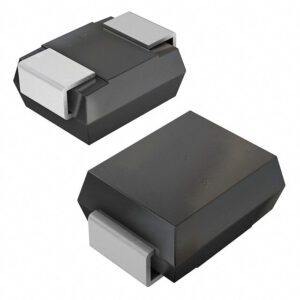
Circuit protection refers to the strategies and components used to shield electrical systems from damage caused by abnormal conditions like short circuits, overcurrent, overvoltage, or excessive temperature. A protected circuit is designed to safely disconnect or redirect dangerous electrical energy before it can harm devices, wiring, or users. Without appropriate protection, faults can cause equipment failure, fire hazards, or even electric shocks, especially in sensitive electronic and motor control applications. Two of the most widely used protection devices are fuses and circuit breakers. A fuse contains a metal wire that melts when the current exceeds a specific threshold, permanently breaking the circuit to prevent further damage. Fuses are simple and cost-effective, but must be replaced once blown. Circuit breakers, in contrast, are mechanical switches that detect overcurrent and trip open—disconnecting power without requiring replacement. These can be reset once the fault is cleared. Ground fault circuit interrupters (GFCIs) are a specialized type of breaker used to protect people from electric shock. They monitor current balance between the hot and neutral lines and trip instantly when leakage to ground is detected, often caused by damaged insulation or contact with water. In modern electronic systems, solid-state circuit protection devices are increasingly important. Components such as varistors—especially metal oxide varistors (MOVs)—and transient voltage suppressors (TVS) are designed to handle voltage spikes or transients caused by inductive loads, lightning strikes, or static discharge. These devices can absorb or redirect excess energy, protecting delicate semiconductors from failure. Other devices like thermal cutoffs (thermal fuses) disconnect circuits when operating temperatures rise too high, while gas discharge tubes (GDT) arresters protect against high-energy surges, especially in communication or low-voltage power lines.

TOKYO, July 31, 2026 — Renesas Electronics Corporation has officially announced a major domestic manufacturing restructuring, confirming plans to gradually discontinue all wafer fabrication…
Read More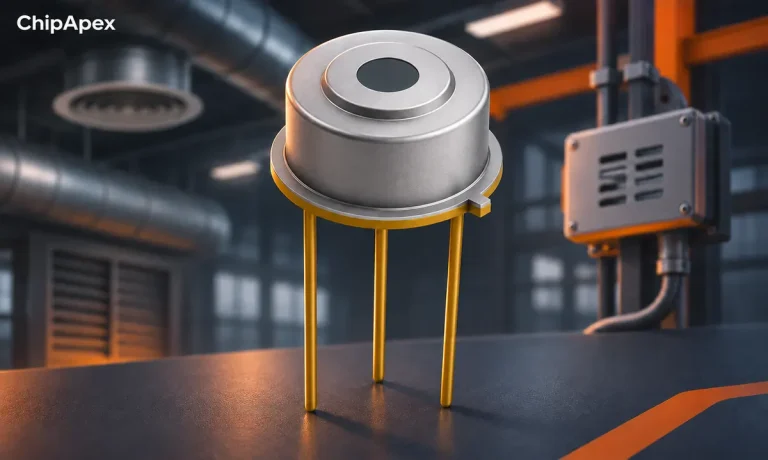
Compare gas sensor technologies, cross-sensitivity and calibration needs. Define the gas, range and environment before choosing a sensing component.
Read More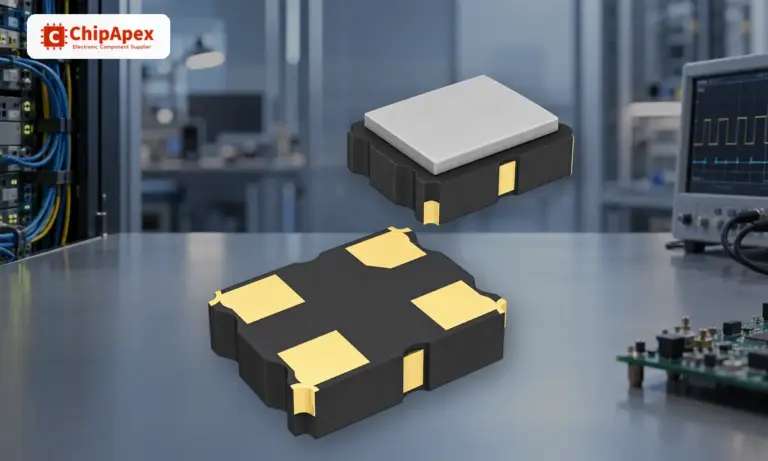
Understand how oscillators generate timing signals, how they differ from crystals, and which frequency, output and stability specs matter when choosing one.
Read More
The multilayer ceramic capacitor (MLCC) market has fallen into a severe structural supply crunch in the third quarter of 2026, driven by explosive demand…
Read More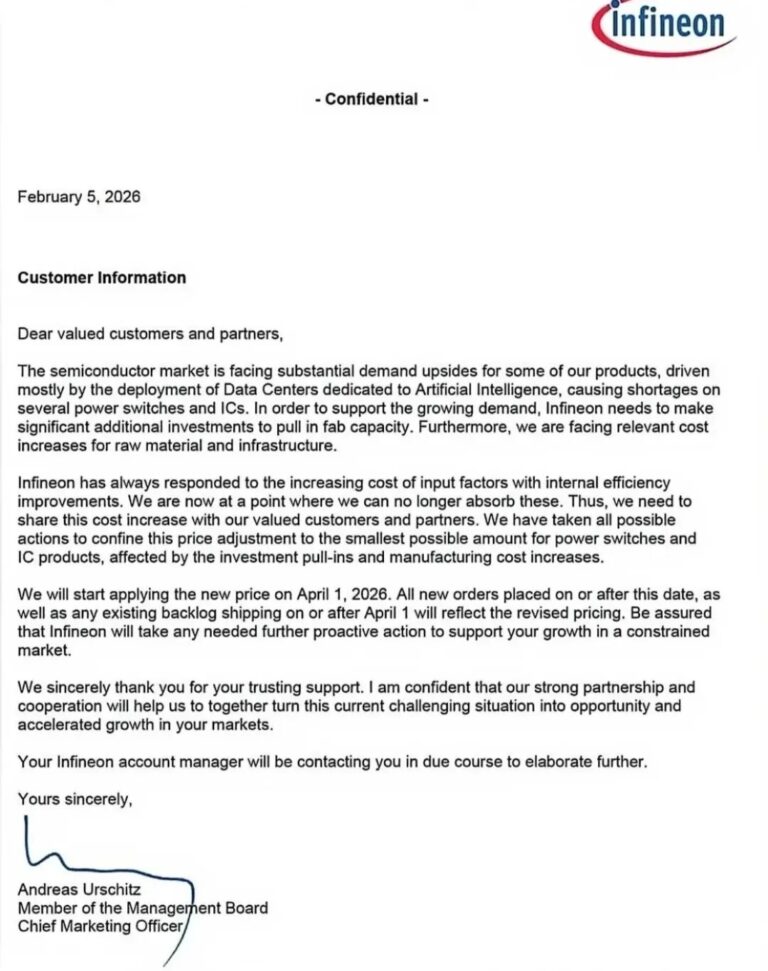
Munich, Germany – February 8, 2026 — Infineon Technologies, the German semiconductor giant, officially issued a price increase notice on February 5, announcing that…
Read More
Choose LED drivers by current, string voltage, dimming and thermal limits. Understand constant-current operation and the checks needed for your load.
Read MoreA digital-to-analog converter (DAC) turns a digital number into an analog voltage or current. It lets a controller set a physical output, such as…
Read More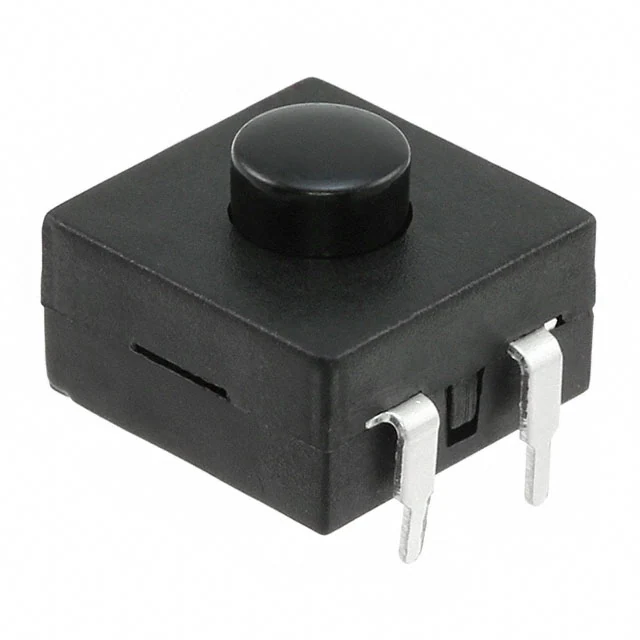
Compare momentary and latching push button switches. Check NO/NC contacts, micro-load current, illumination terminals, panel fit and replacement requirements.
Read More
In the world of embedded electronics, getting a device to “think” is only half the battle. The other half is getting it to communicate…
Read More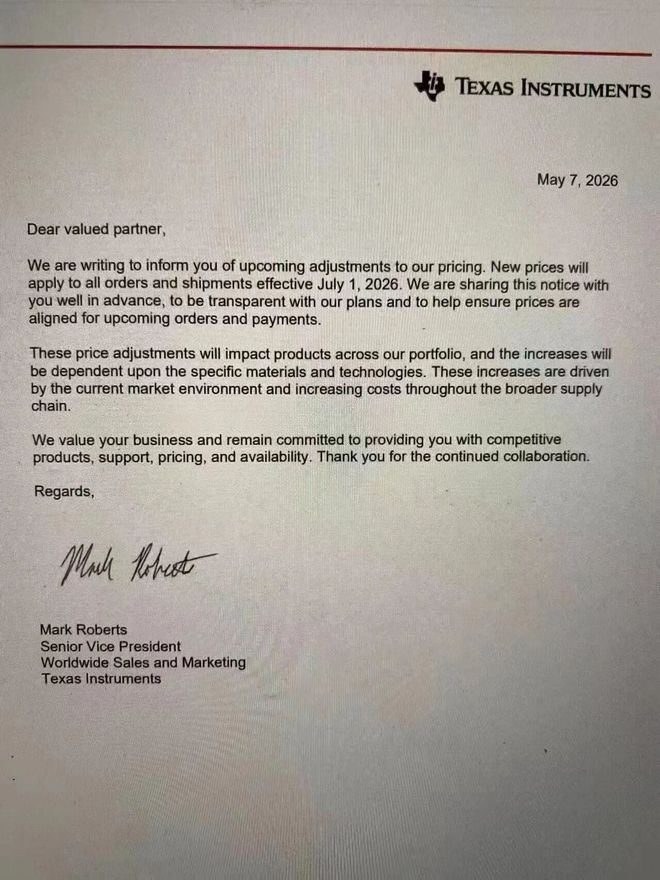
ChipApex – May 8, 2026 Texas Instruments (TI), the global leader in analog and embedded semiconductors, has officially notified customers of an upcoming company-wide…
Read More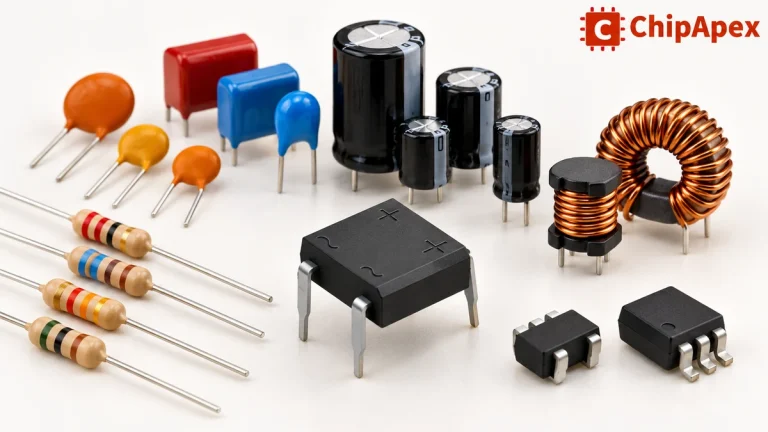
Explore electronic component types, functions, packages and datasheets. Learn selection, replacement and BOM checks before ordering parts for your PCB.
Read More
Compare variable capacitor types and varactor tuning. Understand capacitance-voltage curves, Q, bias and LC resonance before choosing a component.
Read More
The activity of extra discounts on wholesale prices is in full swing…
Please fill in your contact information and we will send you the latest wholesale price list.