 ChipApex | Global Electronic Components Supplier

SEARCH
Search Product
Search Post
— IC芯片 | 连接器 | 传感器 | 被动器件 —
Search productSearch post
— IC芯片 | 连接器 | 传感器 | 被动器件 —
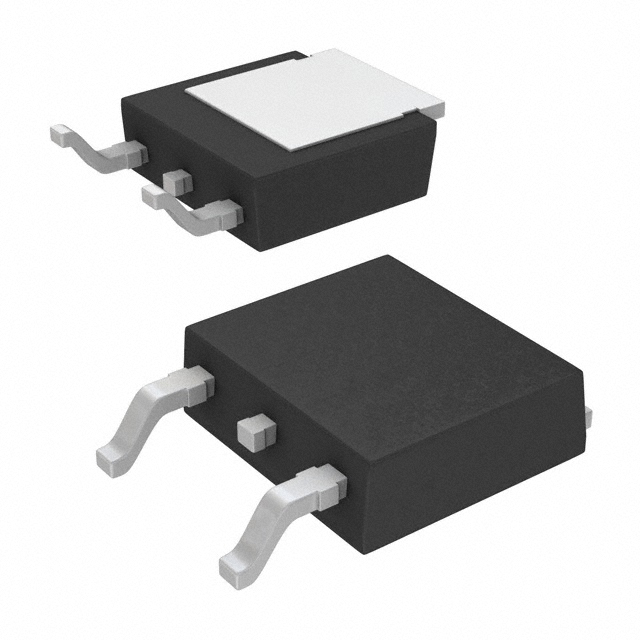
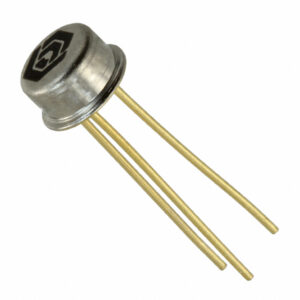
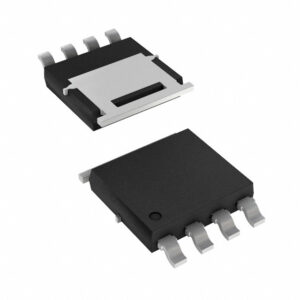
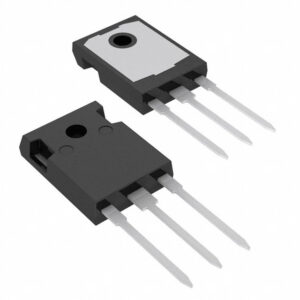
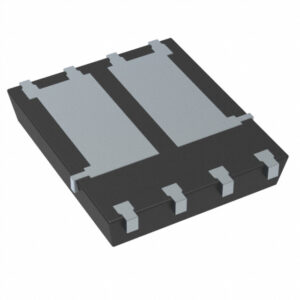
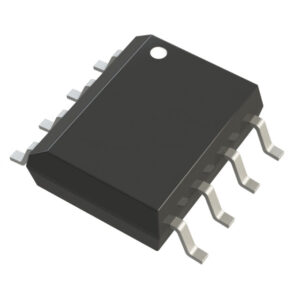
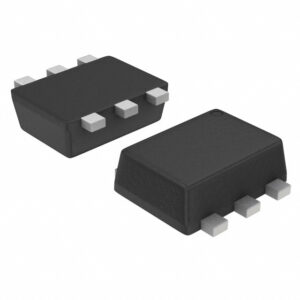
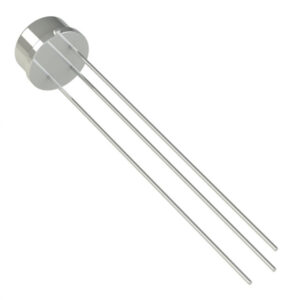
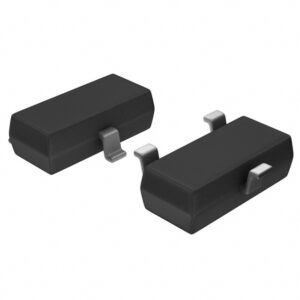
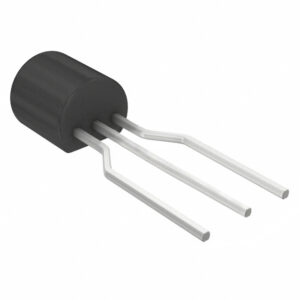
A transistor is a semiconductor device that serves as an electronic switch or amplifier, controlling current flow through one material type (usually silicon) by applying a voltage or current to another. Structurally, transistors are three-terminal components—commonly configured as emitter, base, and collector (in BJTs), or source, gate, and drain (in FETs). Since their invention, transistors have become fundamental to all modern electronics, from digital logic circuits to analog signal processing. Unlike earlier vacuum tubes, transistors are compact, reliable, and energy-efficient, operating by manipulating electron or hole movement across p-n junctions or insulated gates. Understanding the differences between transistor types—BJTs, MOSFETs, IGBTs, JFETs, and PUTs—can help you select the most appropriate component based on function, power requirements, and signal characteristics. Types of Transistors Bipolar Junction Transistors (BJTs), including NPN and PNP configurations, are current-controlled devices where base current modulates a larger collector-to-emitter current. Known for their high current gain and linear amplification characteristics, BJTs are ideal for analog applications such as audio amplification or low-frequency signal conditioning. However, their relatively low input impedance results in greater power consumption compared to field-effect devices. Field-Effect Transistors (FETs), particularly MOSFETs (Metal-Oxide-Semiconductor FETs), are voltage-controlled with very high input impedance. They regulate current via an electric field applied across an insulated gate, making them highly efficient for digital switching applications. N-channel MOSFETs generally offer superior conductivity and switching speed over P-channel devices, making them the preferred choice in power electronics and logic circuits. Insulated Gate Bipolar Transistors (IGBTs) combine the gate control of MOSFETs with the output drive of BJTs, resulting in a device that excels in high-voltage, high-current applications. They\'re widely used in power inverters, motor drives, and energy conversion systems where switching efficiency and robustness are critical. Junction Field-Effect Transistors (JFETs) provide excellent performance in low-noise, high-impedance analog circuits. Though largely replaced by MOSFETs in many roles, JFETs still serve a purpose in RF amplification and precision signal conditioning due to their simplicity and stable characteristics. Programmable Unijunction Transistors (PUTs) are specialized for use in timing circuits, waveform generation, and trigger control. These devices operate by establishing a threshold voltage at which they rapidly switch, making them useful in oscillators and control systems.
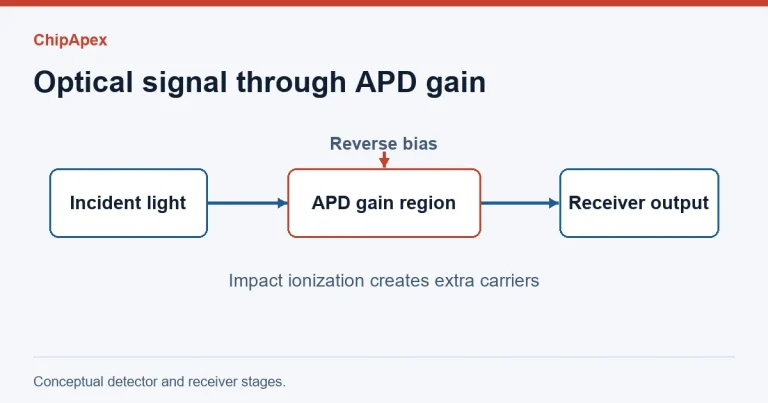
See how avalanche photodiodes multiply photocurrent and compare APD and PIN detectors by gain, noise, bias, bandwidth and operating temperature.
Read More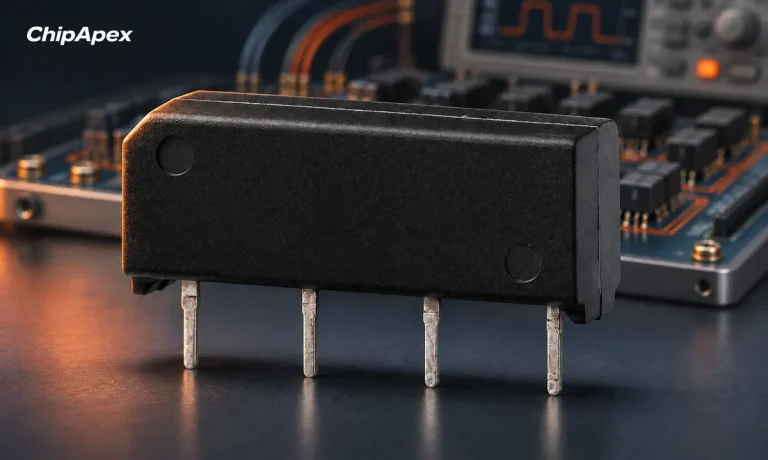
Choose a reed relay for signal switching. Understand hot and cold switching, leakage, contact resistance, isolation and measurement settling requirements.
Read More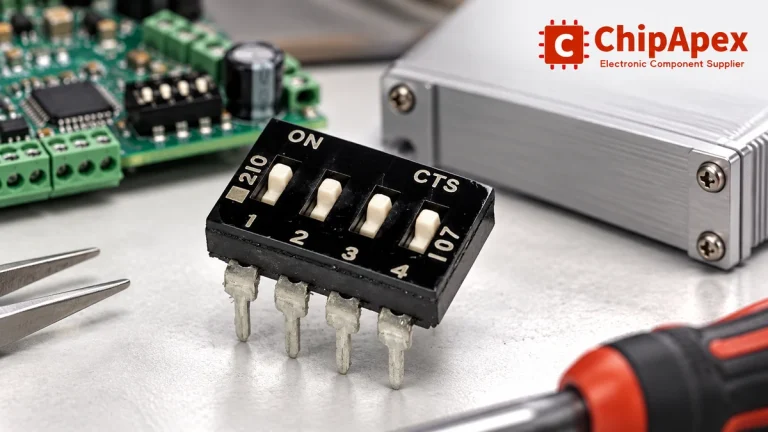
Choose a DIP switch by contact type, coded positions, footprint and signal ratings. Check logic polarity, assembly conditions and PCB configuration behavior.
Read More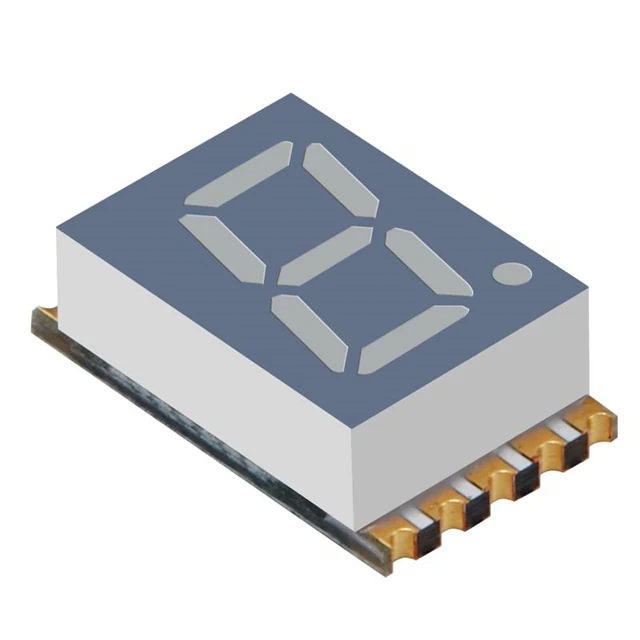
Identify common-anode and common-cathode seven-segment displays, calculate segment resistors and check driver current and four-digit multiplex timing.
Read More
In the world of electronics, memory components play a critical role in system performance—and DRAM (Dynamic Random-Access Memory) is one of the most widely…
Read More
On September 22nd, it was reported that Samsung Electronics, the South Korean tech giant, had successfully passed NVIDIA’s certification test for its 12-layer HBM3E…
Read More
Understand UART protocol framing, baud rate and electrical interfaces. Learn 8N1 timing, TX/RX wiring, buffering and practical troubleshooting steps.
Read More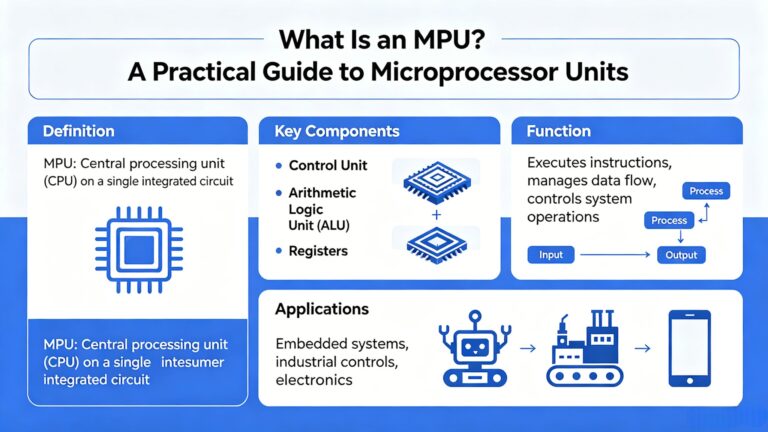
In embedded design, the tug-of-war between cost and performance is constant. On one side, you have Microcontrollers (MCUs)—cheap, simple, and efficient. On the other,…
Read More
Geneva, Switzerland – August 20, 2026 – Global leading semiconductor manufacturer STMicroelectronics (ST) has officially issued a new global price adjustment notice to global…
Read More
Understand phototransistor operation, load-resistor selection, saturation and response time. Compare detector types and prepare component sourcing requirements.
Read More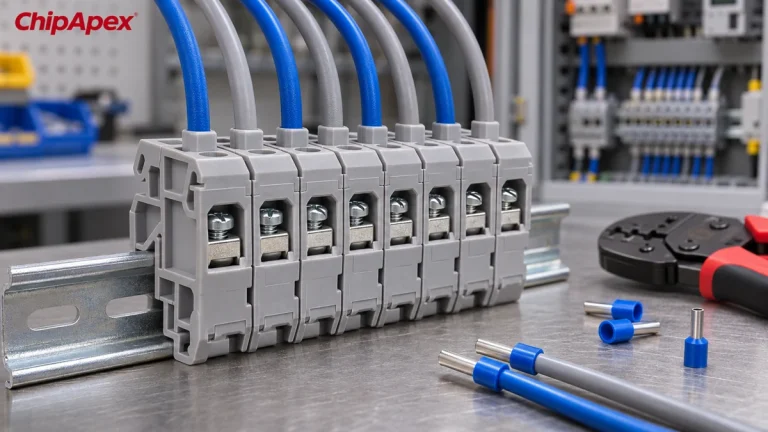
Compare screw and spring terminal blocks. Check conductor range, ferrules, strip length, torque, pitch and DIN rail accessories before completing the BOM.
Read More
Compare gas sensor technologies, cross-sensitivity and calibration needs. Define the gas, range and environment before choosing a sensing component.
Read More
The activity of extra discounts on wholesale prices is in full swing…
Please fill in your contact information and we will send you the latest wholesale price list.