 ChipApex | Global Electronic Components Supplier
SEARCH
Search Product
Search Post
— IC芯片 | 连接器 | 传感器 | 被动器件 —
Search productSearch post
— IC芯片 | 连接器 | 传感器 | 被动器件 —
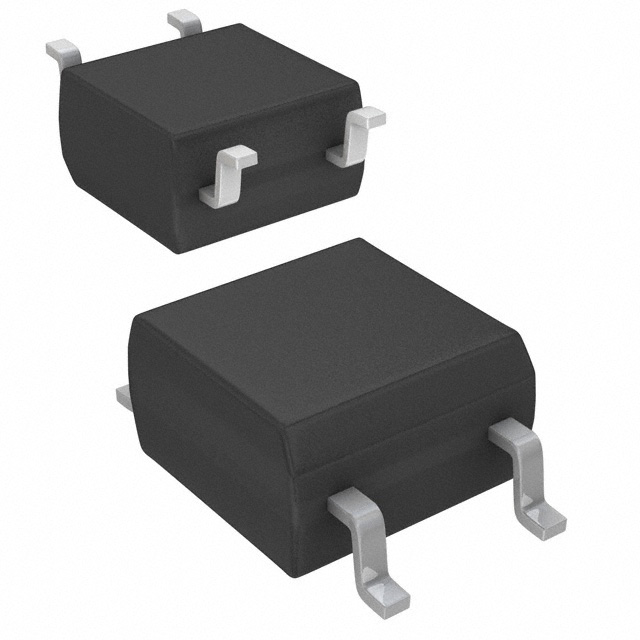
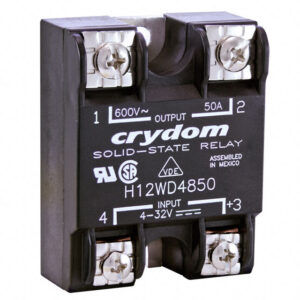
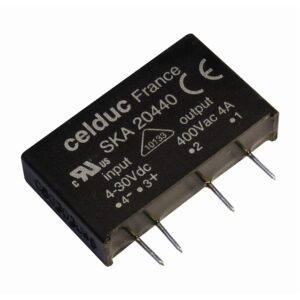
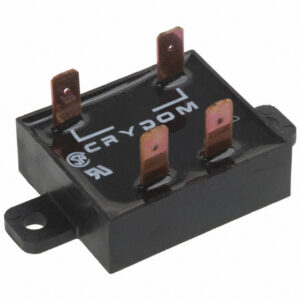
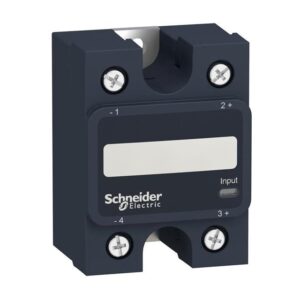
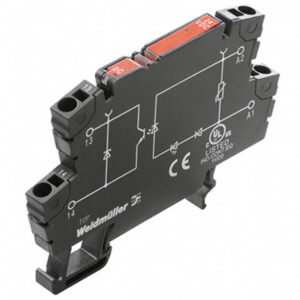
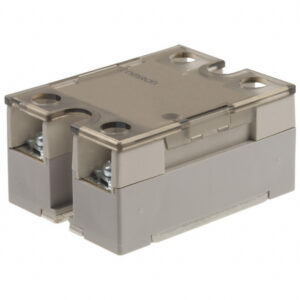
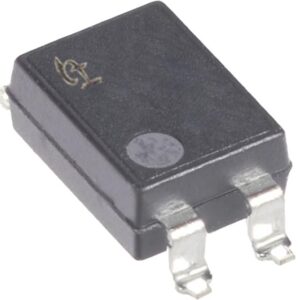
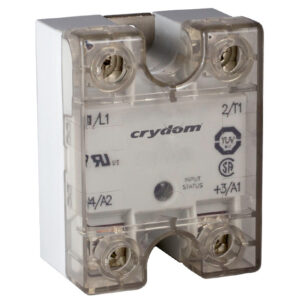
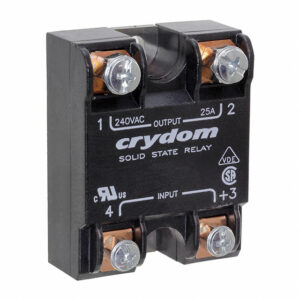
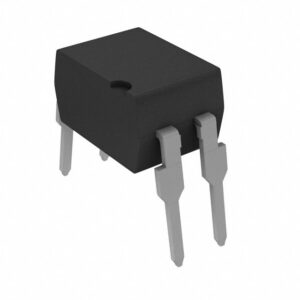
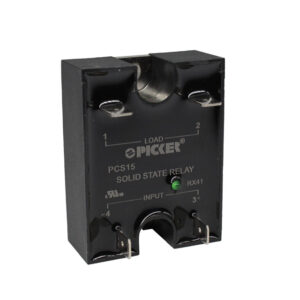
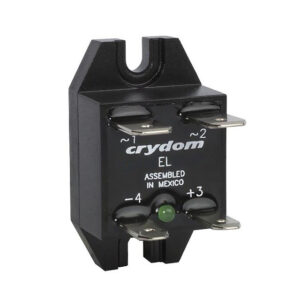
A solid state relay (SSR) is an electronic switching device that switches on or off when an external voltage is applied across its control terminals. Unlike traditional electromagnetic relays, SSRs have no moving parts and rely on semiconductor components like thyristors, triacs, diodes, and transistors to perform switching operations. Key features and benefits of solid state relays include: Durability and Longevity: Without mechanical parts, SSRs have a longer operational life and are less prone to wear and tear. Fast Switching: SSRs can switch on and off rapidly, making them suitable for applications requiring high-speed operation. Silent Operation: The absence of mechanical movement results in noiseless switching. Vibration Resistance: Their solid-state nature makes SSRs resistant to shock and vibration, enhancing reliability in harsh environments. Reduced Electromagnetic Interference (EMI): SSRs generate less EMI compared to electromagnetic relays. Solid state relays are commonly used in applications where fast switching, silent operation, and high reliability are required, such as in industrial automation, HVAC systems, lighting controls, and home appliances. They are available in various configurations to handle different voltage and current levels, providing flexibility in design and usage.
Understand how a comparator switches at a voltage threshold, why hysteresis prevents chatter, and which output and input specs matter.
Read More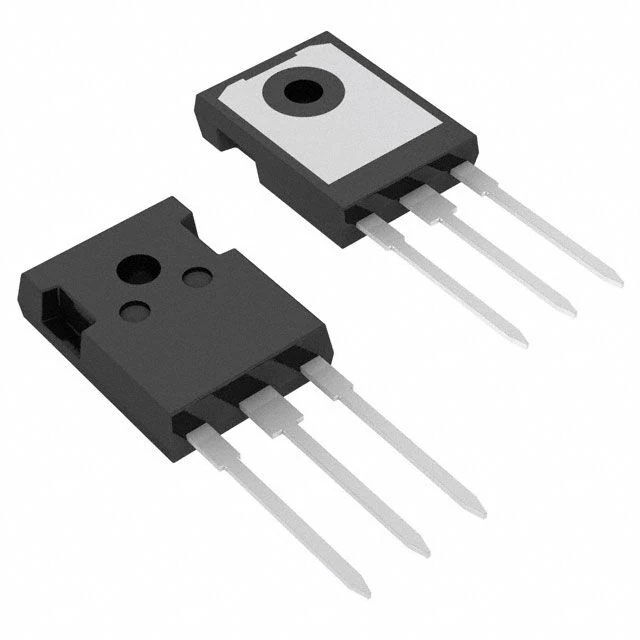
Learn how an IGBT works, compare MOSFET and IGBT losses, and check switching energy, gate drive, thermal limits and protection using a worked example.
Read More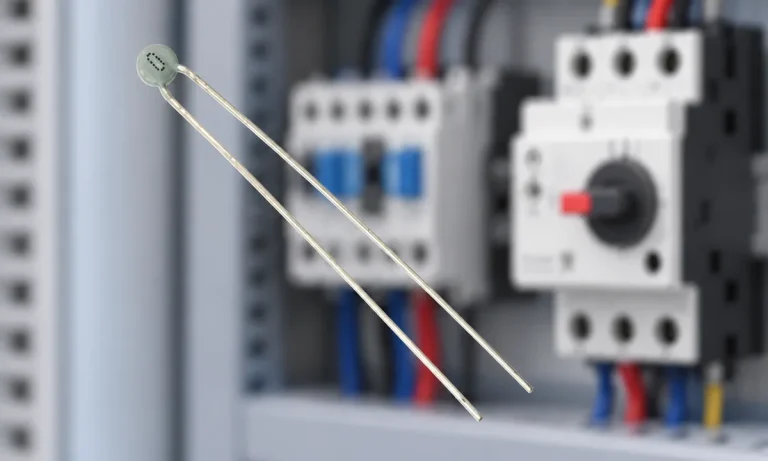
Learn why PTC resistance rises with temperature, how it differs from NTC, and which ratings matter for sensing and protection.
Read More
The Dutch government’s intervention in the control of Nexperia (Anshi Semiconductor) is triggering a chain reaction of turmoil in the global power semiconductor market.…
Read More
Latest updates from leading semiconductor manufacturers: Wolfspeed launches new SiC modules, AMD reveals MI430X with HBM4, TSMC eyes third Japan fab, and Samsung samples…
Read More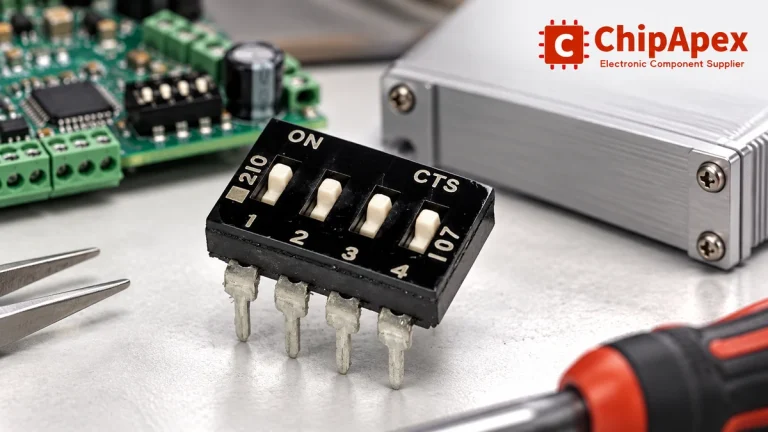
Choose a DIP switch by contact type, coded positions, footprint and signal ratings. Check logic polarity, assembly conditions and PCB configuration behavior.
Read More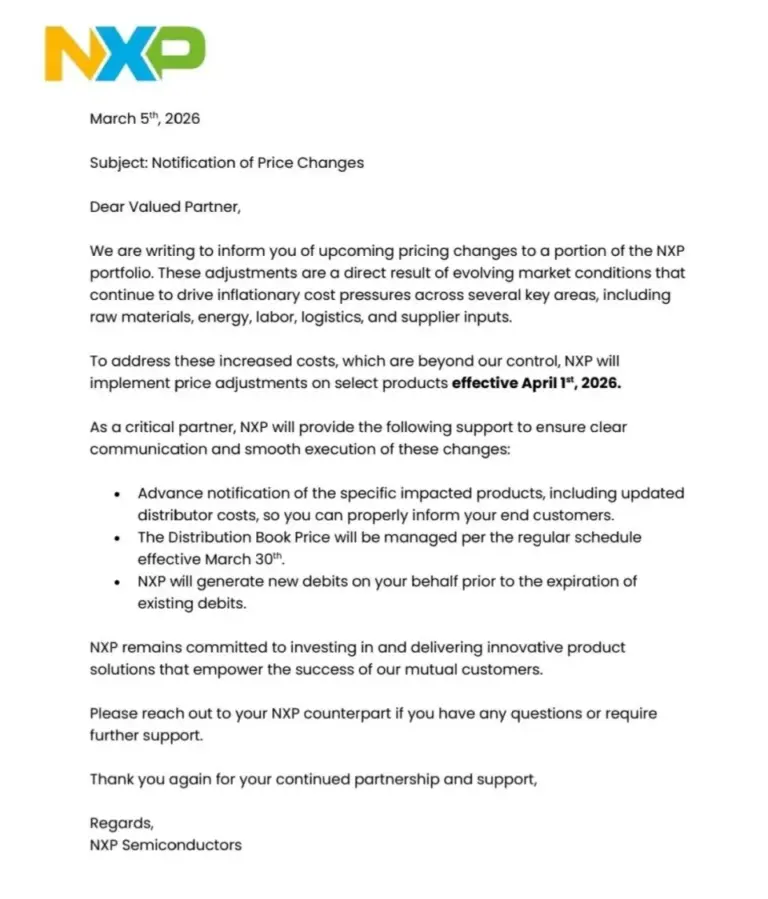
NXP Semiconductors (NASDAQ: NXPI), a global leader in automotive, industrial, and IoT semiconductors, has officially notified customers of an upcoming price adjustment for select…
Read More
As the backbone of modern technology, electronic components are undergoing revolutionary changes, driven by advancements in materials science, miniaturization, and smart manufacturing. From ultra-efficient…
Read More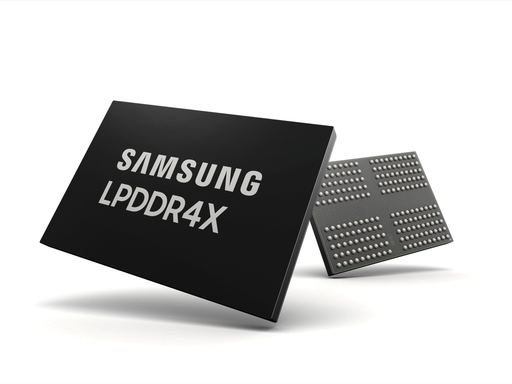
Samsung Electronics, the world’s largest memory chip manufacturer, has officially confirmed the end-of-life (EOL) for its LPDDR4 and LPDDR4X low-power DRAM products, marking a…
Read More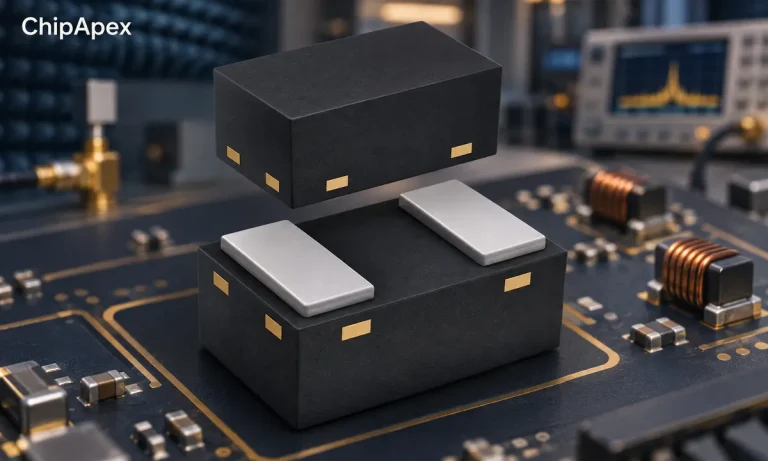
Compare variable capacitor types and varactor tuning. Understand capacitance-voltage curves, Q, bias and LC resonance before choosing a component.
Read More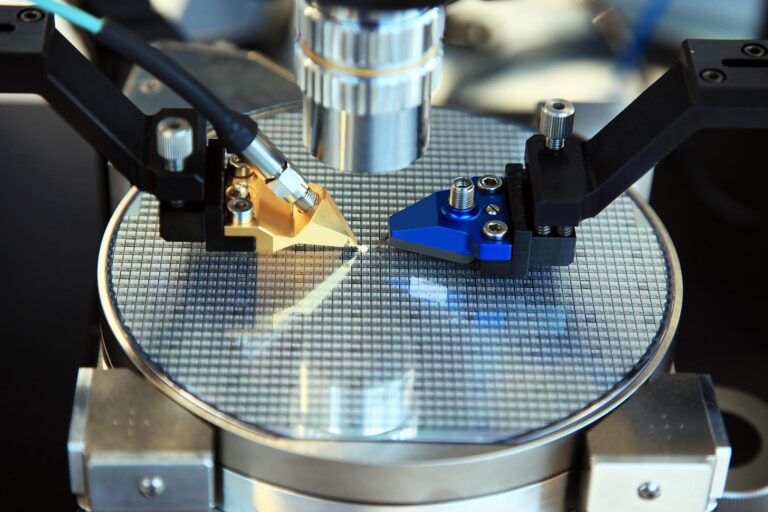
May 4, 2026 — The global power semiconductor market is grappling with a worsening supply crunch, as lead times for key components have extended…
Read More
Understand UART protocol framing, baud rate and electrical interfaces. Learn 8N1 timing, TX/RX wiring, buffering and practical troubleshooting steps.
Read More
The activity of extra discounts on wholesale prices is in full swing…
Please fill in your contact information and we will send you the latest wholesale price list.