 ChipApex | Global Electronic Components Supplier
SEARCH
Search Product
Search Post
— IC芯片 | 连接器 | 传感器 | 被动器件 —
Search productSearch post
— IC芯片 | 连接器 | 传感器 | 被动器件 —
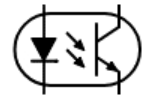
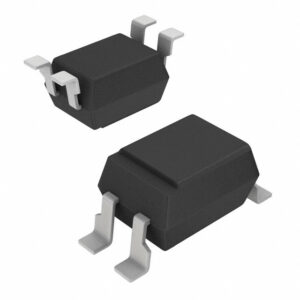
Isolators are components used to transmit signals across two sections of a circuit that must remain electrically separated for safety, noise immunity, or functional reasons. This electrical separation—called galvanic isolation—prevents current flow while still allowing data or control signals to pass through. Isolators are especially important in high-voltage or noisy environments, such as industrial automation, motor control systems, or medical electronics. Isolators are signal-level devices that facilitate safe communication between subsystems without direct electrical contact. There are two primary types of isolators: optical isolators (also known as optocouplers) and digital isolators. Optical isolators use light to transmit information across an isolation barrier. A typical optocoupler consists of an LED on the input side and a phototransistor, photodiode, SCR, or Triac on the output side. When current flows through the LED, it emits light that activates the output component, allowing the signal to be reproduced on the isolated side. Optocouplers are widely used in applications requiring moderate speed and high-voltage isolation—such as microcontroller interfaces, SMPS (switch mode power supply) feedback loops, or PLC input modules. They are favored for their simplicity and excellent electrical noise immunity. Digital isolators, on the other hand, do not rely on light. Instead, they typically use capacitive or magnetic coupling to transmit digital signals across the isolation barrier. These isolators offer several advantages over optocouplers, including higher data rates, lower power consumption, better temperature stability, and longer lifespan since they avoid LED aging. Digital isolators are particularly well-suited for high-speed communication interfaces like SPI, I²C, or UART, where timing and signal integrity are critical. However, they may be more sensitive to certain types of transient interference, depending on the design and application. Choosing between an optical and a digital isolator depends on several factors: signal type (analog or digital), speed, voltage isolation requirements, environmental conditions, and reliability expectations. For example, optocouplers might still be preferred in high-voltage analog feedback paths due to their robust noise immunity, while digital isolators may be better suited for fast, compact, low-power digital systems.
 14230434300View Product
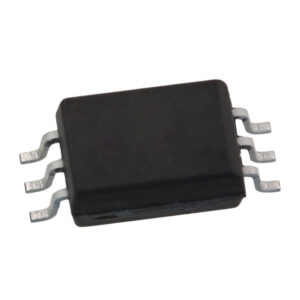 ACPL-W349-060EView Product
 5962-9314001HYAView Product
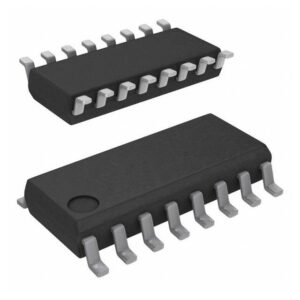 SI86SS41BC-IS1RView Product
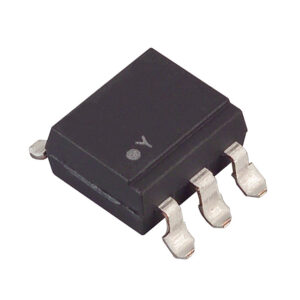 CNY17F-3S-TA1View Product
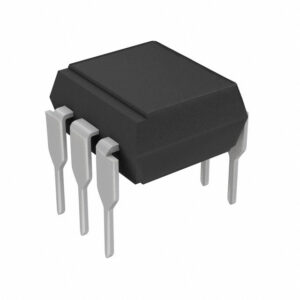 IL4117-X001View Product5962-9314001HZAView Product
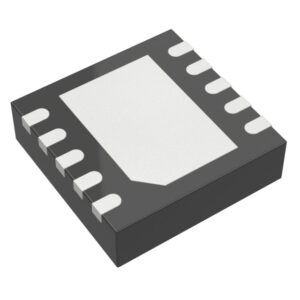 LTC4310CDD-2#TRPBFView Product
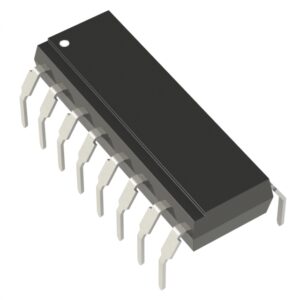 PS2505-4GView Product
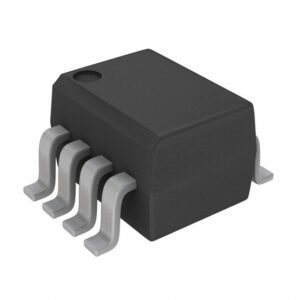 VO0631-X001TView Product
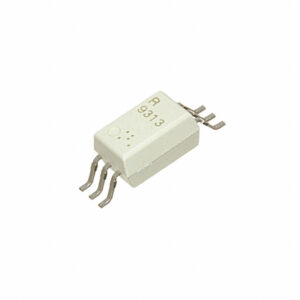 PS9308L-V-AXView Product
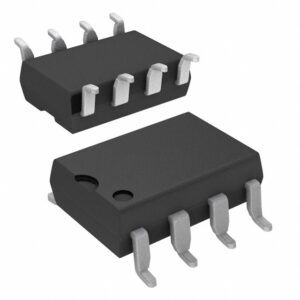 HCPL-4506#520View Product
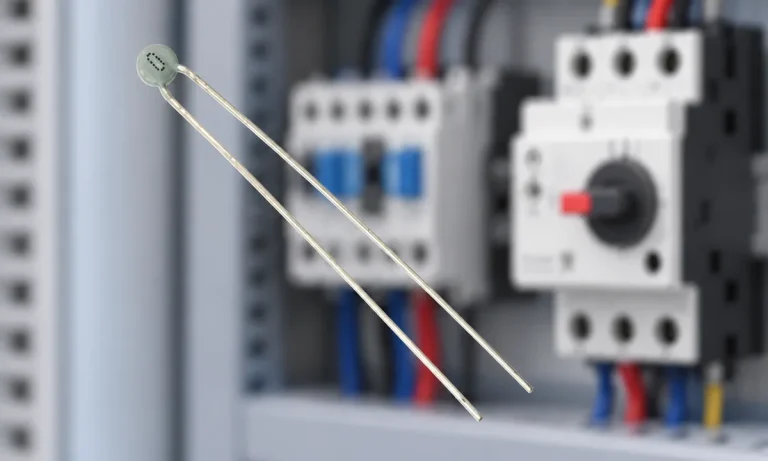
Learn why PTC resistance rises with temperature, how it differs from NTC, and which ratings matter for sensing and protection.
Read More
Tokyo / Munich / Tessenderlo, December 24, 2025As the global semiconductor industry enters the first year of the 2nm process era, international electronic component…
Read More
Learn what an integrated circuit is, how ICs work, the main types and the specs to check before choosing a part for your design…
Read More
Manchester, New Hampshire, USA – March 22, 2026 – Allegro MicroSystems, Inc. (Nasdaq: ALGM), a global leader in high-performance power and sensing semiconductor solutions…
Read More
Recently, a survey by the Electronic Components Industry Association (ECIA) revealed that the sales sentiment of global electronic components remained optimistic in the third…
Read More
Recently, the global electronic component market has witnessed a series of new developments. The strategic layouts and market collaborations of major enterprises are constantly…
Read More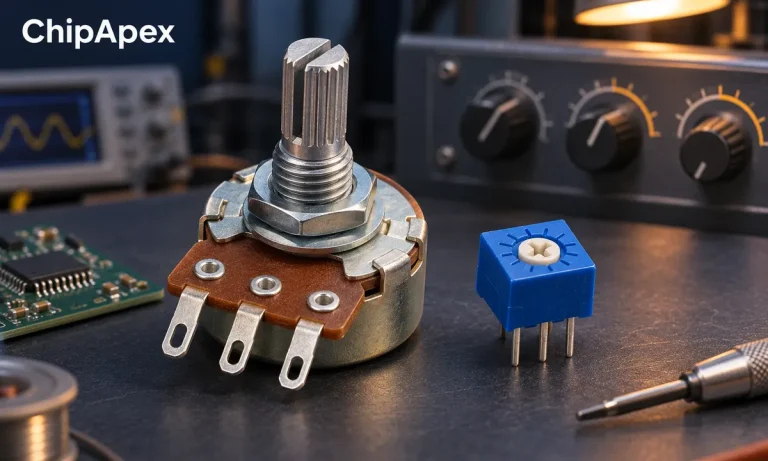
Compare rheostat and potentiometer wiring and functions. Understand divider loading, wiper current, track power and practical component selection.
Read More
On September 22nd, it was reported that Samsung Electronics, the South Korean tech giant, had successfully passed NVIDIA’s certification test for its 12-layer HBM3E…
Read More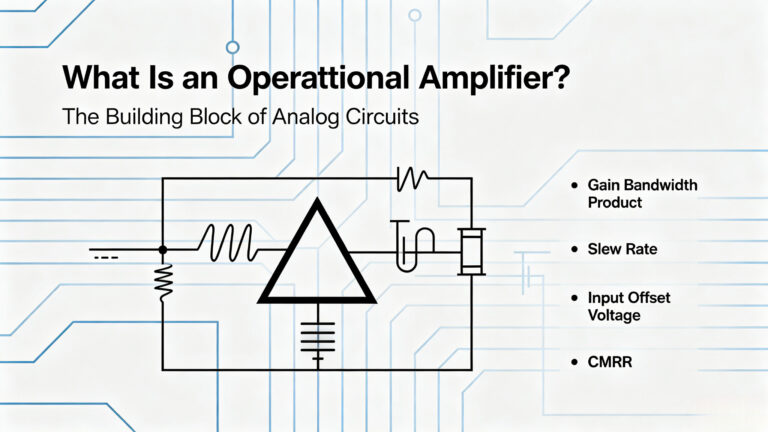
If you’ve spent any time staring at a schematic, you’ve seen the triangle. Two inputs, one output, and a gain symbol that looks deceptively…
Read More
Understand motor controller types, driver functions, startup current, feedback and braking. Use practical checks to match control electronics to your motor.
Read More
Choose a solid-state relay by AC or DC load, leakage, switching mode and heat. Review practical SSR limits and prepare component requirements for ChipApex.
Read More
ChipApex – May 8, 2026 Texas Instruments (TI), the global leader in analog and embedded semiconductors, has officially notified customers of an upcoming company-wide…
Read More
The activity of extra discounts on wholesale prices is in full swing…
Please fill in your contact information and we will send you the latest wholesale price list.

