 ChipApex | Global Electronic Components Supplier
SEARCH
Search Product
Search Post
— IC芯片 | 连接器 | 传感器 | 被动器件 —
Search productSearch post
— IC芯片 | 连接器 | 传感器 | 被动器件 —
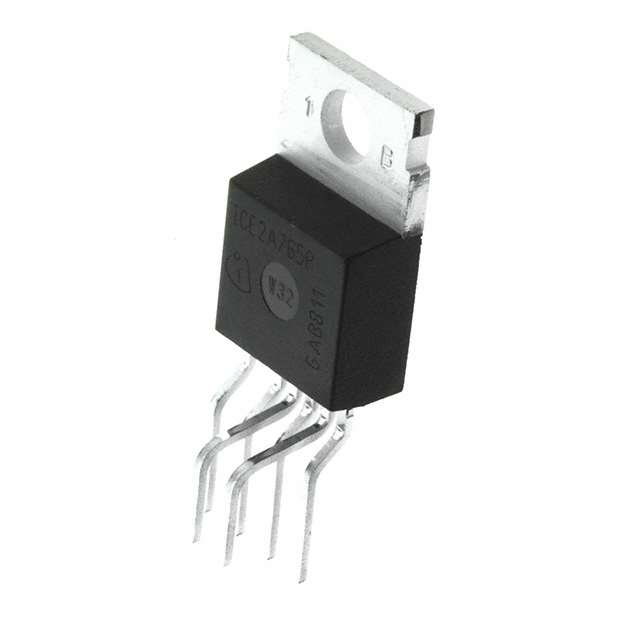
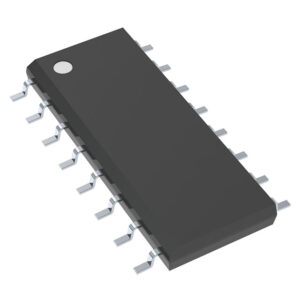
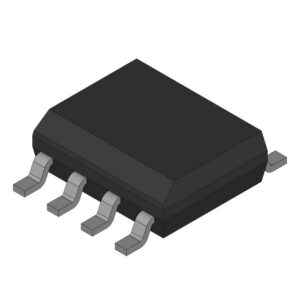
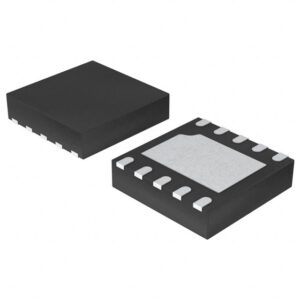
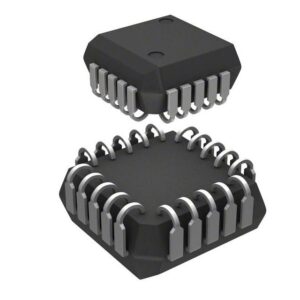
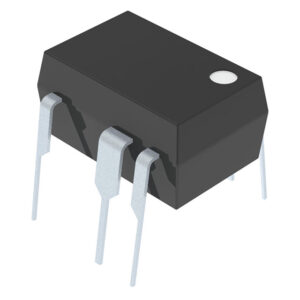
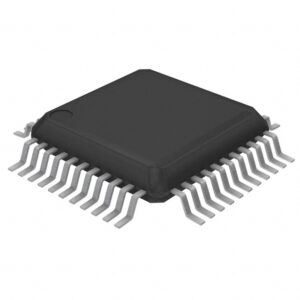
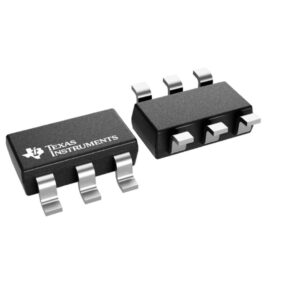
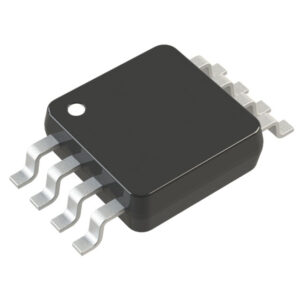
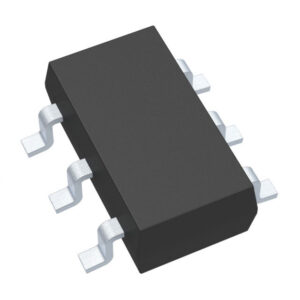
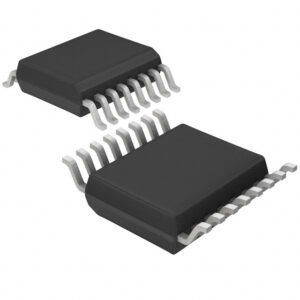
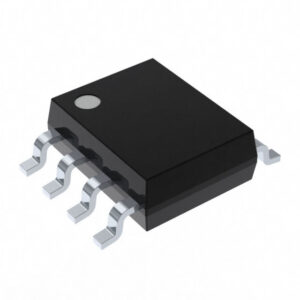
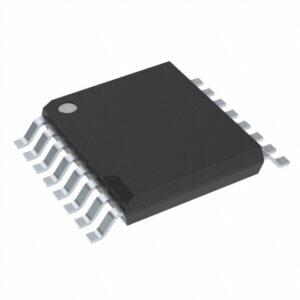
Power Management Integrated Circuits (PMICs) are multi-functional chips that manage the flow of electrical power within an electronic device. They combine several power management functions into a single, compact package, simplifying circuit design and reducing board space. Included in this category is PMICs for AC/DC Converters, Gate Drivers, Power Supply Controllers, Supervisors, and more! The key features and benefits of PMICs include: Multiple Integrated Functions: Can perform a variety of tasks such as voltage regulation, battery charging and management, load switching, and power sequencing, eliminating the need for multiple discrete components. Improved Efficiency: Optimize power conversion and reduce overall system power consumption, leading to extended battery life in portable devices and lower operating costs. Space Saving Design: Reduce board size and complexity by integrating multiple functions into a single chip, making them ideal for space-constrained applications. Enhanced System Stability: Provide features like power sequencing and inrush current limiting to ensure stable operation and protect sensitive electronic components. Simplified Design: Reduce design complexity by offering pre-defined configurations and programmable features, allowing engineers to focus on core functionalities of their devices. PMICs are widely used in a variety of electronic devices, including smartphones, laptops, tablets, wearables, portable medical devices, internet of things (IoT) devices, and industrial control systems. Their ability to efficiently manage power, save space, and simplify design makes them a critical component for modern electronics.
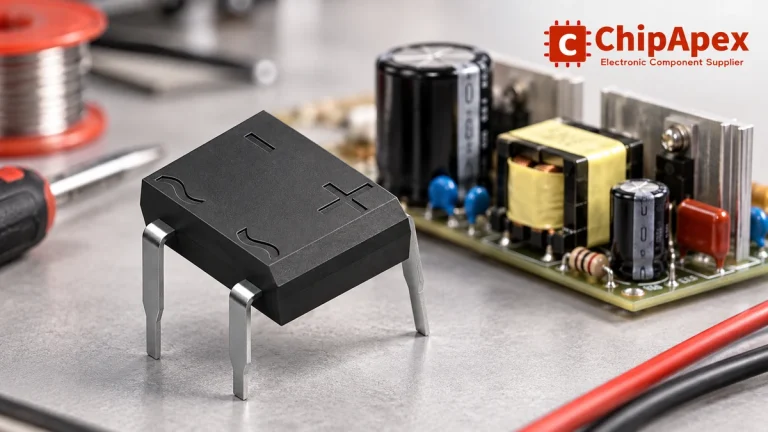
Select a bridge rectifier by reverse voltage, capacitor charging current, startup surge and cooling. Work through a stated DC voltage and ripple example.
Read More
Recently, the global electronic component market has witnessed a series of new developments. The strategic layouts and market collaborations of major enterprises are constantly…
Read More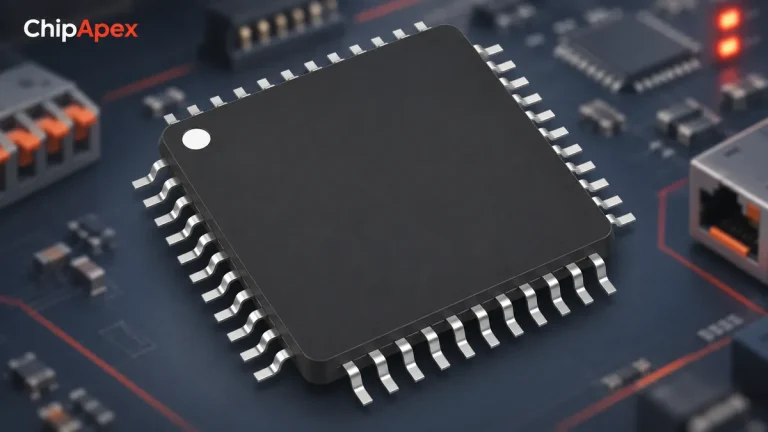
Learn how CPLDs implement hardware logic, compare them with FPGAs and MCUs, and check timing, I/O voltage, startup behavior and programming requirements.
Read More
Learn what data acquisition means, from sensors and conditioning to sampling and storage. Review channel timing, wiring, calibration and data quality.
Read More
Compare RC, crystal and MEMS oscillator circuits. Check ppm, jitter, load capacitance, startup margin and output compatibility before choosing a clock source.
Read More
Recently, the global electronic components market has been constantly evolving, and different regions and enterprises have witnessed new moves in aspects such as technological…
Read More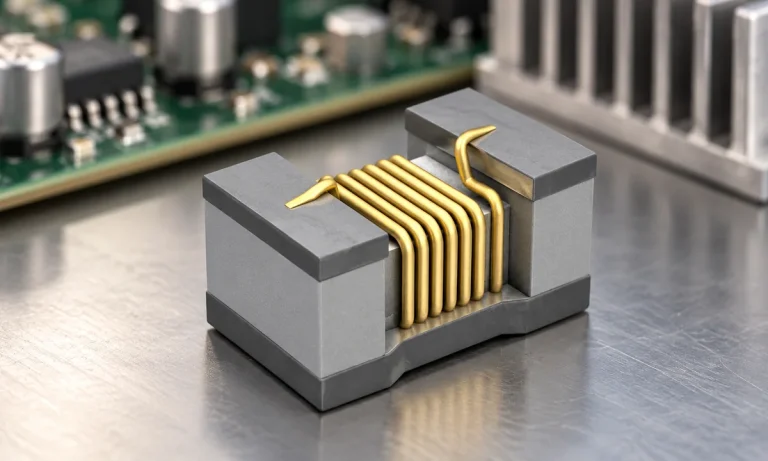
See when an inductor behaves linearly, how DC bias and saturation reduce inductance, and which current and temperature curves to check.
Read More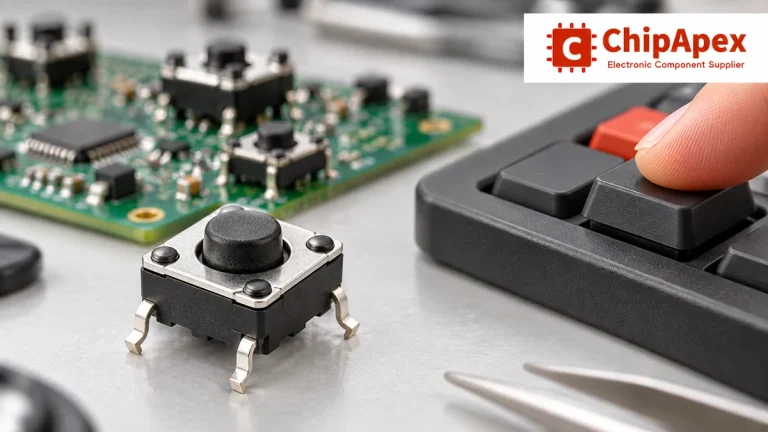
Understand tactile switches, PCB and keyboard differences, four-pin wiring, debounce, force, travel and replacement checks for reliable control inputs.
Read More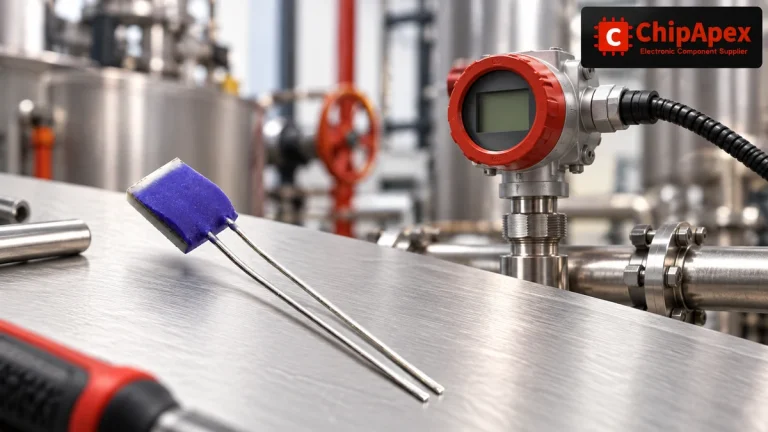
Compare Pt100 and Pt1000 RTDs, two-, three- and four-wire connections, excitation and self-heating. Build an error budget from element to reported temperature.
Read More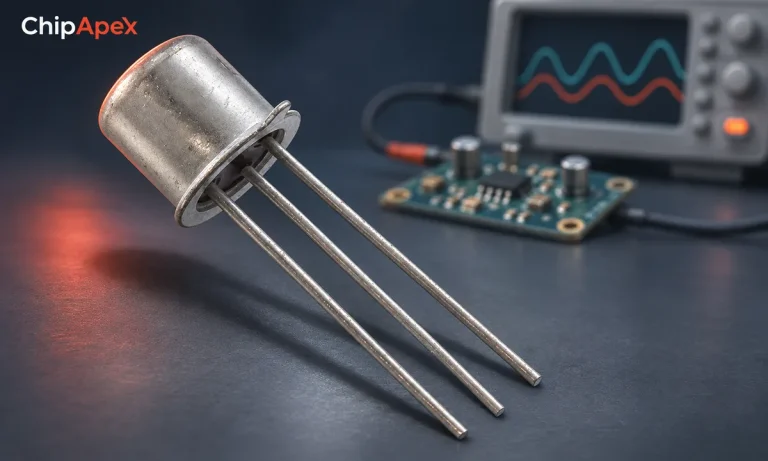
Learn what a transistor does in a circuit. Compare switching and amplification, BJT and MOSFET drive, operating limits and practical component selection.
Read More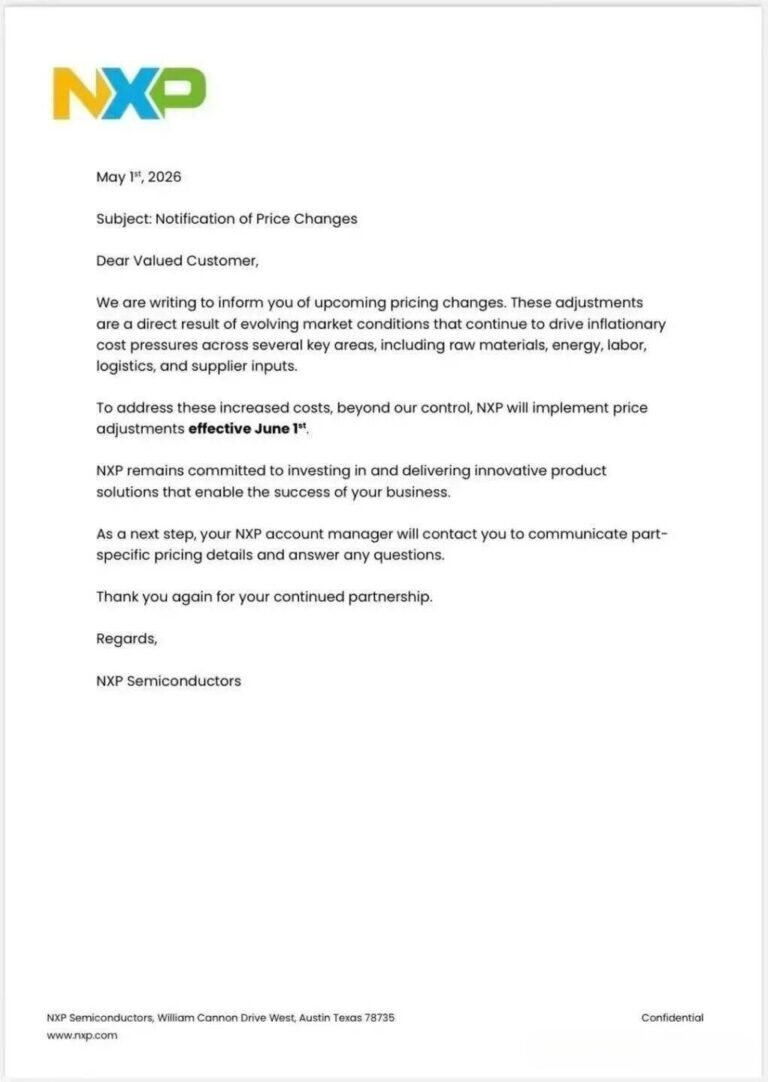
May 8, 2026 – Eindhoven, Netherlands NXP Semiconductors (NXPI), a global leader in automotive and industrial semiconductor solutions, has officially notified its worldwide channel…
Read More
Recently, global semiconductor manufacturers have been constantly making moves in aspects such as technological cooperation, product manufacturing processes, and market layout, demonstrating the rapid…
Read More
The activity of extra discounts on wholesale prices is in full swing…
Please fill in your contact information and we will send you the latest wholesale price list.