ChipApex | Global Electronic Components Supplier

SEARCH
Search Product
Search Post
— IC芯片 | 连接器 | 传感器 | 被动器件 —
Search productSearch post
— IC芯片 | 连接器 | 传感器 | 被动器件 —
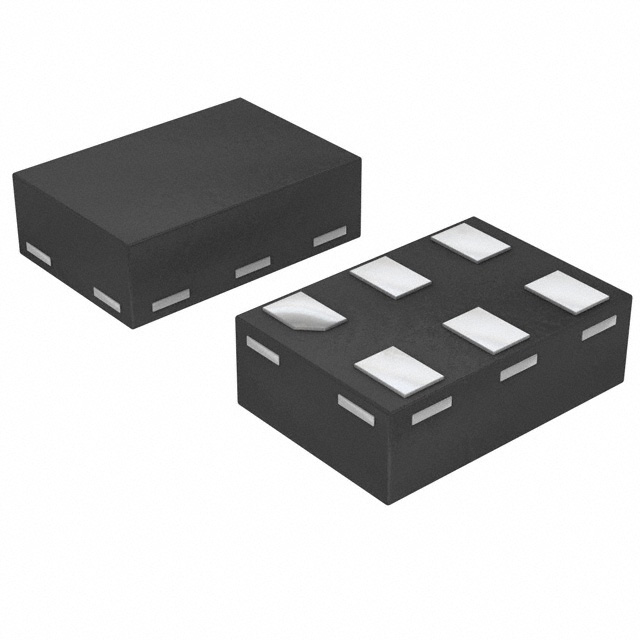
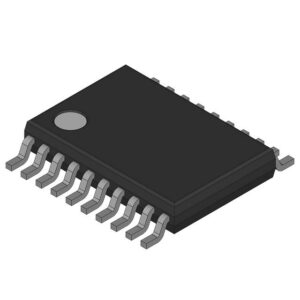
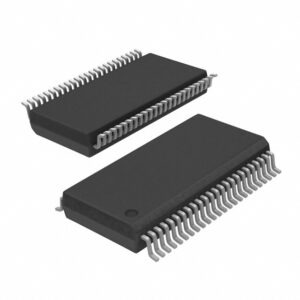
Logic buffers, drivers, receivers and transceivers allow isolated access to logic signals from one circuit for use in another circuit. Buffers pass their input signal, either unchanged or inverted, to their output and may be used to clean up a weak signal or drive a load. In a boolean logic simulator, a buffer is mainly used to increase propagation delay. Logic receivers and transceivers allow isolated communication between data buses.
| Select products | Mfr | Description | Package | Supplier Device Package | Mounting Type | Series | Operating Temperature |
|---|---|---|---|---|---|---|---|
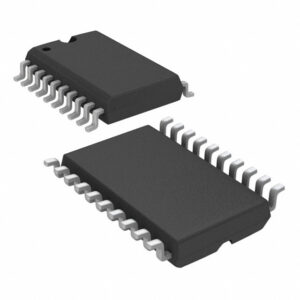
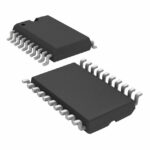 SN74ALS541DW $1.68 | Texas Instruments | IC BUF NON-INVERT 5.5V 20SOIC | Bulk,Tube | 20-SOIC | Surface Mount | 74ALS | 0°C ~ 70°C (TA) |
SN74ALS541DWR $1.41 | Texas Instruments | IC BUF NON-INVERT 5.5V 20SOIC | Tape & Reel (TR),Cut Tape (CT) | 20-SOIC | Surface Mount | 74ALS | 0°C ~ 70°C (TA) |
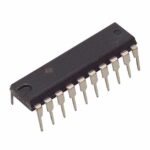 SN74ALS541N $1.79 | Texas Instruments | IC BUF NON-INVERT 5.5V 20DIP | Bulk,Tube | 20-PDIP | Through Hole | 74ALS | 0°C ~ 70°C (TA) |
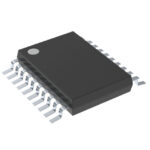 SN74ALS541NS $1.95 | Texas Instruments | IC BUFFER NON-INVERT 5.5V 20SO | Tube | 20-SO | Surface Mount | 74ALS | 0°C ~ 70°C (TA) |
SN74ALS541NSR $1.57 | Texas Instruments | IC BUFFER NON-INVERT 5.5V 20SO | Tape & Reel (TR),Cut Tape (CT) | 20-SO | Surface Mount | 74ALS | 0°C ~ 70°C (TA) |
SN74ALS541NSRE4 $1.48 | Texas Instruments | IC BUFFER NON-INVERT 5.5V 20SO | Tape & Reel (TR),Cut Tape (CT) | 20-SO | Surface Mount | 74ALS | 0°C ~ 70°C (TA) |
SN74ALS541NSRG4 $0.75 | Texas Instruments | IC BUFFER NON-INVERT 5.5V 20SO | Tape & Reel (TR) | 20-SO | Surface Mount | 74ALS | 0°C ~ 70°C (TA) |
SN74ALS620ADW $4.22 | Texas Instruments | IC TXRX INVERT 5.5V 20SOIC | Bulk,Tube | 20-SOIC | Surface Mount | 74ALS | 0°C ~ 70°C (TA) |
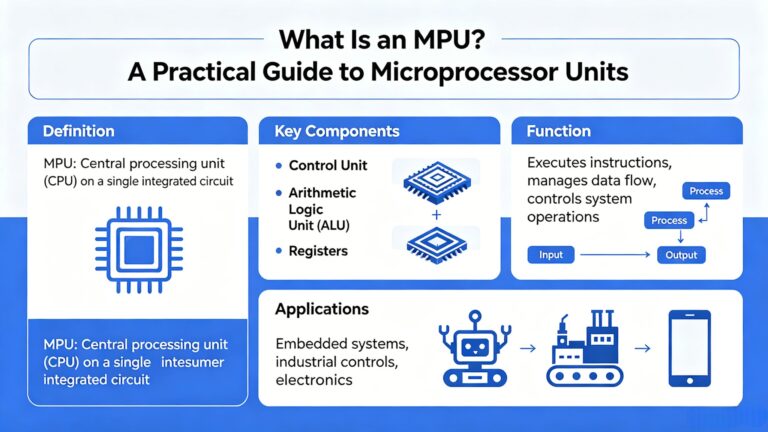
In embedded design, the tug-of-war between cost and performance is constant. On one side, you have Microcontrollers (MCUs)—cheap, simple, and efficient. On the other,…
Read More
Learn how a diode conducts, how to identify anode and cathode, and when to choose rectifier, TVS, Zener or photodiode types for a circuit.
Read More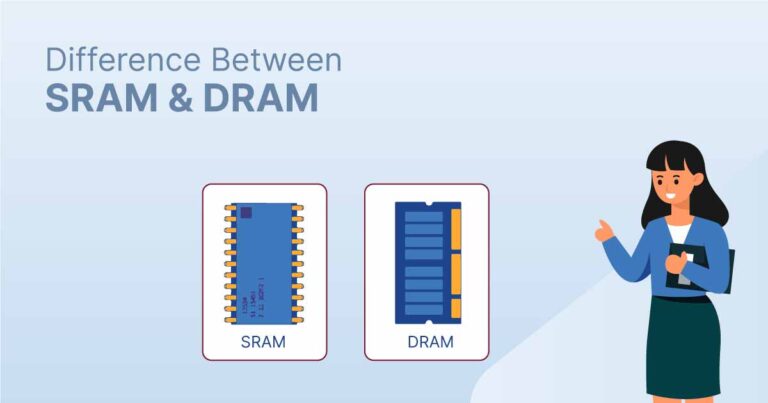
In an era dominated by AI accelerators with terabytes of HBM memory and consumer devices racing toward LPDDR5X bandwidth, it’s easy to wonder: why…
Read More
Learn how rectifiers convert AC to DC, compare half-wave and bridge circuits, and select voltage, current, recovery and thermal ratings for your design.
Read More
Vishay Intertechnology, Inc., a global leader in discrete semiconductors and passive electronic components, has officially announced a price adjustment for its Metal-Oxide-Semiconductor Field-Effect Transistors…
Read More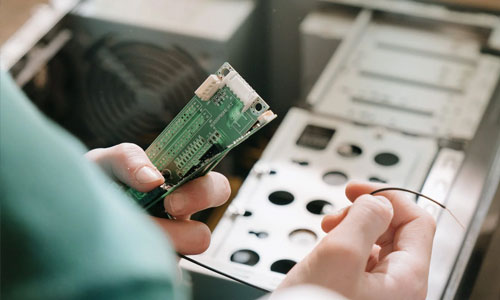
[Shenzhen/Shanghai/Beijing, January 2025] — As global digital transformation accelerates, the electronic components industry has reached a critical inflection point in 2025. Emerging fields such…
Read More
Learn how a TRIAC switches AC loads. Understand triggering, latching, holding current, phase control and thermal limits before choosing a component.
Read More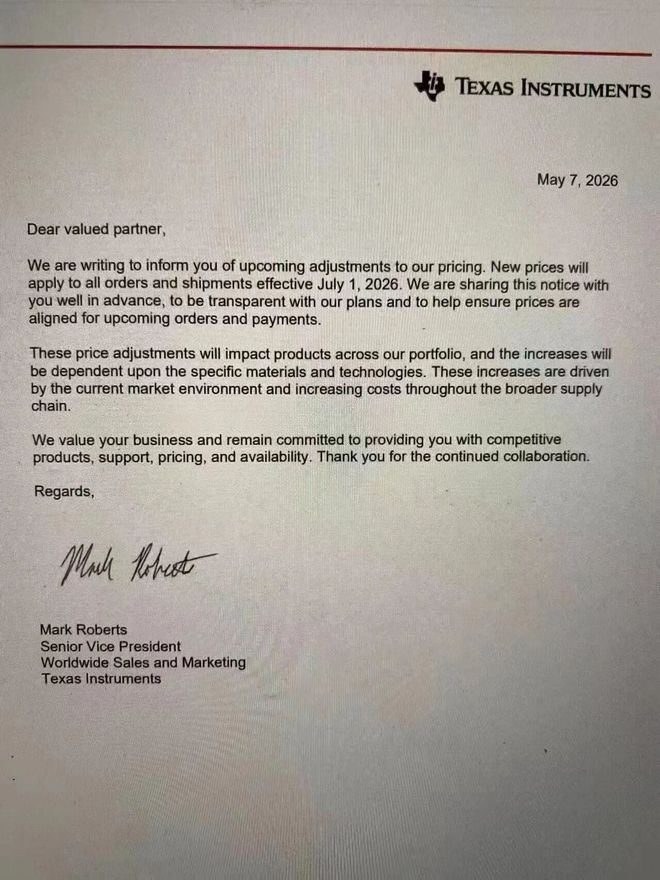
ChipApex – May 8, 2026 Texas Instruments (TI), the global leader in analog and embedded semiconductors, has officially notified customers of an upcoming company-wide…
Read More
Understand how an LDO regulates voltage. Check dropout, noise, PSRR, output capacitors and heat before selecting a low-dropout regulator for your circuit.
Read More
Understand RF attenuator dB values, fixed and programmable types, impedance, power limits and noise tradeoffs before choosing parts for an RF signal path.
Read More
Choose a DIP switch by contact type, coded positions, footprint and signal ratings. Check logic polarity, assembly conditions and PCB configuration behavior.
Read More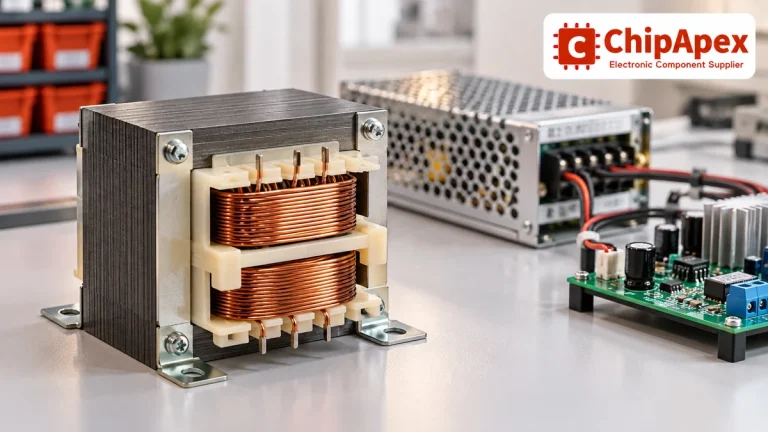
Select power transformers by input frequency, secondary VA, rectifier load, isolation, regulation and inrush. Build a clearer specification for your next RFQ.
Read More
The activity of extra discounts on wholesale prices is in full swing…
Please fill in your contact information and we will send you the latest wholesale price list.