 ChipApex | Global Electronic Components Supplier

SEARCH
Search Product
Search Post
— IC芯片 | 连接器 | 传感器 | 被动器件 —
Search productSearch post
— IC芯片 | 连接器 | 传感器 | 被动器件 —
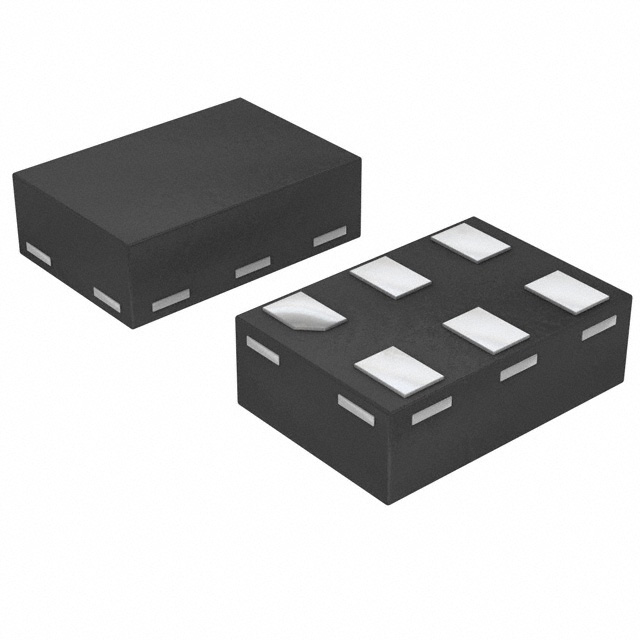
Logic buffers, drivers, receivers and transceivers allow isolated access to logic signals from one circuit for use in another circuit. Buffers pass their input signal, either unchanged or inverted, to their output and may be used to clean up a weak signal or drive a load. In a boolean logic simulator, a buffer is mainly used to increase propagation delay. Logic receivers and transceivers allow isolated communication between data buses.
| Select products | Mfr | Description | Package | Supplier Device Package | Mounting Type | Series | Operating Temperature |
|---|---|---|---|---|---|---|---|
 CD74ACT540MG4 $0.53 | Texas Instruments | IC BUFF INVERT 5.5V 20SOIC | Tube | 20-SOIC | Surface Mount | 74ACT | -55°C ~ 125°C (TA) |
 CD74ACT541E $1.18 | Texas Instruments | IC BUFF NON-INVERT 5.5V 20DIP | Tube | 20-PDIP | Through Hole | 74ACT | -55°C ~ 125°C (TA) |
 CD74ACT541E $0.54 | Harris Corporation | IC BUFFER NON-INVERT 5.5V 20DIP | Tube | 20-PDIP | Through Hole | 74ACT | -55°C ~ 125°C (TA) |
CD74ACT541EE4 $0.68 | Texas Instruments | 8-CH, 4.5-V TO 5.5-V BUFFERS WIT | Tube | 20-PDIP | Through Hole | 74ACT | -55°C ~ 125°C (TA) |
CD74ACT541EG4 $0.48 | Texas Instruments | IC BUFF NON-INVERT 5.5V 20DIP | Tube | 20-PDIP | Through Hole | 74ACT | -55°C ~ 125°C (TA) |
| Texas Instruments | IC BUFF NON-INVERT 5.5V 20SOIC | Tube | 20-SOIC | Surface Mount | 74ACT | -55°C ~ 125°C (TA) | |
CD74ACT541M96 $0.75 | Texas Instruments | IC BUFF NON-INVERT 5.5V 20SOIC | Tape & Reel (TR),Cut Tape (CT) | 20-SOIC | Surface Mount | 74ACT | -55°C ~ 125°C (TA) |
CD74ACT541M96E4 $0.43 | Texas Instruments | IC BUFF NON-INVERT 5.5V 20SOIC | Tape & Reel (TR) | 20-SOIC | Surface Mount | 74ACT | -55°C ~ 125°C (TA) |
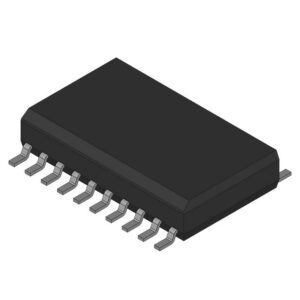 MM74HCT240SJView Product
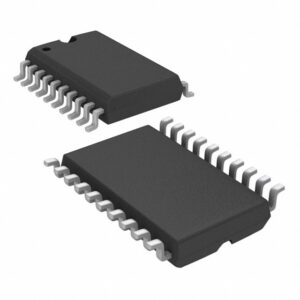 SN74BCT541ADWView Product
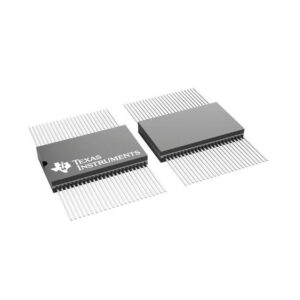 SNJ54ACT16244WDView Product
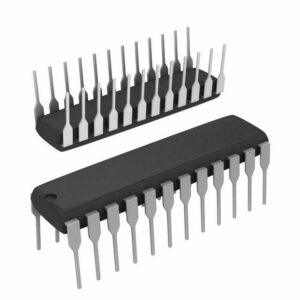 SN74BCT25245NTView Product
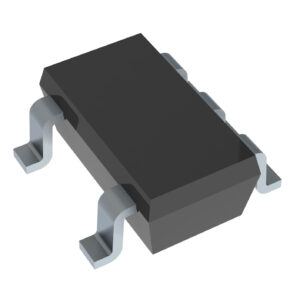 74AHC1G125DBVTG4View Product
 74ALVCH16244A4PAView Product
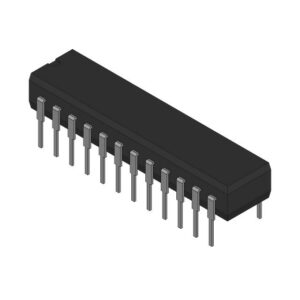 SN74ALS667NT3View Product
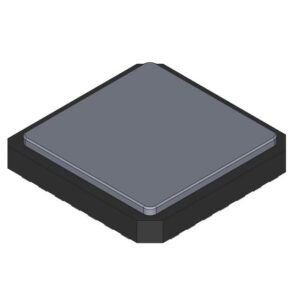 5962-9224603M3AView Product
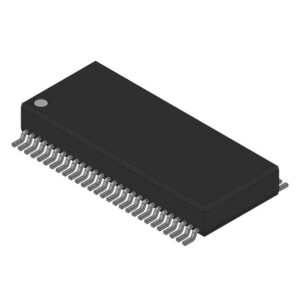 CY74FCT163H952CPVCView Product
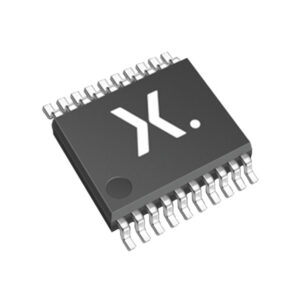 74LVC240APW,118View Product
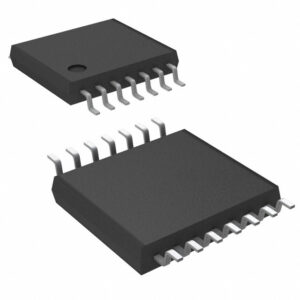 74VHC125FTView Product
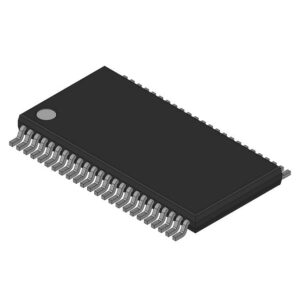 SN74ABT162245DGGView Product

Find out when a bare shock switch needs a pull resistor, when an MCU internal pull-up is enough, and why sensor modules and piezo…
Read More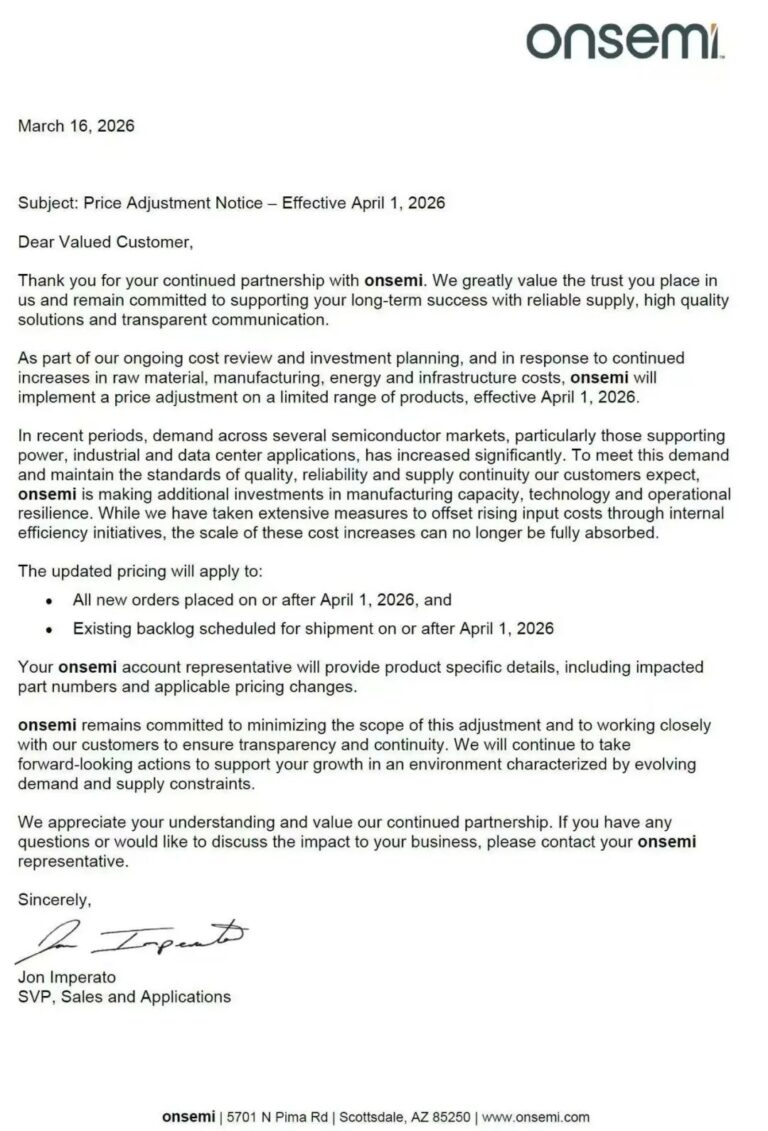
ON Semiconductor (onsemi), a global leader in intelligent power and sensing technologies, has announced plans to implement price adjustments for select product lines, effective…
Read More
Learn how a diode conducts, how to identify anode and cathode, and when to choose rectifier, TVS, Zener or photodiode types for a circuit.
Read More
Selecting the right microcontroller (MCU) isn’t just about specs—it’s about balancing performance, power, cost, and supply chain reliability. As an engineer, you’ve probably faced…
Read More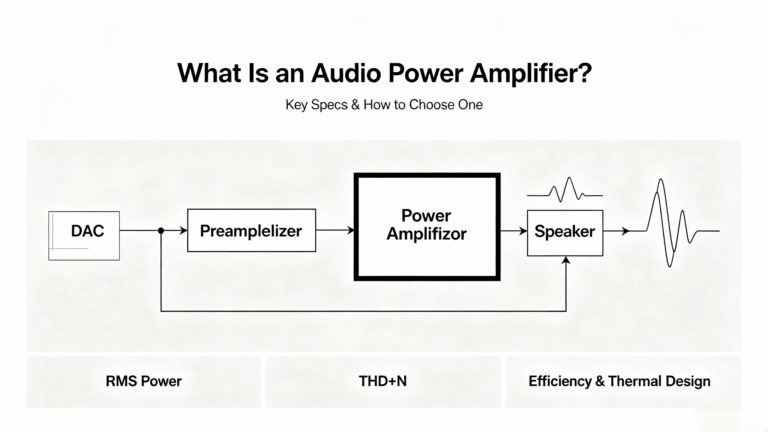
Every audio power amplifier design starts with the same fundamental challenge: converting a low-voltage line-level signal into the high-current drive required by a reactive…
Read More
Recently, global semiconductor manufacturers have been constantly making moves in aspects such as technological cooperation, product manufacturing processes, and market layout, demonstrating the rapid…
Read More
PLANO, Texas – March 20, 2026 – Diodes Incorporated (Nasdaq: DIOD), a leading global manufacturer and supplier of high-quality application-specific standard products in the…
Read More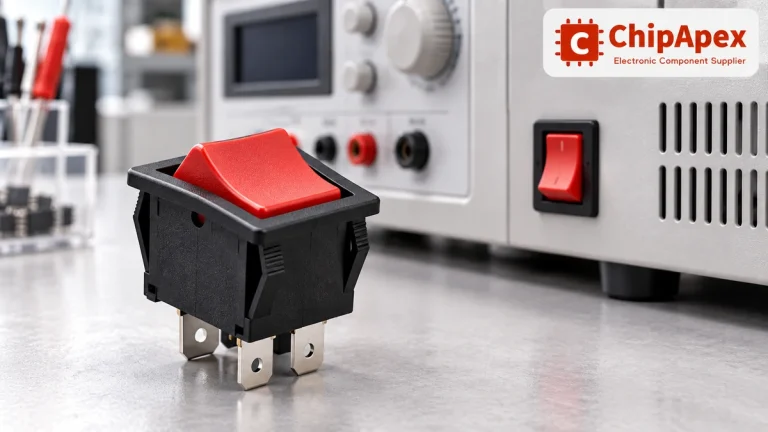
Choose a rocker switch by AC/DC ratings, contact arrangement, illumination, panel fit and sealing. Get practical checks for engineering and component sourcing.
Read More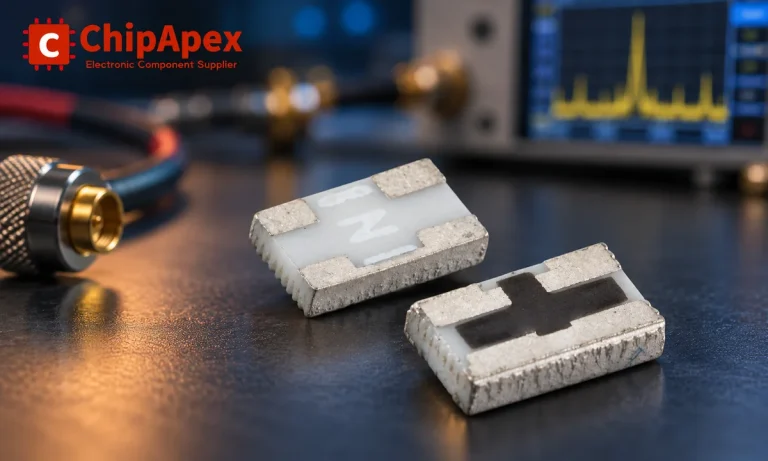
Understand RF attenuator dB values, fixed and programmable types, impedance, power limits and noise tradeoffs before choosing parts for an RF signal path.
Read More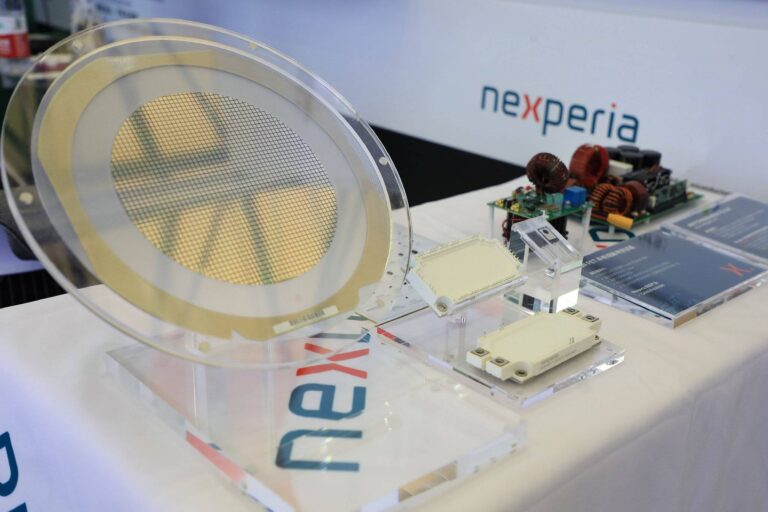
Dutch authorities announced on November 7 the lifting of control measures on Nexperia (formerly NXP Semiconductors’ Standard Products division), marking the end of a…
Read More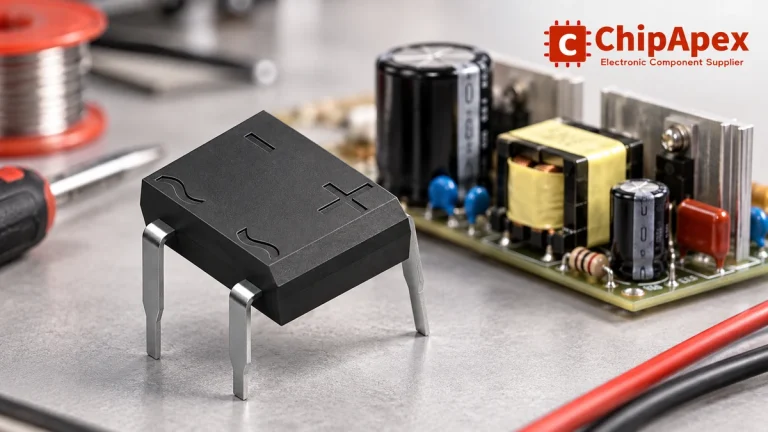
Select a bridge rectifier by reverse voltage, capacitor charging current, startup surge and cooling. Work through a stated DC voltage and ripple example.
Read More
Compare RC, crystal and MEMS oscillator circuits. Check ppm, jitter, load capacitance, startup margin and output compatibility before choosing a clock source.
Read More
The activity of extra discounts on wholesale prices is in full swing…
Please fill in your contact information and we will send you the latest wholesale price list.

