 ChipApex | Global Electronic Components Supplier

SEARCH
Search Product
Search Post
— IC芯片 | 连接器 | 传感器 | 被动器件 —
Search productSearch post
— IC芯片 | 连接器 | 传感器 | 被动器件 —
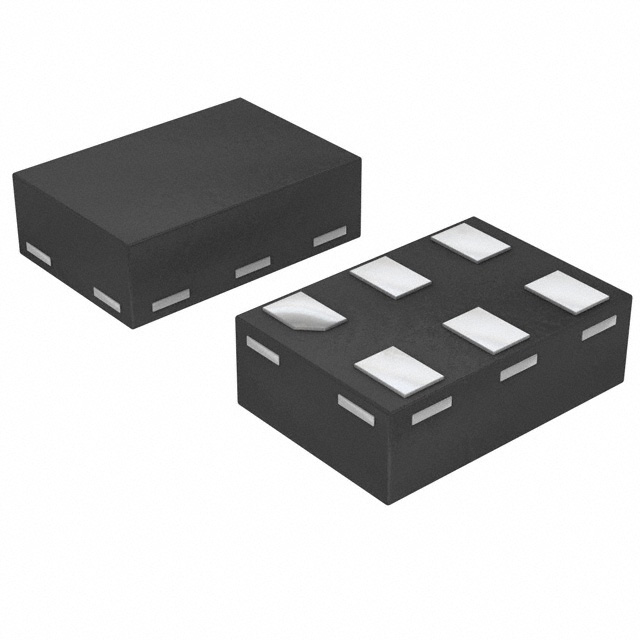
Logic buffers, drivers, receivers and transceivers allow isolated access to logic signals from one circuit for use in another circuit. Buffers pass their input signal, either unchanged or inverted, to their output and may be used to clean up a weak signal or drive a load. In a boolean logic simulator, a buffer is mainly used to increase propagation delay. Logic receivers and transceivers allow isolated communication between data buses.
| Select products | Mfr | Description | Package | Supplier Device Package | Mounting Type | Series | Operating Temperature |
|---|---|---|---|---|---|---|---|
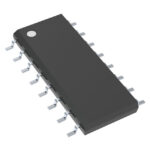 CD74HC366M96 $0.35 | Texas Instruments | IC BUFFER INVERT 6V 16SOIC | Tape & Reel (TR),Cut Tape (CT),Bulk | 16-SOIC | Surface Mount | 74HC | -55°C ~ 125°C (TA) |
CD74HC366QDRQ1 $0.52 | Texas Instruments | IC BUFFER INVERT 6V 16SOIC | Tape & Reel (TR),Cut Tape (CT),Bulk | 16-SOIC | Surface Mount | 74HC | -40°C ~ 125°C (TA) |
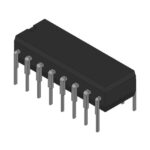 CD74HC367E $0.37 | Harris Corporation | IC BUFFER NON-INVERT 6V 16DIP | Tube | 16-PDIP | Through Hole | 74HC | -55°C ~ 125°C (TA) |
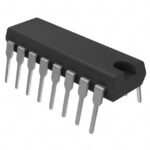 CD74HC367E $0.88 | Texas Instruments | IC BUFFER NON-INVERT 6V 16DIP | Tube | 16-PDIP | Through Hole | 74HC | -55°C ~ 125°C (TA) |
| Texas Instruments | IC BUFFER NON-INVERT 6V 16SOIC | Tube | 16-SOIC | Surface Mount | 74HC | -55°C ~ 125°C (TA) | |
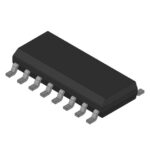 CD74HC367M $0.41 | Harris Corporation | IC BUFFER NON-INVERT 6V 16SOIC | Tube | 16-SOIC | Surface Mount | 74HC | -55°C ~ 125°C (TA) |
CD74HC367M96 $0.28 | Texas Instruments | IC BUFFER NON-INVERT 6V 16SOIC | Tape & Reel (TR),Cut Tape (CT) | 16-SOIC | Surface Mount | 74HC | -55°C ~ 125°C (TA) |
CD74HC367MT $0.83 | Texas Instruments | IC BUFFER NON-INVERT 6V 16SOIC | Tape & Reel (TR),Cut Tape (CT) | 16-SOIC | Surface Mount | 74HC | -55°C ~ 125°C (TA) |
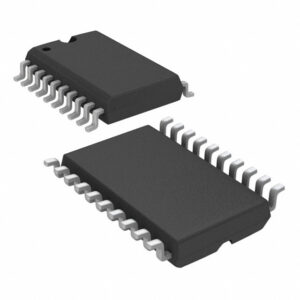 CY74FCT244CTSOCView Product
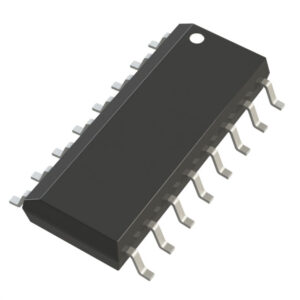 74HCT366D,652View Product
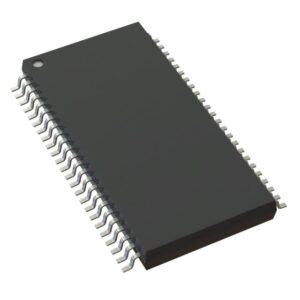 74LVT16244BDGG,118View Product
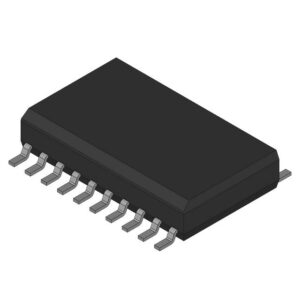 SN64BCT240DWView Product
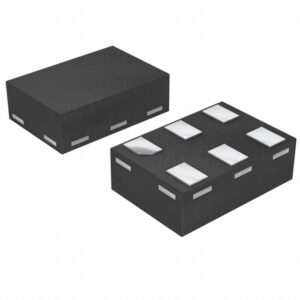 74LVC1G240GM,115View Product
 NLV68SZ126MN2TWGView Product74AVC16244DGG,118View Product
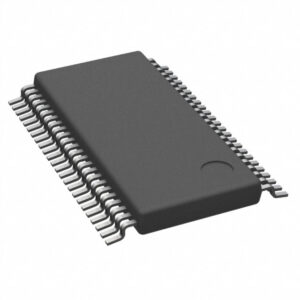 74LVC16244ADGV-Q1JView Product
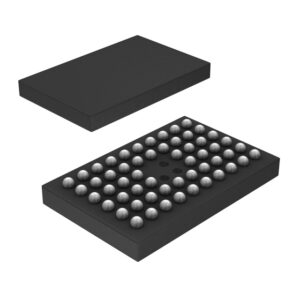 SN74LVT162244AZQLRView Product
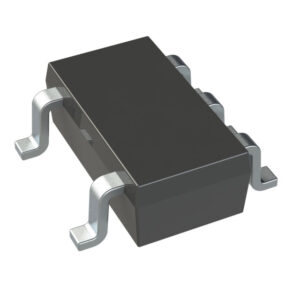 74LVC1G17W5-7View Product
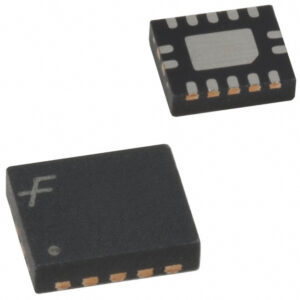 FXL4T245BQXView Product
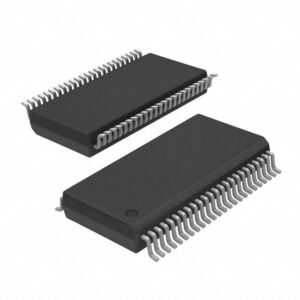 FCT162H244CTPVCTG4View Product

If you’ve spent any time staring at a schematic, you’ve seen the triangle. Two inputs, one output, and a gain symbol that looks deceptively…
Read More
In the world of electronics, memory components play a critical role in system performance—and DRAM (Dynamic Random-Access Memory) is one of the most widely…
Read More
Understand how a comparator switches at a voltage threshold, why hysteresis prevents chatter, and which output and input specs matter.
Read More
Recently, global semiconductor manufacturers have been constantly taking actions and presenting numerous new developments in aspects such as process technology and product research and…
Read More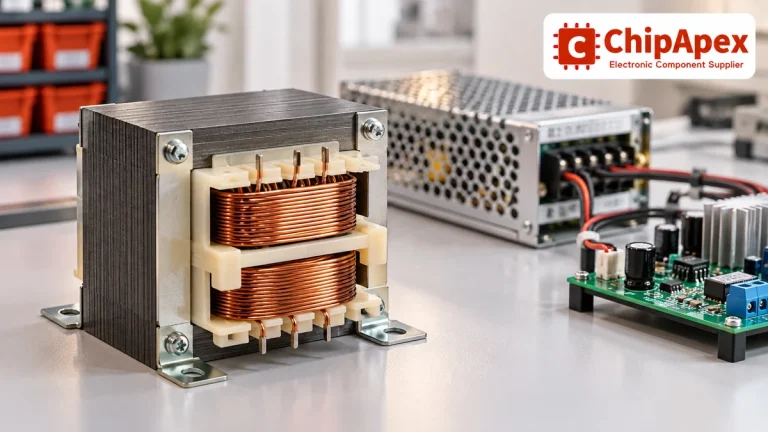
Select power transformers by input frequency, secondary VA, rectifier load, isolation, regulation and inrush. Build a clearer specification for your next RFQ.
Read More
In embedded design, the tug-of-war between cost and performance is constant. On one side, you have Microcontrollers (MCUs)—cheap, simple, and efficient. On the other,…
Read More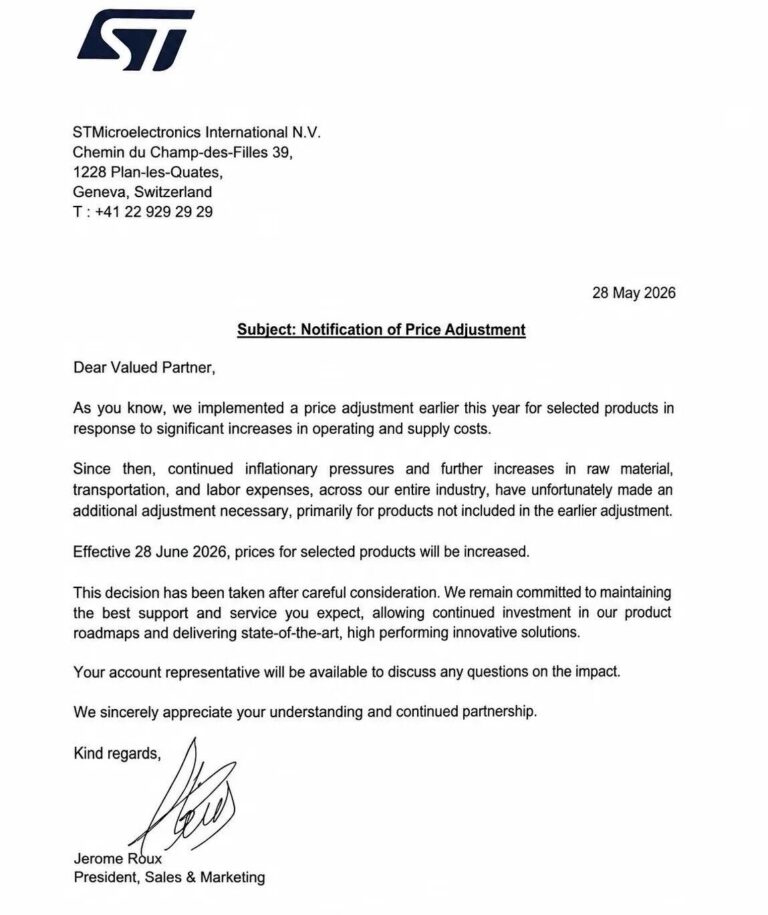
STMicroelectronics (ST), a global leader in semiconductor manufacturing, has officially notified customers of a new round of price increases for selected products, set to…
Read More
Learn how a diode conducts, how to identify anode and cathode, and when to choose rectifier, TVS, Zener or photodiode types for a circuit.
Read More
Recently, a survey by the Electronic Components Industry Association (ECIA) revealed that the sales sentiment of global electronic components remained optimistic in the third…
Read More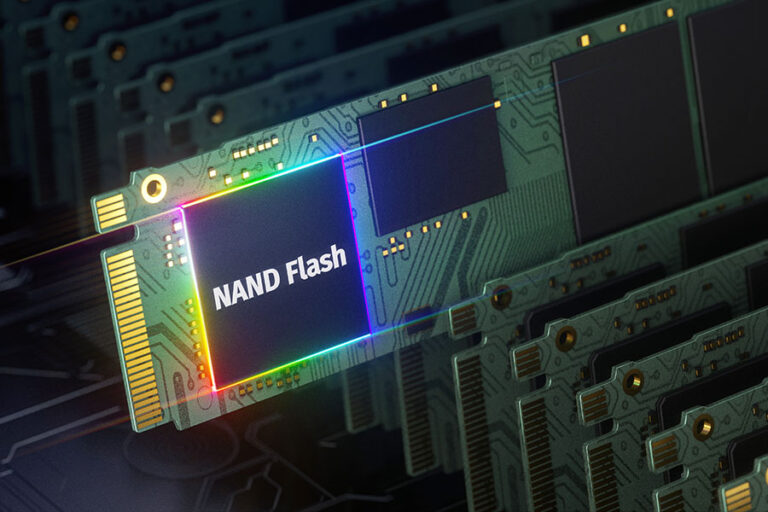
What Is NAND Flash? A Practical Guide for Engineers & Procurement Teams In today’s data-driven world—from smartphones and SSDs to industrial IoT devices—NAND flash…
Read More
Learn how rectifiers convert AC to DC, compare half-wave and bridge circuits, and select voltage, current, recovery and thermal ratings for your design.
Read More
Understand how oscillators generate timing signals, how they differ from crystals, and which frequency, output and stability specs matter when choosing one.
Read More
The activity of extra discounts on wholesale prices is in full swing…
Please fill in your contact information and we will send you the latest wholesale price list.

