 ChipApex | Global Electronic Components Supplier

SEARCH
Search Product
Search Post
— IC芯片 | 连接器 | 传感器 | 被动器件 —
Search productSearch post
— IC芯片 | 连接器 | 传感器 | 被动器件 —
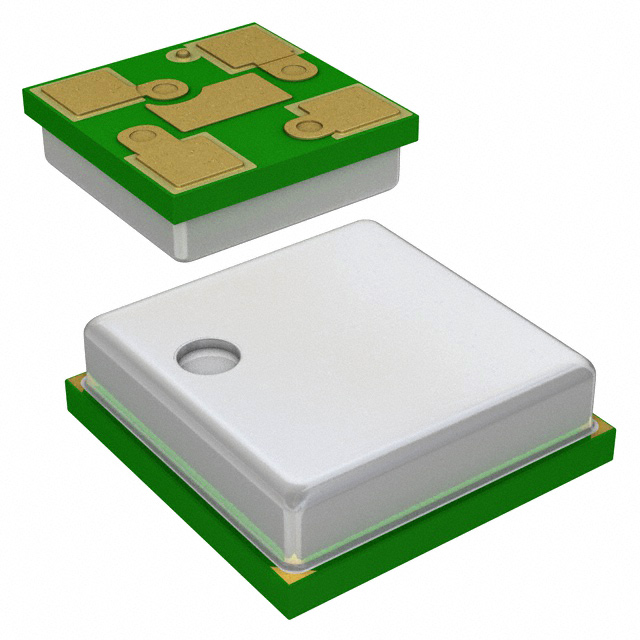
Pressure Sensors or Transducers are designed to detect and respond to the presence or a change in the amount of force on the device. The pressure types are Absolute, Compound, Differential, Gauge, Sealed Gauge, Switch, Vacuum, and Vented Gauge with operating pressures from -100PSI (-689.48kPa) to 20000PSI (137895.15kPa).
| Select products | Mfr | Description | Package | Supplier Device Package | Mounting Type | Series | Operating Temperature |
|---|---|---|---|---|---|---|---|
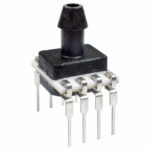 HSCDANT100MG2A5 $36.96 | Honeywell Sensing and Productivity Solutions | SENSOR 1.45PSIG 0.19" 12BIT 8DIP | Bulk | 8-DIP | Through Hole | TruStability® HSC | -20°C ~ 85°C |
HSCDANT100MGAA5 $36.96 | Honeywell Sensing and Productivity Solutions | SENSOR 1.45PSIG 0.19" 4.5V 8DIP | Bulk | 8-DIP | Through Hole | TruStability® HSC | -20°C ~ 85°C |
 HSCDANT100PGSA3 $28.03 | Honeywell Sensing and Productivity Solutions | HSCDANT100PGSA3 | Bulk | - | - | * | - |
HSCDANT2.5BAAA5 $32.35 | Honeywell Sensing and Productivity Solutions | TRUSTABILITY PRESSURE SENSOR | Bulk | 8-DIP | Through Hole | TruStability® HSC | -20°C ~ 85°C |
HSCDANV001BAAA5 $28.03 | Honeywell Sensing and Productivity Solutions | HSC, 1BAR, ABS, DIP, SP, ANA, 5V | Bulk | 8-DIP | Through Hole | TruStability® HSC | -20°C ~ 85°C |
HSCDANV001BASA3 $28.96 | Honeywell Sensing and Productivity Solutions | HSC, 1BAR, ABS, DIP, SP, SPI, 3. | Bulk | 8-DIP | Through Hole | TruStability® HSC | -20°C ~ 85°C |
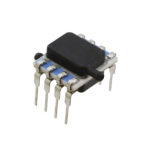 HSCDDRD001PD2A3 $31.64 | Honeywell Sensing and Productivity Solutions | SENSOR 1PSID 0.08" 12BIT 8DIP | Bulk | 8-DIP | Through Hole | TruStability® HSC | -20°C ~ 85°C |
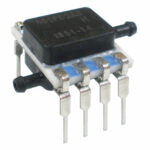 HSCDDRD005PD3A3 $30.70 | Honeywell Sensing and Productivity Solutions | SENSOR 5PSID 0.08" 12BIT 8DIP | Bulk | 8-DIP | Through Hole | TruStability® HSC | -20°C ~ 85°C |
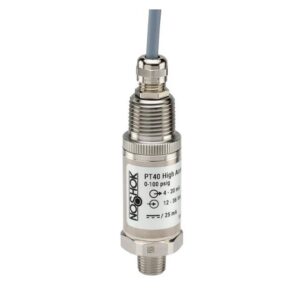 PT40-100psic-2-2-2-16-CCView Product
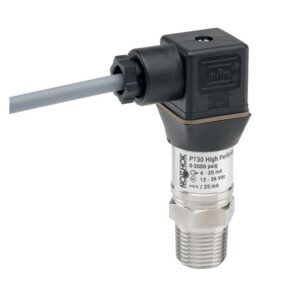 PT30-150psig-1-5-2-18-CCView Product
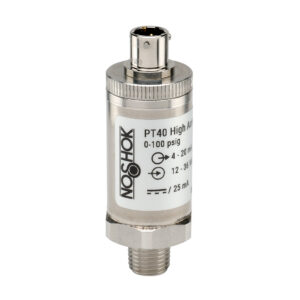 PT40-5000psig-2-5-45-2-ST8-CCView Product
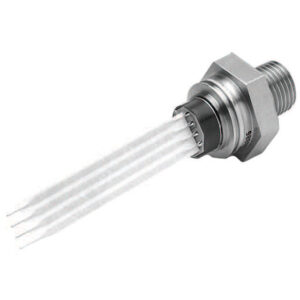 NPI-19H-172GHView Product
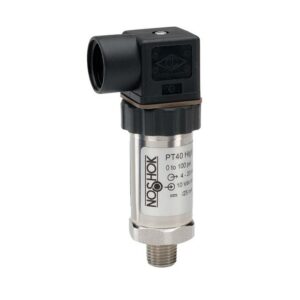 PT40-60psig-2-2-8-14-ST8View Product
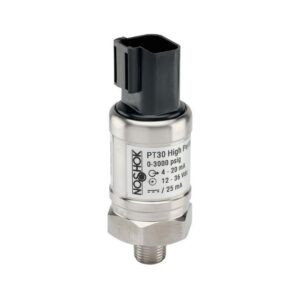 PT30-60psia-1-1-2-66-ST8View Product
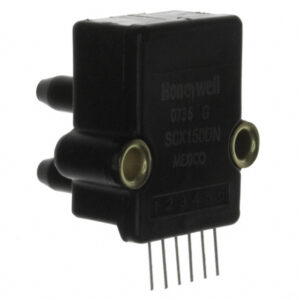 SCX150DNView Product
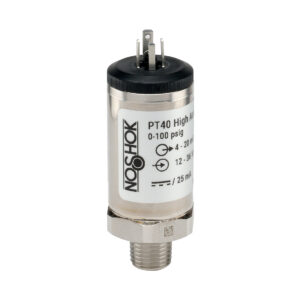 PT40-2psig-2-5-2-70-ST8-CCView Product
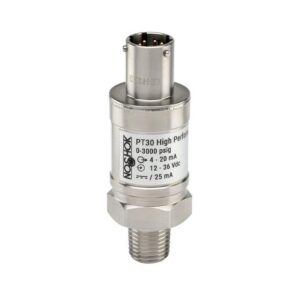 PT30-15000psig-1-5-2-3-CCView Product
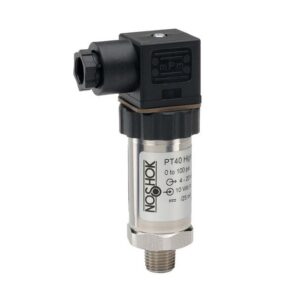 PT40-300psia-1-1-2-8-ST8-CCView Product
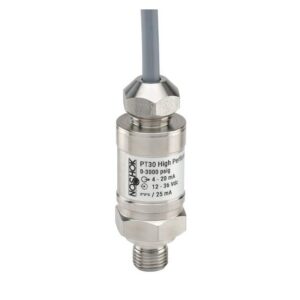 PT30-300psic-1-13-50-36View ProductPT40-3000psig-2-5-8-8-ST8View Product

Learn how a pressure transducer converts pressure into voltage, current, or digital output, and compare pressure references and key selection specs.
Read More
See when an inductor behaves linearly, how DC bias and saturation reduce inductance, and which current and temperature curves to check.
Read More
Learn how a diode conducts, how to identify anode and cathode, and when to choose rectifier, TVS, Zener or photodiode types for a circuit.
Read More
In the world of embedded electronics, getting a device to “think” is only half the battle. The other half is getting it to communicate…
Read More
TOKYO, July 31, 2026 — Renesas Electronics Corporation has officially announced a major domestic manufacturing restructuring, confirming plans to gradually discontinue all wafer fabrication…
Read MoreA digital-to-analog converter (DAC) turns a digital number into an analog voltage or current. It lets a controller set a physical output, such as…
Read More
Compare Pt100 and Pt1000 RTDs, two-, three- and four-wire connections, excitation and self-heating. Build an error budget from element to reported temperature.
Read More
Understand how oscillators generate timing signals, how they differ from crystals, and which frequency, output and stability specs matter when choosing one.
Read More
Selecting the right microcontroller (MCU) isn’t just about specs—it’s about balancing performance, power, cost, and supply chain reliability. As an engineer, you’ve probably faced…
Read More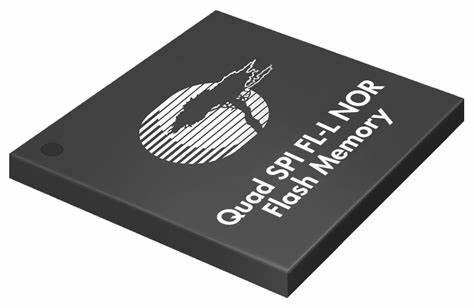
What Is NOR Flash? Why It Still Powers Critical Embedded Systems When your car’s engine control unit boots in milliseconds…When a medical device executes…
Read More
May 4, 2026 — The global power semiconductor market is grappling with a worsening supply crunch, as lead times for key components have extended…
Read More
If you’ve spent any time staring at a schematic, you’ve seen the triangle. Two inputs, one output, and a gain symbol that looks deceptively…
Read More
The activity of extra discounts on wholesale prices is in full swing…
Please fill in your contact information and we will send you the latest wholesale price list.

