ChipApex | Global Electronic Components Supplier

SEARCH
Search Product
Search Post
Search productSearch post
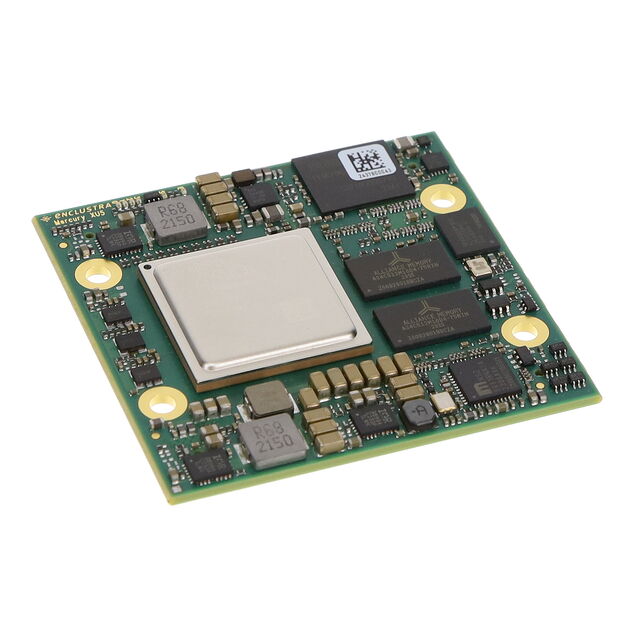
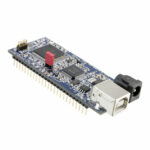
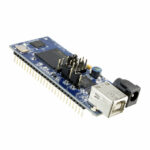
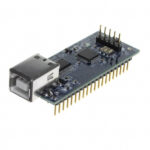
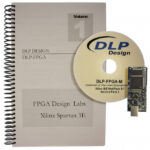
Products in the modular embedded processor family integrate a microcontroller, microprocessor, digital signal processor, FPGA, or other such computational device together with support components such as memory, power management, timing, and other items necessary for their operation. They are suitable and intended for integration into an end product, and offer product developers access to modern computational and interface capabilities without necessity of high speed hardware design experience.
| Select products | Mfr | Description | Package | Supplier Device Package | Mounting Type | Series | Operating Temperature |
|---|---|---|---|---|---|---|---|
| DLP Design Inc. | IC MOD CY8C5588 67MHZ 64KB 256KB | Bulk | USB | 0°C ~ 70°C | |||
| DLP Design Inc. | IC MOD SMARTFUSION 100MHZ 64KB | Bulk | FPGA (cSoC) | 0°C ~ 70°C | |||
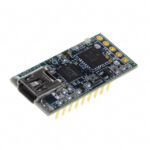 DLP-232PC $25.46 | DLP Design Inc. | IC MOD PIC18F2410 25MHZ 768B | Bulk | USB | 0°C ~ 70°C | ||
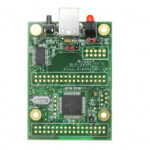 DLP-245PL-G $55.25 | DLP Design Inc. | IC MOD PIC16F8722 24MHZ 3.75KB | Bulk | USB | - | ||
| DLP Design Inc. | IC MODULE SX48 50MHZ 262B 4KB | Bulk | USB | - | |||
| DLP Design Inc. | IC MODULE SPARTAN-3E 70NS 128KB | Bulk | FPGA | - | |||
| DLP Design Inc. | IC MODULE SPARTAN-3A 66MHZ 32MB | Bulk | FPGA | 0°C ~ 70°C | |||
| DLP Design Inc. | IC MODULE SPARTAN-3A 66MHZ 32MB | Bulk | FPGA | 0°C ~ 70°C |
 TMS380C16PQLView Product
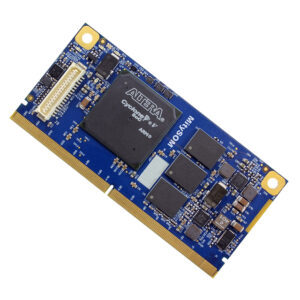 5CSX-H6-42A-RIView Product
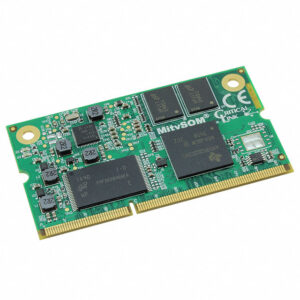 3352-HX-X47-RIView ProductDC-VA-H264-10B-60-4K-OPVIC-0000View ProductTEC0117-01View Product
 TE0726-03RView ProductQC-SIP-4290CS-CView ProductTE0841-03-41I31-AView ProductTE0782-02-045-2ICView ProductTE0745-02-81C11-AKView Product
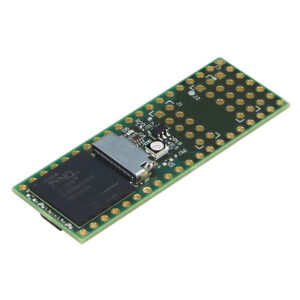 TE0722-02IView Product
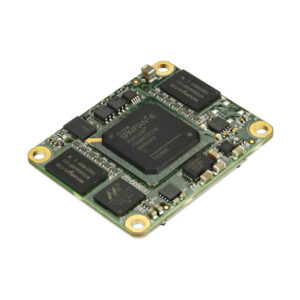 TE0600-02IVFView Product
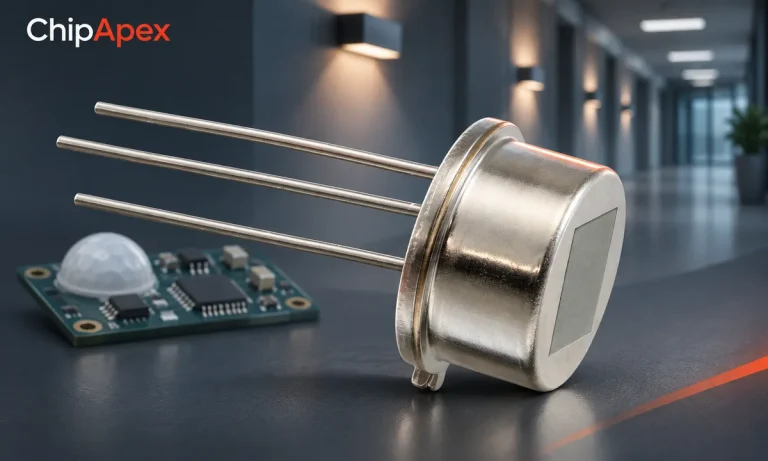
Understand how motion sensors work. Compare PIR, radar and ultrasonic sensing, then check presence detection, false triggers, optics and signal conditioning.
Read More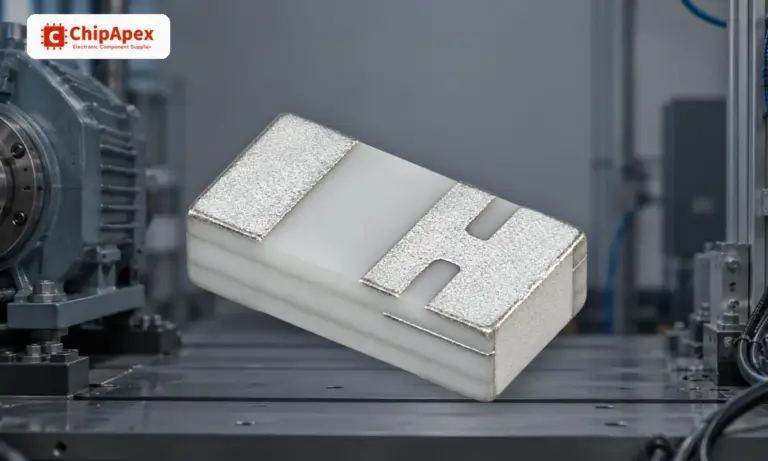
Find out when a bare shock switch needs a pull resistor, when an MCU internal pull-up is enough, and why sensor modules and piezo…
Read More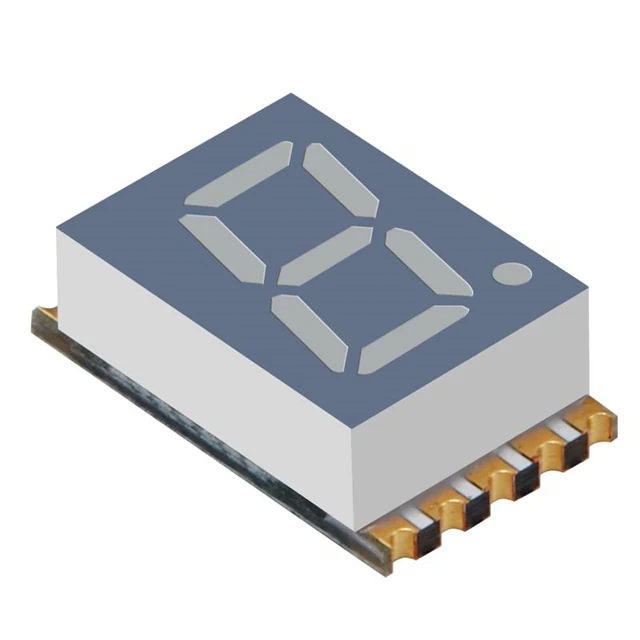
Identify common-anode and common-cathode seven-segment displays, calculate segment resistors and check driver current and four-digit multiplex timing.
Read More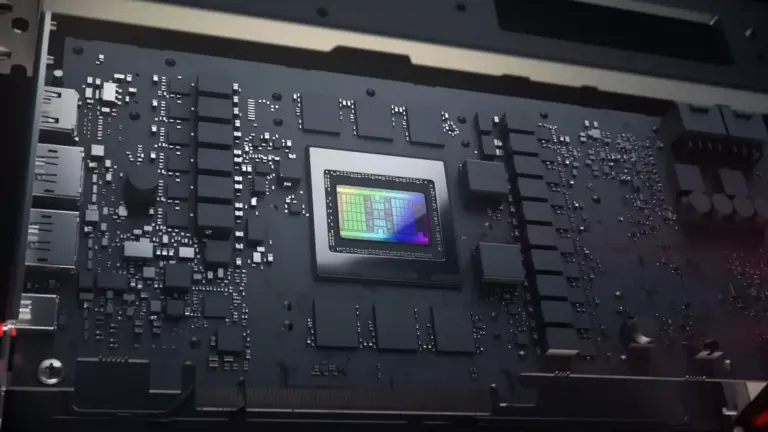
Latest updates from leading semiconductor manufacturers: Wolfspeed launches new SiC modules, AMD reveals MI430X with HBM4, TSMC eyes third Japan fab, and Samsung samples…
Read More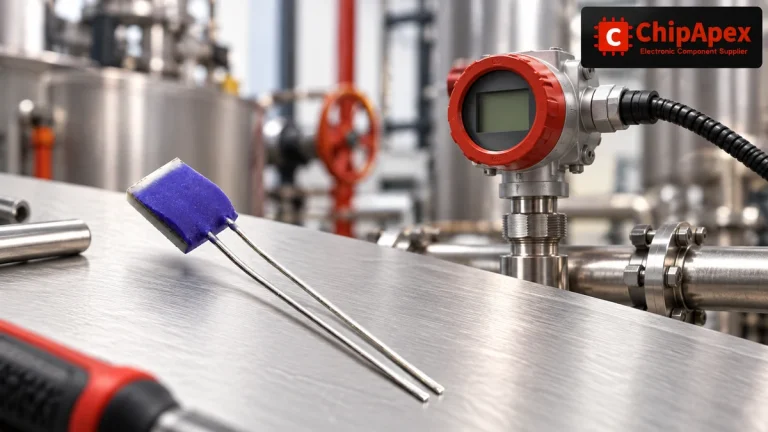
Compare Pt100 and Pt1000 RTDs, two-, three- and four-wire connections, excitation and self-heating. Build an error budget from element to reported temperature.
Read More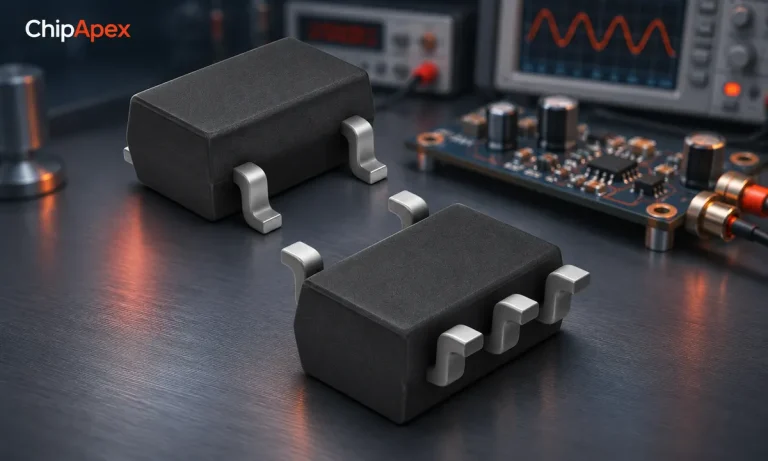
Learn how a JFET works and how to compare bias, leakage, noise and pinout. Review practical selection questions for high-impedance analog circuits.
Read More
PLANO, Texas – March 20, 2026 – Diodes Incorporated (Nasdaq: DIOD), a leading global manufacturer and supplier of high-quality application-specific standard products in the…
Read More
WILMINGTON, Mass. – July 3, 2026 – Analog Devices, Inc. (ADI), the global leading supplier of high-performance analog, mixed-signal and signal processing semiconductors, has…
Read More
As 2025 draws to a close, the global semiconductor industry stands at a crossroads. Intertwined with escalating geopolitical tensions, supply chain disruptions, and groundbreaking…
Read More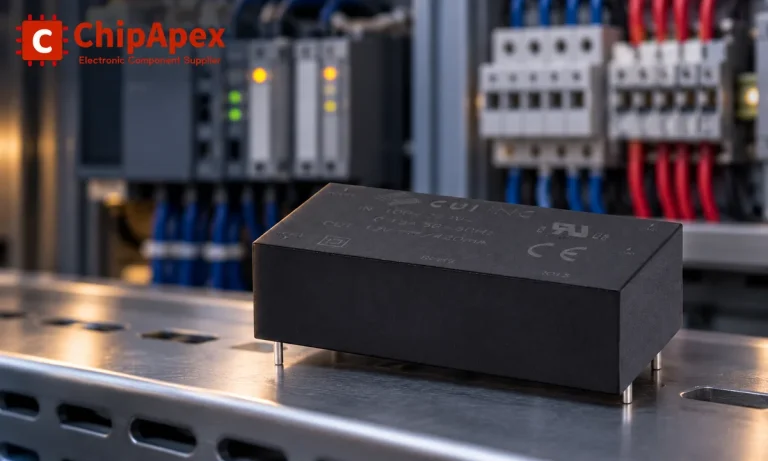
Choose an AC to DC converter by input range, output demand, isolation, efficiency and thermal derating. Compare architectures and check installation needs.
Read More
Learn how logic gates work, read AND, NAND and XOR truth tables, and choose a gate IC by input thresholds, output levels, propagation delay…
Read More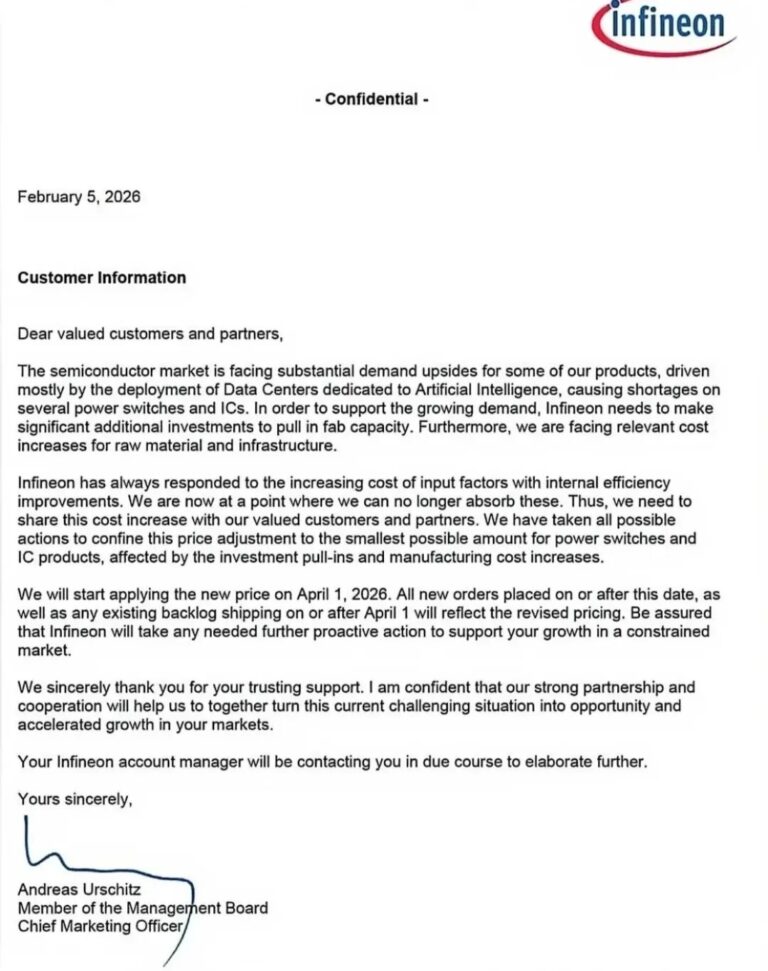
Munich, Germany – February 8, 2026 — Infineon Technologies, the German semiconductor giant, officially issued a price increase notice on February 5, announcing that…
Read More
The activity of extra discounts on wholesale prices is in full swing…
Please fill in your contact information and we will send you the latest wholesale price list.