 ChipApex | Global Electronic Components Supplier

SEARCH
Search Product
Search Post
Search productSearch post
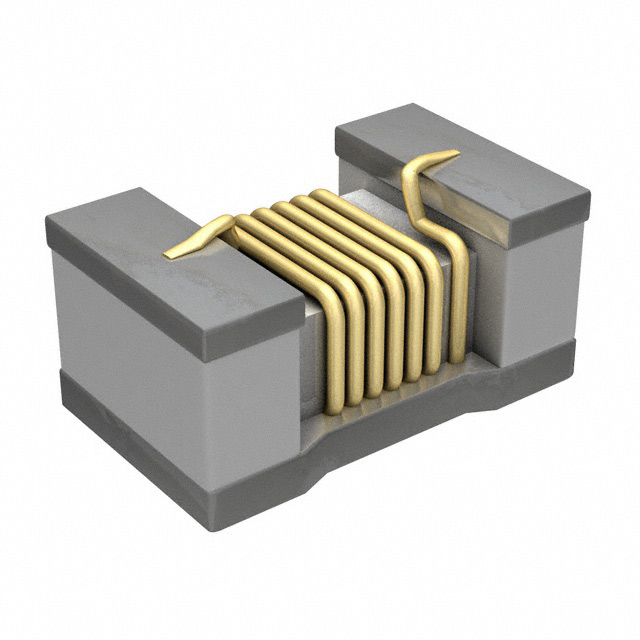
An inductor, also known as a coil, choke, or reactor, is a passive two-terminal electrical component that stores energy in a magnetic field when electric current flows through it. When the current changes, the magnetic field induces a voltage in the conductor. The induced voltage has a polarity which opposes the change in current that created it. The unit of inductance is the Henry (H). Mounting options include surface, through-hole, and chassis.
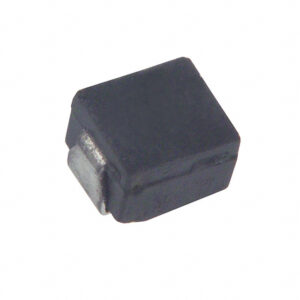 ELJ-FC150KFView Product
 ELJ-NJ56NJF2View Product
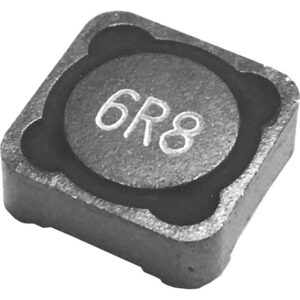 APCI00121280180T80View Product
 B82144B2223K000View Product
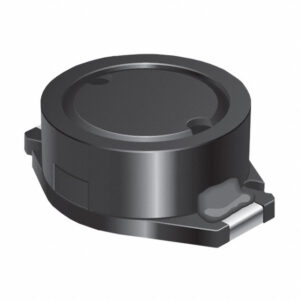 SRR1003-2R2MView Product
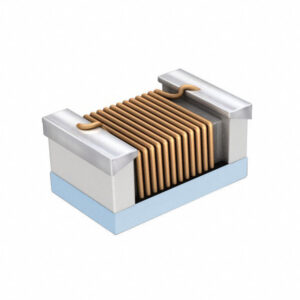 0402HP-510EHTSView Product
 47100SCView Product
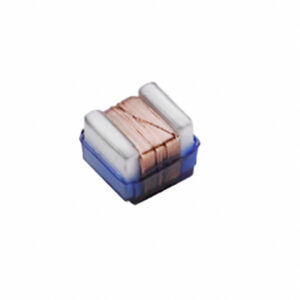 AISC-0402HP-6N2J-TView Product
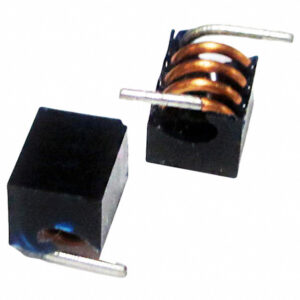 AIAC-1008C-56NK-TView Product
 L1207C150KPWSTView Product
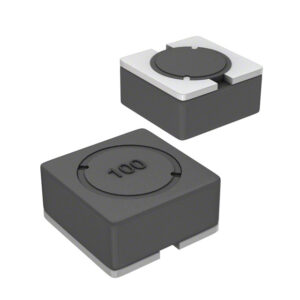 SRR5028-100YView Product
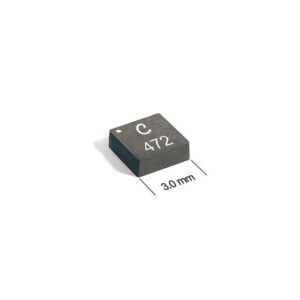 XFL3012-683MECView Product
Recently, the global electronic components market has been constantly evolving, and different regions and enterprises have witnessed new moves in aspects such as technological…
Read More
Choose a solid-state relay by AC or DC load, leakage, switching mode and heat. Review practical SSR limits and prepare component requirements for ChipApex.
Read More
Learn how logic gates work, read AND, NAND and XOR truth tables, and choose a gate IC by input thresholds, output levels, propagation delay…
Read More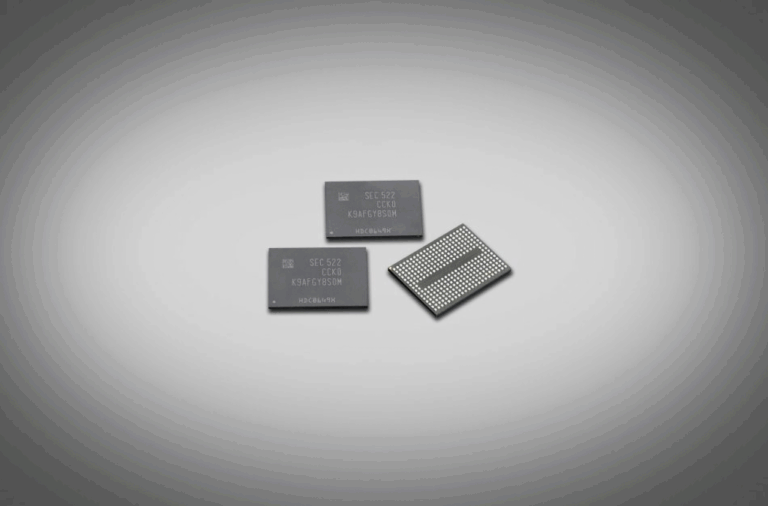
Date: May 13, 2026 The global memory industry is facing an unprecedented supply crunch in legacy MLC NAND Flash. Leading manufacturers including Samsung Electronics…
Read More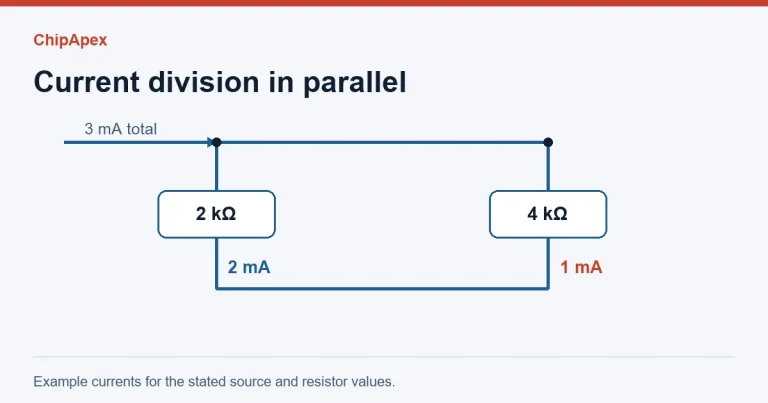
Use current and voltage divider formulas with worked two- and three-resistor examples. See how a 4 kΩ load changes an ideal 4 V output…
Read More
As the backbone of modern technology, electronic components are undergoing revolutionary changes, driven by advancements in materials science, miniaturization, and smart manufacturing. From ultra-efficient…
Read More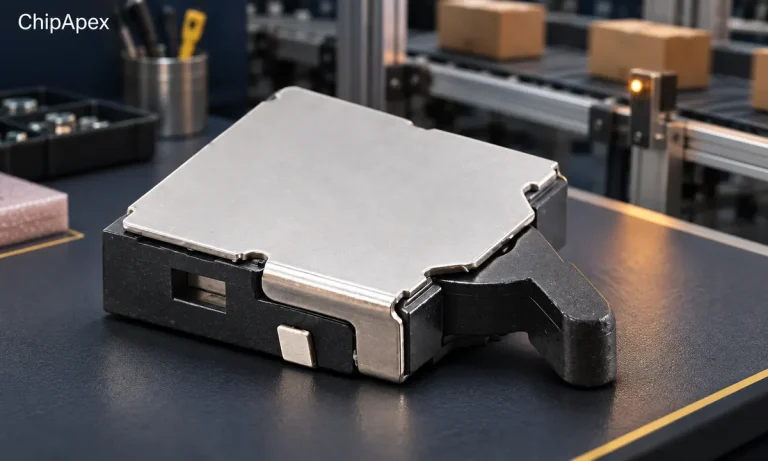
Choose a limit switch by actuator, travel, contact ratings and environment. Understand pretravel, overtravel and practical checks for machine integration.
Read More
Understand RF detector response, dynamic range and calibration. Compare envelope, logarithmic and RMS behavior before choosing a measurement component.
Read More
Latest updates from leading semiconductor manufacturers: Wolfspeed launches new SiC modules, AMD reveals MI430X with HBM4, TSMC eyes third Japan fab, and Samsung samples…
Read More
Choose logic inverter ICs by thresholds, supply, output drive and delay. Compare standard and Schmitt-trigger inputs, power sequencing and replacement checks.
Read More
Learn how a pressure transducer converts pressure into voltage, current, or digital output, and compare pressure references and key selection specs.
Read More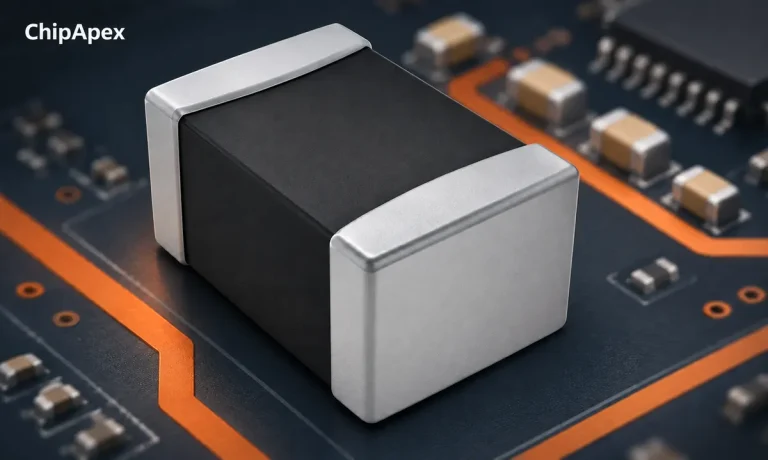
Learn how to use ferrite beads for noise filtering. Check impedance, DC bias, placement, resonance and load-step behavior before selecting a part.
Read More
The activity of extra discounts on wholesale prices is in full swing…
Please fill in your contact information and we will send you the latest wholesale price list.

