 ChipApex | Global Electronic Components Supplier

SEARCH
Search Product
Search Post
— IC芯片 | 连接器 | 传感器 | 被动器件 —
Search productSearch post
— IC芯片 | 连接器 | 传感器 | 被动器件 —
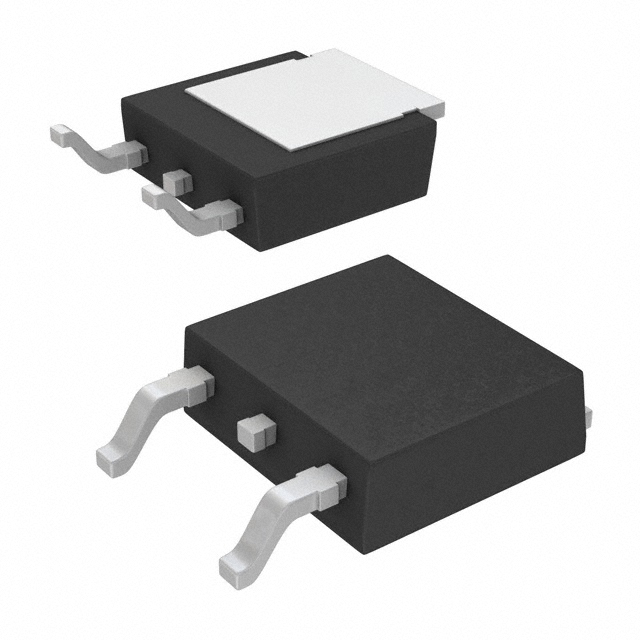
A transistor is a semiconductor device that serves as an electronic switch or amplifier, controlling current flow through one material type (usually silicon) by applying a voltage or current to another. Structurally, transistors are three-terminal components—commonly configured as emitter, base, and collector (in BJTs), or source, gate, and drain (in FETs). Since their invention, transistors have become fundamental to all modern electronics, from digital logic circuits to analog signal processing. Unlike earlier vacuum tubes, transistors are compact, reliable, and energy-efficient, operating by manipulating electron or hole movement across p-n junctions or insulated gates. Understanding the differences between transistor types—BJTs, MOSFETs, IGBTs, JFETs, and PUTs—can help you select the most appropriate component based on function, power requirements, and signal characteristics. Types of Transistors Bipolar Junction Transistors (BJTs), including NPN and PNP configurations, are current-controlled devices where base current modulates a larger collector-to-emitter current. Known for their high current gain and linear amplification characteristics, BJTs are ideal for analog applications such as audio amplification or low-frequency signal conditioning. However, their relatively low input impedance results in greater power consumption compared to field-effect devices. Field-Effect Transistors (FETs), particularly MOSFETs (Metal-Oxide-Semiconductor FETs), are voltage-controlled with very high input impedance. They regulate current via an electric field applied across an insulated gate, making them highly efficient for digital switching applications. N-channel MOSFETs generally offer superior conductivity and switching speed over P-channel devices, making them the preferred choice in power electronics and logic circuits. Insulated Gate Bipolar Transistors (IGBTs) combine the gate control of MOSFETs with the output drive of BJTs, resulting in a device that excels in high-voltage, high-current applications. They\'re widely used in power inverters, motor drives, and energy conversion systems where switching efficiency and robustness are critical. Junction Field-Effect Transistors (JFETs) provide excellent performance in low-noise, high-impedance analog circuits. Though largely replaced by MOSFETs in many roles, JFETs still serve a purpose in RF amplification and precision signal conditioning due to their simplicity and stable characteristics. Programmable Unijunction Transistors (PUTs) are specialized for use in timing circuits, waveform generation, and trigger control. These devices operate by establishing a threshold voltage at which they rapidly switch, making them useful in oscillators and control systems.
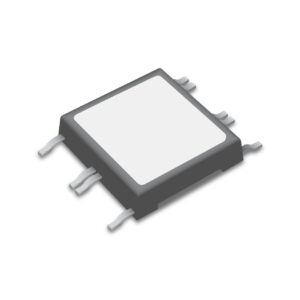 MMIX4B22N300View Product
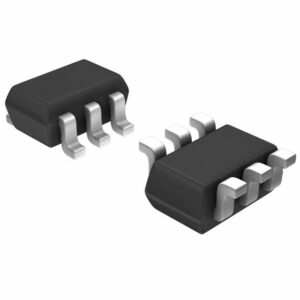 BCM857BS/ZLFView Product
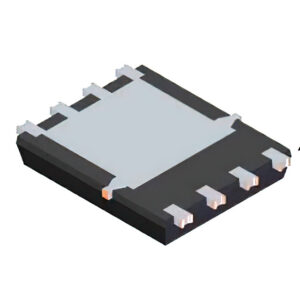 DMPH6050SPDWQ-13View Product
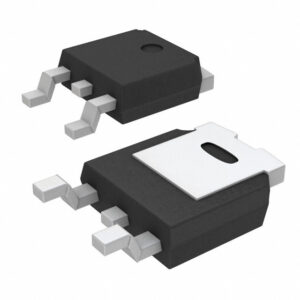 STD30NF03LT4View Product
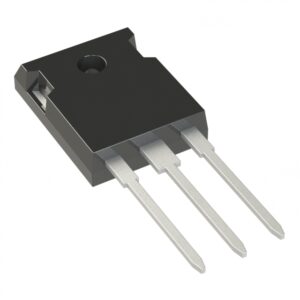 IGW40N65F5FKSA1View Product
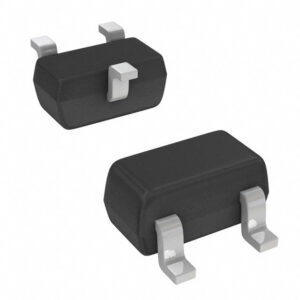 DDTC144WE-7View Product
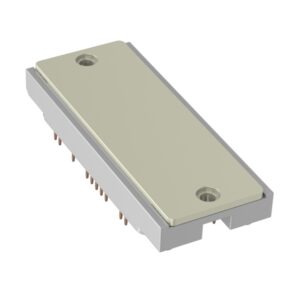 FP50R12N2T4B16BPSA1View Product
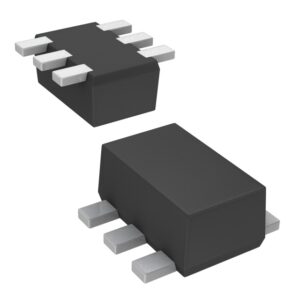 UP0431300LView Product
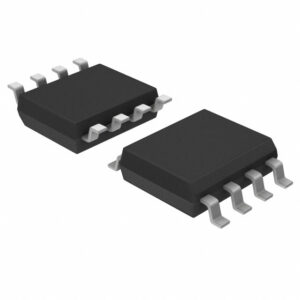 ALD910019SALIView Product
 2N6027 TRA PBFREEView Product
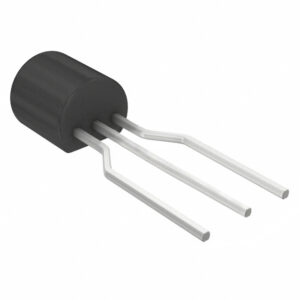 KSC945COTAView ProductA3G35H100-04SR3View Product

See how a MEMS gyroscope measures angular rate, why its angle estimate drifts, and which range, noise, interface and temperature specs to compare.
Read More
A perfect storm of surging demand and supply chain disruptions is roiling the global electronic components market, with advanced semiconductors and critical materials now…
Read More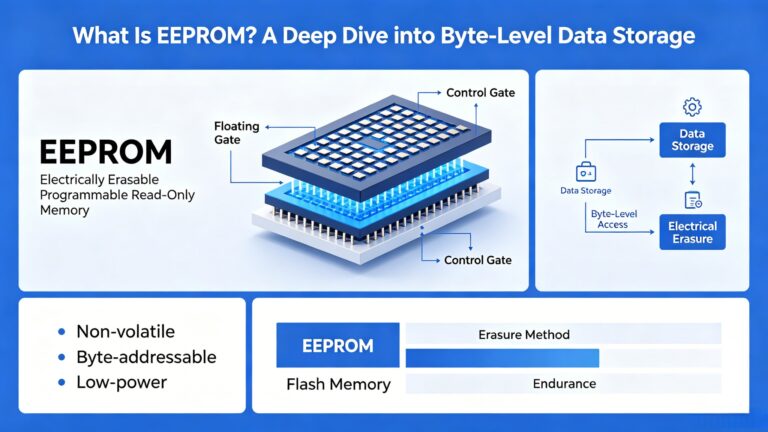
In the vast landscape of memory technology, EEPROM (Electrically Erasable Programmable Read-Only Memory) often plays the unsung hero. While NAND Flash grabs headlines for…
Read More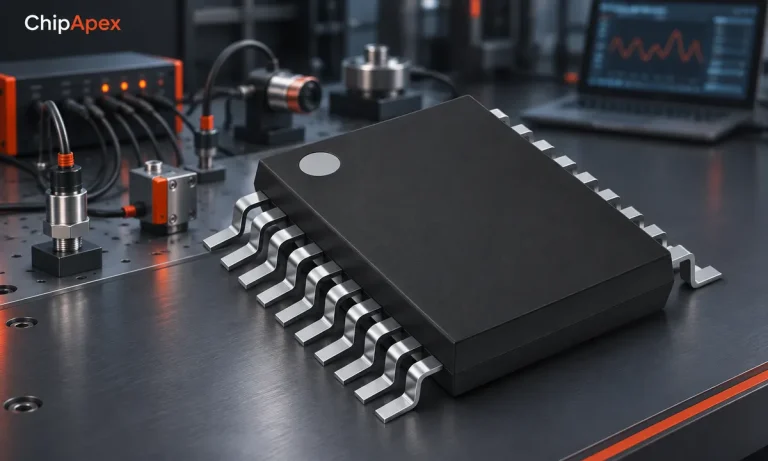
Learn what data acquisition means, from sensors and conditioning to sampling and storage. Review channel timing, wiring, calibration and data quality.
Read More
September 16, 2026 – Global — Leading semiconductor manufacturer ON Semiconductor (onsemi, NASDAQ: ON) has officially issued a formal price adjustment letter to global…
Read More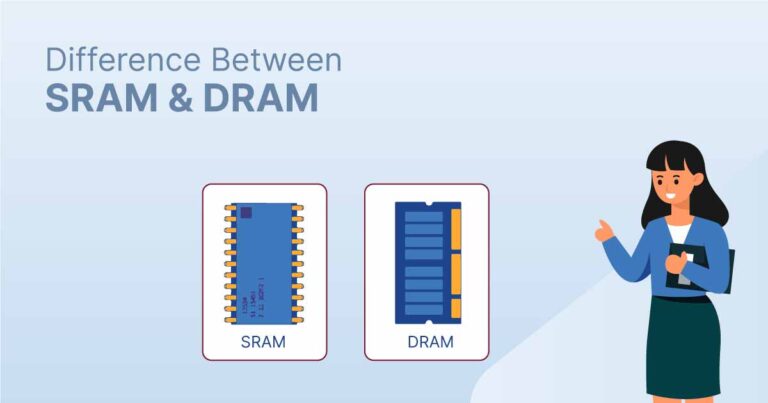
In an era dominated by AI accelerators with terabytes of HBM memory and consumer devices racing toward LPDDR5X bandwidth, it’s easy to wonder: why…
Read More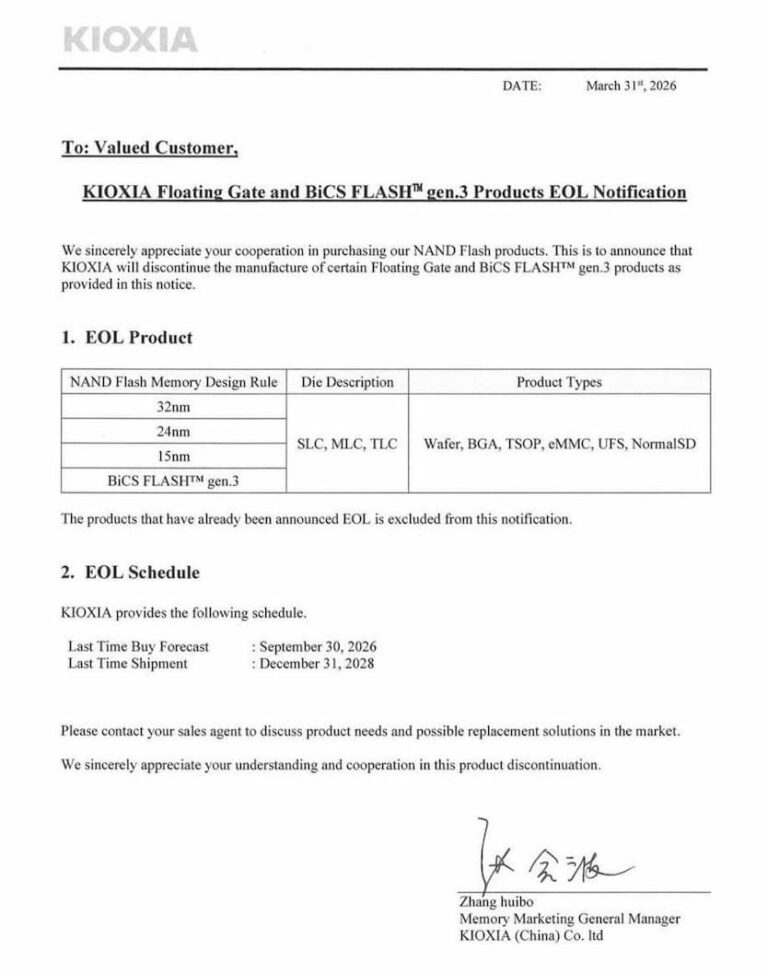
TOKYO, April 1, 2026 – Kioxia Corporation (formerly Toshiba Memory Corporation), a global leader in flash memory and storage solutions, has officially issued a…
Read More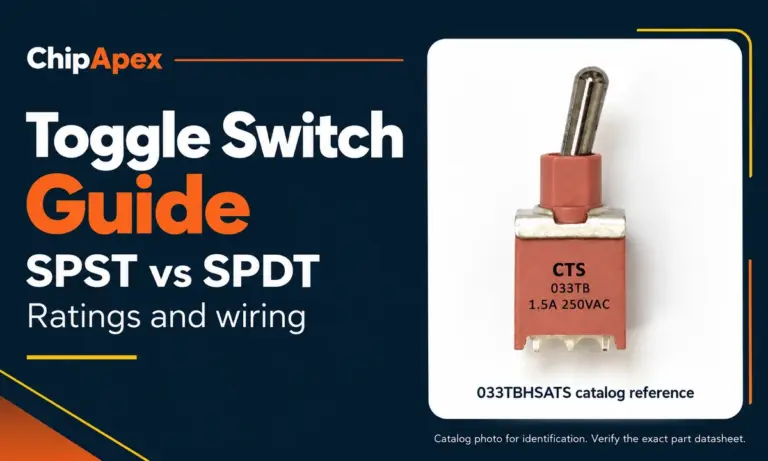
Compare SPST and SPDT toggle switches, understand AC/DC ratings, and follow wiring examples. Check contact action, mounting and parts in the ChipApex catalog.
Read More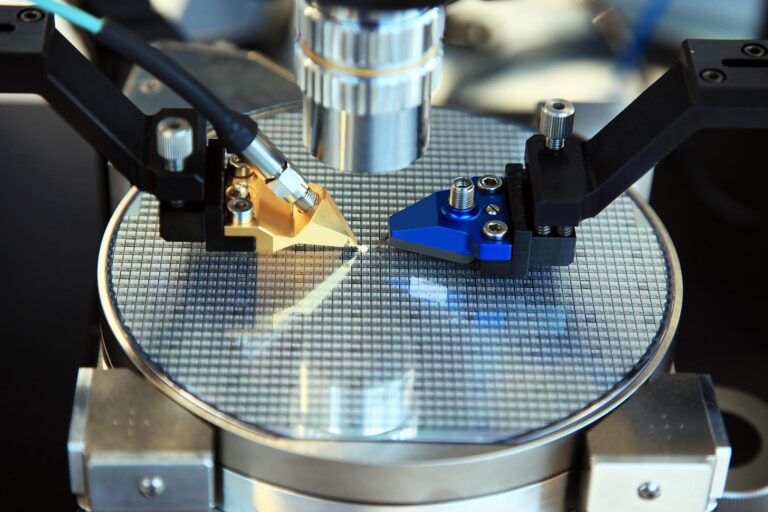
May 4, 2026 — The global power semiconductor market is grappling with a worsening supply crunch, as lead times for key components have extended…
Read More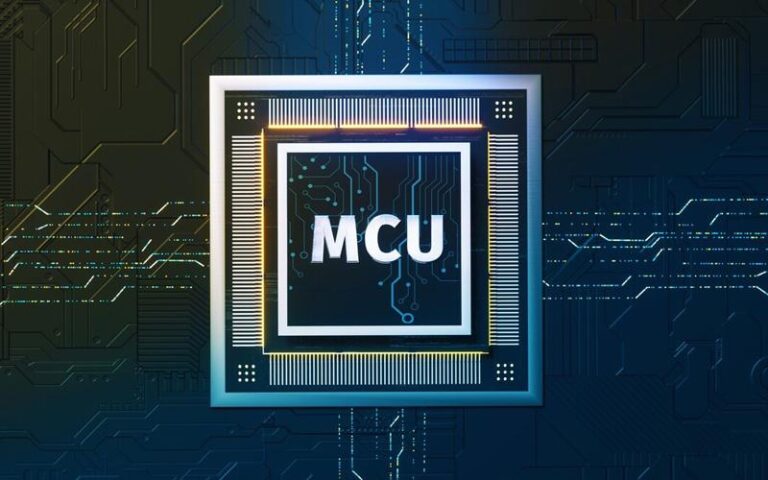
Selecting the right microcontroller (MCU) isn’t just about specs—it’s about balancing performance, power, cost, and supply chain reliability. As an engineer, you’ve probably faced…
Read More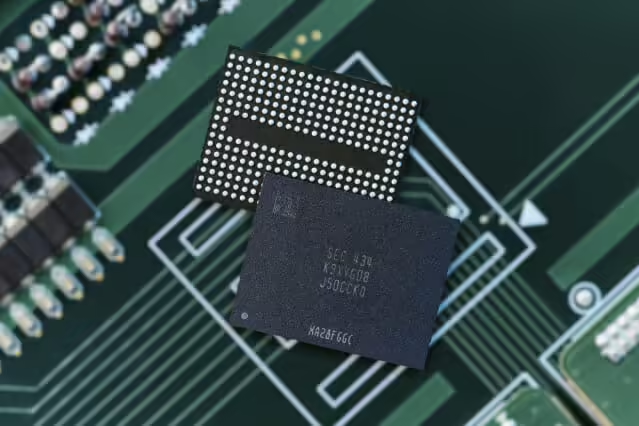
Recently, the global electronic component market has witnessed complex and changeable trends. In the memory chip sector, the wave of price increases continues to…
Read More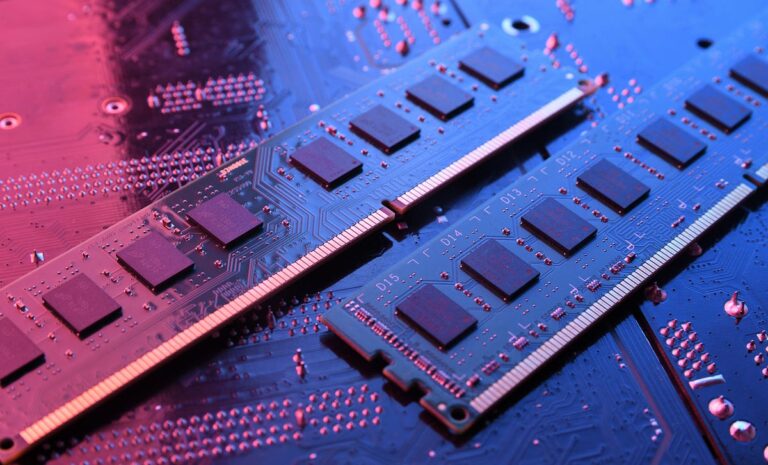
In the world of electronics, memory components play a critical role in system performance—and DRAM (Dynamic Random-Access Memory) is one of the most widely…
Read More
The activity of extra discounts on wholesale prices is in full swing…
Please fill in your contact information and we will send you the latest wholesale price list.

