 ChipApex | Global Electronic Components Supplier

SEARCH
Search Product
Search Post
— IC芯片 | 连接器 | 传感器 | 被动器件 —
Search productSearch post
— IC芯片 | 连接器 | 传感器 | 被动器件 —
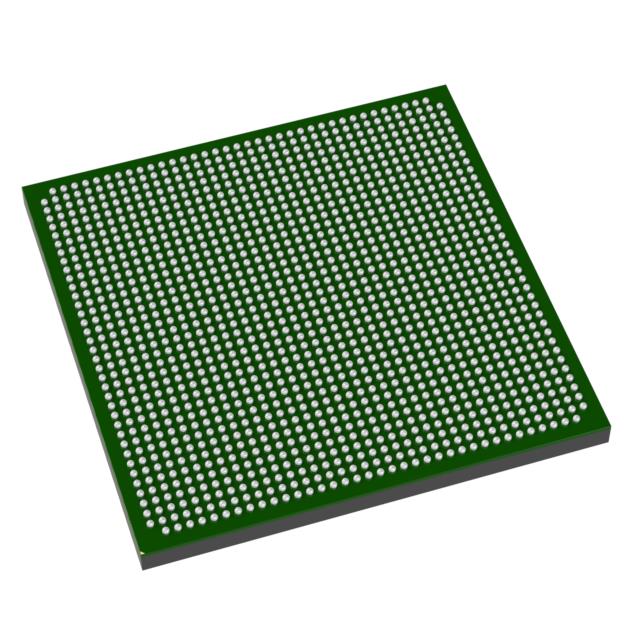
A Field Programmable Gate Array (FPGA) is a programmable integrated circuit that allows users to implement customized hardware logic configurations after manufacturing. FPGAs are user-configurable and are widely used for performing logical operations and information processing, often in applications demanding real-time performance and extremely high speeds. With a very high level of integrated functionality, FPGAs can replace general-purpose microprocessors in systems where known operations—such as receiving and processing data from high-speed data converters—need to be executed rapidly and deterministically. Unlike fixed-function chips, FPGAs are reprogrammable, meaning they can be configured multiple times using hardware description languages like Verilog. At the heart of an FPGA are configurable logic blocks (CLBs), programmable interconnects, logic gates, and flip-flops, which are organized into a flexible architecture called a gate array. These components support complex logic creation, digital signal processing, and extensive parallel processing. Typically, FPGAs require an external memory device—often flash memory or read-only storage—to hold the configuration data and reload it upon each startup. This makes them particularly well-suited for telecommunications, data center infrastructure, and advanced embedded systems where both performance and low power consumption are critical. FPGAs serve as a software-defined hardware platform, allowing designers to build custom processor logic or accelerate functions beyond what a typical microcontroller can handle. The flexibility to reconfigure them makes FPGAs a key technology for prototyping, evolving product designs, and deploying real-time hardware solutions.
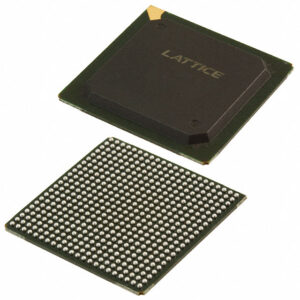 XC6SLX45T-2FGG484IView Product
 EP4SE820F43C4GView Product
 5SGXMA4K2F35C2LNView Product
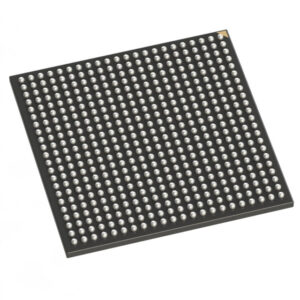 LFEC20E-4F484CView Product
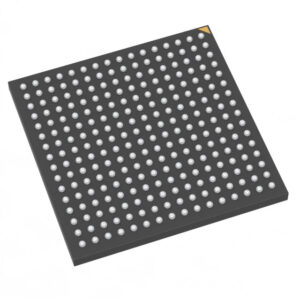 U1AFS250-FG256View Product
 XC4VLX200-11FF1513CView Product
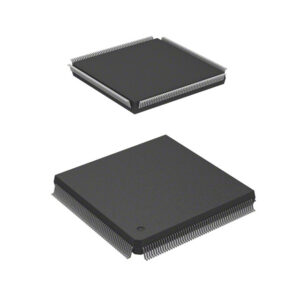 APA300-CQ208MView Product
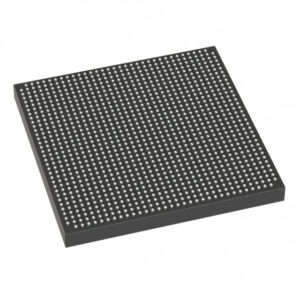 EP4SGX180FF35I3NView Product
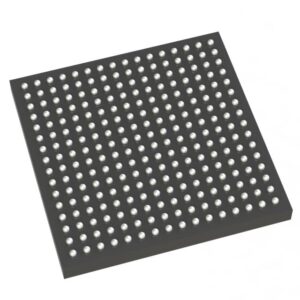 XC3S200-4FTG256IView Product
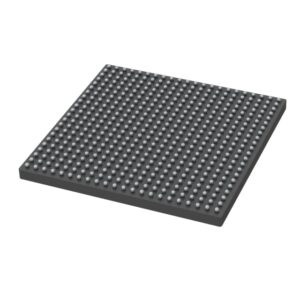 TI120J484C3View Product
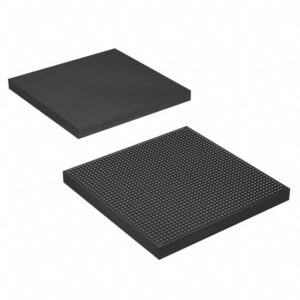 XC4VFX100-10FF1517CView Product
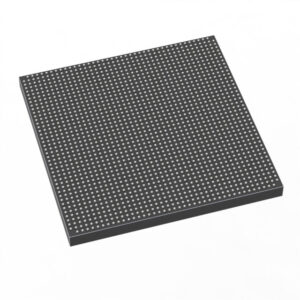 1ST165EU1F50E2LGView Product
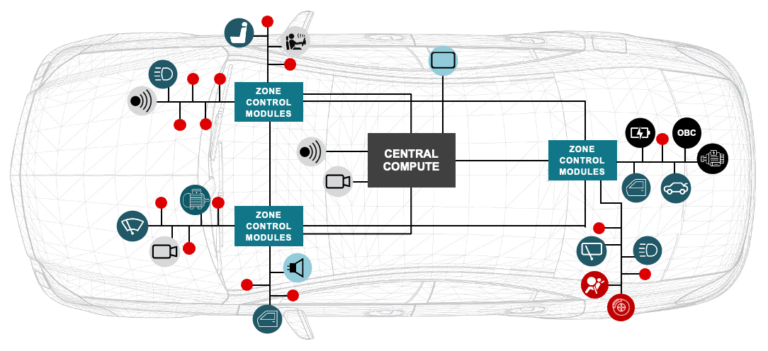
Las Vegas, January 6, 2026 — At the Consumer Electronics Show (CES) 2026, Texas Instruments (TI) (NASDAQ: TXN) announced a suite of next-generation semiconductor…
Read MoreA digital-to-analog converter (DAC) turns a digital number into an analog voltage or current. It lets a controller set a physical output, such as…
Read More
Understand how a comparator switches at a voltage threshold, why hysteresis prevents chatter, and which output and input specs matter.
Read More
Understand tactile switches, PCB and keyboard differences, four-pin wiring, debounce, force, travel and replacement checks for reliable control inputs.
Read More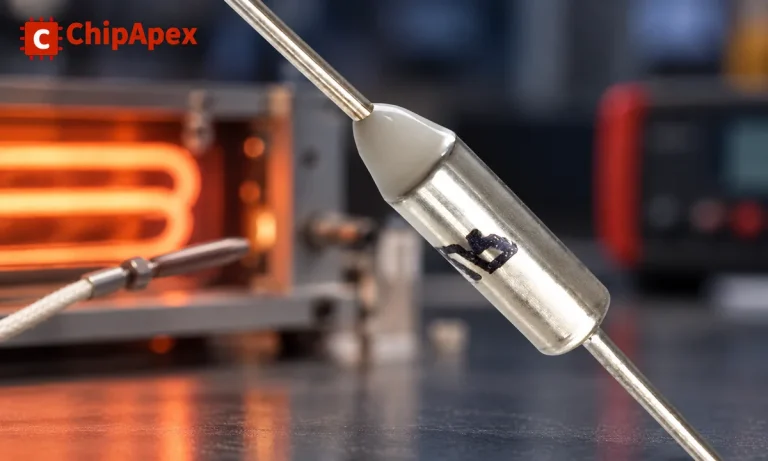
Understand thermal fuse operation, Tf, Th and Tm, electrical ratings and mounting. Check temperature limits and replacement requirements for your design.
Read More
Compare RC, crystal and MEMS oscillator circuits. Check ppm, jitter, load capacitance, startup margin and output compatibility before choosing a clock source.
Read More
Find out when a bare shock switch needs a pull resistor, when an MCU internal pull-up is enough, and why sensor modules and piezo…
Read More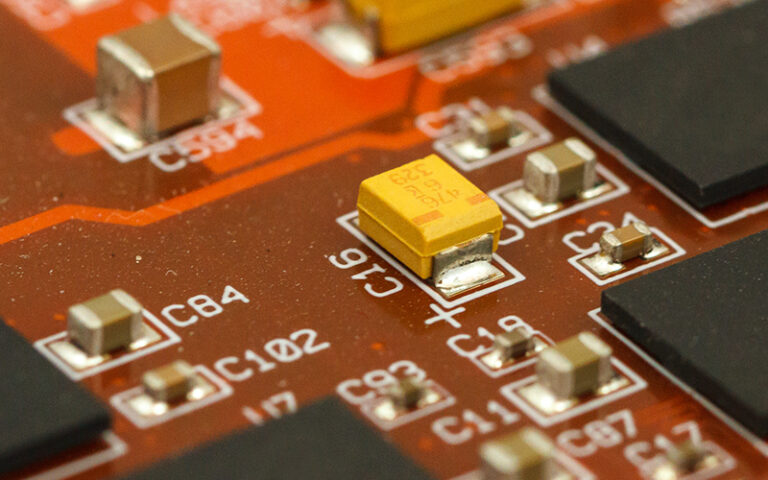
The global electronics industry is facing an escalating shortage of tantalum capacitors, a critical passive component, as surging demand from AI servers, automotive electronics,…
Read More
In the world of electronics, memory components play a critical role in system performance—and DRAM (Dynamic Random-Access Memory) is one of the most widely…
Read More
Learn how a pressure transducer converts pressure into voltage, current, or digital output, and compare pressure references and key selection specs.
Read More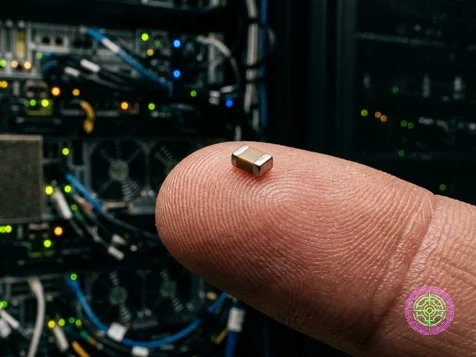
The multilayer ceramic capacitor (MLCC) market has fallen into a severe structural supply crunch in the third quarter of 2026, driven by explosive demand…
Read More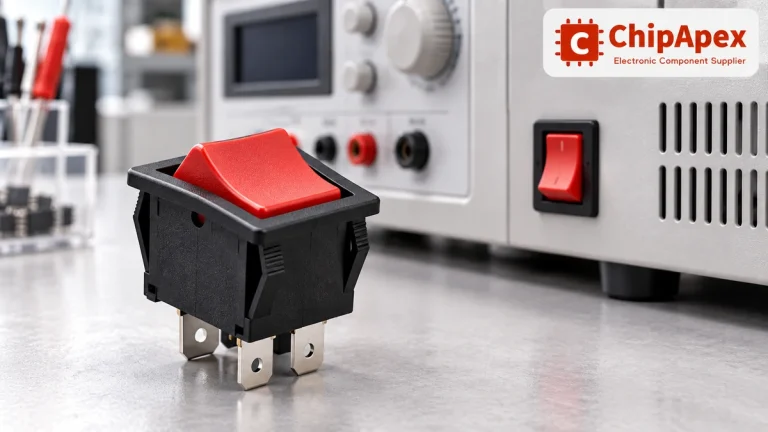
Choose a rocker switch by AC/DC ratings, contact arrangement, illumination, panel fit and sealing. Get practical checks for engineering and component sourcing.
Read More
The activity of extra discounts on wholesale prices is in full swing…
Please fill in your contact information and we will send you the latest wholesale price list.

