 ChipApex | Global Electronic Components Supplier

SEARCH
Search Product
Search Post
— IC芯片 | 连接器 | 传感器 | 被动器件 —
Search productSearch post
— IC芯片 | 连接器 | 传感器 | 被动器件 —
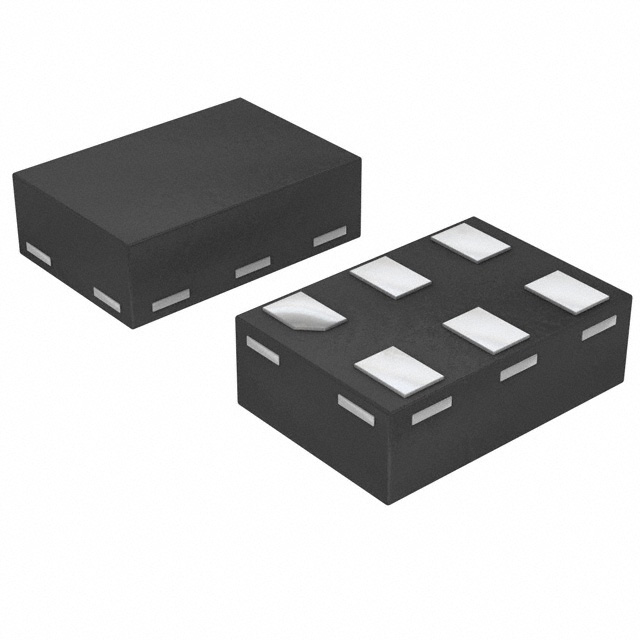
Logic buffers, drivers, receivers and transceivers allow isolated access to logic signals from one circuit for use in another circuit. Buffers pass their input signal, either unchanged or inverted, to their output and may be used to clean up a weak signal or drive a load. In a boolean logic simulator, a buffer is mainly used to increase propagation delay. Logic receivers and transceivers allow isolated communication between data buses.
| Select products | Mfr | Description | Package | Supplier Device Package | Mounting Type | Series | Operating Temperature |
|---|---|---|---|---|---|---|---|
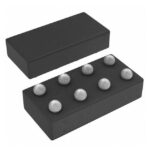 SN74AUP2G241YFPR $0.63 | Texas Instruments | IC BUF NON-INVERT 3.6V 8DSBGA | Tape & Reel (TR),Cut Tape (CT),Bulk | 8-DSBGA | Surface Mount | 74AUP | -40°C ~ 85°C (TA) |
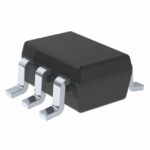 SN74AUP2G34DCKR $0.27 | Texas Instruments | IC BUF NON-INVERT 3.6V SC70-6 | Tape & Reel (TR),Cut Tape (CT) | SC-70-6 | Surface Mount | 74AUP | -40°C ~ 85°C (TA) |
 SN74AUP2G34DRYR $0.32 | Texas Instruments | IC BUFFER NON-INVERT 3.6V 6SON | Tape & Reel (TR),Cut Tape (CT),Bulk | 6-SON (1.45x1) | Surface Mount | 74AUP | -40°C ~ 85°C (TA) |
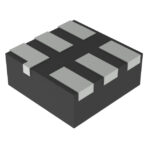 SN74AUP2G34DSFR $0.35 | Texas Instruments | IC BUFFER NON-INVERT 3.6V 6SON | Tape & Reel (TR),Cut Tape (CT),Bulk | 6-SON (1x1) | Surface Mount | 74AUP | -40°C ~ 85°C (TA) |
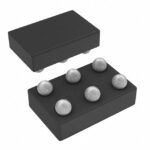 SN74AUP2G34YFPR $0.44 | Texas Instruments | IC BUF NON-INVERT 3.6V 6DSBGA | Tape & Reel (TR),Cut Tape (CT),Bulk | 6-DSBGA | Surface Mount | 74AUP | -40°C ~ 85°C (TA) |
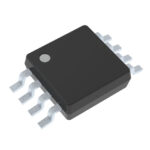 SN74AUP3G07DCUR $0.33 | Texas Instruments | IC BUFFER NON-INVERT 3.6V 8VSSOP | Tape & Reel (TR),Cut Tape (CT),Bulk | 8-VSSOP | Surface Mount | 74AUP | -40°C ~ 85°C (TA) |
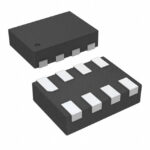 SN74AUP3G07DQER $0.27 | Texas Instruments | IC BUF NON-INVERT 3.6V 8X2SON | Tape & Reel (TR),Cut Tape (CT),Bulk | 8-X2SON (1.4x1) | Surface Mount | 74AUP | -40°C ~ 85°C (TA) |
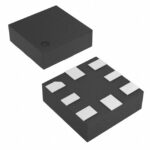 SN74AUP3G07RSER $0.38 | Texas Instruments | IC BUFFER NON-INVERT 3.6V 8UQFN | Tape & Reel (TR),Cut Tape (CT),Bulk | 8-UQFN (1.5x1.5) | Surface Mount | 74AUP | -40°C ~ 85°C (TA) |
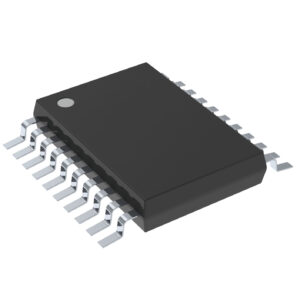 SN74ABTH25245DWRView Product
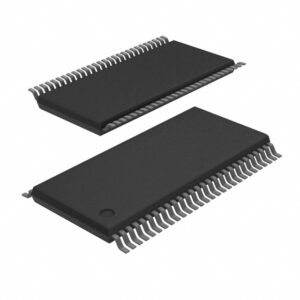 74ACT16652DLRView Product
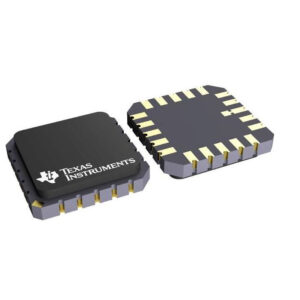 SNJ54F245FKView Product
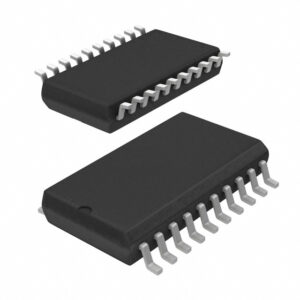 74HCT240DView Product
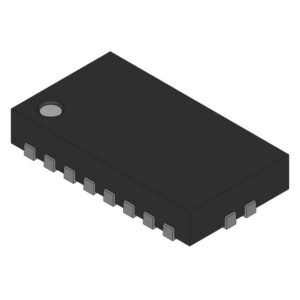 74VHC244BQ,115View Product
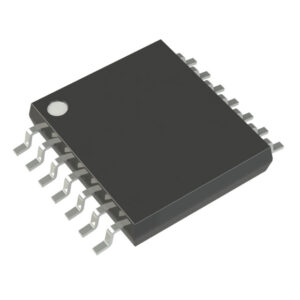 74LV125PW,112View Product
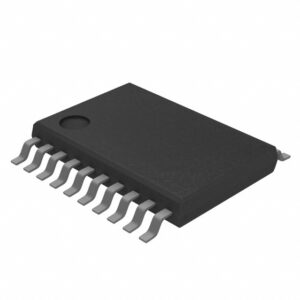 CY74FCT2245ATPWRView Product
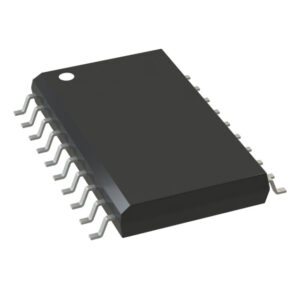 NLV74HC240ADWR2GView Product
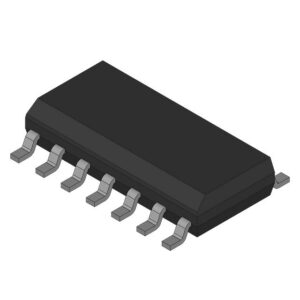 74HCT125FP-EView Product
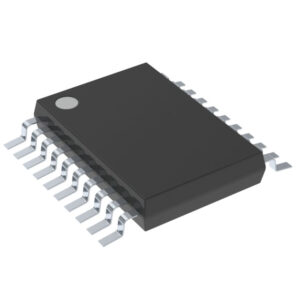 SN74ALS641ANSRView Product
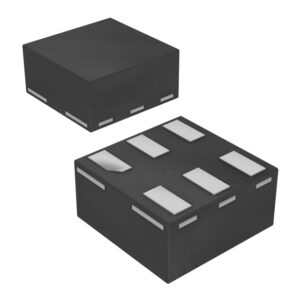 XC7SH125GF,132View Product
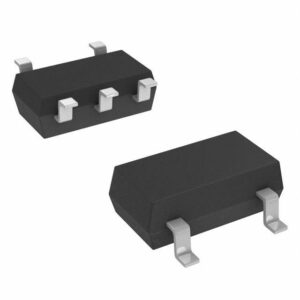 MC74VHC1GT125DFT2GView Product

WILMINGTON, Mass. – July 3, 2026 – Analog Devices, Inc. (ADI), the global leading supplier of high-performance analog, mixed-signal and signal processing semiconductors, has…
Read More
Understand load cell sensor output, bridge wiring and calibration. Learn how mV/V sensitivity, mechanics and ADC noise affect measurement accuracy.
Read More
Compare Hall, shunt, current transformer and Rogowski sensing. Check AC/DC capability, accuracy, isolation, heat and response before selecting a sensor.
Read More
If you’ve spent any time staring at a schematic, you’ve seen the triangle. Two inputs, one output, and a gain symbol that looks deceptively…
Read More
Choose a rocker switch by AC/DC ratings, contact arrangement, illumination, panel fit and sealing. Get practical checks for engineering and component sourcing.
Read More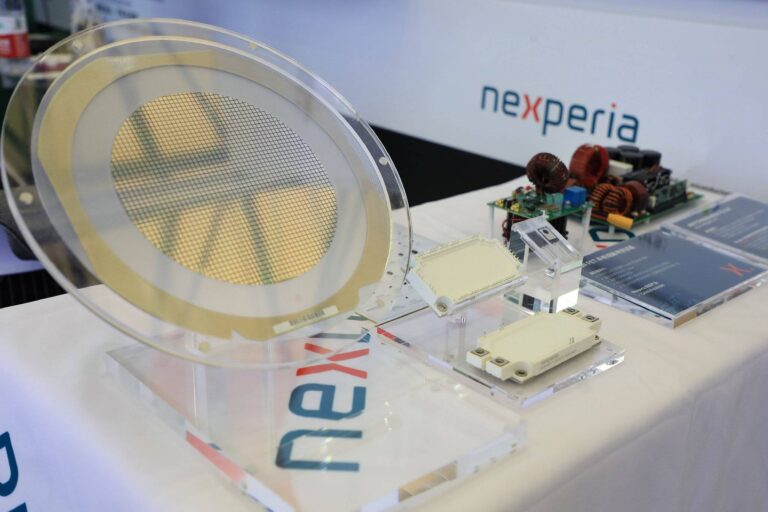
Dutch authorities announced on November 7 the lifting of control measures on Nexperia (formerly NXP Semiconductors’ Standard Products division), marking the end of a…
Read More
Compare thermistors, RTDs, thermocouples and temperature ICs. Learn how range, accuracy, response, interfaces and mounting affect component selection.
Read More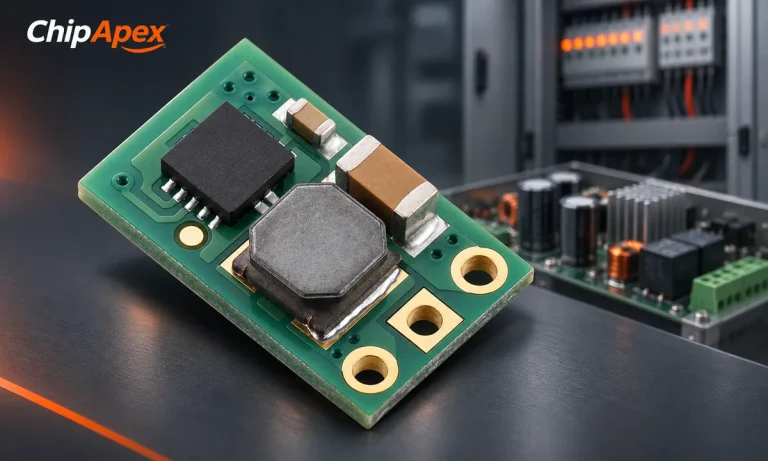
Select a DC-DC converter by input range, topology, isolation and temperature. Compare ripple, efficiency and load limits before choosing a component.
Read More
Learn how an analog front end conditions sensor signals. Compare gain, noise, filtering, ADC settling and integration options before selecting components.
Read More
In the world of electronics, memory components play a critical role in system performance—and DRAM (Dynamic Random-Access Memory) is one of the most widely…
Read More
Compare Pt100 and Pt1000 RTDs, two-, three- and four-wire connections, excitation and self-heating. Build an error budget from element to reported temperature.
Read More
Learn why PTC resistance rises with temperature, how it differs from NTC, and which ratings matter for sensing and protection.
Read More
The activity of extra discounts on wholesale prices is in full swing…
Please fill in your contact information and we will send you the latest wholesale price list.

