 ChipApex | Global Electronic Components Supplier

SEARCH
Search Product
Search Post
— IC芯片 | 连接器 | 传感器 | 被动器件 —
Search productSearch post
— IC芯片 | 连接器 | 传感器 | 被动器件 —
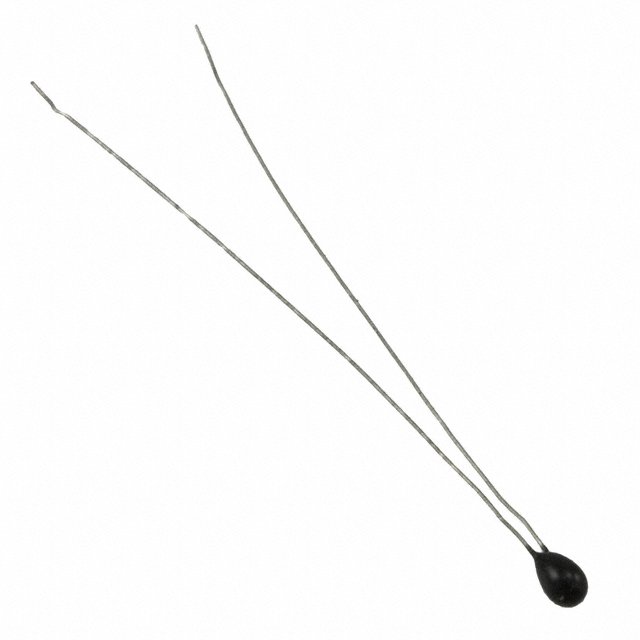
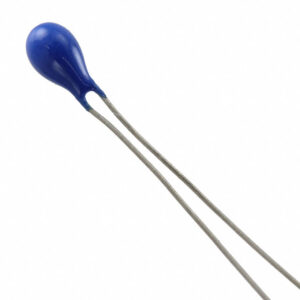
NTC Thermistors, or Negative Temperature Coefficient Thermistors, are devices that change resistance in response to changes in temperature. With negative coefficient parts, their resistance decreases as their temperature increases. They are typically defined with variables such as the parts base resistance value at a set temperature, usually 25°C, and B values, the performance curve of temperature vs. resistance calibrated between two fixed points.
| Select products | Mfr | Description | Package | Supplier Device Package | Mounting Type | Series | Operating Temperature |
|---|---|---|---|---|---|---|---|
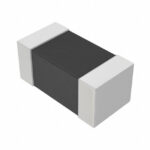 ERT-J1VT202H $0.12 | Panasonic Electronic Components | MULTILAYER NTC CHIP THERMISTOR | Tape & Reel (TR),Cut Tape (CT) | Surface Mount | ERT-J | -40°C ~ 125°C | |
ERT-J1VT202J $0.11 | Panasonic Electronic Components | THERMISTOR NTC 2KOHM 4500K 0603 | Tape & Reel (TR),Cut Tape (CT) | Surface Mount | ERT-J | -40°C ~ 125°C | |
ERT-J1VT222H $0.13 | Panasonic Electronic Components | MULTILAYER NTC CHIP THERMISTOR | Tape & Reel (TR),Cut Tape (CT) | Surface Mount | ERT-J | -40°C ~ 125°C | |
ERT-J1VT222J $0.11 | Panasonic Electronic Components | THERM NTC 2.2KOHM 4500K 0603 | Tape & Reel (TR),Cut Tape (CT) | Surface Mount | ERT-J | -40°C ~ 125°C | |
ERT-J1VT224FM $0.25 | Panasonic Electronic Components | THERM NTC 220KOHM 4485K 0603 | Tape & Reel (TR),Cut Tape (CT) | Surface Mount | ERTJ | -40°C ~ 150°C | |
ERT-J1VT224GM $0.25 | Panasonic Electronic Components | THERM NTC 220KOHM 4485K 0603 | Tape & Reel (TR),Cut Tape (CT) | Surface Mount | ERTJ | -40°C ~ 150°C | |
ERT-J1VT224H $0.14 | Panasonic Electronic Components | MULTILAYER NTC CHIP THERMISTOR | Tape & Reel (TR),Cut Tape (CT) | Surface Mount | ERT-J | -40°C ~ 125°C | |
ERT-J1VT224HM $0.23 | Panasonic Electronic Components | THERM NTC 220KOHM 4485K 0603 | Tape & Reel (TR),Cut Tape (CT) | Surface Mount | ERTJ | -40°C ~ 150°C |
 NRL2203J4250B2FView Product
 TK95F502WView ProductNRL3104J3380B1JView Product
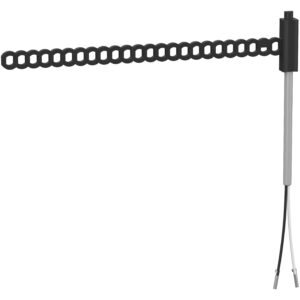 TM1STNTCTN62015View Product
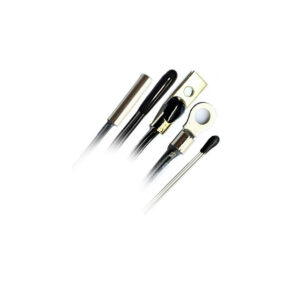 NA1036F14D5-602View ProductNRL3104F4100B1FView Product
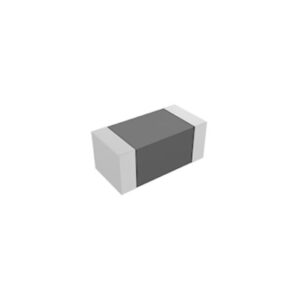 SDNT1608X223H4050FTFView Product
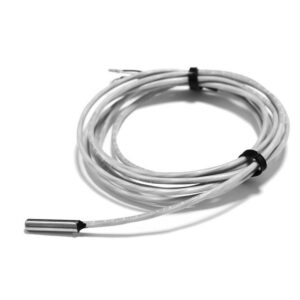 A/20K-BP-20'CL2PView Product
 TH11-3S224FTView ProductND06N00332J--View Product
 EC95H303WNView ProductNRL1503J3300B2FView Product
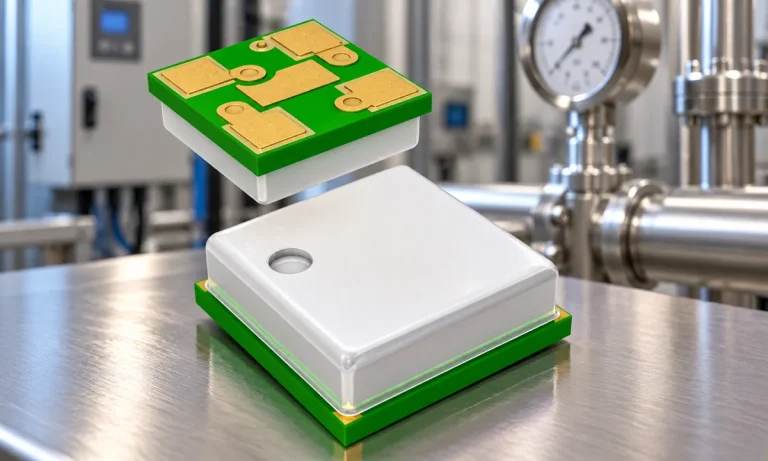
Learn how a pressure transducer converts pressure into voltage, current, or digital output, and compare pressure references and key selection specs.
Read More
[Shenzhen/Shanghai/Beijing, January 2025] — As global digital transformation accelerates, the electronic components industry has reached a critical inflection point in 2025. Emerging fields such…
Read More
Understand how a comparator switches at a voltage threshold, why hysteresis prevents chatter, and which output and input specs matter.
Read More
In the embedded world, general-purpose CPUs are great at running operating systems, and MCUs excel at logic control. But when you need to process…
Read More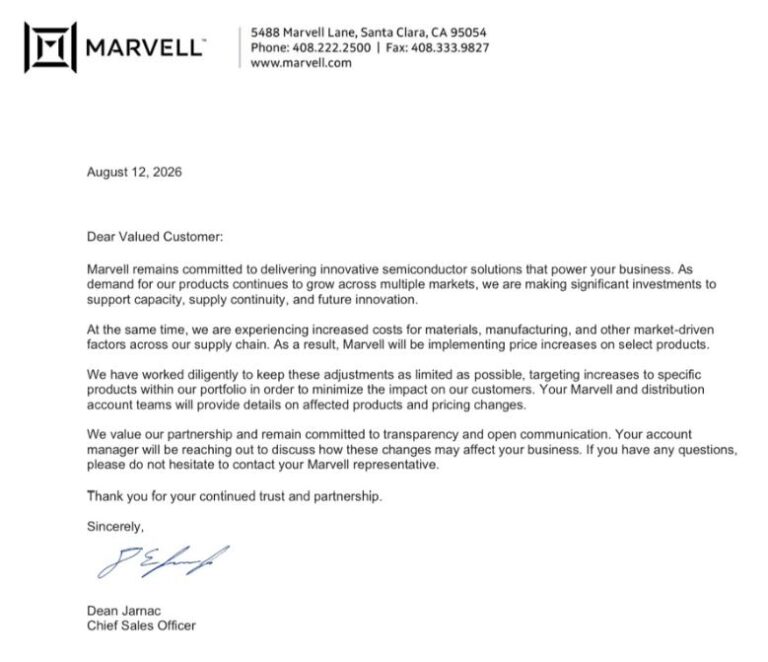
SANTA CLARA, Calif. — Leading semiconductor solution provider Marvell Technology (NASDAQ: MRVL) officially rolled out a selective price adjustment for its core electronic component…
Read More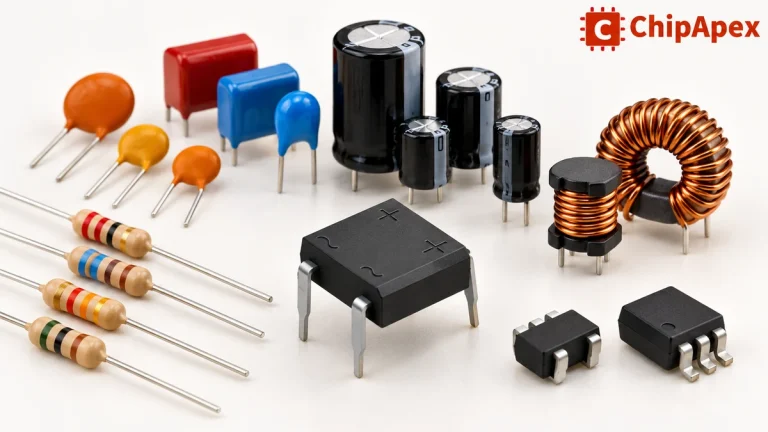
Explore electronic component types, functions, packages and datasheets. Learn selection, replacement and BOM checks before ordering parts for your PCB.
Read More
On September 22nd, it was reported that Samsung Electronics, the South Korean tech giant, had successfully passed NVIDIA’s certification test for its 12-layer HBM3E…
Read More
See when an inductor behaves linearly, how DC bias and saturation reduce inductance, and which current and temperature curves to check.
Read More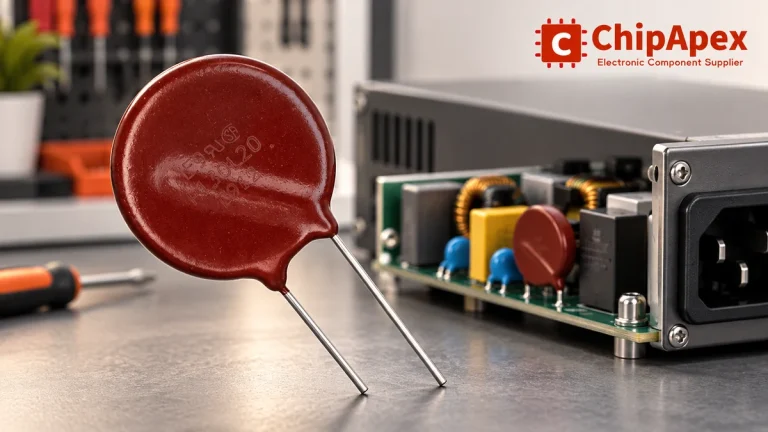
Select MOV varistors by continuous voltage, clamping behavior, surge waveform and repetition. Check thermal disconnection, fuse coordination and replacements.
Read More
As the backbone of modern technology, electronic components are undergoing revolutionary changes, driven by advancements in materials science, miniaturization, and smart manufacturing. From ultra-efficient…
Read More
See how a MEMS gyroscope measures angular rate, why its angle estimate drifts, and which range, noise, interface and temperature specs to compare.
Read More
Learn why PTC resistance rises with temperature, how it differs from NTC, and which ratings matter for sensing and protection.
Read More
The activity of extra discounts on wholesale prices is in full swing…
Please fill in your contact information and we will send you the latest wholesale price list.

