ChipApex | Global Electronic Components Supplier

SEARCH
Search Product
Search Post
— IC芯片 | 连接器 | 传感器 | 被动器件 —
Search productSearch post
— IC芯片 | 连接器 | 传感器 | 被动器件 —
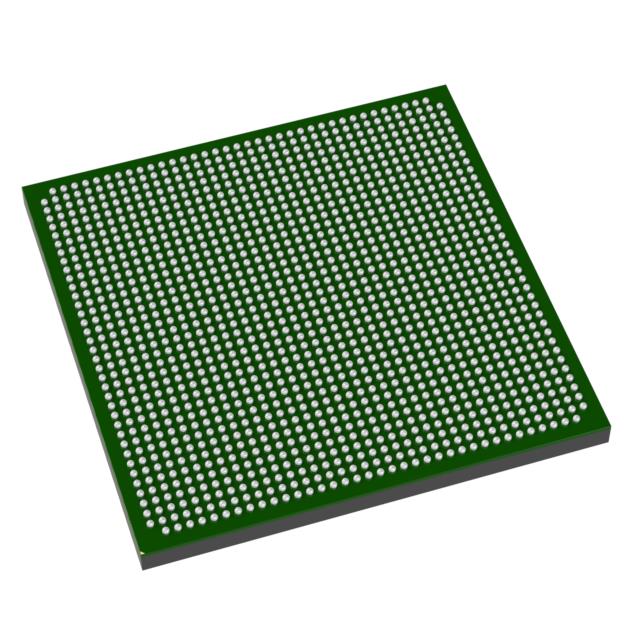
A Field Programmable Gate Array (FPGA) is a programmable integrated circuit that allows users to implement customized hardware logic configurations after manufacturing. FPGAs are user-configurable and are widely used for performing logical operations and information processing, often in applications demanding real-time performance and extremely high speeds. With a very high level of integrated functionality, FPGAs can replace general-purpose microprocessors in systems where known operations—such as receiving and processing data from high-speed data converters—need to be executed rapidly and deterministically. Unlike fixed-function chips, FPGAs are reprogrammable, meaning they can be configured multiple times using hardware description languages like Verilog. At the heart of an FPGA are configurable logic blocks (CLBs), programmable interconnects, logic gates, and flip-flops, which are organized into a flexible architecture called a gate array. These components support complex logic creation, digital signal processing, and extensive parallel processing. Typically, FPGAs require an external memory device—often flash memory or read-only storage—to hold the configuration data and reload it upon each startup. This makes them particularly well-suited for telecommunications, data center infrastructure, and advanced embedded systems where both performance and low power consumption are critical. FPGAs serve as a software-defined hardware platform, allowing designers to build custom processor logic or accelerate functions beyond what a typical microcontroller can handle. The flexibility to reconfigure them makes FPGAs a key technology for prototyping, evolving product designs, and deploying real-time hardware solutions.
| Select products | Mfr | Description | Package | Supplier Device Package | Mounting Type | Series | Operating Temperature |
|---|---|---|---|---|---|---|---|
| Altera | IC FPGA 840 I/O 1932FBGA | Tray | 1932-FBGA, FC (45x45) | Surface Mount | Stratix® V GX | -40°C ~ 100°C (TJ) | |
| Altera | IC FPGA 840 I/O 1932FBGA | Tray | 1932-FBGA, FC (45x45) | Surface Mount | Stratix® V GX | -40°C ~ 100°C (TJ) | |
| Altera | IC FPGA 840 I/O 1932FBGA | Tray | 1932-FBGA, FC (45x45) | Surface Mount | Stratix® V GX | -40°C ~ 100°C (TJ) | |
 5SGXMA5N3F40C2G $10,850.97 | Altera | IC FPGA 600 I/O 1517FBGA | Tray | 1517-FBGA (40x40) | Surface Mount | Stratix® V GX | 0°C ~ 85°C (TJ) |
5SGXMA5N3F40C2LG $10,849.35 | Altera | IC FPGA 600 I/O 1517FBGA | Tray | 1517-FBGA (40x40) | Surface Mount | Stratix® V GX | 0°C ~ 85°C (TJ) |
| Altera | IC FPGA 600 I/O 1517FBGA | Tray | 1517-FBGA (40x40) | Surface Mount | Stratix® V GX | 0°C ~ 85°C (TJ) | |
| Altera | IC FPGA 600 I/O 1517FBGA | Tray | 1517-FBGA (40x40) | Surface Mount | Stratix® V GX | 0°C ~ 85°C (TJ) | |
| Altera | IC FPGA 600 I/O 1517FBGA | Tray | 1517-FBGA (40x40) | Surface Mount | Stratix® V GX | 0°C ~ 85°C (TJ) |
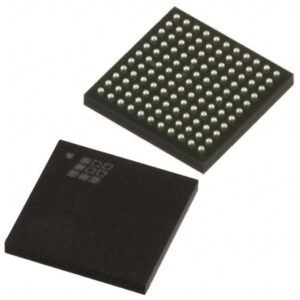 ICE40LP1K-CM121TRView Product
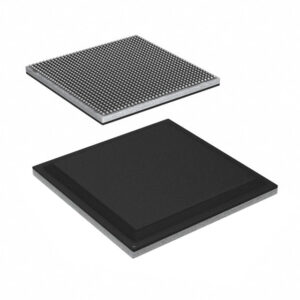 XCKU11P-2FFVA1156EView Product
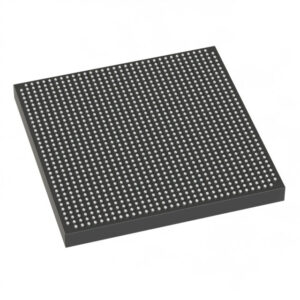 5SGXEA7K3F35C3NView Product
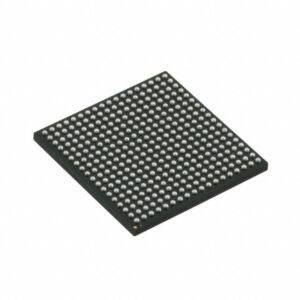 XC6SLX16-N3CSG324IView Product
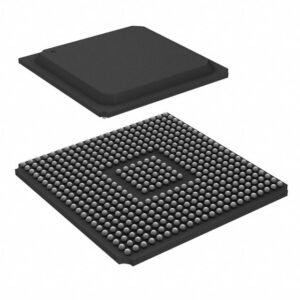 XC2V250-5FGG456IView Product5SGXEA7K3F35C4View Product
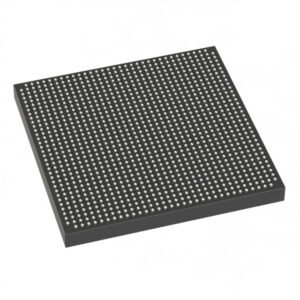 5SGXEA7H1F35C2LGView Product
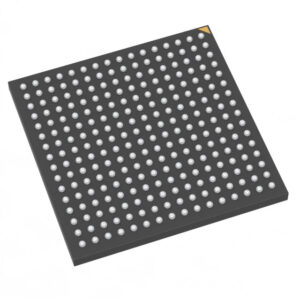 A3P1000-FGG256MView Product
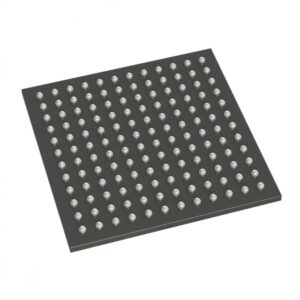 M1AGL250V5-FG144View Product
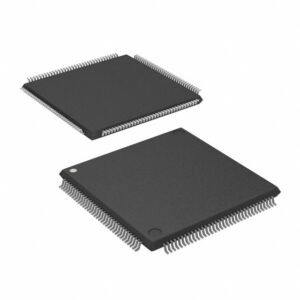 LCMXO2-1200ZE-3TG144IR1View Product
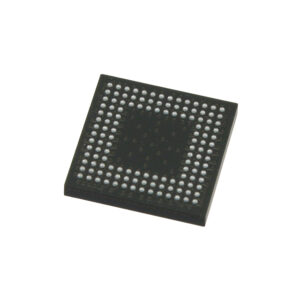 LCMXO2-256ZE-1MG132IView Product
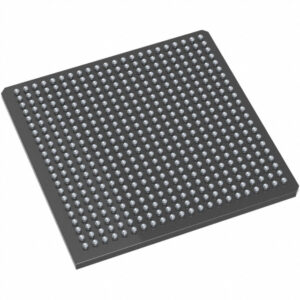 M2GL050TS-1FGG484View Product

If you’ve spent any time staring at a schematic, you’ve seen the triangle. Two inputs, one output, and a gain symbol that looks deceptively…
Read More
Find out when a bare shock switch needs a pull resistor, when an MCU internal pull-up is enough, and why sensor modules and piezo…
Read More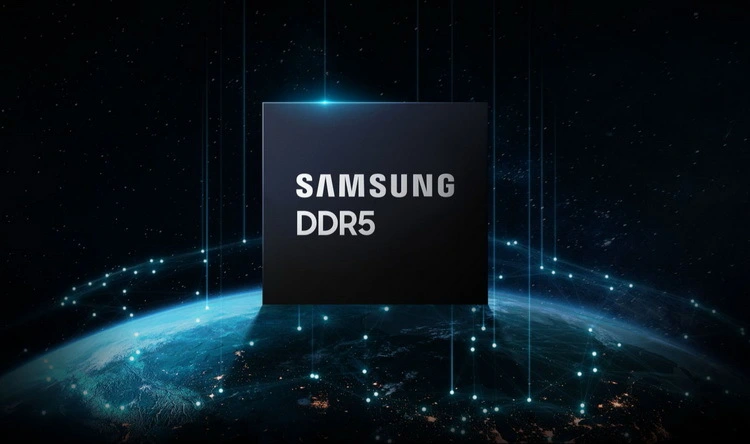
The global memory market is entering an unprecedented supply-constrained phase as soaring demand from artificial intelligence (AI) infrastructure collides with strategic capacity reallocations by…
Read More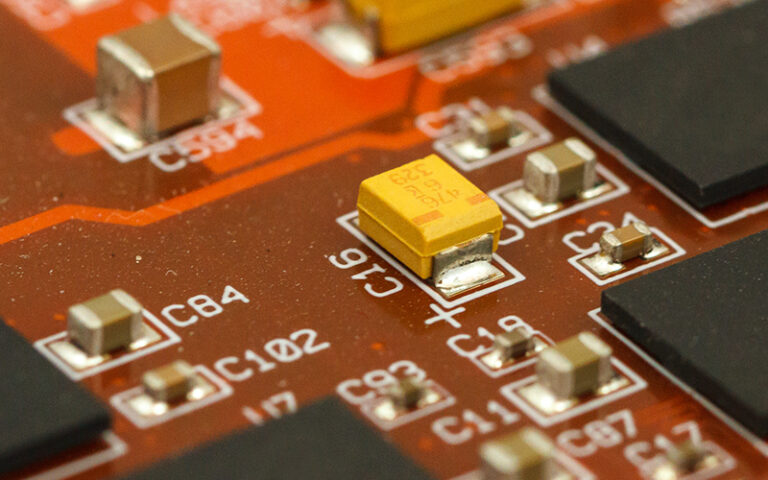
The global electronics industry is facing an escalating shortage of tantalum capacitors, a critical passive component, as surging demand from AI servers, automotive electronics,…
Read More
Understand how a comparator switches at a voltage threshold, why hysteresis prevents chatter, and which output and input specs matter.
Read More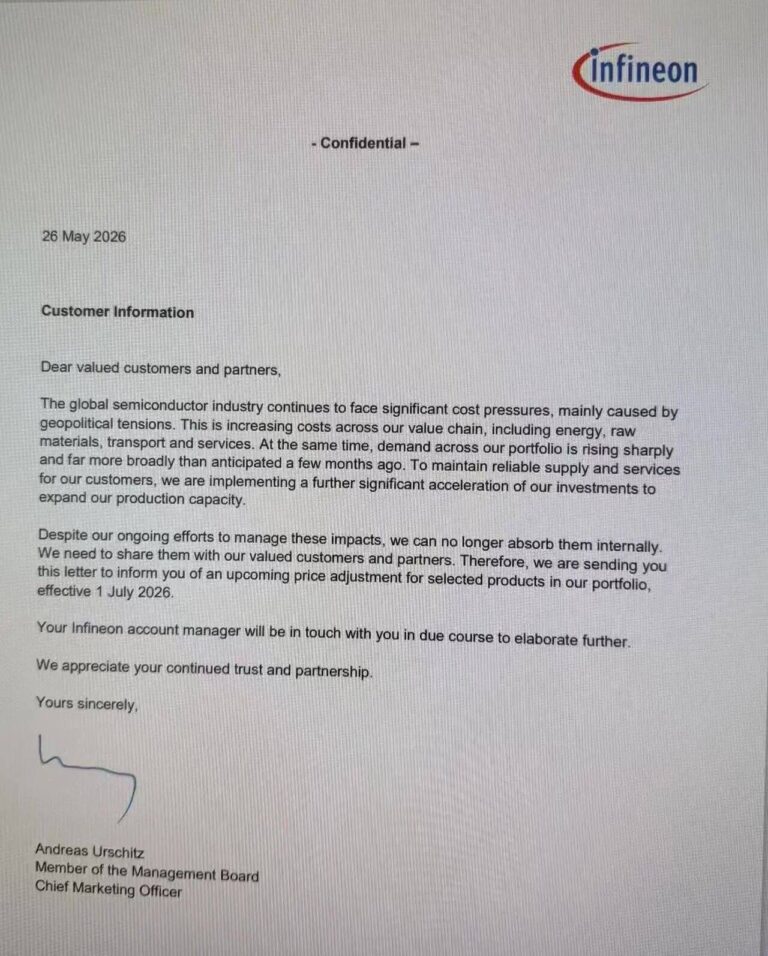
Munich, Germany – May 26, 2026 – Power semiconductor and automotive chip giant Infineon Technologies AG has formally notified customers worldwide of a second…
Read More
Understand how oscillators generate timing signals, how they differ from crystals, and which frequency, output and stability specs matter when choosing one.
Read More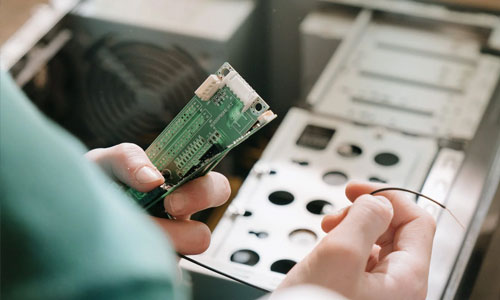
[Shenzhen/Shanghai/Beijing, January 2025] — As global digital transformation accelerates, the electronic components industry has reached a critical inflection point in 2025. Emerging fields such…
Read More
Compare Pt100 and Pt1000 RTDs, two-, three- and four-wire connections, excitation and self-heating. Build an error budget from element to reported temperature.
Read More
Compare RC, crystal and MEMS oscillator circuits. Check ppm, jitter, load capacitance, startup margin and output compatibility before choosing a clock source.
Read More
In the embedded world, general-purpose CPUs are great at running operating systems, and MCUs excel at logic control. But when you need to process…
Read More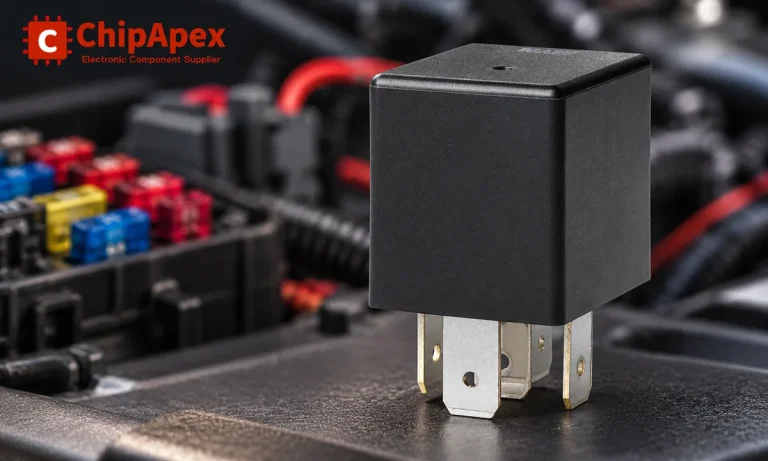
Learn the relay definition, coil and contact operation, NO and NC forms, load ratings and suppression choices. Compare mechanical, reed and solid-state types.
Read More
The activity of extra discounts on wholesale prices is in full swing…
Please fill in your contact information and we will send you the latest wholesale price list.