 ChipApex | Global Electronic Components Supplier

SEARCH
Search Product
Search Post
— IC芯片 | 连接器 | 传感器 | 被动器件 —
Search productSearch post
— IC芯片 | 连接器 | 传感器 | 被动器件 —
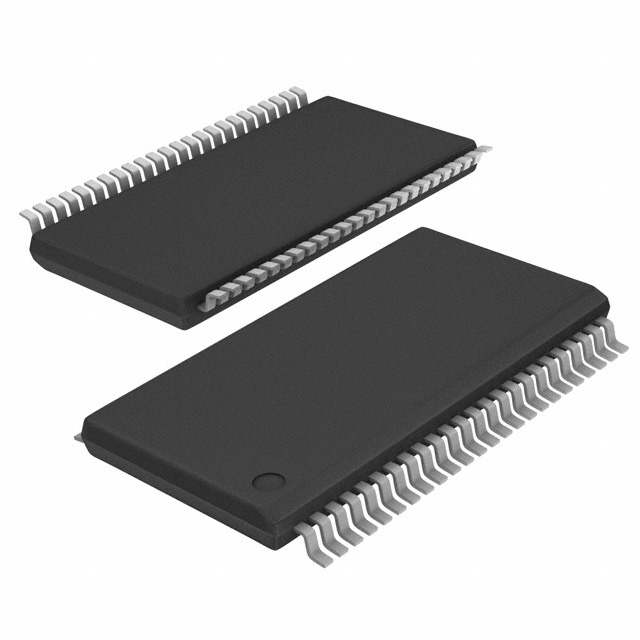
Logic components operate using two voltage levels. These two levels are referred to as High or Low, On or Off, True or False, or simply 1 or 0. There are many components included in this category, such as Buffers, Drivers, Receivers, Transceivers, Comparators, Counters, Dividers, FIFOs Memory, Flip Flops, Gates, Inverters, Latches, Multivibrators, Parity Generators, Shift Registers, Signal Switches, Multiplexers, Decoders, Translators, Level Shifters, Universal Bus Functions, and More.
| Select products | Mfr | Description | Package | Supplier Device Package | Mounting Type | Series | Operating Temperature |
|---|---|---|---|---|---|---|---|
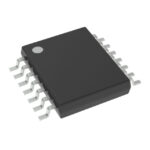 SN74HCS05PWR $0.19 | Texas Instruments | IC INVERTER 6CH 1-INP 14TSSOP | Tape & Reel (TR),Cut Tape (CT) | 14-TSSOP | Surface Mount | 74HCS | -55°C ~ 125°C |
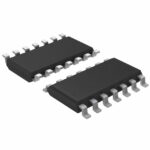 SN74HCS05QDRQ1 $0.39 | Texas Instruments | IC INVERTER 6CH 1-INP 14SOIC | Tape & Reel (TR),Cut Tape (CT) | 14-SOIC | Surface Mount | 74HCS | -40°C ~ 125°C |
SN74HCS05QPWRQ1 $0.39 | Texas Instruments | IC INVERTER 6CH 1-INP 14TSSOP | Tape & Reel (TR),Cut Tape (CT) | 14-TSSOP | Surface Mount | 74HCS | -40°C ~ 125°C |
 SN74HCS08BQAR $0.36 | Texas Instruments | IC GATE AND 4CH 2-INP 14WQFN | Tape & Reel (TR),Cut Tape (CT) | 14-WQFN (3x2.5) | Surface Mount | 74HCS | -55°C ~ 125°C |
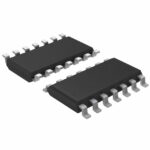 SN74HCS08DR $0.19 | Texas Instruments | IC GATE AND 4CH 2-INP 14SOIC | Tape & Reel (TR),Cut Tape (CT) | 14-SOIC | Surface Mount | 74HCS | -40°C ~ 125°C |
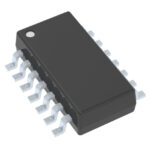 SN74HCS08DYYR $0.22 | Texas Instruments | IC GATE AND 4CH 2-INP 14SOT23 | Tape & Reel (TR),Cut Tape (CT) | 14-SOT-23-THIN | Surface Mount | 74HCS | -40°C ~ 125°C |
SN74HCS08PWR $0.19 | Texas Instruments | IC GATE AND 4CH 2-INP 14TSSOP | Tape & Reel (TR),Cut Tape (CT) | 14-TSSOP | Surface Mount | 74HCS | -40°C ~ 125°C (TA) |
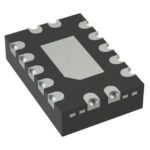 SN74HCS08QBQARQ1 $0.41 | Texas Instruments | IC GATE AND 4CH 2-INP 14WQFN | Tape & Reel (TR),Cut Tape (CT) | 14-WQFN (3x2.5) | Surface Mount | 74HCS | -40°C ~ 125°C |
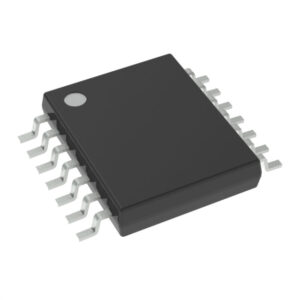 SN74LV14APWRView Product
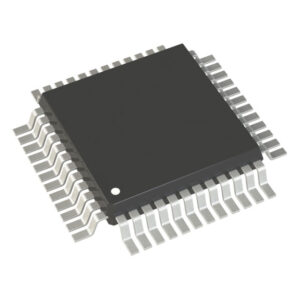 MC100EPT622FAR2GView Product
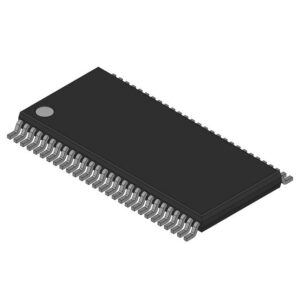 74ALVCH16601DGG112View Product
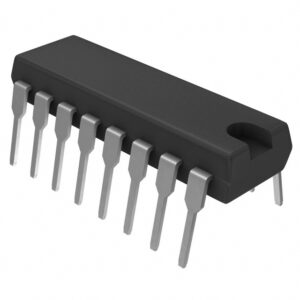 MC14555BCPGView Product
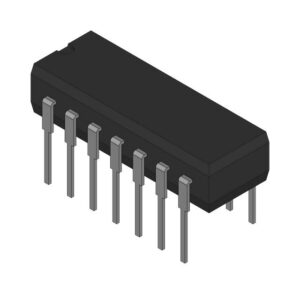 SN54LS280JView Product
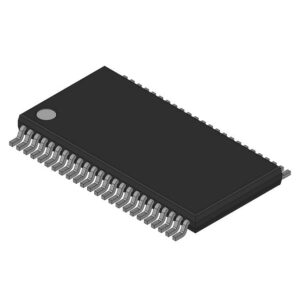 CD74LPT16373AMTView Product
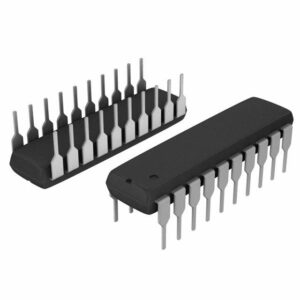 74AC521PCView Product
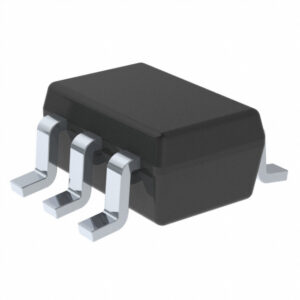 SN74LVC1G98DCKTView Product
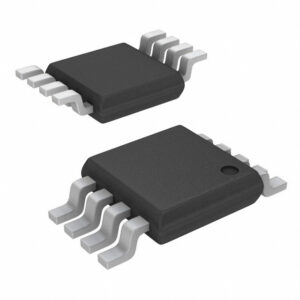 MC100EP16TDTView Product
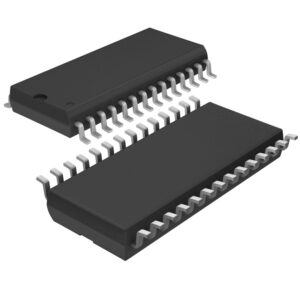 7201LA15SOGIView Product
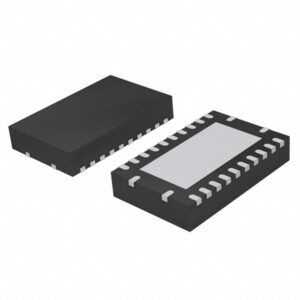 74AVC8T245BQ-Q100JView Product
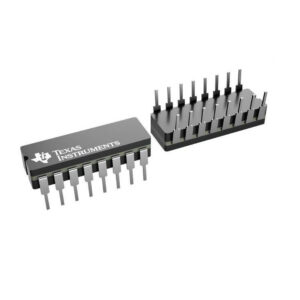 SN54221JView Product
Choose logic inverter ICs by thresholds, supply, output drive and delay. Compare standard and Schmitt-trigger inputs, power sequencing and replacement checks.
Read More
Compare RC, crystal and MEMS oscillator circuits. Check ppm, jitter, load capacitance, startup margin and output compatibility before choosing a clock source.
Read More
Find out when a bare shock switch needs a pull resistor, when an MCU internal pull-up is enough, and why sensor modules and piezo…
Read More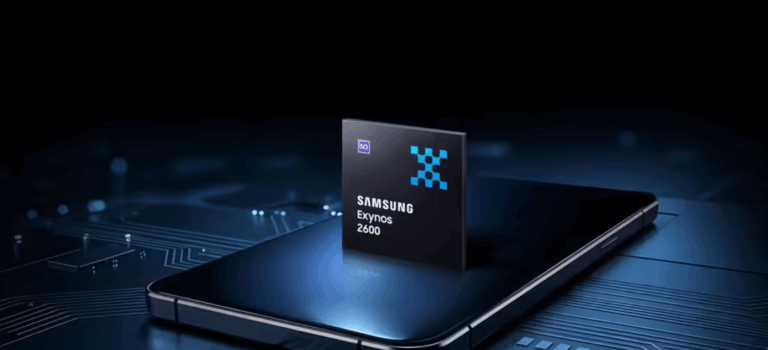
Tokyo / Munich / Tessenderlo, December 24, 2025As the global semiconductor industry enters the first year of the 2nm process era, international electronic component…
Read More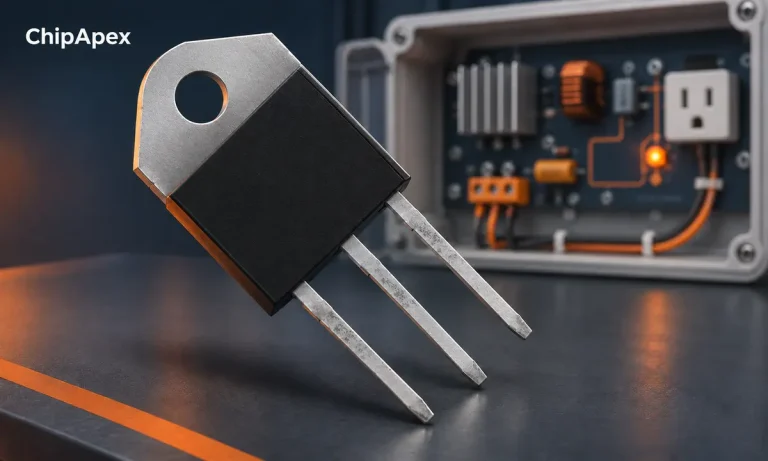
Learn how a TRIAC switches AC loads. Understand triggering, latching, holding current, phase control and thermal limits before choosing a component.
Read More
Choose a DIP switch by contact type, coded positions, footprint and signal ratings. Check logic polarity, assembly conditions and PCB configuration behavior.
Read More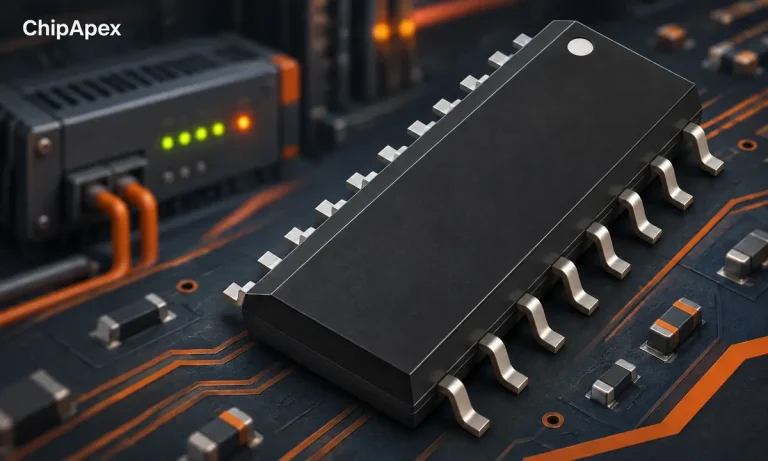
Learn what a shift register does, how bits move and when to use SIPO or PISO devices. Review latch timing, logic levels, output drive…
Read More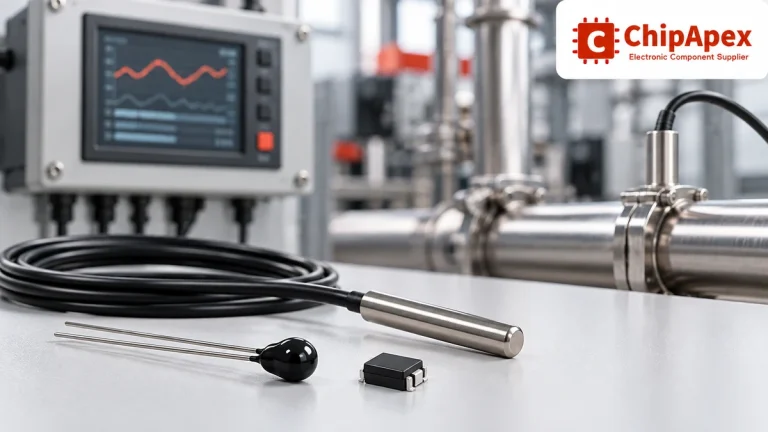
Compare thermistors, RTDs, thermocouples and temperature ICs. Learn how range, accuracy, response, interfaces and mounting affect component selection.
Read More
Learn what an integrated circuit is, how ICs work, the main types and the specs to check before choosing a part for your design…
Read More
Compare Pt100 and Pt1000 RTDs, two-, three- and four-wire connections, excitation and self-heating. Build an error budget from element to reported temperature.
Read More
Learn what an IMU measures, how accelerometers and gyroscopes work together, why orientation estimates drift, and what to compare.
Read More
Learn how optical sensing works, compare detection methods, and select sensors by target surface, ambient light, response time and electrical interface.
Read More
The activity of extra discounts on wholesale prices is in full swing…
Please fill in your contact information and we will send you the latest wholesale price list.

