 ChipApex | Global Electronic Components Supplier

SEARCH
Search Product
Search Post
— IC芯片 | 连接器 | 传感器 | 被动器件 —
Search productSearch post
— IC芯片 | 连接器 | 传感器 | 被动器件 —
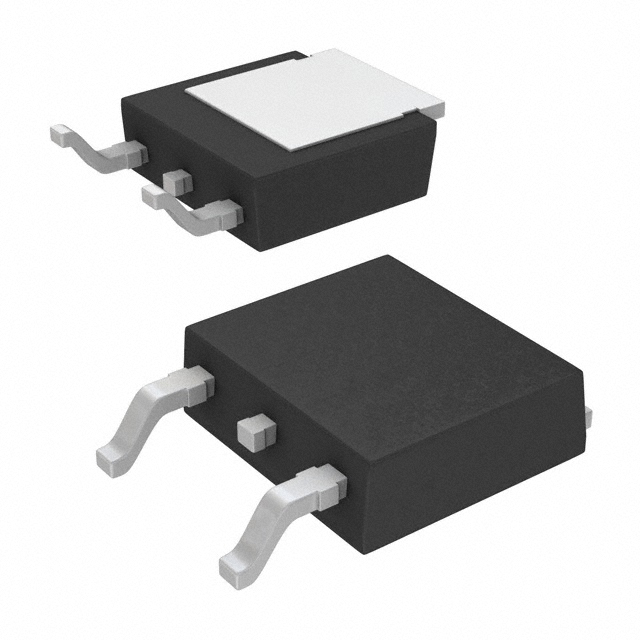
A transistor is a semiconductor device that serves as an electronic switch or amplifier, controlling current flow through one material type (usually silicon) by applying a voltage or current to another. Structurally, transistors are three-terminal components—commonly configured as emitter, base, and collector (in BJTs), or source, gate, and drain (in FETs). Since their invention, transistors have become fundamental to all modern electronics, from digital logic circuits to analog signal processing. Unlike earlier vacuum tubes, transistors are compact, reliable, and energy-efficient, operating by manipulating electron or hole movement across p-n junctions or insulated gates. Understanding the differences between transistor types—BJTs, MOSFETs, IGBTs, JFETs, and PUTs—can help you select the most appropriate component based on function, power requirements, and signal characteristics. Types of Transistors Bipolar Junction Transistors (BJTs), including NPN and PNP configurations, are current-controlled devices where base current modulates a larger collector-to-emitter current. Known for their high current gain and linear amplification characteristics, BJTs are ideal for analog applications such as audio amplification or low-frequency signal conditioning. However, their relatively low input impedance results in greater power consumption compared to field-effect devices. Field-Effect Transistors (FETs), particularly MOSFETs (Metal-Oxide-Semiconductor FETs), are voltage-controlled with very high input impedance. They regulate current via an electric field applied across an insulated gate, making them highly efficient for digital switching applications. N-channel MOSFETs generally offer superior conductivity and switching speed over P-channel devices, making them the preferred choice in power electronics and logic circuits. Insulated Gate Bipolar Transistors (IGBTs) combine the gate control of MOSFETs with the output drive of BJTs, resulting in a device that excels in high-voltage, high-current applications. They\'re widely used in power inverters, motor drives, and energy conversion systems where switching efficiency and robustness are critical. Junction Field-Effect Transistors (JFETs) provide excellent performance in low-noise, high-impedance analog circuits. Though largely replaced by MOSFETs in many roles, JFETs still serve a purpose in RF amplification and precision signal conditioning due to their simplicity and stable characteristics. Programmable Unijunction Transistors (PUTs) are specialized for use in timing circuits, waveform generation, and trigger control. These devices operate by establishing a threshold voltage at which they rapidly switch, making them useful in oscillators and control systems.
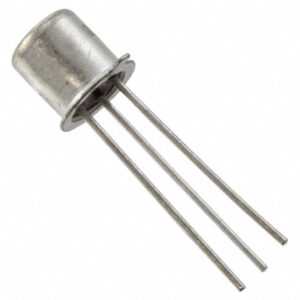 2N4949View Product
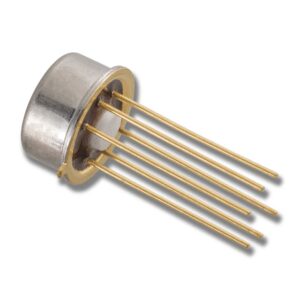 LS313 TO-78 6LView Product
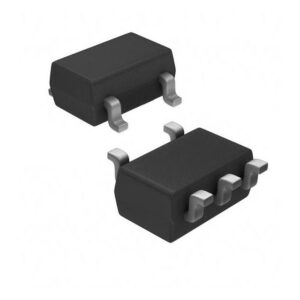 HN4C51J(TE85L,F)View Product
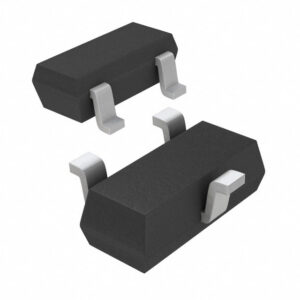 CMPF4391 TR TIN/LEADView Product
 IXA20PG1200DHG-TUBView Product
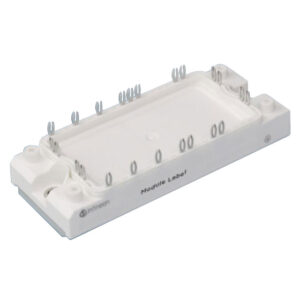 FS50R12W2T4BOMA1View Product
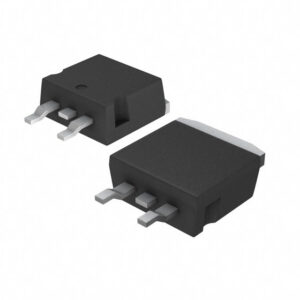 STGB30H60DFView Product
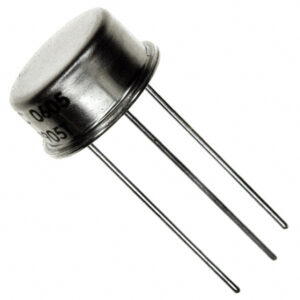 JANTXV2N4405View Product
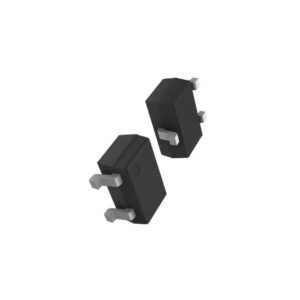 2SK3018WView Product
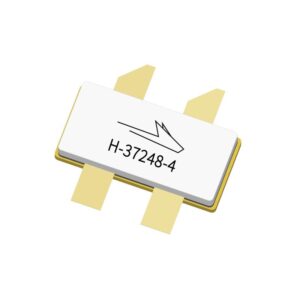 PXAC210552FC-V1-R0View Product
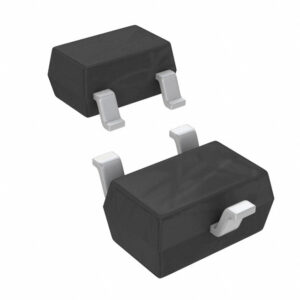 2SC4227-T1-AView Product
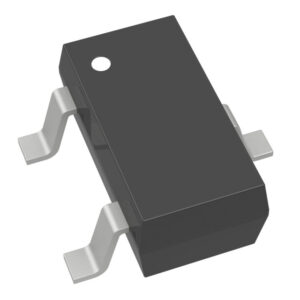 DDTA123JKA-7-FView Product

Learn how rectifiers convert AC to DC, compare half-wave and bridge circuits, and select voltage, current, recovery and thermal ratings for your design.
Read More
Hsinchu, Taiwan – April 18, 2026 – United Microelectronics Corporation (UMC, NYSE: UMC), a leading global semiconductor foundry specializing in mature process technologies, has…
Read More
May 8, 2026 – Eindhoven, Netherlands NXP Semiconductors (NXPI), a global leader in automotive and industrial semiconductor solutions, has officially notified its worldwide channel…
Read More
TOKYO, July 31, 2026 — Renesas Electronics Corporation has officially announced a major domestic manufacturing restructuring, confirming plans to gradually discontinue all wafer fabrication…
Read More
Learn how a diode conducts, how to identify anode and cathode, and when to choose rectifier, TVS, Zener or photodiode types for a circuit.
Read More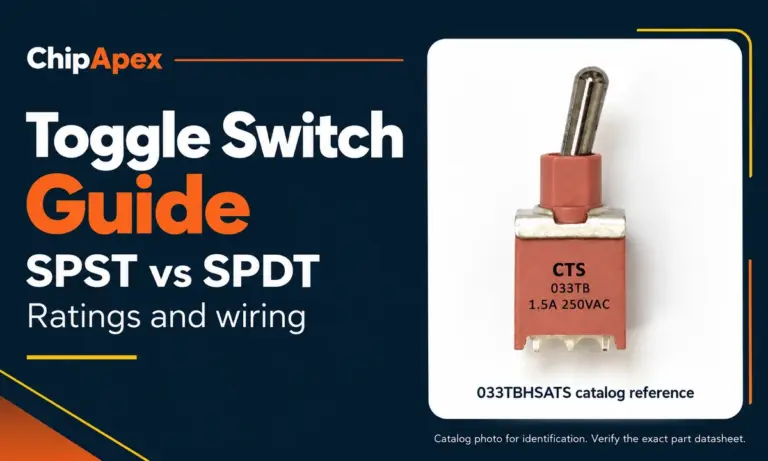
Compare SPST and SPDT toggle switches, understand AC/DC ratings, and follow wiring examples. Check contact action, mounting and parts in the ChipApex catalog.
Read More
Recently, a survey by the Electronic Components Industry Association (ECIA) revealed that the sales sentiment of global electronic components remained optimistic in the third…
Read More
Choose a vibration sensor for machine monitoring. Compare sensing methods, bandwidth, noise and mounting, then define the signal-chain requirements.
Read More
Choose LED drivers by current, string voltage, dimming and thermal limits. Understand constant-current operation and the checks needed for your load.
Read More
The global memory market is entering an unprecedented supply-constrained phase as soaring demand from artificial intelligence (AI) infrastructure collides with strategic capacity reallocations by…
Read More
STMicroelectronics (ST), a global leader in semiconductor manufacturing, has officially notified customers of a new round of price increases for selected products, set to…
Read More
Understand tactile switches, PCB and keyboard differences, four-pin wiring, debounce, force, travel and replacement checks for reliable control inputs.
Read More
The activity of extra discounts on wholesale prices is in full swing…
Please fill in your contact information and we will send you the latest wholesale price list.

